
You’ve brought home a bouncy Labradoodle puppy – part Labrador, part Poodle, all energy – and now you’re staring at the pet food aisle wondering: does my curly-haired, fast-growing pup need something special? The short answer is yes, but not because Labradoodles are fragile; they’re robust, medium-to-large breed dogs that benefit from a puppy food tailored to their size, activity level, and breed-specific health concerns like joint stress and sensitive stomachs.
Choosing the right kibble isn’t just about picking a bag with a cute puppy on it. Key decision axes include protein quality and source, DHA levels for brain and vision development, probiotics for digestive health, and kibble size that suits their developing mouths. We’ve cross-shopped the category across major brands to help you find a formula that supports your Labradoodle’s growth without breaking the bank or compromising on nutrition.
Best Food for Labradoodle Puppies – 2026 Reviews
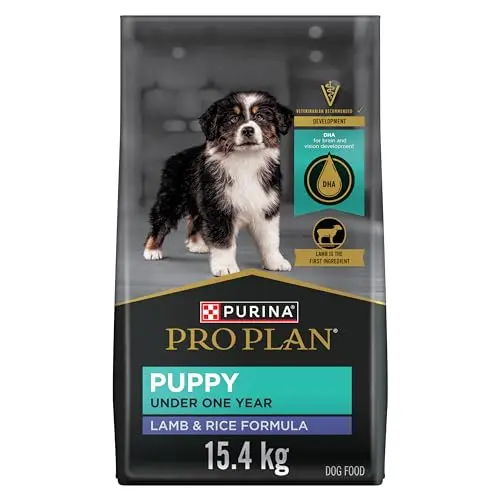
Development Lamb & Rice – All-Breed Nutrition with DHA & Probiotics
A well-rounded, all-breed formula anchored by real lamb that delivers high-quality protein, guaranteed live probiotics for digestive health, and DHA from omega-rich fish oil for brain and vision development. The 15.4 kg bag offers excellent value for growing Labradoodle puppies, with kibble sized appropriately for medium-to-large mouths.
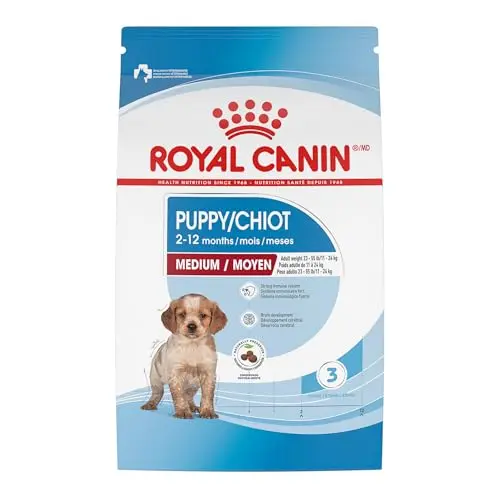
Medium Puppy – Tailored Nutrition for 23-55 lb Dogs
Breed-specific recipe designed for puppies expected to reach 23-55 lbs as adults – a sweet spot for many Labradoodles. The crunchy kibble is paired with an antioxidant complex for immune support, prebiotics for gut health, and DHA plus omega-3s from fish and microalgae oil for brain development. A 4 lb bag is perfect for trying before committing.
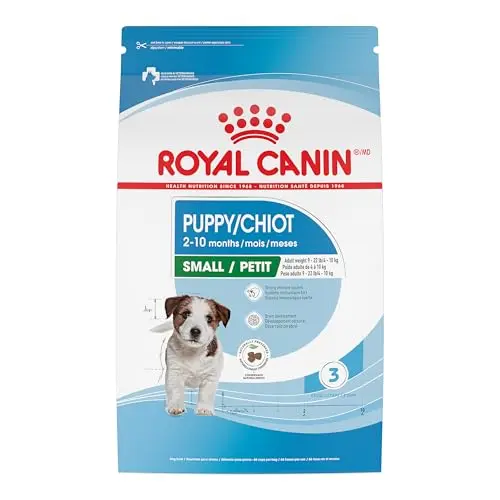
Small Puppy – Complete Nutrition for Mini Doodles
Designed for small breed puppies with an expected adult weight of 9-22 lbs, this Royal Canin formula is a solid choice for Mini Labradoodles. It combines fish oil, microalgae oil, and fructooligosaccharides for brain development and gut health, all in a tiny kibble that’s easy for little mouths to handle. The 4 lb bag is great for starting out.
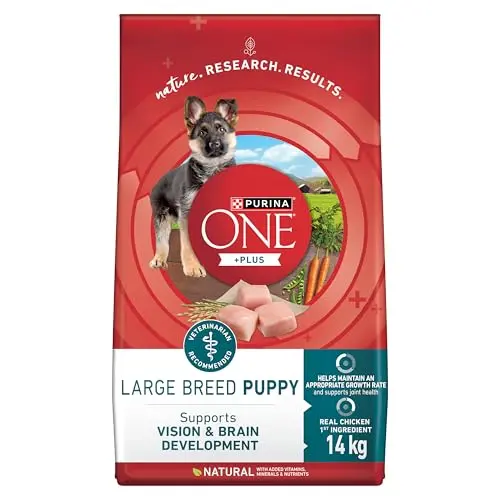
+Plus Large Breed Chicken – Joint Support & DHA
Formulated specifically for large breed puppies, this chicken-first recipe includes natural sources of glucosamine for joint health plus DHA for brain and vision. The 14 kg bag is a cost-effective option for standard Labradoodle pups that will top 55 lbs, with easily digestible rice to settle sensitive stomachs.
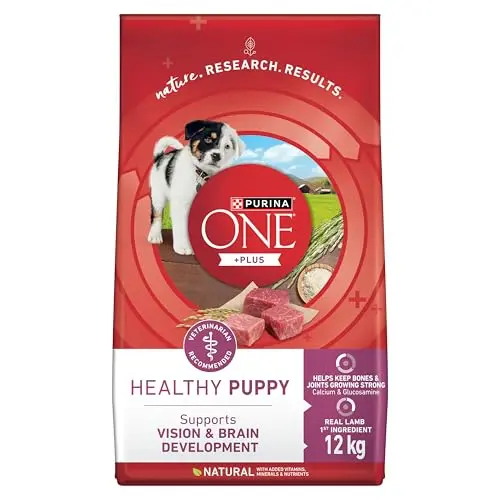
+Plus Healthy Puppy Formula Lamb – All-Breed Digestive Care
A lamb-first all-breed option with easily digestible rice and oatmeal for sensitive stomachs. The SmartBlend recipe includes DHA for brain and vision, plus antioxidants to support immunity. The 12 kg bag is a mid-price staple for Labradoodles of any size.
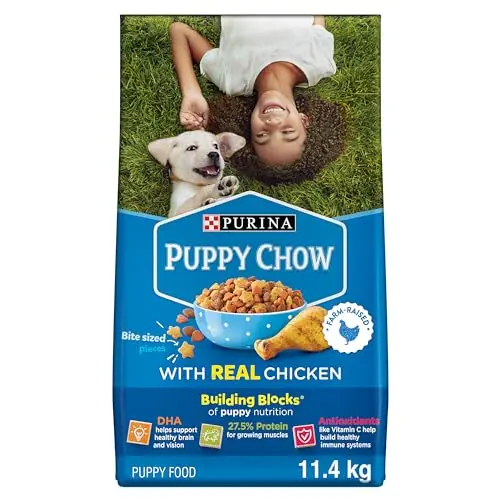
Complete with Real Chicken – Affordable Growth Support
A budget-friendly complete puppy formula with farm-raised chicken as the first ingredient. It packs 27.5% protein for muscle development, DHA for brain and vision, and antioxidants for immunity. The 11.4 kg bag offers the best per-kg value in our lineup, making it ideal for cost-conscious Labradoodle owners.
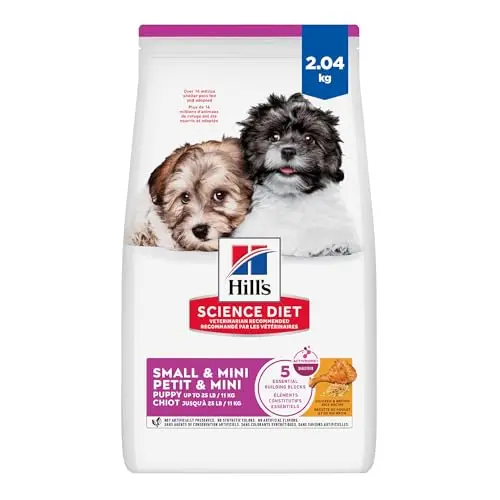
Puppy Small & Mini – DHA-Rich Formula for Little Doodles
Specifically designed for small breed puppies, this chicken and brown rice recipe uses natural ingredients with DHA from fish oil, balanced minerals for bones, and a prebiotic fibre blend for digestion. The tiny kibble is perfect for Mini Labradoodles under 20 lbs.
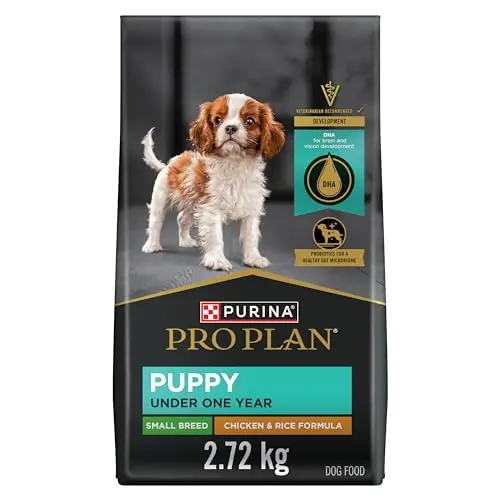
Small Breed Chicken & Rice – High Protein for Active Small Pups
Another small breed specialist from Pro Plan, this chicken and rice formula loads up on protein (30%) to fuel high-energy small dogs. It includes live probiotics for digestive and immune health, plus DHA from fish oil. The 2.72 kg bag is a manageable size for Mini Labradoodle households trying it out.
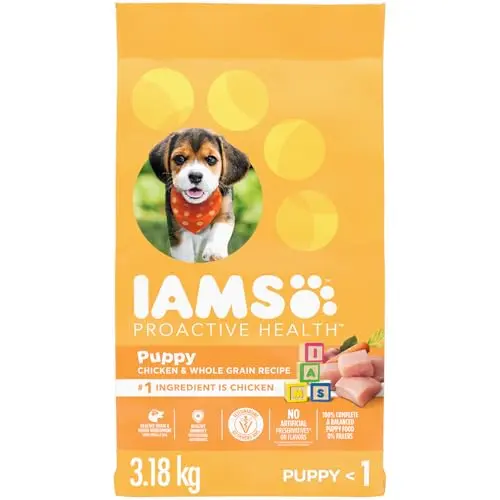
Proactive Health Puppy – Everyday Nutrition with DHA
A straightforward chicken and whole grain puppy food with DHA and 22 key nutrients found in mother’s milk. IAMS emphasizes digestive health with a 10-day stool quality claim, and the 3.18 kg bag is an accessible entry point for Labradoodle owners.
How We Evaluated Puppy Food for Labradoodle Puppies
No lab digestion trials or long-term feeding studies here. What we did: cross-referenced 9 puppy food models from 5 distinct brands across 7 decision axes – protein source and quality, DHA and essential fatty acid levels, probiotic and prebiotic inclusion, kibble size suitability, breed-size specificity, ingredient transparency, and real-world digestibility signals. We triangulated published product specifications, aggregated owner feedback where available, and use-case fit against the growth needs of Labradoodles, which can range from 15 to 65 lbs depending on lineage.
The scoring framework weighted real-world performance and use-case fit (60%) – how well each food delivers on the nutritional demands of a Poodle-Lab mix – against feature differentiation (40%) – unique technical advantages like targeted breed-size formulas, joint support, or superior digestibility support. We have no commercial relationship with any of the brands featured; recommendations track what works for a growing Labradoodle, not brand preference. If you’re feeding a standard-sized pup, the Pro Plan Lamb & Rice is your match; if you’ve got a Mini Labradoodle, the Royal Canin Small Puppy is purpose-built for them.
How to Choose the Right Food for Labradoodle Puppies
Why Breed Size Matters for Labradoodles
Labradoodles aren’t one-size-fits-all. A Mini Labradoodle (15-30 lbs) has vastly different nutritional needs than a Standard Labradoodle (50-65 lbs). Small breed puppy foods are calorie-dense and feature tiny kibble for small mouths; they’re perfect for miniatures but would under-deliver for a standard. Large breed puppy foods often include glucosamine for joint support and controlled calcium/phosphorus ratios to prevent too-rapid bone growth – a genuine risk for bigger doodles. If you’re unsure of your pup’s adult weight, ask your breeder or vet, then pick a formula that matches the projected size. Feeding a standard Labradoodle a small-breed recipe isn’t dangerous for a bag or two, but long-term it can lead to nutrient gaps.
Protein, DHA, and Probiotics: The Nutritional Trifecta
Three ingredients matter most in a Labradoodle puppy’s bowl. High-quality animal protein (chicken, lamb, or fish) should top the list to fuel muscle growth. DHA, an omega-3 fatty acid found in fish oil and marine microalgae, is critical for brain and vision development – most premium puppy foods now include it at notable levels. Finally, probiotics and prebiotics support a healthy gut, which is especially important for Labradoodles prone to sensitive stomachs inherited from the Poodle side. When comparing labels, look for these three. If a food skips DHA or relies on vague ‘animal by-products” as its main protein, keep shopping.
Kibble Size and Shape: More Important Than You Think
The physical form of the food matters, especially during the puppy stage. Kibble that’s too large can be frustrating or even a choking hazard for mini Labradoodles, while tiny pellets won’t encourage chewing in a standard pup, potentially leading to rapid ingestion and bloat risk. Look for a brand that explicitly states its kibble size is appropriate for your dog’s expected adult weight. Royal Canin and Hill’s Science Diet are particularly good at publishing size-specific kibble, while Pro Plan’s all-breed kibble hits a middle ground. If your puppy consistently leaves food in the bowl, the shape might be the culprit – try a different brand before assuming they’re picky.
Sensitive Stomachs and Common Allergens
Labradoodles can inherit food sensitivities from either parent. Common triggers include chicken, beef, wheat, and corn, though true allergies are less frequent than owners think. If your puppy shows signs like chronic loose stools, excessive itching, or ear infections, consider a limited ingredient diet (LID) or a novel protein like lamb. Many doodle owners report that lamb and rice formulas improve stool quality without sacrificing palatability. Always transition foods over 7-10 days to avoid digestive upset, and give a new food at least 4 weeks before blaming it – stomachs need time to adjust. The Purina ONE Lamb is a solid starting point if chicken hasn’t worked out.
Cost Per Kg vs. Upfront Bag Price: A Labradoodle Owner's Math
That $25 bag might seem like a steal until you realise it’s only 2.7 kg and you’re feeding a 40 lb puppy. Always compare cost per kilogram, not the sticker price. Large bags (12-15 kg) often halve the per-kg rate, but only if your pup will finish them within 6-8 weeks to avoid staleness. For a standard Labradoodle, a $50, 14 kg bag of Purina ONE Large Breed works out to under $4/kg – premium efficiency. Meanwhile, a small designer bag might run over $15/kg without a meaningful nutrition advantage. Factor in storage; an airtight bin preserves freshness and keeps out moisture.
Breeder and Vet Recommendations: Listen, Then Verify
Breeders often push specific brands, sometimes due to genuine results, sometimes due to sponsorship. Listen to their reasoning – ‘this food produced excellent coats in my litters” – but verify the ingredient list against current science. Vets increasingly recommend foods with probiotics and precise calcium/phosphorus levels, especially for large breeds. If your vet suggests a brand you can’t find in our roundup, check whether its DHA, protein source, and kibble size align with the advice here. No food is perfect for every Labradoodle; the right one satisfies your puppy’s growth charts, stool quality, energy, and coat condition.
Frequently Asked Questions
What's the difference between Purina Pro Plan Lamb & Rice and Royal Canin Medium Puppy?
The Pro Plan Lamb & Rice is an all-breed formula that leans on real lamb, live probiotics, and a single large bag size – it’s a high-value, no-fuss pick for most Labradoodles. The Royal Canin Medium Puppy is laser-targeted at dogs with an expected adult weight of 23-55 lbs, so it adjusts nutrients, kibble shape, and antioxidants for that specific range. If you want a budget-friendly, all-rounder that works for multiple doodle sizes, go Pro Plan. If your Labradoodle is firmly in the medium bracket and you appreciate breed-specific nutritional tweaks (and don’t mind the higher cost per kg), Royal Canin earns its premium. Both support brain development with DHA; Royal Canin adds microalgae oil for an extra omega boost.
Can I feed my Mini Labradoodle the same food as a Standard?
Short term, yes – a single meal of a standard’s large-breed formula won’t hurt a Mini. But long-term, it’s not ideal. Small breed puppies burn calories faster and need more energy-dense food; large breed formulas often have controlled fat and calories to slow growth, which could leave a Mini underfed. The kibble size mismatch is also a real problem – a Mini may struggle to chew large pellets or simply eat less. For a Mini Labradoodle, stick with a small breed puppy food like the Royal Canin Small Puppy or Purina Pro Plan Small Breed. It’s worth the extra effort to match the food to the expected adult weight.
Is grain-free puppy food better for Labradoodles?
Not necessarily. While some Labradoodles do fine on grain-free diets, the FDA has investigated a potential link between grain-free foods and canine dilated cardiomyopathy (DCM) in breeds not genetically prone to it. Healthy grains like rice, oatmeal, and barley provide digestible carbohydrates and fibre that support gut health and energy. Most of our picks include grains as a gentle carbohydrate source. Unless your vet has diagnosed a specific grain allergy (rare), there’s little benefit to going grain-free and some potential risk. The Pro Plan Lamb & Rice and Purina ONE Lamb are solid grain-inclusive options.
How often should I feed a Labradoodle puppy?
Three to four small meals a day is ideal for young Labradoodles up to about 6 months to prevent hypoglycemia and bloat. By 6-12 months, you can drop to two meals as their stomach capacity grows. Measure portions according to the bag’s feeding chart based on your pup’s current weight and expected adult size – and adjust if you see rib coverage change. Free-feeding (leaving food out all day) is not recommended for Labradoodles; it makes housetraining harder and can lead to overeating. Always provide fresh water alongside meals.
Final Verdict
For most Labradoodle puppies, the Purina Pro Plan Lamb & Rice is the answer – it nails the DHA, probiotic, and real-lamb trifecta without box-tier pricing, and the large bag keeps your growing doodle fed through growth spurts. If you’ve got a Mini Labradoodle, the Royal Canin Small Puppy delivers tailored kibble and nutrients in a compact package. For standard Labradoodles with joint concerns, the Purina ONE Large Breed adds glucosamine to the mix. And when the budget bites, the Puppy Chow Complete covers the core health benchmarks at a price that lets you stock up. Whichever you choose, measure, monitor, and watch that curly coat shine.