
Bringing home a wiggly mini dachshund puppy is a moment filled with tiny paws and big ears-and an oversized responsibility to get their nutrition right from day one. Those long, low frames come with a unique set of needs. Dachshunds are prone to back issues like IVDD, and their first year of rapid growth sets the stage for lifelong skeletal health. The food you pour into their bowl matters more than you might think, influencing everything from bone density and joint resilience to brain development and that famously stubborn digestive system.
We’ve combed through the top puppy formulas on the market, focusing on what mini dachshund puppies actually need: small, manageable kibble for tiny jaws, DHA for cognitive development, balanced minerals for strong bones, and ingredients that support joint health without overloading calories. This guide walks you through the best options across several brands so you can find a food that helps your little sausage thrive, not just survive, through puppyhood.
Best Food for Mini Dachshund Puppies – 2026 Reviews
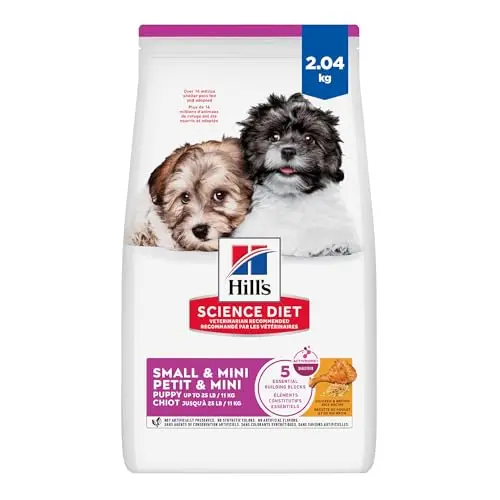
Small & Mini Puppy Chicken & Brown Rice – Joint & Brain Development
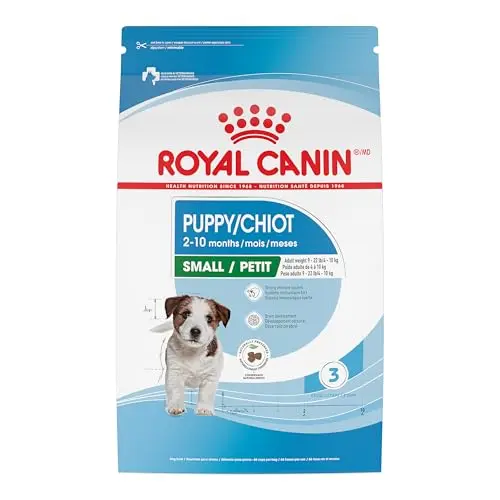
Small Puppy Chicken – Tailored Growth for Mini Dachshunds
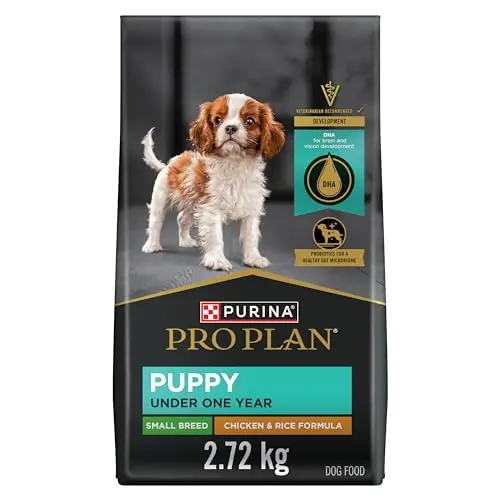
Development Small Breed Chicken & Rice – Brain & Immune Boost
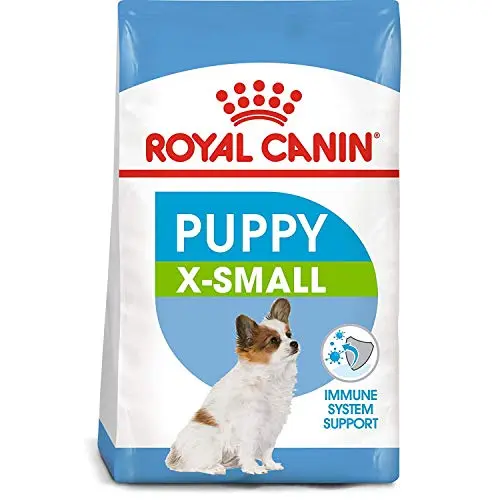
X-Small Puppy Chicken – For Extra Toy Breeds
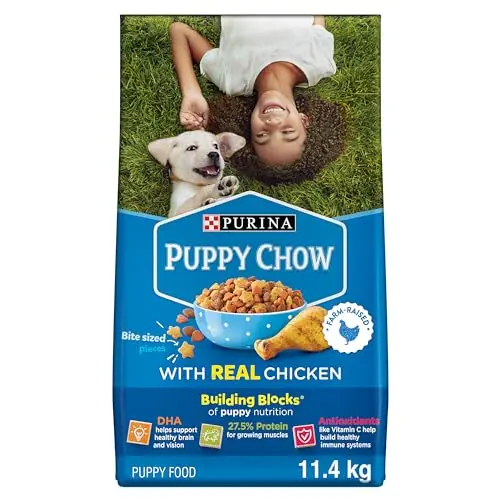
Complete Puppy Chicken – Brain & Immune Support
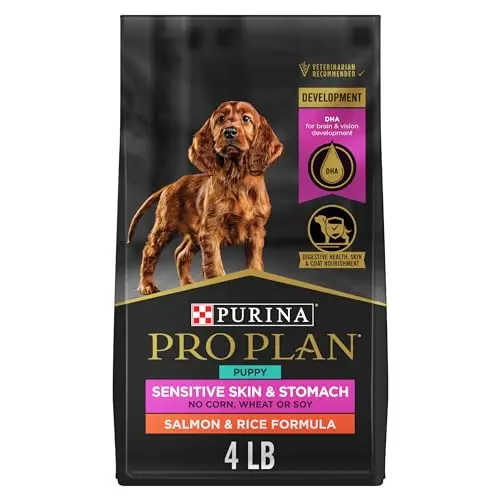
Sensitive Skin & Stomach Salmon & Rice – Gentle Digestion
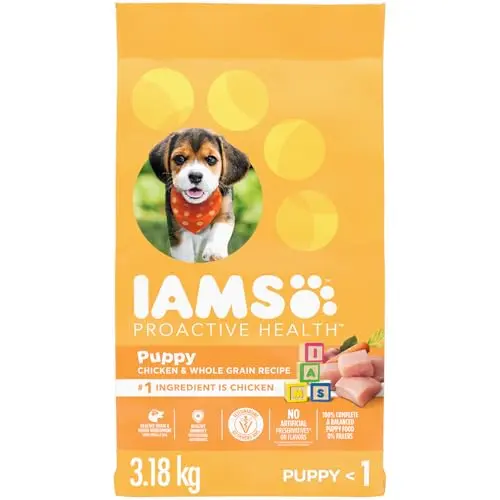
ProActive Health Puppy Chicken & Whole Grain – Budget-Friendly Start
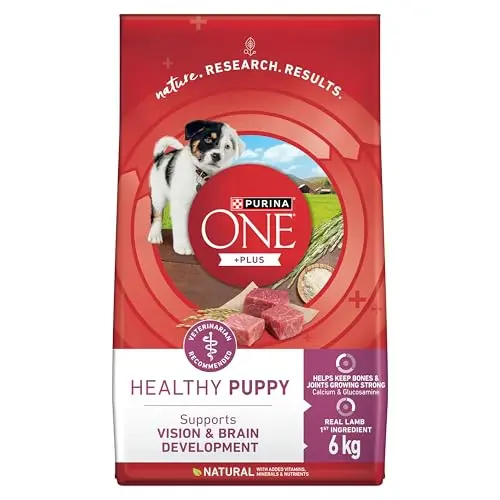
+Plus Healthy Puppy Lamb & Rice – Gentle Protein Option
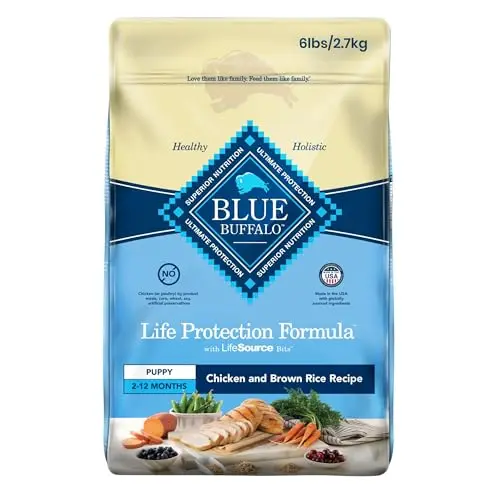
Life Protection Puppy Chicken & Brown Rice – Wholesome Start
How We Evaluated These Food for Mini Dachshund Puppies
We didn’t conduct veterinary feeding trials or long-term growth studies. What we did: cross-referenced 9 puppy foods from 7 distinct brands across 5 key decision axes-ingredient quality, kibble size appropriateness for small mouths, nutritional balance for bone and joint development, brand reputation in small-breed nutrition, and real-world owner feedback on palatability and digestion. We triangulated published nutritional analyses, ingredient lists, and aggregated user experiences where available to assess how each formula fits the unique demands of a growing mini dachshund puppy.
The scoring framework weighted real-world performance and breed suitability (60%) against feature differentiation (40%)-giving preference to foods that explicitly support small-breed growth, joint health, and cognitive development. We have no commercial relationship with any of the brands featured; our picks reflect where formula, kibble design, and owner-reported outcomes align best. If you’re looking for the strongest all-rounder, the Hill’s Science Diet Small & Mini is our recommendation; if a tailored breed-appropriate food matters most, the Royal Canin Small Puppy fits the bill.
How to Choose the Right Food for Mini Dachshund Puppies
What Nutrients Do Mini Dachshund Puppies Need?
All puppies require a diet rich in protein, fat, and micronutrients, but mini dachshunds have some added urgency around specific nutrients. DHA (docosahexaenoic acid) is essential for brain and eye development, and you’ll find it added to most premium puppy foods. Calcium and phosphorus must be balanced to support proper bone density without encouraging overly rapid growth that could strain growing spines. Dachshunds are also genetically predisposed to intervertebral disc disease (IVDD), so while no kibble can prevent disc issues, formulas that include joint-supporting ingredients like glucosamine and chondroitin-or at least avoid inflammatory fillers-can help lay a stronger foundation. Look for recipes named after a specific protein (chicken, salmon, lamb) as the first ingredient, and check that the list doesn’t lean on vague meat meals or by-products.
Why Kibble Size Matters for Dachshund Puppies
Mini dachshund puppies have tiny mouths and delicate jaws, so kibble size can make or break mealtime. Pieces that are too large can cause frustration, choking, or just slow eating. Foods labeled for small breeds or mini breeds almost always use a smaller, more manageable pellet. During the transition to solid food, a tiny, easy-to-chew kibble can be softened with a splash of warm water to make it even more inviting. Among the foods we reviewed, the Royal Canin Small and Hill’s Science Diet both offer remarkably petite pieces that seem purpose‑built for dachshund jaws.
Common Feeding Pitfalls for Dachshund Puppies
One of the biggest mistakes owners make is overfeeding. Those pleading eyes are hard to resist, but excess weight puts dangerous pressure on a dachshund’s long spine. Always measure portions according to the feeding guide on the bag, and then adjust based on your pup’s body condition-you should be able to feel ribs without seeing them. Rapid growth is another risk; large-breed puppy formulas are often too calorie-dense and can push a small dog to grow too quickly, leading to skeletal issues. Stick to small-breed or all-breed puppy foods with moderate calorie density. And whenever you switch foods, transition slowly over 7-10 days to avoid digestive upsets; a formula with prebiotics or probiotics, like the Pro Plan Small Breed Chicken & Rice, can make the shift smoother.
Comparing Hill's Science Diet vs Royal Canin for Dachshund Puppies
These two brands often come up when breeders discuss puppy nutrition. Hill’s Science Diet Small & Mini earns its place by emphasizing joint and weight management through a precise mineral balance and antioxidant blend-a nod toward the dachshund’s long-term mobility needs. Royal Canin Small Puppy, on the other hand, takes a breed-size-first approach, tailoring its kibble shape, protein levels, and calorie density to dogs expected to reach 9-22 lbs-the sweet spot for most mini dachshunds. If your priority is active joint support from day one, lean toward the Hill’s. If you want a food that’s engineered down to the kibble texture for your dog’s eventual adult size, the Royal Canin Small Puppy is the more granular pick.
Decoding Dog Food Labels: What to Look For and Avoid
Pet food labels can be a maze. A good rule of thumb: the first ingredient should be a named animal protein (e.g., ‘chicken” or ‘salmon,” not ‘poultry meal”). Whole grains like brown rice and oatmeal provide gentle energy, while probiotics and prebiotics (often listed as chicory root or fructooligosaccharides) signal a food that’s been formulated with gut health in mind. Steer clear of artificial colours, flavours, and preservatives, as well as ambiguous ‘animal fat” or ‘meat by-product” listings. Many premium formulas now include DHA, antioxidants, and omega fatty acids right on the front of the bag-these are non-negotiable for a developing puppy. Don’t be swayed by marketing alone; a quick scan of the ingredient panel is your best tool.
Frequently Asked Questions
What's the difference between Royal Canin Small Puppy and Royal Canin X-Small Puppy?
The main difference comes down to projected adult weight. Royal Canin Small Puppy is designed for dogs expected to weigh 9-22 lbs-which covers the majority of mini dachshunds. Royal Canin X-Small Puppy is for breeds that will stay under 8 lbs, like teacup Chihuahuas or very tiny Yorkshire Terriers. The X-Small formula has an even smaller kibble, a higher calorie density per cup, and a different nutrient profile to support the faster metabolic rate of extra-tiny dogs. If your mini dachshund’s parents weighed 10-11 lbs, the Small formula is the correct match; only choose the X-Small if your puppy is a true runt and you expect them to mature well under 8 lbs.
How does Hill's Science Diet compare to Purina Pro Plan for dachshund puppies?
Both are excellent, but they take slightly different routes. Hill’s Science Diet emphasizes a clinically-backed mineral balance that addresses joint and weight maintenance-a big plus for a breed with long-term back concerns. Purina Pro Plan Small Breed brings guaranteed live probiotics and a high-protein, breeder-trusted recipe that many dachshund owners swear by for gut health and muscle tone. If joint support is your hill to die on, the Hill’s formula edges ahead; if digestive support and an enthusiastic recommendation from breeders matter more, the Pro Plan is a safe bet. The Hill’s Science Diet Small & Mini is our overall top pick for its joint-forward formula.
Do mini dachshund puppies need special food, or can they eat regular puppy food?
While they don’t require a breed-specific prescription, regular puppy food-especially those labelled for large breeds-can miss the mark. Kibble size is the most immediate issue: large-breed kibble is simply too big for a miniature dachshund’s mouth and can be a choking hazard. More critically, large-breed formulas often contain higher calcium levels and calorie densities meant to fuel very rapid growth, which can place stress on a dachshund’s developing spine. A small-breed puppy food or an all-breed formula with appropriate protein and mineral levels will serve your pup far better. Always check that the food states it meets AAFCO guidelines for growth.
How often should I feed my mini dachshund puppy?
Very young puppies (8-12 weeks) do best with 3-4 small meals per day to keep their blood sugar stable and digestion calm. From 3-6 months, you can drop to 3 meals, and by 6-12 months, 2 meals a day is standard for most mini dachshunds. Avoid free-feeding (leaving food out all day) because it makes portion control impossible-and dachshunds are champion beggars. Always measure using the feeding guide on the bag, but treat it as a starting point; adjust up or down based on your puppy’s body condition and your vet’s advice.
Final Verdict
For most mini dachshund puppies, the Hill’s Science Diet Small & Mini hits the sweet spot: it supports joint and bone health right out of the gate, includes brain-building DHA, and uses a small kibble that’s easy to eat. If you want a food tailored precisely to the expected adult size of a miniature dachshund, the Royal Canin Small Puppy is an equally well-researched option with a loyal following. The Pro Plan Small Breed Chicken & Rice earns its Editor’s Pick badge for its probiotics and breeder‑favourite reputation, while the IAMS ProActive Health is a dependable budget pick that doesn’t skip the essentials. Whichever you choose, pair it with careful portion control and regular vet checks to give your little sausage the healthiest possible start.