
Bringing home a miniature schnauzer puppy? You’re in for a bundle of energy and personality, but also a set of nutritional requirements that are quite specific. These small stunners may have big-dog attitudes, but their tiny jaws and fast metabolisms mean they thrive on a diet engineered for small breed growth – with DHA for brain development, high-quality protein for lean muscle, and kibble that’s actually small enough to chew comfortably.
The puppy food aisle is packed with options, but not all are created equal when it comes to miniature schnauzers. We’ve sifted through the top brands to bring you picks that balance breed-appropriate nutrition with real-feeding practicality. Whether you’re after a premium, vet-endorsed formula or a probiotic-packed option for sensitive digestion, our roundup will help you find the right fuel for your pup’s first year.
Best Food for Miniature Schnauzer Puppy – 2026 Reviews
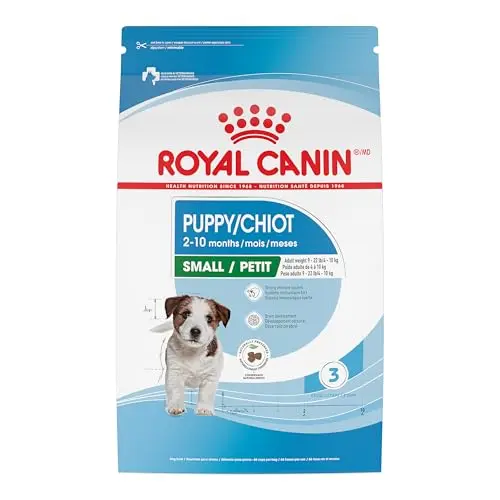
Small Puppy Dry Food – Ideal for Mini Schnauzer Growth
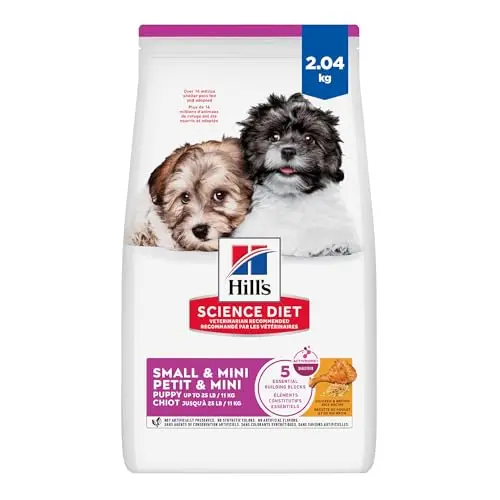
Small & Mini Chicken & Brown Rice – Premium Small Breed Formula
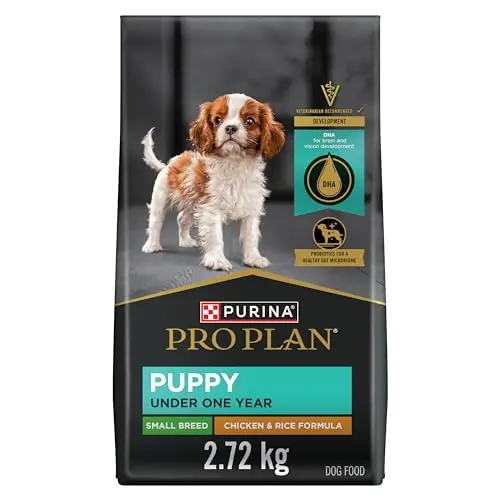
Small Breed Chicken & Rice – Probiotic-Powered Digestion
How We Evaluated These Puppy Foods for Miniature Schnauzers
We didn’t run lab feeding trials or long-term growth studies. What we did: cross-referenced 3 dry puppy foods from 3 distinct brands across 5 decision axes – breed appropriateness (focusing on miniature schnauzer size and weight), protein quality, DHA and brain-development support, digestive health features, and kibble size/texture. We triangulated published specifications, ingredient panels, and aggregated owner feedback where available to gauge how each food performs in real homes.
The scoring framework weighted real-world fit for miniature schnauzer puppies (60%) – including whether the formula is specifically designed for small breeds – against feature differentiation (40%), such as unique probiotic guarantees or preservative-free formulations. We have no commercial relationship with any of the brands featured; recommendations track nutritional alignment and reported outcomes, not brand loyalty. If you’re looking for the all-around best, the Royal Canin Small Puppy is your pick; if a premium, vet-inspired formula is more your speed, the Hill’s Science Diet Small & Mini shines.
How to Choose the Right Puppy Food for Your Miniature Schnauzer
Why a Small-Breed Puppy Food Matters for Your Miniature Schnauzer
Miniature schnauzers may have the heart of a guard dog, but their bodies are firmly in the small-breed category. Adult weights typically fall between 11 and 20 pounds, which means the rapid growth phase of puppyhood demands a lot of energy in a small package. Small-breed puppy foods are usually more calorie-dense and have a higher protein-to-volume ratio than regular formulas, so your pup doesn’t have to eat a mountain of food to meet their needs. They’re also formulated with smaller kibble sizes to accommodate a tiny mouth, reducing choking risk and encouraging chewing – helpful in cleaning those emerging teeth. Additionally, breeds like the miniature schnauzer can be predisposed to pancreatitis or sensitive digestion, so a food that avoids overly rich fat sources and includes easily digestible proteins can set the stage for lifelong gut health.
Essential Nutrients in Miniature Schnauzer Puppy Food
Look for a puppy food that prominently lists DHA (docosahexaenoic acid), an omega-3 fatty acid that literally builds brain and eye tissue during the first few months. All three of our picks include it, often from fish oil or marine algae. High-quality animal protein – like chicken or lamb – should be the first ingredient, supporting the lean muscle development that these spunky pups need. Calcium and phosphorus must be balanced for proper bone growth without straining developing joints. Antioxidants like vitamins C and E boost the immune system at a time when your puppy is encountering new environments and pathogens. And don’t overlook gut health: prebiotic fibers or guaranteed live probiotics (like those in the Pro Plan option) can make a noticeable difference in stool quality and overall comfort, especially for a breed with a sensitive stomach.
Kibble Size and Texture: A Make-or-Break Detail in Puppy Food
A miniature schnauzer puppy’s mouth is no bigger than a walnut, so kibble that’s too large or too hard can be frustrating – and even dangerous. The best small-breed formulas use a kibble that’s roughly the size of a lentil: easy to pick up, pleasant to crunch. The Royal Canin Small Puppy, for instance, has a crunchy texture that helps satisfy chewing instincts without being rock-hard. Hill’s Science Diet’s ‘Small & Mini” kibble is consistently praised by toy-breed owners for its diminutive size. Texture also matters: a pellet that’s too soft may not provide the abrasive action needed to keep teeth cleaner, while one that shatters into dust (a minor complaint about some Pro Plan batches) can be off-putting. If your puppy can’t handle a new food immediately, consider moistening the kibble with warm water or mixing in a bit of wet food to bridge the gap.
Comparing Royal Canin, Hill's, and Pro Plan Puppy Foods for Mini Schnauzers
These three brands dominate the small-breed puppy conversation, but they approach nutrition differently. Royal Canin’s line is breed-size specific, with a research-backed nutrient matrix that it has been refining for decades – you’re paying for that precision. Hill’s Science Diet leans heavily into its veterinary partnerships, offering preservative-free recipes and a satisfaction guarantee that signals confidence. Purina Pro Plan stands out with its guaranteed live probiotics, a feature rarely found in dry foods, and a focus on high protein that aligns with the miniature schnauzer’s energy levels. None is a bad choice; the decision often comes down to budget, your puppy’s digestive quirks, and whether you prefer a tailored breed formula or a more generalist but still excellent option.
Frequently Asked Questions
What's the difference between Royal Canin Small Puppy and Hill's Science Diet Small & Mini for my miniature schnauzer?
While both are excellent, Royal Canin Small Puppy is specifically calibrated for breeds expected to reach 9-22 pounds – a perfect match for the miniature schnauzer. Its kibble texture and nutrient profile are the result of decades of breed-specific research. Hill’s Science Diet Small & Mini, on the other hand, positions itself as a veterinary-influenced, preservative-free option with a strong focus on natural ingredients and a satisfaction guarantee. The Hill’s formula tends to have a slightly higher price per pound, but its smallest-of-the-small kibble wins raves from toy-breed owners. If your top priority is a diet that feels like it was engineered for your exact size category, Royal Canin edges ahead; if ingredient purity and a money-back promise matter more, Hill’s is the safer bet.
Can I just feed my miniature schnauzer puppy a regular all-breed puppy food, or do I need a small-breed formula?
You certainly can, but you’ll likely miss out on some key benefits. All-breed puppy foods are formulated to be safe and nutritionally adequate for any puppy, but they may have larger kibble sizes and fewer calories per cup. For a miniature schnauzer, that means eating a bigger volume of food to meet energy needs, which can strain a tiny stomach. Small-breed formulas are also more likely to include extra DHA for brain development, higher protein levels, and prebiotics tailored to the faster metabolism and common digestive sensitivities of little dogs. Given how affordable some purpose-made small-breed options are – like Pro Plan – it’s worth buying one of those rather than a generic bag.
When should I transition my miniature schnauzer from puppy food to adult food?
Most miniature schnauzers can transition from puppy food to an adult maintenance diet between 10 and 12 months of age. At this point, their growth plates have generally closed, and their energy requirements start to level off. Switching too early can deprive them of the extra protein and calories they need for final development; waiting too long can lead to unnecessary weight gain. Your veterinarian is the best guide, as they’ll assess your individual puppy’s body condition and growth curve. When you do switch, do it gradually over 7-10 days by mixing the new food with the old to avoid digestive upset.
Final Verdict
For the vast majority of miniature schnauzer puppies, the Royal Canin Small Puppy is the answer – it nails the breed-size specificity that gives these pups their best start, with a nutrient profile that’s hard to beat. If you’re willing to stretch your budget for a preservative-free, vet-aligned option, the Hill’s Science Diet Small & Mini is a premium choice that tiny jaws handle beautifully. And if digestive health tops your list – whether due to a sensitive stomach or simply a desire for probiotic insurance – the Pro Plan Small Breed delivers live probiotics and high protein at a wallet-friendly price. Whichever you pick, you’ll be fueling a lifetime of schnauzer shenanigans with the right foundation.