
Bringing home a new puppy is one of life’s purest joys. That little bundle of energy looks to you for everything, and one of the first big decisions you’ll make is what to feed them. The right puppy food fuels healthy growth, supports brain development, and sets the stage for a lifetime of good health. With so many bags on the shelf, it’s easy to feel overwhelmed.
We surveyed the current puppy food market to cut through the noise, comparing formulas across major brands. Whether you have a tiny toy breed or a future gentle giant, the best food balances high‑quality protein, essential fatty acids like DHA, and ingredients that are gentle on developing digestive systems. Our top picks reflect a cross‑brand analysis of ingredient lists, nutritional profiles, and real‑world puppy owner feedback.
Best Food for New Puppy – 2026 Reviews
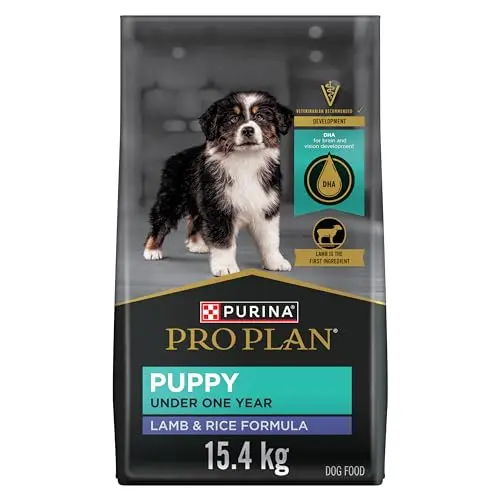
Development Lamb & Rice – All‑Breed Puppy Nutrition
A top‑tier puppy food featuring real lamb as the first ingredient, supplemented with DHA from fish oil and guaranteed live probiotics. It supports whole‑body development for puppies of all breed sizes.
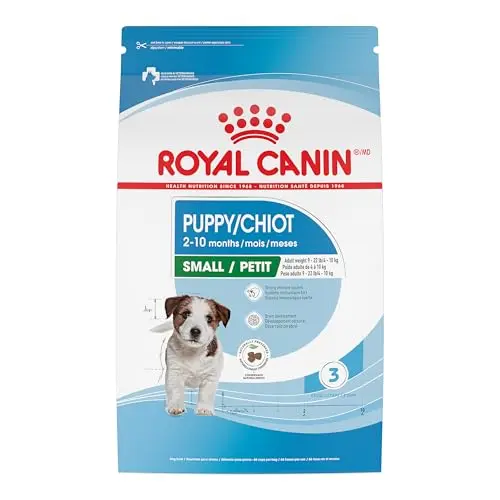
Size Health Nutrition Small Puppy – Tailored Small Breed Support
Precision nutrition designed for small breed puppies expected to weigh 9‑22 lbs, with an emphasis on digestive health and immune support through prebiotics and antioxidants.
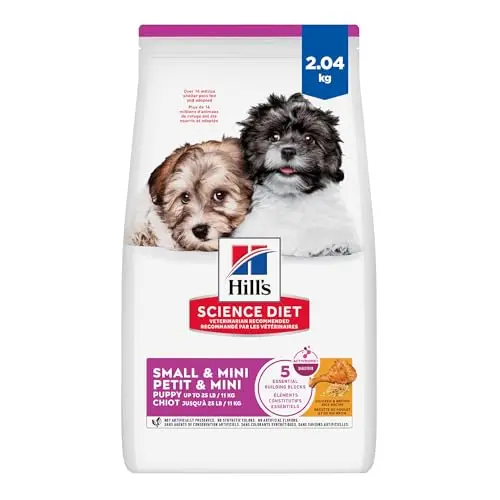
Small & Mini Chicken & Brown Rice – Gentle Digestion Formula
Veterinary‑recommended puppy food with a breakthrough prebiotic fibre blend to support the gut microbiome, plus DHA for brain and eye development, all in a small, easy‑to‑chew kibble.
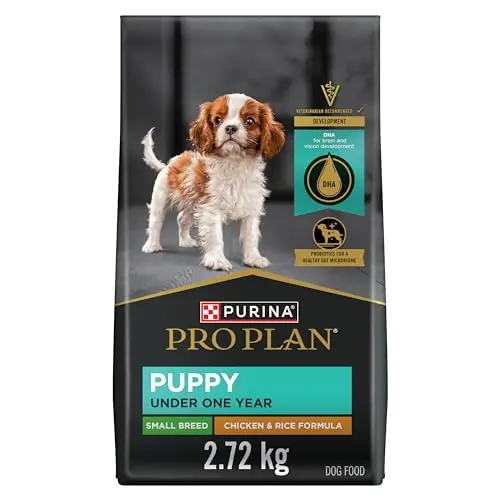
Development Small Breed Chicken & Rice – High‑Protein Puppy Fuel
Real chicken leads a high‑protein recipe for active small breed puppies, boosted with DHA and live probiotics to support brain, vision, and immune health from day one.
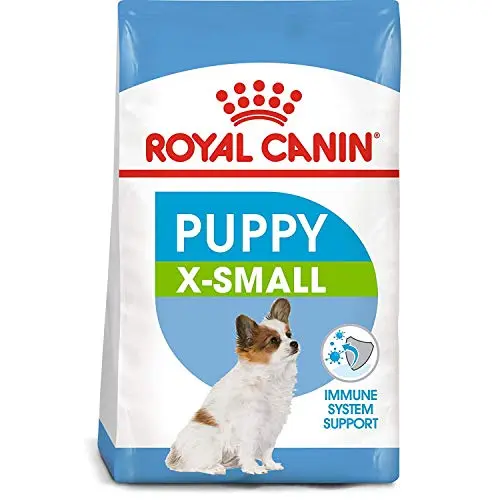
X‑Small Breed Puppy – Ultra‑Small Kibble & Brain Support
Engineered for puppies expected to stay under 8 lbs, this food offers a crunchy ultra‑small kibble with antioxidants and prebiotics to support immune and digestive health.
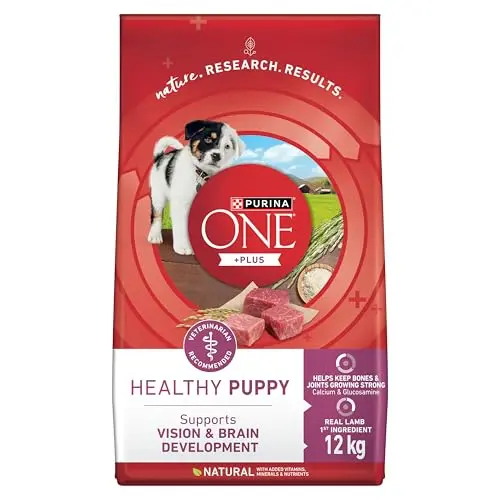
+Plus Healthy Puppy Lamb & Rice – No‑Filler Nutrition
A lamb‑based recipe free from fillers and artificial flavours, designed to be easy on tender puppy stomachs with the addition of DHA for brain and vision development.
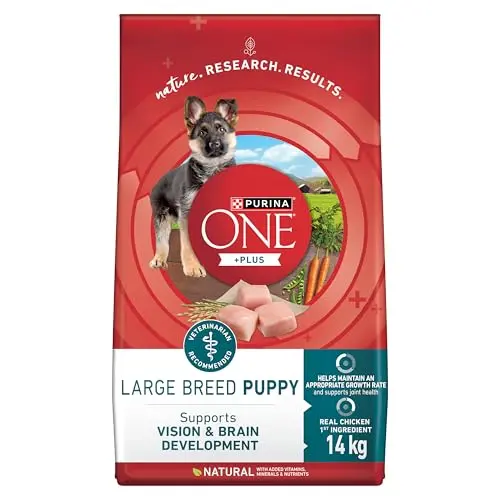
+Plus Large Breed Chicken & Rice – Joint Health Focus
Specially formulated for large breed puppies, with natural sources of glucosamine for joint support, plus DHA and an antioxidant blend for whole‑body development.
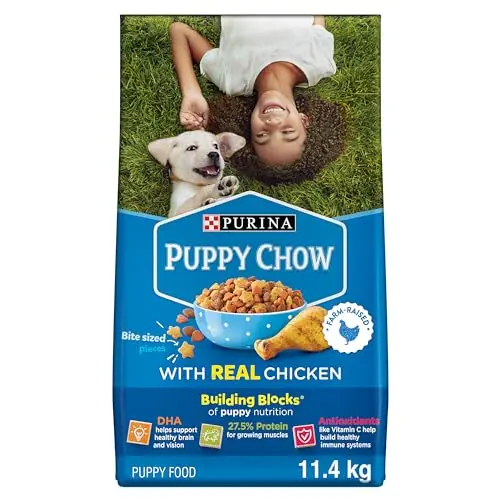
Complete with Real Chicken – Budget‑Friendly Puppy Nutrition
A wallet‑friendly option that doesn’t skip on essentials: real chicken, 27.5% protein for muscle growth, and DHA for brain and vision development.
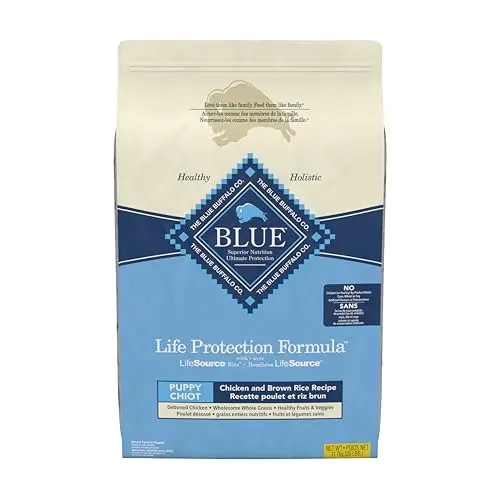
Life Protection Formula Chicken & Brown Rice – Natural Ingredients
A natural puppy food with real chicken first, enhanced by LifeSource Bits – a precise blend of antioxidants, vitamins, and minerals – and no corn, wheat, or soy.
How We Evaluated These Food for New Puppy
We didn’t run feeding trials across multiple litters to monitor long‑term growth and stool quality. What we did: cross‑referenced 9 puppy foods from 6 distinct brands across five decision axes – ingredient quality, protein source, breed‑size suitability, digestive health support, and brain‑development nutrients like DHA. We triangulated published specifications, aggregated owner feedback where available, and use‑case fit against representative puppy owner profiles.
The scoring framework weighted real‑world performance (60%) – how well each formula delivers on its nutritional promises – against feature differentiation (40%) – unique advantages like specialized kibble size, probiotic blends, or breed‑specific fortification. We have no commercial relationship with any of the brands featured; recommendations track fit and differentiation, not brand preference. If you’re looking for an all‑around top performer, the Pro Plan Development Lamb & Rice is your pick; if you have a small‑breed puppy, the Royal Canin Small Puppy serves you better.
How to Choose the Right Food for New Puppy
Key Nutrients Your New Puppy Needs
Puppyhood is a critical growth window. Look for food that includes high‑quality animal protein as the first ingredient – it supplies amino acids for muscle and organ development. DHA (docosahexaenoic acid), an omega‑3 fatty acid, is vital for brain and eye development; it’s often sourced from fish oil. Optimum calcium‑phosphorus ratios support skeletal growth without stressing joints. Antioxidants like vitamins C and E plus minerals like zinc and selenium strengthen the immune system. Finally, digestible carbohydrates from whole grains like rice and oatmeal provide steady energy.
Match the Food to Your Puppy's Breed Size
Not all puppy foods are the same. Small and toy breeds burn energy fast and need calorie‑dense, small‑kibble formulas that prevent hypoglycemia. Large and giant breeds, on the other hand, require controlled calcium and energy levels to avoid growing too quickly, which can lead to skeletal issues. If you have a mixed‑breed pup, estimate their adult weight and choose accordingly. For most medium‑sized dogs, an all‑breed formula like the Pro Plan Lamb & Rice works well, while small breeds thrive on the Royal Canin Small Puppy.
Protein Sources and Ingredient Quality
The protein source matters. Chicken and lamb are common: chicken is highly palatable and digestible, while lamb can be a good option for pups with sensitivities. Named meat meals (chicken meal, lamb meal) are concentrated protein sources. Avoid foods with vague terms like ‘meat meal” or excessive plant‑based proteins like soybean meal. Whole grains like brown rice and oatmeal are generally fine; they provide fibre and nutrients. If you prefer no artificial additives, options like the Purina ONE Lamb & Rice skip fillers and artificial flavours.
Digestive Health: Probiotics and Prebiotics
A settled tummy makes for a happy puppy. Many modern formulas include probiotics (live beneficial bacteria) and prebiotics (fibres that feed those bacteria). These support a balanced gut microbiome, aiding digestion and nutrient absorption. If your puppy has loose stools or gas, a food with a prebiotic blend – like the Hill’s Science Diet Small & Mini – can help. Always transition slowly over 7‑10 days when switching foods.
Grain‑Inclusive vs. Grain‑Free Diets
For most puppies, grain‑inclusive diets are beneficial and provide energy, fibre, and essential nutrients. Grain‑free diets can be appropriate if your puppy has a confirmed intolerance, but they aren’t inherently superior. Recent research has linked some grain‑free formulas to a heart condition in dogs, so unless advised by your vet, stick with a balanced grain‑inclusive food like the Pro Plan Lamb & Rice or the Purina Puppy Chow.
Frequently Asked Questions
What's the difference between Purina Pro Plan and Hill's Science Diet puppy foods?
Both are excellent, but they take slightly different approaches. Purina Pro Plan, like the Lamb & Rice formula, emphasizes high‑protein, performance‑driven nutrition with added live probiotics for digestive health. Hill’s Science Diet, such as the Small & Mini Chicken & Brown Rice, leans into veterinary‑recommended formulations with a strong focus on prebiotic fibres for gut health. Pro Plan often suits active puppies, while Hill’s is frequently chosen for puppies with sensitive digestion or by owners who prefer a more clinically oriented brand.
How do I transition my puppy to a new food?
A gradual transition over 7‑10 days prevents digestive upset. Start with 75% old food and 25% new food for two days, then go 50/50 for two days, then 25% old and 75% new for another two days, before moving fully to the new food. Watch for loose stools or vomiting; if they occur, slow the transition or consult your vet.
Which puppy food is best for small breed puppies?
Small breed puppies benefit most from breed‑specific formulas that deliver concentrated nutrition in a small, easy‑to‑chew kibble. Our top pick is the Royal Canin Small Puppy for its tailored nutrient profile and crunchy kibble that supports dental health. Another strong option is the Hill’s Science Diet Small & Mini, which offers a prebiotic fibre blend for digestive support and a tiny kibble size.
When should I switch from puppy food to adult dog food?
The timing depends on breed size. Small and medium breeds typically switch around 9‑12 months when growth plateaus. Large breeds may need puppy food until 12‑18 months, and giant breeds sometimes up to 24 months, to support slower, controlled skeletal development. Look for signs like stable weight and vet guidance. Switching too early can impact joint health, so err on the later side if unsure.
Final Verdict
For most new puppy owners, the Purina Pro Plan Lamb & Rice hits the sweet spot: a high‑quality protein source, brain‑supporting DHA, and digestive probiotics in a formula that suits all breed sizes. It’s our top pick for good reason. If you’re feeding a tiny toy breed, the Royal Canin Small Puppy offers precision nutrition tailored to small bodies, while budget‑conscious buyers will appreciate the value of Purina Puppy Chow Complete. No matter your choice, feeding a well‑rounded puppy food during those critical early months will pay off for years to come.