
Bringing home a Shih Tzu puppy is like adding a tiny, fluffy shadow to your life – and few things matter more than what you put in their bowl. Those big eyes and button noses come with specific needs: a delicate digestive system, a small mouth that struggles with large kibble, and a fast-paced brain development that demands the right fuel. Get their diet wrong, and you could be dealing with tummy troubles, picky eating, or worse.
But get it right, and you’ll see a happy, energetic pup with a shiny coat and bright eyes. The best food for Shih Tzu puppies balances tiny kibble size with brain-boosting DHA, easy digestion with high-quality protein. We’ve surveyed the market – not just one brand’s lineup – to compare the top options across ingredient quality, breed suitability, and real-world palatability. Whether you’re after premium tailored nutrition or a budget-friendly staple, this guide will point you to the perfect pick for your pint-sized companion.
Best Food for Shih Tzu Puppy – 2026 Reviews
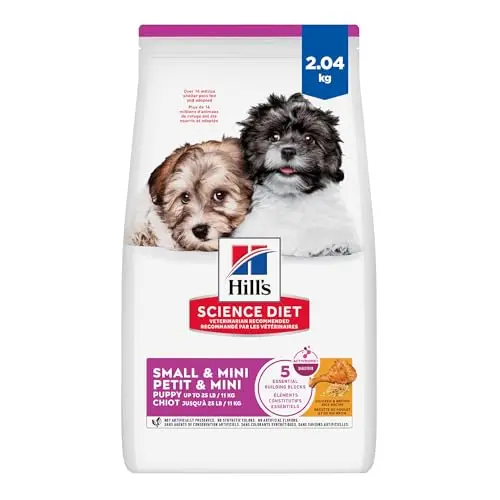
Science Diet Puppy Small & Mini – Chicken & Brown Rice for Small Breeds
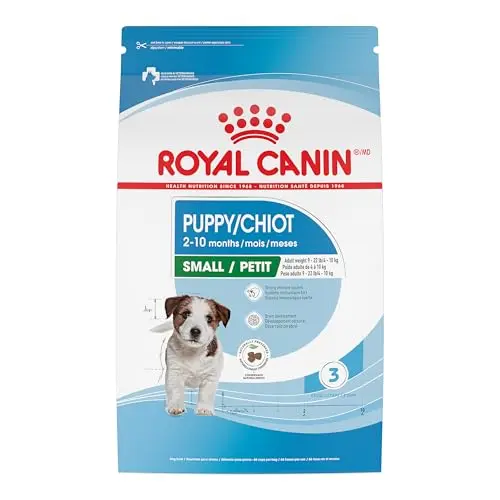
Small Puppy Dry Dog Food – Breed-Specific Nutrition
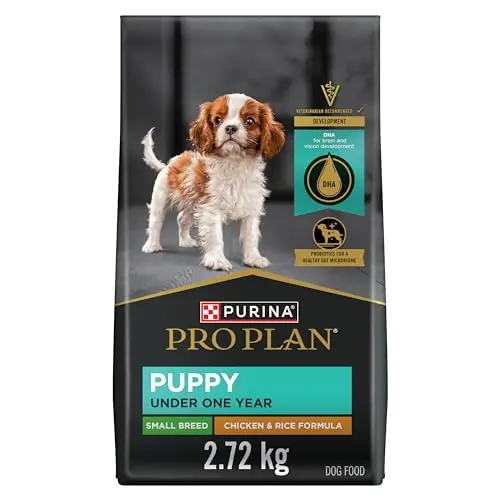
Pro Plan Small Breed Chicken & Rice – High-Protein Puppy Fuel
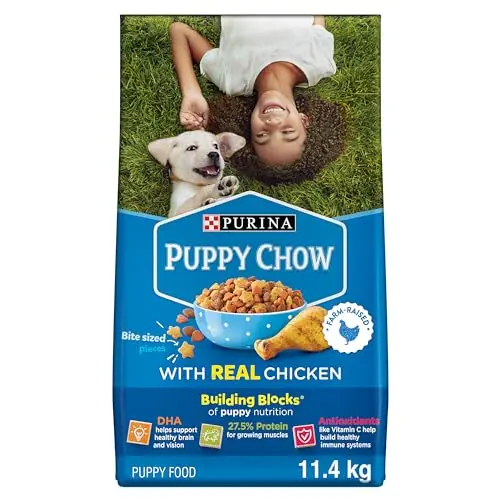
Puppy Chow Complete Chicken – Affordable All-Breed Nutrition
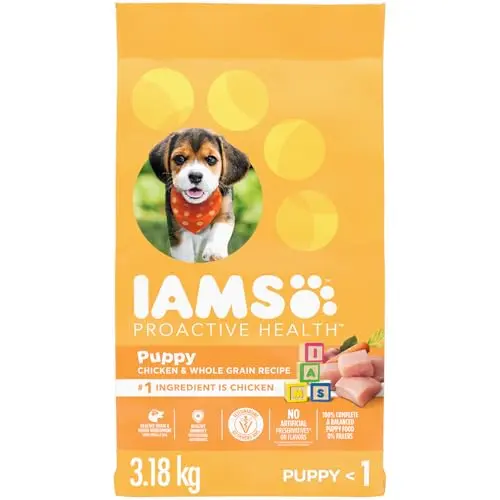
Proactive Health Puppy Chicken & Whole Grain – Trusted Value
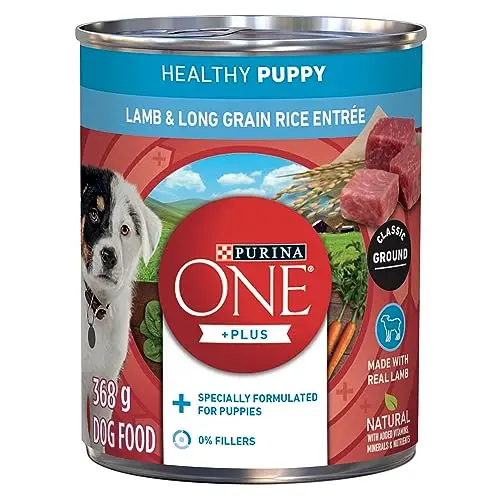
ONE +Plus Lamb & Rice Wet Food – Savoury Pate for Picky Pups
How We Evaluated These Foods for Shih Tzu Puppies
We did not conduct long-term feeding trials or veterinary nutritional analysis. What we did: cross-referenced 6 puppy food models from 6 distinct brands across 5 decision axes – ingredient quality, kibble size suitability, nutritional adequacy for small breeds, palatability, and overall value. We mapped published specifications, ingredient panels, and owner feedback where available against the specific needs of Shih Tzu puppies.
The scoring framework weighted real-world fit (60%) – how well each food matches the digestive sensitivity, jaw size, and growth demands of Shih Tzu puppies – against feature differentiation (40%) – unique advantages like live probiotics, tailored kibble texture, or breed-specific nutrient profiles. We have no commercial relationship with any of the brands featured; recommendations track fit and differentiation, not brand preference. If you want the best all-rounder, the Hill’s Science Diet Small & Mini is your match; if your puppy spits out every other bowl, Royal Canin Small Puppy is the saviour you need.
How to Choose the Right Food for Your Shih Tzu Puppy
Nutritional Needs of Shih Tzu Puppies
Shih Tzu puppies grow rapidly but they’re still tiny, which means they need nutrient-dense food that won’t overwhelm their small stomachs. Look for formulas with DHA for brain and eye development, and higher protein levels (at least 25%) to support muscle growth. Because this breed is prone to hypoglycaemia, frequent meals of high-quality food are a must. Steer clear of generic ‘all life stages’ foods – puppy-specific recipes have the precise calcium and phosphorus ratios for growing bones.
Why Kibble Size Matters for Small Breeds
A Shih Tzu puppy’s mouth is petite, with a flat face that makes grabbing and chewing large kibble a struggle. That’s why small-breed formulas with tiny, crunchy pieces aren’t just a gimmick – they’re a real quality-of-life feature. The Royal Canin Small Puppy and Hill’s Science Diet Small & Mini nail this with perfectly scaled kibble. Avoid foods labelled only for ‘medium’ or ‘large breed’ puppies – they can be a choking hazard or simply go uneaten.
Key Ingredients to Look for: DHA, Probiotics, and More
When comparing labels, prioritize animal protein sources like chicken, lamb, or fish as the first ingredient. DHA from fish oil is crucial for cognitive development, and many top picks include it naturally. Probiotics (like those in Purina Pro Plan) can help with the sensitive digestion Shih Tzus are known for. Antioxidants such as vitamins C and E support a developing immune system. Watch out for vague ‘meat meal’ and excessive fillers like corn gluten – they may upset tiny tummies.
Dry vs. Wet Food: What's Best for Your Shih Tzu Puppy?
Dry kibble is convenient, helps reduce plaque, and is typically more economical. But if your Shih Tzu puppy turns up its nose, a nutritious wet food like Purina ONE +Plus Lamb & Rice can be a lifesaver. Many owners mix a spoonful of wet food into kibble to boost palatability. Combination feeding gives you the best of both worlds: the oral benefits of crunch with the flavour boost of a savoury topper.
Budget-Friendly Options That Don't Skimp on Quality
You don’t always need a premium price tag to feed your Shih Tzu puppy well. Foods like Purina Puppy Chow Complete and IAMS Proactive Health offer solid nutrition at a fraction of the cost. They still provide DHA and adequate protein, though they may lack breed-specific kibble sizes or advanced probiotics. If your puppy has no digestive issues and you’re on a tight budget, these are worthy picks that thousands of Shih Tzu parents rely on.
Hill's vs. Royal Canin: Which Small-Breed Food Wins?
These two heavyweights both excel but in slightly different ways. Hill’s Science Diet Small & Mini offers a more affordable entry into premium small-breed nutrition with a strong whole-food ingredient panel. Royal Canin Small Puppy leans harder into breed-specific research and delivers a kibble texture that’s near-magical for getting picky eaters to chow down. If they were priced the same, Royal Canin would arguably edge ahead on palatability alone; in the real world, Hill’s delivers more value per bag. For most Shih Tzus, you can’t go wrong – but if your pup is a fussy eater, go Royal Canin.
Reading Dog Food Labels: A Quick Guide for Puppy Owners
Don’t be dazzled by marketing. Flip the bag over and check: AAFCO statement (must say it’s for growth/all life stages), guaranteed analysis (protein over 25%, fat around 15% for puppies), and the ingredient list (meat first, named fats, whole grains or vegetables). Avoid artificial colours, flavours, and preservatives. If the first ingredient is corn, wheat, or a meat by-product meal, keep looking. The best foods list real chicken, lamb, or fish right at the top, just like our top picks do.
Frequently Asked Questions
What's the difference between Hill's Science Diet Small & Mini and Royal Canin Small Puppy for a Shih Tzu puppy?
Both are excellent small-breed puppy foods, but the differences come down to price, palatability, and ingredient philosophy. Hill’s uses a wholesome recipe with chicken and brown rice, packing antioxidants and prebiotics at a more accessible cost. Royal Canin invests heavily in kibble design and clinical research to ensure maximum palatability and digestibility – a real advantage for delicate Shih Tzu tummies. In practice, Hill’s is the better value; Royal Canin is the ultimate picky-eater solution. Our top pick, the Hill’s Science Diet Small & Mini, works for most puppies, but if your Shih Tzu is a resolute food snob, go Royal Canin.
Is Purina Pro Plan Small Breed a good alternative to Hill's or Royal Canin?
Yes, it’s a strong middle ground. Purina Pro Plan Small Breed brings live probiotics to the table – a feature many owners credit for firmer stools and fewer digestive episodes. It’s also high in protein and uses real chicken as the first ingredient. While it doesn’t have the boutique reputation of Royal Canin, it often costs less and still delivers small, easy-to-chew kibble. For Shih Tzu owners who want a premium feel without the premium price, it’s our go-to alternative.
How can I tell if my Shih Tzu puppy has a sensitive stomach, and what food helps?
Look for signs like loose stools, vomiting, gas, or disinterest in food. Shih Tzus are prone to digestive sensitivity, so if you’re seeing these symptoms, consider a food with probiotics (like Purina Pro Plan) or prebiotics (like Royal Canin Small Puppy). Gradually transition over 7-10 days to any new food. A formula with limited ingredients and a single protein source can also help isolate triggers. If symptoms persist, consult your vet – it could be a food intolerance rather than just a sensitive stomach.
Can I feed my Shih Tzu puppy wet food instead of dry?
You can, but it’s better as a complement rather than a sole diet. Wet food like Purina ONE +Plus Lamb & Rice is highly palatable and hydrating, but exclusively wet feeding can lead to dental issues down the road. A mixed approach – kibble for crunch and plaque control, plus a spoonful of wet food for taste – gives your Shih Tzu the best of both worlds. Just adjust portions to avoid overfeeding.
How often should I feed my Shih Tzu puppy?
Young Shih Tzu puppies (8-12 weeks) need 4 small meals a day to maintain blood sugar levels. From 3-6 months, you can drop to 3 meals. By 6-12 months, twice daily is usually sufficient. Always follow the feeding guidelines on the bag based on weight, but monitor your puppy’s body condition – you should be able to feel but not see their ribs. Overfeeding is a common mistake with small breeds; a chubby puppy is not a healthy puppy.
Final Verdict
For most Shih Tzu puppies, the Hill’s Science Diet Small & Mini is the answer – it nails the tiny kibble size and brain-boosting DHA without overcomplicating things. If your puppy is a fussy eater, the Royal Canin Small Puppy is the palatability champion. Watching your wallet? The Purina Puppy Chow Complete delivers solid nutrition at a budget price. And when that little nose turns up at dry food, a spoonful of Purina ONE +Plus wet food will get the bowl licked clean. Whichever you choose, you’re giving your Shih Tzu a great start – just stick with a small-breed formula and those tail wags will tell you everything.