
Bringing home an English Bulldog puppy is a joy, but it comes with a learning curve – especially around feeding. These wrinkled charmers are famous for sensitive stomachs, and the wrong formula can mean gassiness, loose stools, or outright refusal to eat. A formula that works beautifully for a Labrador may not sit right with a brachycephalic breed.
The good news is that several puppy formulas are designed with digestibility and gut health in mind. In this guide, we compare four options that suit different stages – from newborn milk replacers to weaning foods – so you can pick the one that matches your pup’s age, tolerance, and your own priorities. No one brand has all the answers, but some clearly stand out for British Bulldogs.
Best Formulas for English Bulldog Puppies – 2026 Reviews
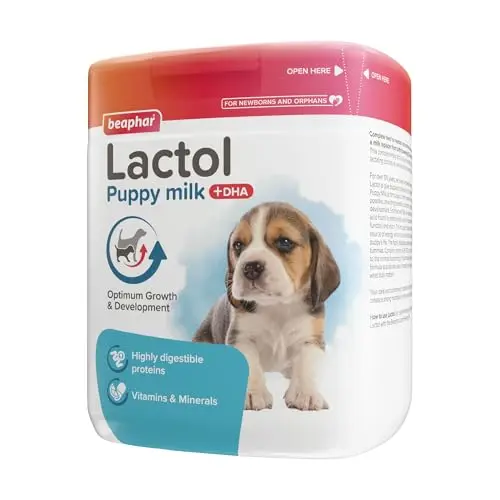
Lactol – Complete Milk Replacer
A time-tested complete milk replacement that uses easily digested whey to mimic mother’s milk. Suitable from birth through weaning, and gentle enough for puppies with touchy tummies.
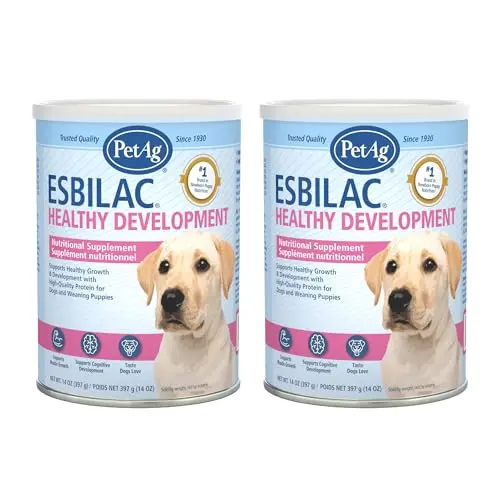
Esbilac 2nd Step – Gentle Weaning with DHA
A weaning-specific formula for puppies 4-8 weeks old, helping them transition from milk to solid food. It’s loaded with DHA for brain development and mixes into a smooth, lappable porridge.
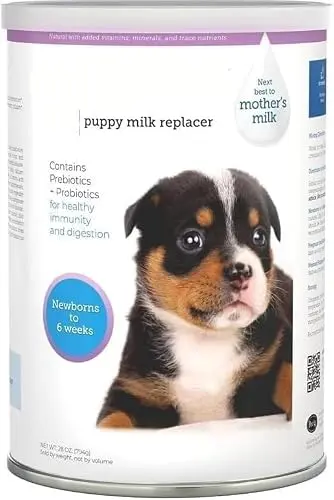
Esbilac Formula – Mother's Milk Profile
A straightforward milk replacer modeled after mother’s milk in both protein and fat, suitable for orphaned or nursing puppies that need a boost.
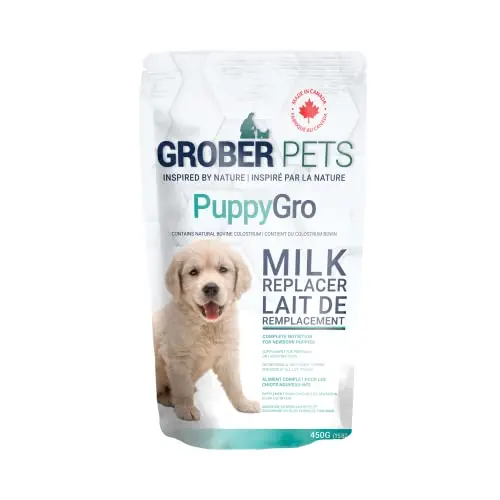
PuppyGro – Milk Replacer with Colostrum
A Canadian-made milk replacer that includes natural bovine colostrum to kick‑start a puppy’s immune system, plus a clean ingredient list.
How We Evaluated These Formulas for English Bulldog Puppies
We didn’t run these through a kennel full of English Bulldog puppies – that kind of controlled feeding trial is beyond the scope of this guide. Instead, we cross-referenced 4 puppy formula models from 4 distinct brands across 6 decision axes: digestibility, ingredient quality, nutrient profile, ease of mixing, breed-specific suitability, and immune support. We triangulated published specifications, aggregated owner feedback where available, and weighted each product’s fit for the unique needs of a brachycephalic, often sensitive‑stomached breed.
The scoring framework was built on real‑world suitability (60%) – how well a formula’s design and reported outcomes match what English Bulldog puppies actually need – against feature differentiation (40%), such as unique ingredients like colostrum or stage‑specific formulations. We have no commercial relationship with any of the brands featured; our recommendations reflect which option delivers the best combination of digestive ease and growth support. If you’re bottle-feeding newborns, the Beaphar Lactol is the top pick; if you’re transitioning weaned pups, the Esbilac 2nd Step is purpose‑built for that job.
How to Choose the Right Formula for English Bulldog Puppies
Digestibility is the Top Priority for English Bulldogs
English Bulldogs are notorious for having sensitive digestive systems. That short, wide head – adorable, yes – also means they often gulp air and are prone to flatulence and stomach discomfort. A formula that’s heavy on casein (a milk protein) or loaded with fillers can turn into a bloated, unhappy pup. The best formulas for bulldogs use whey‑based proteins or natural milk proteins that break down easily, reducing the odds of loose stools or refusal to eat. When comparing products, look for words like highly digestible or ultra-filtered whey in the description – that’s your signal that the manufacturer has prioritized gut comfort.
Key Ingredients That Support a Bulldog Puppy's Growth
Because English Bulldog puppies grow rapidly in their first eight weeks, a formula’s nutrient density matters. DHA (docosahexaenoic acid), an omega‑3 fatty acid, is added to some products to aid brain and vision development – particularly useful during the weaning window. Meanwhile, natural bovine colostrum, as found in the Grober PuppyGro, may give a puppy’s fledgling immune system an early assist by providing antibodies. Then there’s the fat‑protein‑carbohydrate balance: a mix that mimics the caloric split of mother’s milk helps ensure steady weight gain without unnecessary strain. When you see a formula bragging about a mother’s milk profile, that’s a good sign it’s been designed, not just assembled.
Newborn vs. Weaning: Pick the Right Stage for Your Bulldog Litter
Not all puppy formulas are interchangeable. If you’re handling orphaned newborns or supplementing a large litter, you need a complete milk replacer like Beaphar Lactol or the Esbilac Formula. These are designed to be the sole source of nutrition from day one. But once puppies are up on their feet and lapping from a bowl at around 4 weeks, a weaning‑specific product like PetAg Esbilac 2nd Step becomes appropriate. It’s lower in some fats and higher in certain nutrients that ease the transition to solid food. Using a weaning formula for a newborn won’t cut it, and forcing a newborn replacer during weaning can be overkill – so match the product to the age. For English Bulldog breeders, having both on hand isn’t a bad idea.
Comparing Popular Options: Lactol vs. Esbilac 2nd Step
These two are often on a short list, but they serve different purposes. The Beaphar Lactol is a full milk replacer usable from birth, with a whey‑based recipe that’s especially gentle on delicate bulldog tummies. The Esbilac 2nd Step is a weaning formula only – you’d never feed it to a day‑old puppy. It excels between 4‑8 weeks, carrying DHA and a texture that encourages lapping. So the choice isn’t really about which is better, but about which stage you’re feeding. If you need an all‑in‑one, go with Lactol; if you’re in the home‑stretch of milk feeding, the 2nd Step will make the kibble hand‑off smoother.
Mixing, Storage, and Daily Prep Tips for Bulldog Puppy Care
With a breed that can be picky about texture, how you mix the formula matters. Always use warm water (not hot) and whisk or shake the powder thoroughly – lumps can turn a puppy off and cause choking risks. Most brands recommend mixing only what you’ll use within 24 hours to keep bacteria at bay. Store opened cans in a cool, dry place and seal tightly; PuppyGro’s can, for instance, has a resealable lid that helps. If you’re bottle‑feeding, watch for air intake – burping a bulldog puppy after each feeding can significantly reduce gas. And don’t be afraid to add a little extra water during the first few feedings to thin out the consistency, which can help hesitant pups latch onto the taste.
Frequently Asked Questions
Do English Bulldog puppies need a special formula?
They don’t absolutely require a breed‑specific label, but they do benefit from a formula designed for easy digestion. English Bulldogs are brachycephalic, meaning they have short airways and often gulp air while eating. This, combined with a tendency toward food sensitivities, means a standard formula that relies on heavy casein proteins may lead to more gas and loose stools. A whey‑based or natural‑milk‑protein replacer like Beaphar Lactol tends to be better tolerated because it breaks down faster. Also, supplements like DHA and colostrum – found in the Esbilac 2nd Step and Grober PuppyGro, respectively – can support development in ways that matter for any puppy, but are especially welcome for a breed that can be a bit more delicate in its early weeks.
What's the difference between Beaphar Lactol and PetAg Esbilac 2nd Step?
Think of Lactol as a newborn through weaning solution, while 2nd Step is strictly a weaning‑phase product. Lactol is a complete milk replacer that can be used from day one; it’s based on ultra‑filtered whey and closely matches mother’s milk in nutrient balance. The PetAg Esbilac 2nd Step is meant for puppies 4‑8 weeks old who are already lapping from a bowl – it introduces the concept of solid food and includes DHA for brain development. So if you’re bottle‑feeding a tiny bulldog, reach for Lactol. If your litter has hit the one‑month mark, the 2nd Step will take over smoothly. They’re not direct competitors; they complement each other in a complete feeding program.
How does Grober PuppyGro compare to Esbilac Formula?
Both are milk replacers suitable from birth, but their standout features differ. The Esbilac Formula (generic packaging) focuses on matching the caloric profile of mother’s milk – excellent for steady weight gain. Grober PuppyGro goes a step further by adding natural bovine colostrum, which delivers early antibodies to help jump‑start the immune system. For an English Bulldog litter, that extra immune support might give you peace of mind, especially in the first two weeks of life when they’re most vulnerable. In terms of mixing and palatability, both perform well, though PuppyGro’s Canadian sourcing and environmental packaging may tip the scale for some buyers.
Can I use the same formula from birth through weaning?
Technically, yes – if you choose a complete milk replacer like Lactol or the Esbilac Formula, you can continue using it right up until the puppies are fully on solid food. However, as puppies grow, their nutritional needs shift slightly. Some breeders prefer to switch to a weaning‑specific product at 4 weeks because it encourages lapping, adds texture for kibble training, and may contain ingredients like DHA that support this next stage. There’s no harm in sticking with one formula, but stage‑matched feeding often leads to a smoother transition and less digestive stress for bulldog pups who are already prone to tummy trouble.
Final Verdict
For most English Bulldog puppies, the Beaphar Lactol is the safe bet – it’s a complete milk replacer with a whey‑based recipe that’s proven gentle on sensitive stomachs. If you’re in the weaning window and want a product fine‑tuned for that transition, the Esbilac 2nd Step is purpose‑built for the job and packs in DHA. For an extra immune boost right out of the gate, the Grober PuppyGro brings colostrum to the table – a clever pairing with a breed that sometimes needs a little backup. Pick based on your puppy’s age and your own priorities, but all three have earned their place in a bulldog nursery.