
Small dogs bring big personality, but their nutritional needs are anything but. A Chihuahua’s metabolism races faster than a Labrador’s, and a Yorkie’s jaw isn’t built for giant kibble. The right hard food-dry, crunchy kibble-delivers concentrated energy in a form these pint-sized pups can actually chew and digest. Get it wrong, and you risk weight gain, finicky eating, or tummy troubles that are far too common in toy and miniature breeds.
This guide digs into the dry dog foods formulated specifically for small adults. We surveyed options across major brands-comparing kibble size, protein density, digestive support, and ingredient quality-to help you pick a hard food that keeps your small companion thriving. Whether you’re managing a sensitive stomach, watching those extra grams, or just looking for a reliable everyday kibble, we’ve got picks that fit the bowl.
Best Hard Dog Foods for Small Dogs – 2026 Reviews
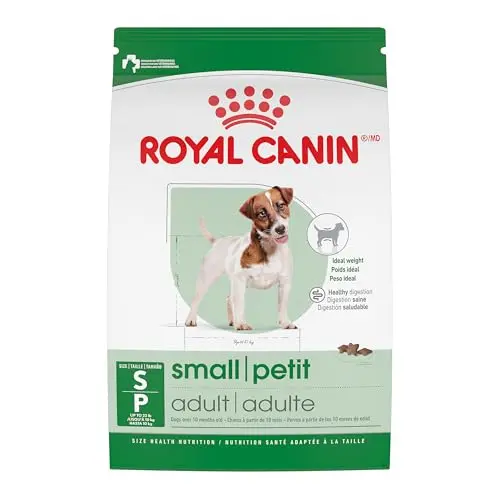
Small Breed Adult Dry Food – Weight & Digestive Support
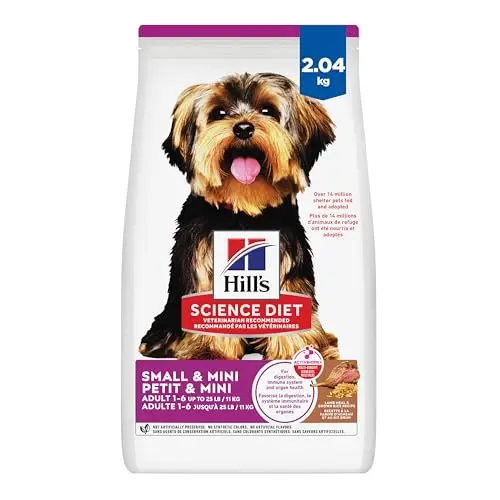
Small & Mini Lamb & Rice – Digestive Health & Balanced Energy
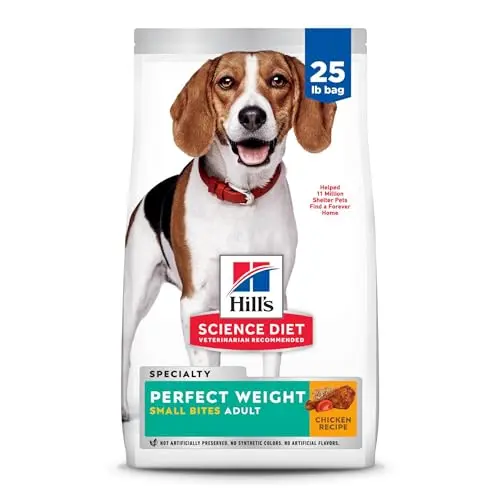
Perfect Weight Small Bites – Clinically Proven Weight Management
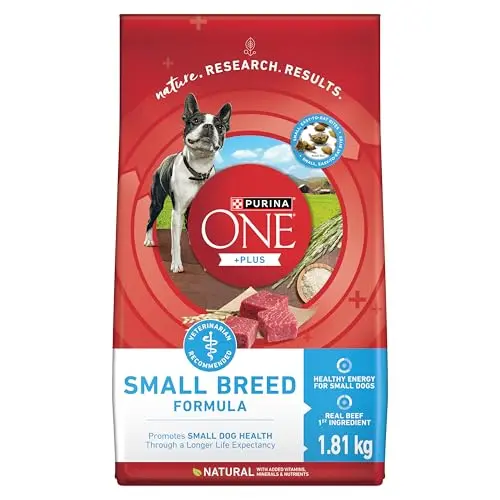
Small Breed with Beef – High-Protein Immune Support
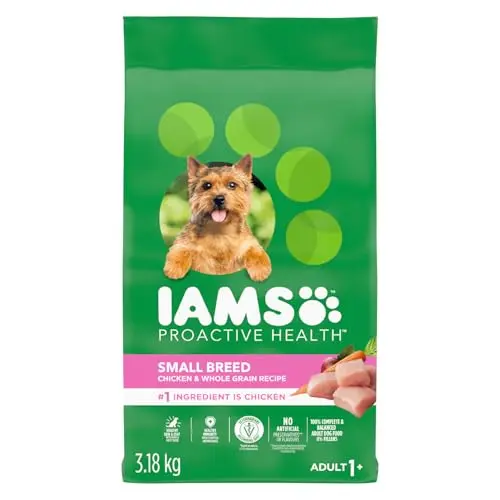
Adult Small Breed Chicken & Whole Grain – Digestive Health in 10 Days
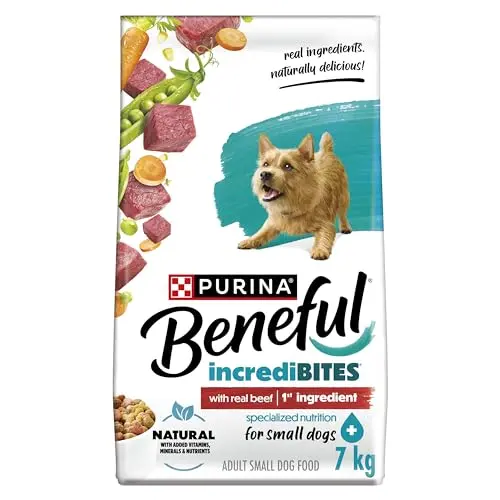
IncrediBites with Real Beef – Tender & Crunchy Small Bites
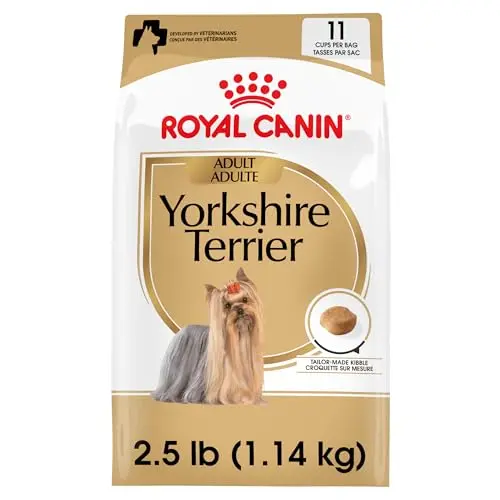
Yorkshire Terrier Adult – Breed-Specific Kibble & Skin Health
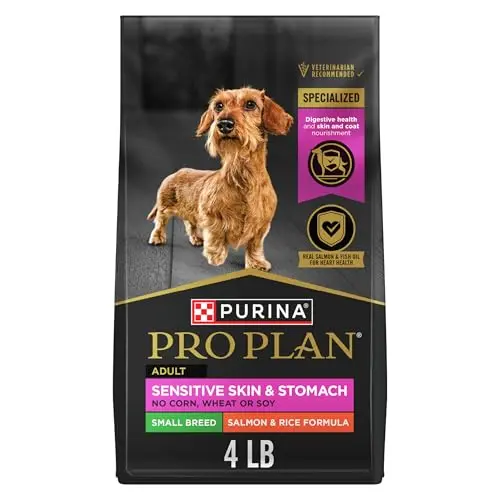
Sensitive Skin & Stomach Small Breed – Salmon & Rice Formula
How We Evaluated These Hard Dog Foods for Small Dogs
We didn’t run long-term feeding trials or veterinary health checks. What we did: cross-referenced 8 dry dog foods from 6 distinct brands across 6 decision axes – kibble size, protein content, digestive support, skin & coat health, weight management, and ingredient quality. We triangulated published nutritional information, ingredient lists, aggregated owner feedback where available, and use-case fit for small-breed adult dogs. The scoring framework weighted real-world performance (60%) – how well each formula meets the energy, digestive, and dental needs of small dogs – against feature differentiation (40%) – unique recipe advantages like clinical weight loss data or breed-specific kibble shapes. We have no commercial relationship with any of the brands featured; recommendations track fit and differentiation, not brand preference. If you’re looking for a reliable all-rounder, the Royal Canin Small Breed Adult is our top pick; for a budget-friendly yet protein-rich alternative, the Purina ONE Small Breed delivers impressive value.
How to Choose the Right Hard Dog Food for Small Dogs
Why Choose Hard Food (Dry Kibble) for Small Dogs?
Dry kibble offers practical advantages for small breeds. The crunchy texture helps reduce plaque and tartar buildup, which is critical because toy and miniature dogs are disproportionately prone to dental disease. Hard food is also calorically dense-important when a Chihuahua or Pomeranian needs a lot of energy in a small volume. Unlike wet food, kibble can be left out longer without spoiling, suiting the free-feeding habits of some small dogs. And from a cost and storage perspective, it’s simply easier to manage. The key is finding a formula with kibble small enough for tiny jaws, because even the best nutrition means nothing if your dog struggles to chew it.
Kibble Size: A Critical Factor for Small Breeds
Small dogs have small mouths, and their kibble needs to match. A piece that’s too large becomes a choking hazard or simply gets ignored, leading to frustration and potential nutrient gaps. Look for bags labeled ‘small bites,’ ‘mini,’ or ‘small breed’ – these kibbles are typically 6-8mm in diameter, easy to pick up and crush. Products like the Royal Canin Small Breed even engineer the shape to encourage chewing, which mechanically cleans teeth. If you’re transitioning from an all-breed formula, the change in kibble size alone can dramatically improve your dog’s enthusiasm at mealtime.
Protein and Calorie Needs of Small Dogs
Small breeds burn calories faster per kilogram of body weight than large breeds, so they need a protein-rich, high-energy diet to maintain muscle and fuel their metabolic rate. Look for foods with real meat (beef, chicken, salmon, lamb) as the first ingredient, and a protein content of at least 25% on a dry matter basis. However, portion control is equally important; small stomachs can’t handle oversized meals, and these dogs gain weight easily. Formulas like the Hill’s Perfect Weight Small Bites balance higher protein with controlled calories, while Purina ONE’s beef recipe packs 27g of protein per cup without excessive fat.
Digestive Health and Common Food Sensitivities
Sensitive stomachs are common in toy breeds, often manifesting as loose stools, gas, or intermittent refusal to eat. Ingredients like pumpkin, prebiotic fibers, and easily digestible grains (oatmeal, rice) can make a world of difference. Hill’s Science Diet Small & Mini includes pumpkin and a carefully selected fiber blend, while Purina Pro Plan’s Sensitive Skin & Stomach formula uses oatmeal and salmon to avoid common triggers. IAMS’ Small Breed recipe goes so far as to guarantee optimal digestion within 10 days-a claim backed by controlled feeding trials. When trying a new food, always transition over 7-10 days to give the gut time to adjust.
Ingredients to Look For and Avoid in Small Breed Formulas
Prioritize foods with named meat proteins (e.g., ‘chicken meal,’ ‘lamb meal’) and omega fatty acids (fish oil, flaxseed) for skin and coat-small dogs can be prone to dry, flaky skin. Biotin and zinc are also beneficial. Steer clear of vague meat by-products, artificial colours, and excessive fillers like corn gluten that bulk up the kibble without meaningful nutrition. All our top picks avoid artificial flavours and preservatives. Also, if your dog has known allergies, a single-protein food like the salmon-based Pro Plan can help isolate triggers.
Comparing Popular Small Breed Hard Foods
When you line up the leaders-Royal Canin Small Breed, Hill’s Science Diet Small & Mini, Purina ONE, and IAMS-you’ll find genuine trade-offs. Royal Canin excels with its kibble engineering and weight management but costs more. Hill’s brings veterinary-formulated digestive support and a trusted lamb recipe. Purina ONE delivers high protein at an approachable price, while IAMS offers a 10-day digestion promise at a mid-range cost. For specialized needs, Hill’s Perfect Weight dominates weight loss, and Purina Pro Plan leads for sensitivities. There’s no one perfect food-the best choice depends on your dog’s unique blend of appetite, stomach sensitivity, and body condition.
Frequently Asked Questions
What's the difference between Royal Canin Small Breed and Hill's Science Diet Small & Mini?
Both are excellent, but they prioritize differently. Royal Canin focuses on kibble shape and targeted nutrients: its small, uniquely textured pieces are designed to encourage chewing and reduce dental issues, and the formula includes L-carnitine for weight maintenance and EPA/DHA for coat health. Hill’s leans more on digestive support and ingredient quality-its lamb and rice recipe features pumpkin and a gentle fiber blend, making it a favourite for dogs with sensitive stomachs. Hill’s also benefits from strong veterinary endorsement. Choose Royal Canin if your dog is a picky eater or needs weight help; pick Hill’s if digestive consistency is the top priority.
Is hard food better than wet food for small dogs?
Hard food isn’t inherently better, but it offers distinct advantages for small breeds. The crunchy texture helps scrape plaque off teeth, reducing the risk of dental disease that plagues toy breeds. Kibble is also more calorie-dense, delivering necessary energy in smaller portions-important for tiny stomachs. It’s easier to store, often cheaper, and doesn’t spoil quickly. However, wet food can be useful for dogs with dental pain or those who need extra hydration. Many owners feed a mix, using kibble as the primary nutrition and wet food as a topper or treat. For overall convenience and dental benefits, a high-quality hard food is the foundation most small dogs thrive on.
What should I look for in a hard dog food for small breeds?
Start with kibble size-it must be small enough for your dog’s mouth (6-8mm is ideal). Then check the first ingredient: a named meat protein (chicken, beef, salmon, lamb) indicates quality. Look for a protein content of at least 25% (dry matter) and added omega-3 and omega-6 fatty acids for skin and coat. Avoid vague by-products and artificial additives. If your dog has a sensitive stomach, seek out easily digestible ingredients like pumpkin, oatmeal, or rice. Finally, consider life stage and any specific needs-weight management, breed-specific formulations, or sensitivities. The Royal Canin Small Breed or Hill’s Small & Mini are strong, well-rounded starting points.
Can weight management formulas be used for all small dogs?
Yes, but only if your dog truly needs to shed kilos. Weight management foods like Hill’s Perfect Weight Small Bites are safe for maintenance once a healthy weight is reached, but they’re lower in calories-so active, lean dogs might lose too much muscle. These formulas are clinically proven, with ingredients like L-carnitine to preserve muscle during fat loss. If your small dog is already at an ideal weight and activity level, a standard small-breed formula (like Royal Canin or Purina ONE) will provide the higher calorie density they need. Use weight management food only under veterinary guidance for overweight dogs.
Are breed-specific dry foods like Royal Canin Yorkshire Terrier worth it?
For certain breeds, yes. The Royal Canin Yorkshire Terrier formula is a perfect example: it addresses a Yorkie’s tiny jaw with an ultra-specific kibble shape, targets their predisposition to dry skin with biotin and borage oil, and supports the breed’s long lifespan with early aging nutrients. However, if you don’t own that exact breed, a general small-breed food will serve you better and more economically. Breed-specific foods are hyper-focused solutions worth the premium if you want to cater to a breed’s known weaknesses. For mixed small breeds or less specialized needs, a top-tier small-breed formula like Hill’s or Purina ONE offers broader, equally excellent nutrition.
Final Verdict
For the majority of small adult dogs, the Royal Canin Small Breed Adult is the hard food to beat. It combines a genuinely chewable kibble design, weight-maintenance support, and coat-boosting nutrients in one reliable bag. If your little companion is carrying a few extra ounces, Hill’s Perfect Weight Small Bites brings clinical weight-loss credibility without sacrificing taste. Budget-conscious owners will find Purina ONE Small Breed punches well above its price, and for dogs with itchy skin or finicky digestion, Purina Pro Plan Sensitive offers targeted relief. Whichever you choose, you’re giving your small dog the crunchy, nutrient-dense diet their fast metabolism demands.