
Large dogs come with outsized personalities-and outsized nutritional needs. Whether you share your home with a gentle Great Dane or a boisterous Labrador, the food you pour into the bowl plays a starring role in everything from joint longevity to digestive comfort. But with an aisle’s worth of options all claiming to be ‘healthy,’ picking the right one can feel more overwhelming than a walk with a pulling pup.
We cut through the noise by focusing on formulas purpose-built for large breeds-those that go beyond basic nutrition to tackle the big-dog issues: joint support, controlled calorie loads, and easy digestion. In this guide, we compare standout dry foods across several brands to help you find the match that keeps your gentle giant thriving, not just surviving. No single brand dominates the list; each pick earned its spot based on what it brings to the bowl for specific priorities.
Best Healthy Dog Foods for Large Dogs – 2026 Reviews
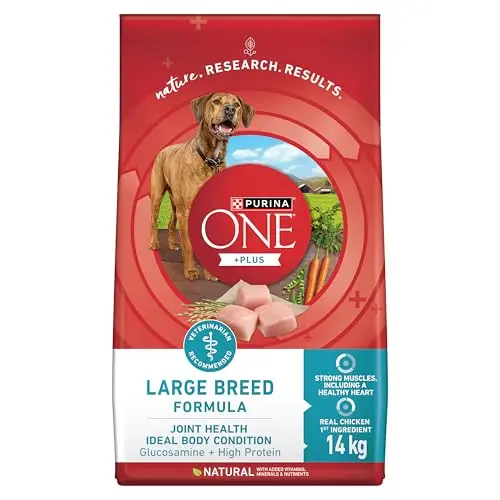
+Plus Large Breed with Chicken – All-Around Nutrition for Big Dogs
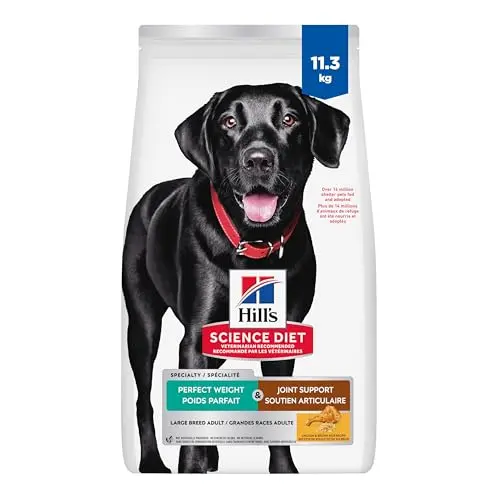
Perfect Weight & Joint Support Large Breed – Weight Management Meets Mobility
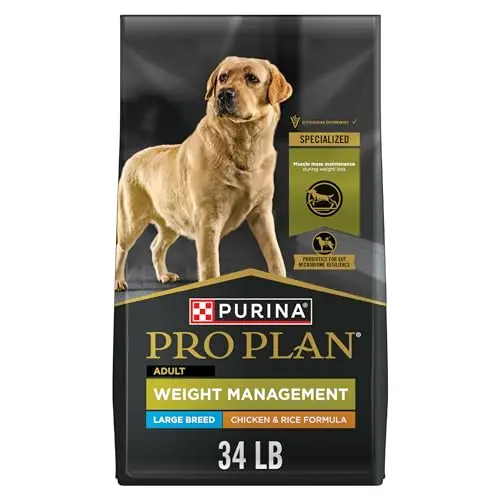
FOCUS Weight Management Large Breed – Lean Muscle, Joint Care
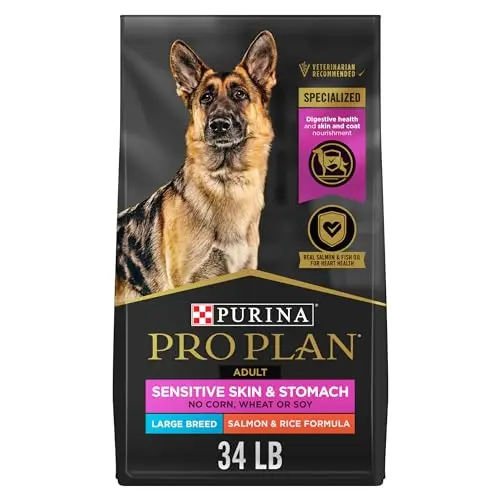
Sensitive Skin & Stomach Salmon & Rice – Gentle Digestion, Shiny Coat
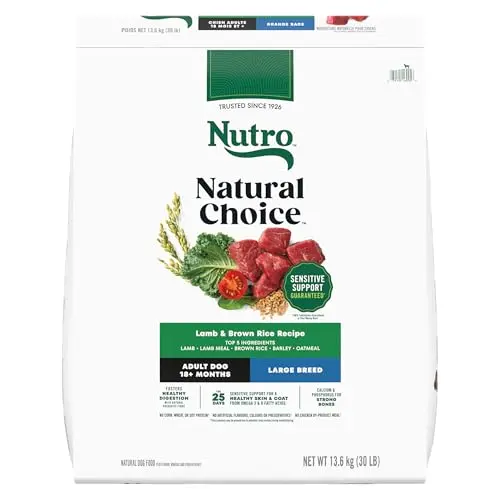
Natural Choice Large Breed Lamb & Rice – Wholesome Lamb for Healthy Joints
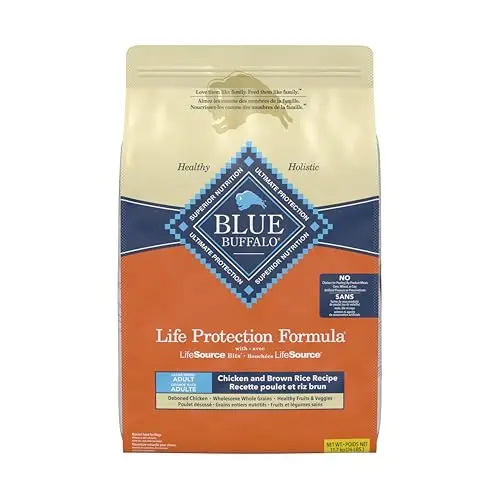
Life Protection Large Breed Chicken & Brown Rice – Antioxidant-Rich Staple
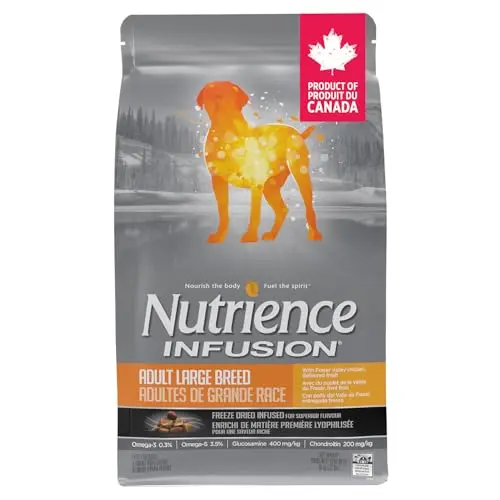
Infusion Large Breed – Freeze-Dried Liver & Low-Glycemic Grains
How We Evaluated These Healthy Dog Foods for Large Dogs
We didn’t run feeding trials in a kennel or commission lab digestibility tests. What we did: cross-referenced 7 large-breed dry dog foods from 6 distinct brands across 6 critical health dimensions-joint support ingredients, protein quality and source, digestive health aids (prebiotics and probiotics), fatty acid profiles for skin and coat, calorie control and weight management features, and use of natural vs. artificial additives. We triangulated published nutritional specifications, assessed ingredient panels against AAFCO standards, absorbed owner feedback signals where available, and evaluated each formula’s real-world fit for typical large-breed priorities.
The scoring framework weighted real-world nutritional performance (60%)-how well a food delivers on its joint, digestive, and weight promises-against feature differentiation (40%)-unique ingredients, specific health claims, and formula innovation. We have no commercial relationship with any of the brands featured; recommendations track nutritional fit, not loyalty. If your big dog needs all-around nutrition that won’t break the bank, the Purina ONE +Plus Large Breed is the one to beat. If joint support and weight loss are the top priorities, the Hill’s Science Diet Perfect Weight & Joint Support is purpose-built for that challenge.
How to Choose the Right Healthy Dog Food for Large Dogs
Why Large Breed Dogs Need Specialized Nutrition
Large and giant breed dogs-those tipping the scales over 55 pounds-aren’t just bigger versions of their smaller cousins. Their rapid growth rates, heavy frames, and deeper chests create unique nutritional demands. Calorie density must be carefully managed; too much energy can fuel accelerated growth that strains developing joints, while too little can starve a giant pup. A healthy dog food for large breeds balances protein, fat, and key micronutrients to support a slower, steadier growth curve and a longer, healthier adulthood.
Joint Support: Glucosamine, Chondroitin, and Omega-3s
Hip and elbow dysplasia are constant worries for large-dog owners. That’s why the best formulas incorporate glucosamine and chondroitin-sometimes naturally from meat meals, sometimes as added supplements-to help maintain cartilage and cushion aging joints. Omega-3 fatty acids, especially EPA from fish oil, provide anti-inflammatory support that can ease stiffness. When comparing labels, look for these compounds in the guaranteed analysis or ingredient list. The Hill’s Science Diet Perfect Weight & Joint Support is a standout here, with targeted levels for mobility.
Digestive Health: Prebiotics, Probiotics, and Fibre
Big dogs often come with sensitive stomachs-bloat, soft stools, or outright allergies can plague daily life. Prebiotic fibres like beet pulp or wheat bran feed the good gut bacteria, while live probiotics (often sprayed on kibble after cooking) add direct microbial support. Easily digestible carbohydrate sources like oatmeal or brown rice are gentler on the GI tract than cheaper fillers. For large breeds with frequent tummy troubles, a formula like the Purina Pro Plan Sensitive Skin & Stomach uses salmon and oatmeal to dial down irritation.
Protein Quality: What's the First Ingredient?
The first ingredient tells you a lot. Real, named meat-chicken, lamb, salmon-signals a high-quality protein source that supplies the amino acids large muscles demand. Avoid foods where the first ingredient is a vague meat meal or a carbohydrate grain. Whole meats contain water and shrink during processing, so they’re often followed by a concentrated meat meal that boosts protein percentage. Look for both to ensure a robust amino acid profile. The Purina ONE +Plus Large Breed leads with real chicken, backed by other protein sources for a strong 26% protein minimum.
What Does 'Healthy' Actually Mean on a Dog Food Label?
‘Healthy’ isn’t a regulated term in pet food, so you need to decode it. For large breeds, a healthy dog food should check these boxes: no artificial colours, flavours, or preservatives; a named animal protein source first; a balance of omega-3 and omega-6 fatty acids for skin and coat; and recognizable, whole-food ingredients like fruits, vegetables, and whole grains. Some brands, like Nutro, emphasize clean labels with no artificial additives, while others, like Blue Buffalo, fortify with antioxidant-rich bits. The key is matching the label philosophy to your dog’s specific needs-a healthy food for a sedentary senior is different from one for an active adolescent.
Weight Management vs. Maintenance Formulas: Which Does Your Big Dog Need?
Large breeds are prone to obesity, which compounds joint stress. Weight management formulas contain fewer calories per cup and an optimized protein-to-fat ratio to help shed extra kilograms without losing muscle. Maintenance formulas, on the other hand, target a stable adult weight with balanced macros. If your vet has flagged a weight issue, the Purina Pro Plan FOCUS Weight Management is built precisely for that, with live probiotics to aid the transition. Otherwise, a maintenance recipe like the Purina ONE Large Breed keeps a healthy-weight dog in good shape.
Kibble Size: More Than Just Mouthfeel
Large dog food isn’t just a scaled-up version of small-breed kibble-the physical size and texture matter. Larger kibble pieces encourage chewing, which releases enzymes and slows down eating, reducing bloat risk in deep-chested breeds. Many large-breed formulas feature a distinct, hearty shape that feels satisfying to crunch. The Hill’s Science Diet Perfect Weight and Purina ONE Large Breed both use big, porous nuggets. If your dog inhales food, steer toward these larger shapes and consider a slow-feeder bowl as a backup.
Frequently Asked Questions
What makes a dog food 'healthy' for large breeds?
A healthy large-breed dog food goes beyond meeting AAFCO minimums. It includes joint-supporting nutrients like glucosamine and chondroitin, high-quality named animal proteins at the top of the ingredient list, digestible carbohydrates like oatmeal or brown rice, and essential fatty acids for skin and coat. It should also avoid artificial additives, fillers like corn or soy (unless whole and non-GMO), and excessive calories that can accelerate unhealthy growth. Look for labels that list omega-3s, probiotics, and natural preservatives like mixed tocopherols.
Do large breed dogs really need different food than smaller dogs?
Yes, and the reasons go beyond kibble size. Large and giant breeds face a higher risk of orthopedic issues like hip dysplasia, so they benefit from a controlled calcium-to-phosphorus ratio and added joint supplements. Their metabolisms are slower per pound, meaning calorie-dense foods can quickly lead to obesity. Foods formulated for large breeds also typically contain lower fat and tailored levels of protein to support lean muscle without overloading the skeleton. While a small-breed food won’t poison a big dog, it’s not optimized for their long-term health.
What's the difference between the Purina ONE Large Breed and Purina Pro Plan Sensitive Skin & Stomach Large Breed?
Both are excellent choices but cater to different needs. The Purina ONE +Plus Large Breed is a general-purpose, chicken-first formula with glucosamine, antioxidants, and a moderate price point-ideal for healthy adults. The Purina Pro Plan Sensitive Skin & Stomach Large Breed swaps chicken for salmon as the top ingredient and adds oatmeal for gentle digestion, plus higher levels of omega-6s for skin. It’s the go-to for dogs with food sensitivities or itching. So if your big dog handles chicken fine, the ONE is a value all-rounder; if they’re prone to digestive or skin flares, the Pro Plan is worth the upgrade.
How does the Hill's Science Diet Perfect Weight compare to the Purina Pro Plan Weight Management for large dogs?
Both are weight-loss champions, but they approach it differently. Hill’s Perfect Weight & Joint Support explicitly ties weight control to joint health, with a larger kibble and glucosamine/chondroitin levels tuned for mobility-plus a 10-week visible results study backing it. Purina Pro Plan FOCUS Weight Management emphasizes a high protein-to-fat ratio to preserve muscle during dieting and includes guaranteed live probiotics for digestive support. The Hill’s formula is a better fit if joint issues are the primary concern; the Pro Plan shines if your dog needs calorie restriction while maintaining muscle mass and gut health.
Are grain-free formulas better for large dogs?
Not necessarily. While grain-free diets gained popularity, the FDA has investigated a potential link between certain grain-free foods and dilated cardiomyopathy (DCM) in dogs. For large breeds, especially those prone to heart issues, there’s no clear evidence that grains are harmful-and whole grains like brown rice and oatmeal can provide valuable fibre and steady energy. Unless your dog has a verified grain allergy, a formula with wholesome grains is typically a safe, healthy choice. All of our top picks include grains and are well-tolerated by most large breeds.
Final Verdict
For the vast majority of large-breed dogs and their owners, the Purina ONE +Plus Large Breed with Chicken is the pick-it nails joint care, coat health, and digestive balance at a price that feels sane. If your big dog is carrying extra weight or starting to show stiffness, upgrade to the Hill’s Science Diet Perfect Weight & Joint Support for a two-in-one solution. For those with sensitive tummies or chronically itchy skin, the Purina Pro Plan Sensitive Skin & Stomach is the gentlest reset. And if weight management alone is the priority, the original Purina Pro Plan FOCUS Weight Management delivers science-backed results. Whichever route you take, your gentle giant will thank you with a healthier, happier life.