
That moment when your small dog stares up at you, tail wagging, and you reach for a treat – it should feel good. But with so many options on the shelf, it’s easy to grab a bag that’s packed with fillers, artificial stuff, or chunks too big for a miniature muzzle. A truly healthy treat for a small breed isn’t just about the ingredient list; it’s about portion size, texture, and whether it actually supports your dog’s well-being.
We surveyed the market to find treats that get both parts right: genuinely nutritious and perfectly sized for petite pups. The picks ahead range from single-ingredient chews to dental-focused daily rewards, and each one earned its spot by balancing health cred with small-dog practicality. Whether you’re looking for a low-calorie training nibble or a lasting chew to keep tiny teeth clean, this guide breaks down what matters and which brands deliver.
Best Healthy Small Dog Treats – 2026 Reviews
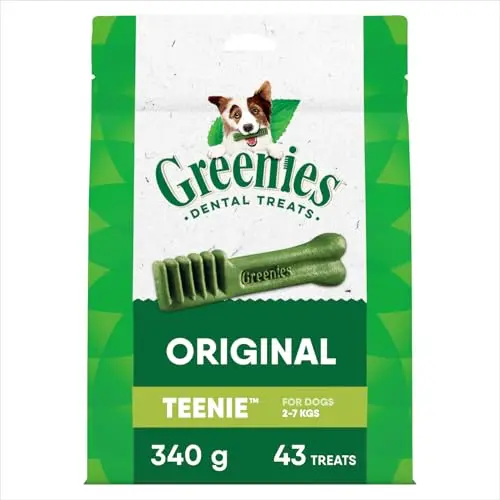
Original Teenie Dental Chews – Natural Oral Care
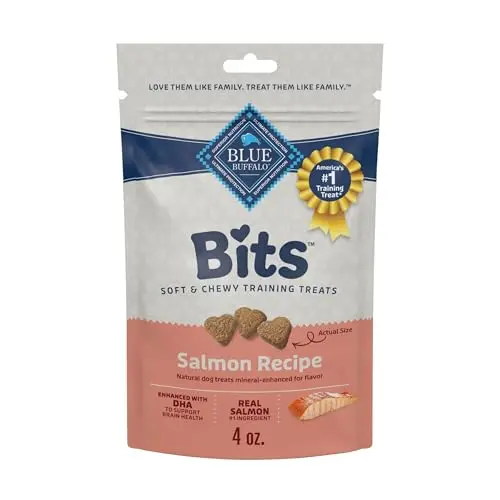
BLUE Bits Salmon Recipe – Bite-Sized Training Treats
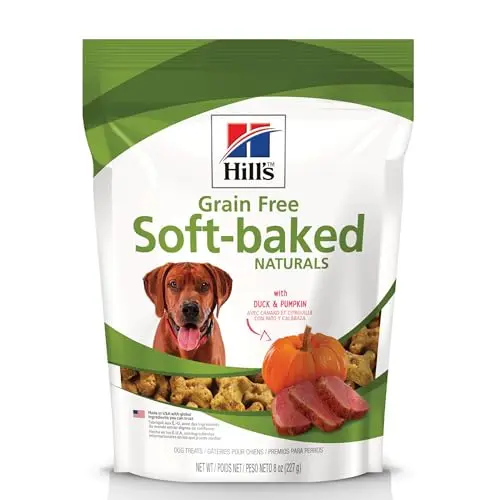
Soft-Baked Naturals with Duck & Pumpkin – Grain-Free Soft Treat
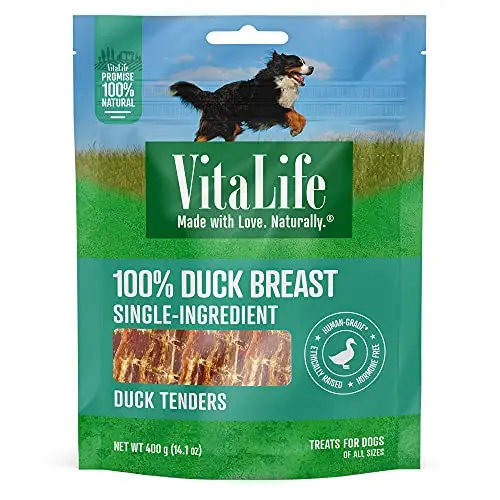
Duck Tenders – Hand-Crafted Single Ingredient
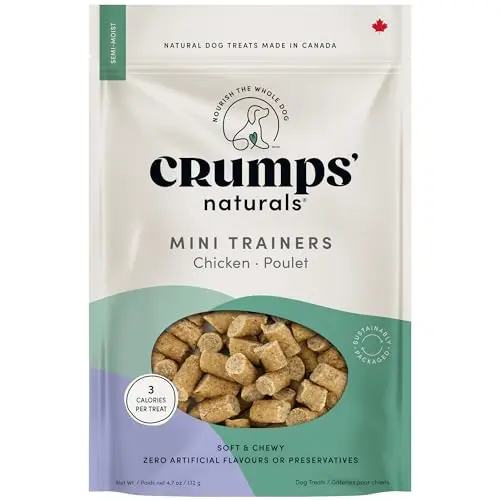
Chicken Mini Trainers – Low-Calorie Training Bits
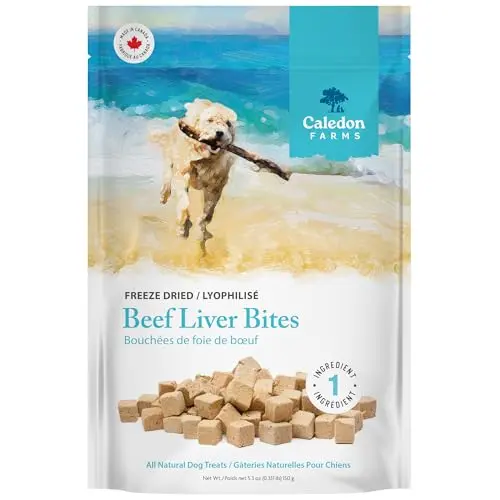
Beef Liver Bites – Freeze-Dried Single-Ingredient
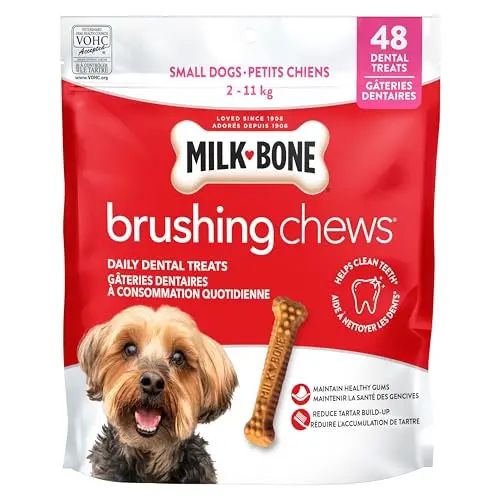
Brushing Chews for Small Dogs – Tartar Control Twists
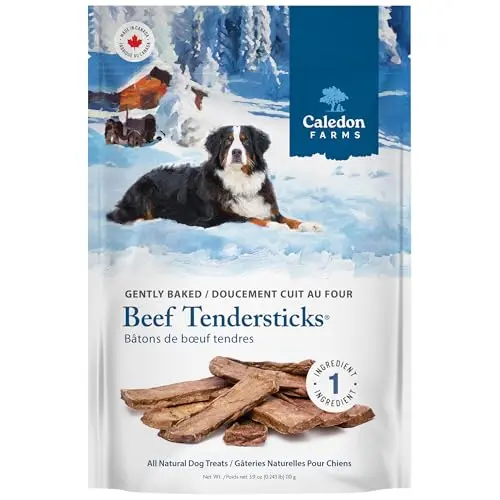
Beef Tendersticks – Single-Ingredient Protein Chew
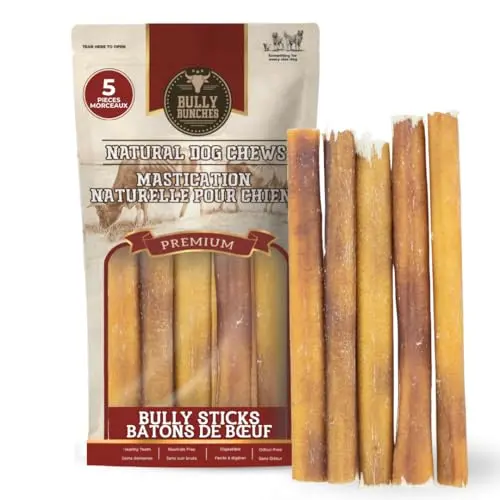
6" Standard Bully Sticks – Long-Lasting Dental Chew
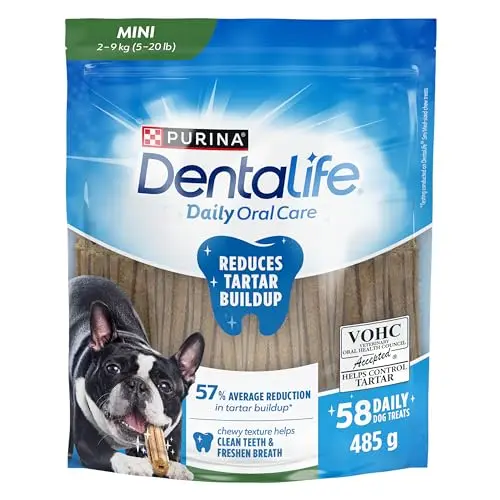
Mini Breed Oral Care Treats – Ridged Dental Sticks
How We Evaluated These Healthy Small Dog Treats
We didn’t run long-term dental health trials or individual taste tests across dozens of dogs. What we did: cross-referenced 10 treat models from 9 distinct brands across 7 decision axes – ingredient quality, size appropriateness for small breeds, dental health claims, training suitability, nutritional profile, palatability, and manufacturing transparency. We triangulated published specifications, aggregated owner feedback where available, and use-case fit against real-world small-dog scenarios.
The scoring framework weighted real-world health and size fit (60%) – how genuinely nutritious and appropriately proportioned each treat is – against feature differentiation (40%) – unique advantages like VOHC acceptance, single-ingredient simplicity, or low-calorie density. We have no commercial relationship with any of the brands featured; recommendations track fit and differentiation, not brand preference. If daily dental care is your priority, the Greenies Original Teenie is your answer; if you’re training a pup, the Blue Buffalo Bits serve you better.
How to Choose the Right Healthy Small Dog Treat
What Makes a Dog Treat Truly Healthy?
Healthiness starts with the ingredient panel. Look for named proteins (chicken, salmon, duck, beef) listed first, not generic ‘meat meal’ or by-products. Steer clear of artificial colours, flavours, and preservatives – natural options like mixed tocopherols are a better bet. For dogs with allergies, limited-ingredient or single-protein treats reduce the risk of reactions. Whole-food ingredients like pumpkin, sweet potato, and flaxseed offer fibre and nutrients beyond empty calories. Finally, transparency matters: brands that list country of origin and manufacturing details give you more confidence in what you’re feeding.
Why Size Is Critical for Small Dogs
A treat that’s too large isn’t just inconvenient – it can be a choking hazard for tiny breeds. The best small-dog treats are bite-sized or easily broken into smaller pieces. Dimensions should suit a mouth that might only be a few centimetres wide. Soft, semi-moist treats are often easier for senior dogs with dental issues, while harder chews like bully sticks or dental sticks must be appropriately scaled. Weight guidelines on the package (like ‘for dogs 2-11kg’) are a good starting filter.
Dental Health: Chews That Actually Clean
Many treats claim to fight tartar, but only those with VOHC (Veterinary Oral Health Council) acceptance have undergone rigorous testing to prove it. Look for textures designed to scrub – ridges, nubs, or porous surfaces that reach down to the gumline. Even without a VOHC seal, mechanical chewing on harder treats can help scrape plaque. For daily use, dental treats like the Greenies Teenie or Milk-Bone Brushing Chews are purpose-built for the job.
Training vs. Daily Treats: What's the Difference?
Training treats need to be tiny, low-calorie, and highly motivating – the dog should swallow them quickly so the session keeps moving. Soft, aromatic morsels like the Blue Buffalo Bits or Crumps Mini Trainers fit the bill. Daily treats can be larger and more leisurely, like a dental chew or a single-ingredient tender that doubles as a bonding moment. Matching the treat to the moment keeps your dog engaged and prevents overfeeding.
Single-Ingredient vs. Multi-Ingredient Treats
Single-ingredient treats (freeze-dried liver, duck tenders, beef sticks) offer maximum simplicity and are virtually hypoallergenic. They’re ideal for dogs with food sensitivities or owners who want the cleanest label possible. Multi-ingredient treats, when well-formulated, can provide targeted benefits – joint support, dental health, skin and coat improvement – through added vitamins and functional ingredients. Neither approach is ‘better’ universally; it depends on your dog’s needs. If you’re going single-ingredient, the VitaLife Duck Tenders are a top pick.
Reading Labels: Red Flags and Green Lights
Green lights: whole protein listed first, short ingredient lists, non-GMO verification, and manufacturing in countries with strict pet food regulations (Canada, USA). Red flags: vague terms like ‘meat derivatives’, artificial dyes, BHA/BHT preservatives, and excessive fillers (corn, wheat, soy) if your dog doesn’t tolerate them. Calorie content matters too – a treat that packs 30 calories per piece can add up quickly for a small dog on a limited daily intake.
Frequently Asked Questions
What's the difference between Greenies and DentaLife for small dogs?
Both are VOHC-accepted dental treats, but they take different approaches. Greenies Original Teenie uses a chewy, highly soluble texture with natural ingredients, while DentaLife relies on eight physical ridges and a porous surface for mechanical cleaning. Greenies has a cleaner ingredient panel (wheat, glycerin, vitamins), whereas DentaLife includes chicken by-product meal and sodium tripolyphosphate. Owner feedback suggests Greenies has a higher palatability and softer chew, making it better for picky eaters and seniors. DentaLife’s rigid texture may provide a more aggressive scrub, but some dogs lose interest mid-chew.
Are bully sticks safe and healthy for small dogs?
Bully sticks are a single-ingredient, high-protein, fully digestible chew that’s much safer than rawhide, which can cause blockages. For small dogs, the key is choosing the right size – like the 6-inch standard from Bully Bunches, which is appropriate for small to medium breeds. Be aware that bully sticks are calorie-dense and quite hard, so very tiny or senior dogs with weak teeth may find them challenging. Always supervise chew time to prevent choking on small ends.
Can a treat really improve my small dog's dental health?
Yes – but only if it’s designed with the right texture and used consistently. Treats with VOHC acceptance are your best bet, as they’ve been scientifically proven to reduce tartar. The mechanical action of chewing a ridged or nubbed treat scrapes plaque away, especially in hard-to-reach back teeth. However, treats are not a substitute for brushing; they’re a helpful supplement. For best results, pair a daily dental chew with regular vet check-ups.
How many treats per day is okay for a small dog?
Treats should make up no more than 10% of your small dog’s daily caloric intake. For a 5kg dog needing roughly 300 calories per day, that’s just 30 calories from treats. Low-calorie options like Crumps Mini Trainers or Blue Buffalo Bits let you reward more frequently without overdoing it. Always check the package for calorie information and adjust meals accordingly. For daily dental chews, stick to the recommended one-per-day serving.
What's the healthiest single-ingredient treat for a small dog?
It’s hard to beat freeze-dried organ meats like the Caledon Farms Beef Liver Bites. They’re nutrient-dense (iron, zinc, B vitamins), lightweight, and break into small pieces effortlessly. For a meatier chew, duck tenders or beef tendersticks offer high protein and amino acids. The key is avoiding any added fillers, grains, or preservatives – look for a single word on the ingredient list and nothing else.
Final Verdict
For the vast majority of small-dog households, the Greenies Original Teenie Dental Chews strike the best balance of dental efficacy, palatability, and size-specific design. They’re vet-recommended, widely loved, and genuinely effective. If training is your primary need, the Blue Buffalo Bits are laser-focused on rapid-fire rewards with a clean ingredient list. And for those who want absolute purity, the VitaLife Duck Tenders prove that one ingredient can be more than enough. Whichever you choose, your small dog’s health – and wags – will thank you.