
It starts with the scratching. Your dog won’t stop licking their paws, their ears are red, and you’re desperate for relief. Food allergies in dogs are frustrating, but the right kibble can make all the difference – turning misery into a tail-wagging, itch-free life. The challenge is wading through marketing claims to find a formula that actually works.
We focused on kibble that tackles the real culprits: common proteins like chicken or beef, filler grains that inflame, and missing nutrients for skin and gut health. The best options lean on novel proteins (salmon, lamb), limited ingredients, and added digestive support. This guide helps you cut through the noise and find a kibble that suits your dog’s specific sensitivities.
Best Kibble for Dogs with Allergies – 2026 Reviews
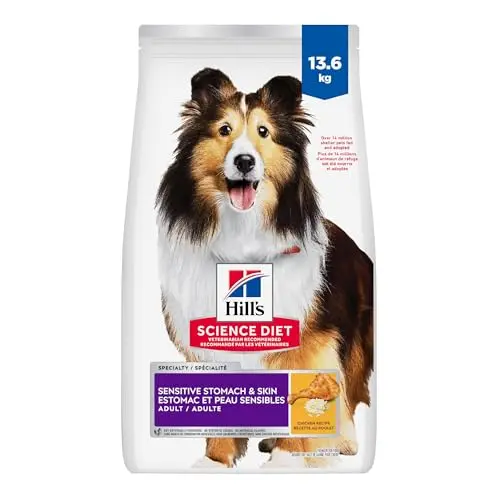
Sensitive Stomach & Skin Chicken Recipe – Gentle Digestion and Skin Support
A vet-recommended formula that pairs prebiotic fiber with omega-6 and vitamin E to soothe sensitive stomachs and calm itchy skin. It’s made with natural ingredients and leans on a chicken base that many dogs tolerate well.
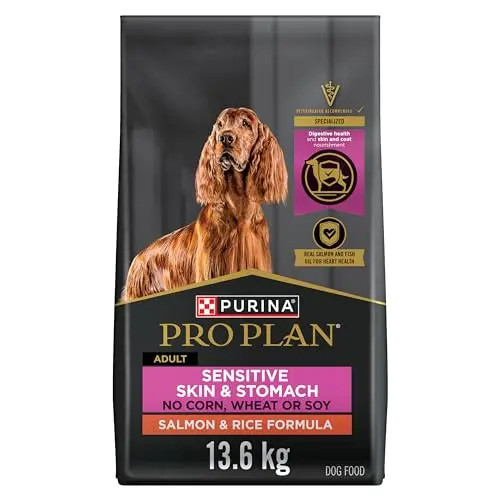
Sensitive Skin & Stomach Salmon & Rice – Omega-Rich for Coat Health
Real salmon leads this high-protein recipe, delivering omega-3s for joint and coat health. Oat meal and prebiotic fiber keep digestion gentle, while antioxidants support immunity – all without artificial colours or flavours.
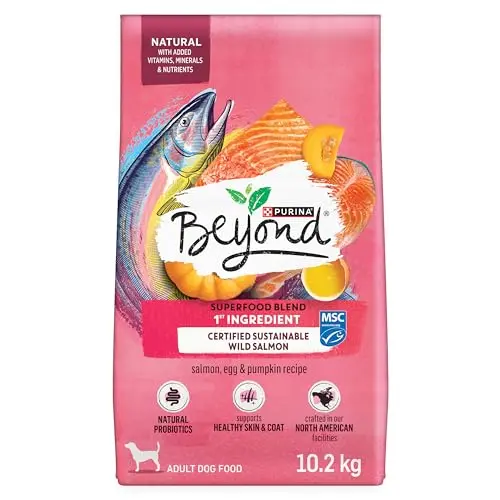
Superfood Blend Salmon, Egg & Pumpkin – Limited Ingredient for Sensitive Dogs
A limited ingredient diet featuring wild-caught salmon, egg, and pumpkin. It’s free from corn, wheat, soy, and artificial additives, making it an accessible entry point for allergy management.
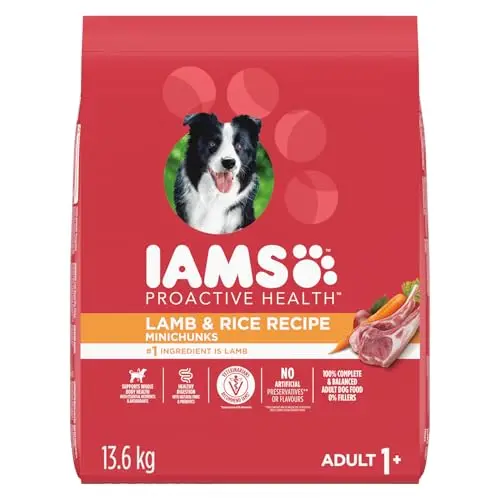
Proactive Health Minichunks Lamb & Rice – Dental Care and Digestion
Lamb and rice meet crunchy minichunks that scrub teeth as your dog chews. Prebiotic fiber supports digestion, making this a practical pick for mild sensitivities.
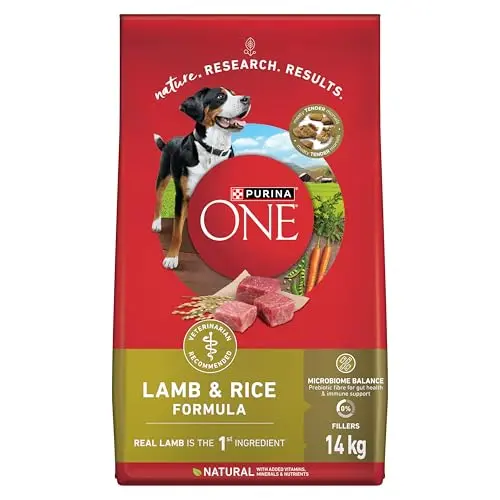
Microbiome Balance Lamb & Rice – Prebiotic Fiber for Gut Health
Built around gut health, this lamb-first formula uses prebiotic fibre to fuel beneficial bacteria – potentially reducing allergic reactions from the inside out.
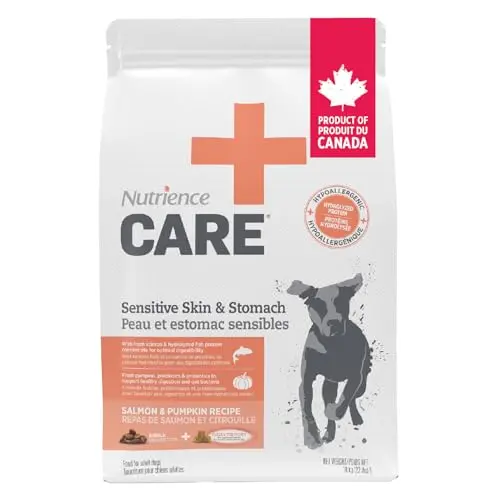
Care Sensitive Skin & Stomach Salmon – Grain-Free Hypoallergenic Formula
Canadian-made and grain-free, this formula combines fresh salmon with pumpkin, prebiotics, and coconut oil to target allergies head-on. The Digestiboost blend adds turmeric and ginger for digestive firepower.
How We Evaluated These Kibble for Dogs with Allergies
We didn’t conduct elimination diet trials on allergic dogs. What we did: cross-referenced six kibble formulas from six distinct brands across five decision axes – protein source novelty, omega fatty acid profile, digestibility aids, limited ingredient approach, and real-world owner feedback on allergy relief. We triangulated published ingredient lists, nutritional specifications, and aggregated owner-reported outcomes to evaluate each option.
The scoring framework weighted real-world relief (60%) – how consistently owners saw reductions in itching, ear infections, and stomach upset – against formula quality and suitability (40%) – the science backing the ingredient choices. We have no commercial relationship with any of the brands featured; recommendations track fit and differentiation, not brand preference. If your dog can’t handle chicken, the Purina Pro Plan Salmon is a proven winner; for a limited ingredient budget pick, Beyond Superfood Blend covers the essentials.
How to Choose the Right Kibble for Dogs with Allergies
What to Look for in Kibble for Allergic Dogs
When your dog is itchy, gassy, or breaking out in hot spots, food is often the culprit. The first move is to identify and eliminate the trigger protein. Common offenders include chicken, beef, and dairy. Look for a kibble that features a novel protein – something your dog hasn’t eaten before, like salmon, lamb, or venison. Next, scan the ingredient deck for digestive aids – prebiotics, probiotics, and gentle fibres like pumpkin or oat meal. Omega fatty acids from fish or coconut oil are non-negotiable for calming inflamed skin. Finally, a short, clean ingredient list reduces the chance of hidden reactions.
Novel Proteins: Salmon vs. Lamb for Allergy Relief
Dogs aren’t born allergic to specific proteins; they develop sensitivities over time from repeated exposure. Salmon is an excellent first choice because it’s rarely fed in standard grocery kibble and packs omega-3s that are naturally anti-inflammatory. Lamb, once considered hypoallergenic, is now more common but still works for many dogs who’ve never had it. If salmon doesn’t pan out, lamb is a solid Plan B. Some dogs need an even rarer protein like duck or kangaroo, but these come at a premium and may require a veterinary diet.
Grain-Free vs. Grain-Inclusive for Dog Allergies
The grain-free craze has cooled, but for allergic dogs, it can still be relevant. True grain allergies are rare – most sensitivities are actually to the protein, not the carbohydrate. However, some dogs do react to wheat, corn, or soy. If your dog hasn’t improved on a protein switch, a grain-free trial might be worthwhile. Just ensure the formula trades those grains for nutrient-dense alternatives like sweet potatoes or peas, not carb-heavy fillers. The Nutrience Care Grain-Free Salmon is a strong example – it skips grains without sacrificing digestibility.
Limited Ingredient Diets: Do They Really Help?
Yes – when done right. A limited ingredient diet (LID) strips the recipe down to one protein, one carbohydrate, and minimal extras. This makes it easy to run an elimination trial and spot the culprit if a reaction occurs. The Beyond Superfood Blend is a decent consumer LID, with just salmon, egg, and pumpkin. That said, egg can be an issue for some dogs, so watch closely. The key with LIDs is simplicity: fewer ingredients mean fewer chances for a reaction.
How to Transition Your Dog to a New Allergy Kibble Safely
Switching kibble overnight can upset even a non-allergic stomach, so take it slow. Over 7-10 days, mix increasing amounts of the new food with the old. Keep a symptom journal – note any itching, paw licking, stool changes, or ear redness. Allergic reactions can take weeks to subside, so give the new food at least 8-12 weeks before judging. If you see a sudden flare-up within days, stop and consult your vet. And remember: treats, table scraps, and flavoured chews can sabotage your trial. Stick to the single kibble.
Hill's Science Diet vs. Purina Pro Plan: Which Sensitive Kibble Is Right for Your Dog?
These two heavyweights dominate the sensitive stomach aisle, but they take different paths. The Hill’s Science Diet Sensitive Stomach & Skin uses chicken and leans on prebiotic beet pulp, making it ideal for digestive-focussed issues in dogs that tolerate poultry. The Purina Pro Plan Sensitive Skin & Stomach goes with salmon, adding omega-3s for a noticeable skin-and-coat boost. If your dog’s ears are chronically gunky and their coat is dull, Pro Plan is the better bet. If loose stools and gurgly tummies are the main complaint, Hill’s often resolves it faster.
When to Involve Your Veterinarian
Food allergies and environmental allergies can look identical. If you’ve tried a novel protein or LID for several months with no improvement, or if your dog develops severe symptoms like hair loss, open sores, or chronic ear infections, it’s time to bring in a vet. They can rule out other causes and may recommend a prescription hypoallergenic diet using hydrolyzed proteins. These diets are more rigorously controlled and can be life-changing for extreme cases. Don’t skip this step – a vet can save you both months of trial and error.
Frequently Asked Questions
What's the difference between Hill's Science Diet and Purina Pro Plan for sensitive stomachs?
Hill’s uses chicken and prebiotic beet pulp to stabilize digestion, while Purina Pro Plan opts for salmon and oat meal with added omega fatty acids. Hill’s tends to firm up stools quickly in dogs that tolerate chicken; Pro Plan shines for visible skin and coat improvements. Both include prebiotics and natural fibres. Your choice depends on whether your dog’s primary issue is gut upset or inflamed skin.
Is grain-free kibble better for dogs with allergies?
Not necessarily. Most food allergies are triggered by animal proteins, not grains. However, some dogs do react to wheat, corn, or soy. A grain-free formula like Nutrience Care Salmon eliminates these variables entirely, which can be helpful during an elimination trial. Just ensure the grain-free option still uses high-quality carbohydrates like sweet potato or peas.
Can my dog be allergic to chicken in kibble?
Absolutely. Chicken is one of the most common food allergens in dogs because it’s so widely used. If your dog has been eating chicken-based food for years and suddenly develops symptoms, a protein switch to salmon or lamb is a smart first step. The Purina Pro Plan and Beyond Superfood Blend both skip poultry entirely.
What's the best salmon-based kibble for allergies?
For skin and coat focus, the Purina Pro Plan Sensitive Skin & Stomach Salmon & Rice is hard to beat – it’s backed by strong owner reports of reduced itching. For a budget option, Beyond Superfood Blend Salmon, Egg & Pumpkin offers a limited ingredient approach at a lower price. If you want grain-free, Nutrience Care Salmon is a standout.
How long should I try a new allergy kibble before giving up?
Give it at least 8-12 weeks. It takes time for old allergens to clear the system and for skin to heal. Keep a symptom diary and avoid all other foods – treats, table scraps, and flavoured medications can ruin the trial. If you see zero improvement after three months, consult your vet about a hydrolyzed protein prescription diet.
Final Verdict
For most dogs with allergies, the Hill’s Science Diet Sensitive Stomach & Skin is the best place to start – it balances digestive soothing with skin support and earns its top spot in owner feedback. If your dog reacts to chicken or needs a coat revival, switch to the Purina Pro Plan Salmon – its omega-rich formula delivers visible results. For budget-conscious families, the Beyond Superfood Blend limits ingredients without breaking the bank. And when grains are off the table entirely, Nutrience Care Grain-Free Salmon brings a hypoallergenic, gut-focused design that many allergic dogs thrive on. Pick the one that matches your dog’s triggers, and commit to the trial – lasting relief is within reach.