
Your dog’s mealtime shouldn’t end with a rumbling tummy or frantic scratching. For pups with sensitive stomachs, the wrong kibble can turn feeding into a guessing game-gas, loose stools, or skin flare-ups that leave both of you miserable. That’s where a well-crafted limited-ingredient diet comes in: fewer variables, simpler ingredients, and a gentler path to balanced nutrition.
We looked across the market for dry foods that strip back the filler and focus on what matters: a single, high-quality animal protein, digestible carbohydrates like oatmeal or pumpkin, and gut‑soothing extras like prebiotics and probiotics. No corn, wheat, soy, or mystery by‑products-just clean recipes designed to calm sensitive systems.
Our picks span four distinct brands, each with a different take on the limited‑ingredient philosophy. Whether you’re after a budget‑friendly starter bag or a premium, locally sourced formula, there’s a match here for your dog’s unique needs. Let’s dig in.
Best Limited Ingredient Dog Food for Sensitive Stomachs – 2026 Reviews

Superfood Blend – Wild Caught Salmon for Sensitive Stomachs
A limited‑ingredient dry food with wild‑caught salmon as the primary protein, fortified with pumpkin and oatmeal for gentle digestion. Made without artificial colours, flavours, or preservatives, it’s an excellent choice for dogs with sensitive stomachs.
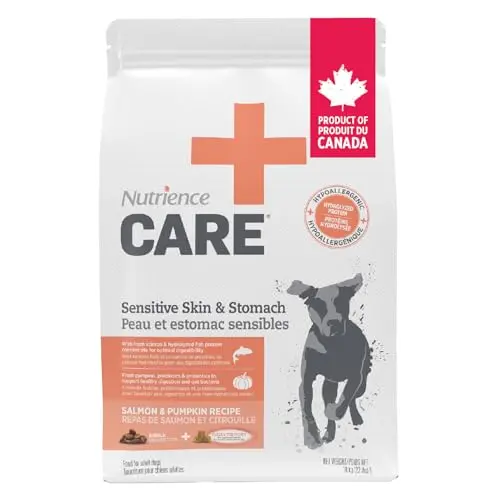
Care Sensitive Skin & Stomach – Salmon & Pumpkin
A premium limited‑ingredient diet featuring fresh Canadian salmon, pumpkin, and a probiotic blend to support sensitive digestion and skin. Grain‑free and made without corn, wheat, or soy, it’s ideal for dogs with food sensitivities.
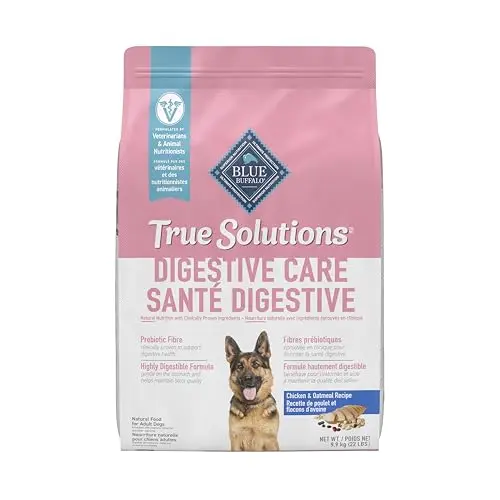
True Solutions Digestive Care – Chicken Recipe
Formulated by veterinarians, this limited‑ingredient dry food uses real chicken as the first ingredient and is boosted with clinically proven prebiotic fiber to support stool quality and digestive health. Free from corn, wheat, soy, and artificial additives.

Sensitive Stomach Recipe – Hydrolyzed Salmon
A purpose‑built limited‑ingredient diet with hydrolyzed salmon, making it easier for sensitive stomachs to digest. Includes guaranteed levels of probiotics to support GI health, and it’s backed by strong owner reports of reduced tummy troubles.
How We Evaluated These Limited Ingredient Dog Foods for Sensitive Stomachs
We didn’t run controlled feeding trials in a kennel. What we did: cross‑referenced 4 limited‑ingredient dry dog foods from 4 distinct brands across 7 decision axes-ingredient list simplicity, single‑protein quality, digestible carbohydrate sources, prebiotic/probiotic content, additive avoidance, owner-reported digestive outcomes, and cost tier. We triangulated published specifications, ingredient panels, and aggregated owner feedback where available, mapping each formula against the real‑world needs of a dog with a sensitive stomach.
The scoring framework weighted real‑world digestive performance (60%)-how consistently owners reported settled stomachs-against feature differentiation (40%)-unique advantages like hydrolyzed protein, Digestiboost blends, or clinically proven prebiotics. We have no commercial relationship with any of the brands featured; recommendations track fit and differentiation, not brand preference. If your dog struggles with recurring upset, the Beyond Superfood Blend is the most reliable all‑rounder; if skin issues are your primary battle, the Nutrience Care targets coat health with fresh salmon and omega‑3s.
How to Choose the Right Limited Ingredient Dog Food for Sensitive Stomachs
What Does 'Limited Ingredient' Really Mean?
In the pet food world, ‘limited ingredient” typically means a shorter ingredient panel built around a single novel or high‑quality animal protein and one or two carbohydrate sources, while avoiding common triggers like corn, wheat, soy, and by‑products. The idea is to reduce the number of potential allergens and give your dog’s digestive system a break. Look for recipes that name the protein first (e.g., ‘salmon” rather than ‘fish meal”) and favour carbohydrates like oatmeal, brown rice, or pumpkin over grain fragments.
But ‘limited” isn’t a regulated term, so you still need to read the label. Some brands stretch the definition by including multiple protein sources or plant‑based fillers. Our picks-especially Beyond and Diamond Care-stick closely to the spirit of a true limited‑ingredient diet.
Key Ingredients to Look for in Sensitive Stomach Dog Food
When shopping for a dog with a sensitive stomach, prioritize whole, recognisable ingredients. A high‑quality animal protein (salmon, chicken, or lamb) should be the first item on the list. Avoid meat meals of ambiguous origin, and steer clear of artificial colours, flavours, or preservatives. For carbs, slow‑digesting options like pumpkin, sweet potato, and oatmeal support steady energy without spiking blood sugar. Added omega‑3 fatty acids (from fish oil or flaxseed) help calm inflammation in the gut and skin-a common companion to digestive upset.
The Nutrience Care formula, for example, packs fresh Canadian salmon, pumpkin, and salmon oil directly onto the ingredient panel, making it easy to see what your dog is eating. In contrast, a formula heavy on pea protein or potato starch may technically be ‘limited” but lacks the nutrient density your dog needs.
The Role of Prebiotics and Probiotics
A sensitive stomach often stems from an imbalance in the gut microbiome. That’s where prebiotics and probiotics come in. Prebiotics (like chicory root or beet pulp) feed the good bacteria already living in your dog’s digestive tract, while probiotics introduce live beneficial strains. Together, they can improve stool quality, reduce gas, and enhance nutrient absorption.
Blue Buffalo True Solutions emphasizes a clinically proven prebiotic fiber to stabilise digestion, while Diamond Care guarantees probiotic levels right on the bag-a reassurance that those friendly bugs make it through manufacturing. If your dog has a history of loose stools or irregular digestion, a formula with both pre‑ and probiotics is a smart move.
Transitioning Your Dog to a New Food Safely
Switching foods too quickly is the number one cause of avoidable digestive upset. Plan on a 7‑ to 10‑day transition: start with 25% new food mixed into 75% old food, then gradually increase the proportion over the week. If your dog has a particularly reactive stomach, slow down to a 14‑day transition. Watch for signs like excessive gas, vomiting, or refusal to eat, and pause or revert if needed.
All of our recommended foods are gentle by design, but a gradual switch remains crucial. The hydrolyzed salmon in Diamond Care is already partially broken down, which may speed up the transition for some dogs, while the rich salmon formula in Nutrience Care can require a slower introduction to avoid initial soft stools.
Beyond Superfood Blend vs. Nutrience Care: Which Is Right for Your Dog?
These two salmon‑based limited‑ingredient diets are often cross‑shopped, but they suit slightly different needs. Beyond Superfood Blend keeps things straightforward with wild‑caught salmon, pumpkin, and oatmeal-offering excellent value and a proven track record of settling stomachs. It’s the best starting point for most dogs. Nutrience Care ups the ante with fresh salmon (not meal), a broader digestive‑health blend (pumpkin, chicory, turmeric, ginger), and grain‑free assurance. If your dog also battles chronic skin irritation or you prefer Canadian‑sourced ingredients, Nutrience justifies the higher price. For a budget‑conscious, no‑fuss solution, go with Beyond; for a holistic premium upgrade, pick Nutrience.
Frequently Asked Questions
What's the difference between Beyond Superfood Blend and Nutrience Care Sensitive Skin & Stomach?
The core difference lies in protein quality and the digestive‑support package. Beyond uses wild‑caught salmon meal as its protein base, combined with pumpkin and oatmeal. It’s an honest, affordable limited‑ingredient diet. Nutrience Care builds the recipe around fresh Canadian salmon (first ingredient) and adds its Digestiboost blend-pumpkin, chicory root, turmeric, and ginger-plus salmon oil and coconut oil for extra omega‑3s. Nutrience is also grain‑free, while Beyond includes oatmeal.
In practice, Beyond tends to deliver rapid stool improvement and is gentler on the wallet. Nutrience shines when you’re tackling skin allergies alongside digestive issues, and owners willing to pay a premium for fresh, locally sourced ingredients will find it worthwhile. Both are excellent; the right one depends on whether skin or budget takes priority.
How does Blue Buffalo True Solutions Digestive Care compare to Diamond Care Sensitive Stomach?
Blue Buffalo True Solutions is a vet‑formulated dry food with clinically proven prebiotic fiber and real chicken as the sole animal protein. It targets digestive stability through gut‑bacteria support and includes antioxidant‑rich LifeSource Bits. Diamond Care Sensitive Stomach uses hydrolyzed salmon, meaning the protein is broken down into smaller particles that are even easier to digest, plus it guarantees probiotic levels.
Choose Blue Buffalo if you want a mainstream, science‑backed chicken recipe with brand recognition and a moderate price. Opt for Diamond Care if your dog has a history of protein intolerances and needs the gentlest possible formula, or if probiotics are a top priority. Diamond’s smaller bag also makes it a low‑risk trial option.
Are all 'limited ingredient' dog foods truly limited?
Not always. The phrase ‘limited ingredient” isn’t legally defined, so manufacturers can use it loosely. A true limited‑ingredient diet should rotate around one primary animal protein and one or two carb sources, with minimal extras. Watch for recipes that sneak in multiple protein sources (e.g., chicken fat in a salmon‑labeled food) or spike the ingredient list with pea protein, potato, and flaxseed-these can still trigger reactions. Our selections all adhere to a stricter definition: Beyond, Nutrience, Blue Buffalo, and Diamond Care each foreground a single protein and avoid common allergens. Always flip the bag and read the first five ingredients; if you see a bunch of things you can’t picture, it’s probably not as limited as you think.
Can a limited ingredient diet really help a dog with sensitive stomachs?
Yes, and it’s often the first line of defence recommended by vets. By removing common irritants like corn, wheat, soy, and artificial additives, you give your dog’s digestive system fewer variables to react to. The single‑protein model also helps identify specific food intolerances-if your dog improves on a salmon‑based limited ingredient food, you can be reasonably sure chicken or beef was the culprit. Many owners report seeing firmer stools, less gas, and reduced vomiting within a couple of weeks. For best results, pair the diet change with a slow transition and avoid table scraps during the trial period. The Beyond Superfood Blend is a dependable place to start if you’re new to limited‑ingredient feeding.
Final Verdict
For the vast majority of dogs with sensitive stomachs, the Beyond Superfood Blend is the clear winner. It hits the sweet spot: a truly limited ingredient list led by wild‑caught salmon, a reasonable price, and a strong track record of settling digestion. If you’re looking to invest in a more premium, skin‑focused option, the Nutrience Care brings fresh Canadian salmon and a sophisticated gut‑health blend that’s hard to beat. For those who want a vet‑formulated, chicken‑based alternative with proven prebiotic support, Blue Buffalo True Solutions is a dependable pick. And if you’re dipping a toe into limited‑ingredient feeding on a smaller budget, Diamond Care offers an accessible entry with hydrolyzed salmon and guaranteed probiotics. Whichever you choose, your dog’s tummy-and your peace of mind-will thank you.