
Your dog’s bowl might seem like a no-brainer purchase, but the material you choose matters more than you’d think. It touches every meal and every lap of water, and the wrong pick can lead to scratched plastic harbouring bacteria, a shattered ceramic mess, or a lightweight bowl that slides across the kitchen floor with every excited nudge.
We looked across the market to find the best bowls made from the four materials you’ll actually encounter in stores: stainless steel, plastic, ceramic, and silicone. This guide breaks down the real-world trade-offs-hygiene, durability, stability, and whether your dog’s eating style changes the equation-so you can choose a bowl that holds up to daily use and keeps mealtime simple.
Best Materials for Dog Bowls – 2026 Reviews
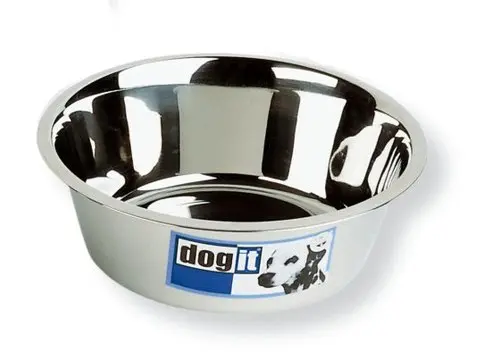
Stainless Steel Bowl – Nonslip & Easy-Clean Daily Feeder
A classic stainless steel bowl that ticks every box for safety and practicality. The polished surface resists odours and bacteria, while the nonslip rim keeps it planted during enthusiastic eating. Dishwasher-safe and sized for all breeds, it’s the kind of bowl you buy once and forget about-in the best way.
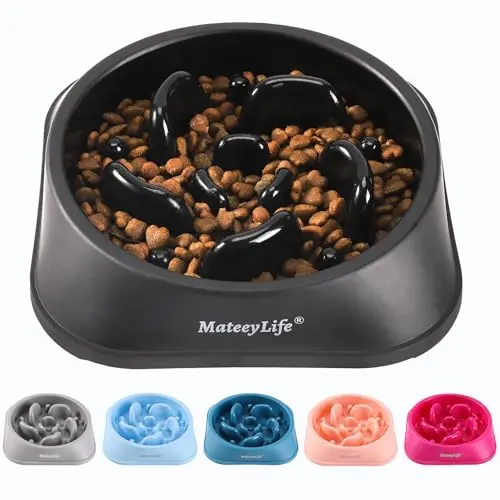
Slow Feeder Bowl – Maze Design to Prevent Choking
A plastic puzzle bowl that turns mealtime into a 10-minute activity, slowing down speed-eaters to improve digestion and prevent bloating. The maze design works with any food type, and the nonslip base stops the bowl from sliding-even with a determined dog working the ridges.
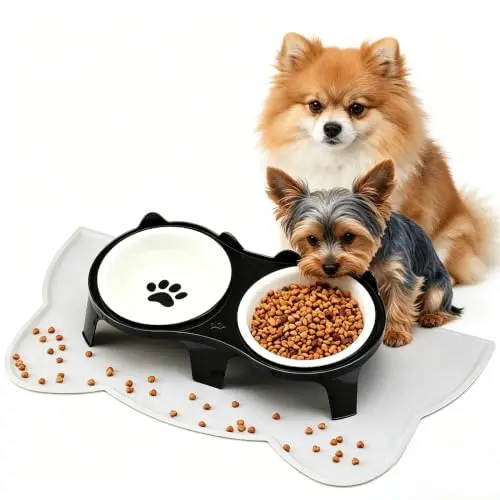
Ceramic Raised Set – Tilted Design with Silicone Mat
A stylish ceramic set that elevates mealtime for small and medium dogs while keeping your floor clean. The tilted bowls reduce neck strain, and the included silicone mat anchors everything in place. The matte black finish blends with modern kitchens, but the material’s heft comes with fragility.
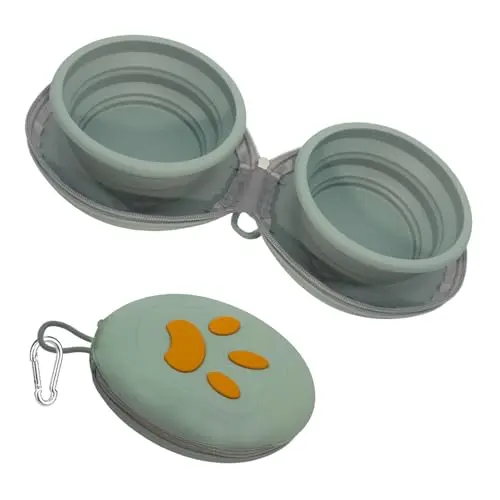
Collapsible Silicone Bowl – Clip-On Portability
This silicone bowl folds completely flat and clips onto a leash or bag, making it the most portable option we found. The dual-section design separates food and water, and the nonslip bottom grips car seats and tent floors. It’s BPA-free, dishwasher-safe, and ready for any adventure-as long as it’s not your everyday feeder.
How We Evaluated These Materials for Dog Bowls
We didn’t run bacterial swab tests or long-term durability trials in a lab. What we did: cross-referenced 4 dog bowl models spanning 4 distinct materials-stainless steel, polypropylene, ceramic, and silicone-across 6 decision axes: material safety, ease of cleaning, stability, durability, use-case fit, and owner sentiment where available. We triangulated published specifications, aggregated feedback patterns, and the specific demands of different eating styles (gulpers, messy drinkers, relaxed nibblers) to pressure-test each bowl’s practicality in a real home.
The scoring framework weighted real-world hygiene and durability (60%)-how well the material holds up to daily use and stays clean-against design and use-case specificity (40%). We have no commercial relationship with any of the brands featured; recommendations track fit and differentiation, not brand preference. If you’re looking for a safe, no-fuss everyday bowl, the Dogit Stainless Steel Bowl is your match; if your dog inhales food, the MateeyLife Slow Feeder makes every mealtime safer.
How to Choose the Right Material for Dog Bowls
Why Dog Bowl Material Matters More Than You Think
The material of your dog’s bowl directly affects their health. Porous surfaces like scratched plastic can harbour bacteria that lead to chin acne or digestive upset. Stainless steel and ceramic are non-porous, meaning they resist bacterial biofilm far better. The right material also influences how often you need to wash the bowl, how heavy and stable it feels, and whether it will survive a drop or a chew session. Start by asking: Is this something I’d eat off?
Stainless Steel vs. Ceramic: Which Non-Porous Material Wins?
Both stainless steel and ceramic offer excellent hygiene, but they part ways on durability. Stainless steel is nearly indestructible-it won’t chip, rust with proper care, or absorb odours, and it’s usually lighter. Ceramic is heavier and often more aesthetically pleasing, but it can crack or break if knocked over. For most homes, stainless steel is the safer, more practical bet. If you’re choosing between the two, consider whether your household has a tile floor that might spell doom for a falling ceramic dish.
When Plastic Makes Sense (and When It Doesn't)
Plastic bowls are lightweight, affordable, and can be moulded into clever slow-feeder shapes that stainless steel and ceramic can’t easily replicate. That’s their superpower: they can actively change eating behaviour. However, plastic is more susceptible to scratches where bacteria hide, and some dogs develop adverse reactions to certain plastics. If you go plastic, choose food-grade polypropylene, inspect regularly for wear, and replace it at the first sign of cracking. For dogs with sensitive skin or allergies, stainless steel is the safer default.
The Case for Silicone: Travel Bowls and Niche Use
Silicone is a flexible, collapsible material that’s perfect for on-the-go hydration. It’s BPA-free, dishwasher-safe, and takes up no space when folded. The downside: it’s not a material built for daily abuse. Over time, silicone can pick up odours, and the soft structure won’t stand up to a dog that likes to paw at its dish. Reserve silicone for your adventure kit-hikes, camping, car rides-and keep a rigid bowl at home.
Dog Bowl Stability and Your Dog's Eating Style
How your dog eats should drive your final material choice. Fast eaters benefit from a heavy ceramic or a maze-design plastic bowl that slows them down. Messy drinkers do well with a thick stainless steel bowl that stays put or a dedicated no-spill water bowl. Puppies and small breeds often prefer wide, low bowls, while large breeds may need an elevated option to reduce neck strain-though elevation is possible with any material if you add a stand. Pair the bowl’s weight and footprint with your dog’s enthusiasm level to avoid spills.
Cleaning and Maintenance Across Materials
A bowl that’s hard to clean gets cleaned less often. Stainless steel and ceramic are both dishwasher-safe and rinse clean in seconds; they’re the lowest-maintenance options. Plastic slow feeders need more effort to scrub around the ridges, and any scratch marks mean it’s time for a replacement. Silicone is dishwasher-safe but benefits from a quick hand-wash to prevent film buildup. Whichever material you land on, aim for a daily rinse and a thorough wash a few times a week.
Frequently Asked Questions
What is the safest material for a dog bowl?
Stainless steel is widely considered the safest material for dog bowls. It’s non-porous, doesn’t leach chemicals, resists bacterial growth, and stands up to frequent sanitizing in the dishwasher. It also doesn’t chip or break like ceramic, eliminating a physical safety risk. If your dog has known allergies or sensitive skin, stainless steel is the most neutral option available.
Are plastic dog bowls bad for dogs?
Not inherently, but they do come with more caveats than other materials. Scratches in plastic can harbour bacteria that contribute to skin irritation or chin acne, particularly in dogs with sensitivities. High-quality, food-grade polypropylene bowls (like the MateeyLife Slow Feeder) are a safer plastic choice, but they require regular inspection. If you notice any pitting or if your dog breaks out, switching to stainless steel often resolves the issue.
Ceramic vs. stainless steel dog bowls: which is easier to clean?
Both are dishwasher-safe and smooth, making them easy to clean. Stainless steel usually wins on weight and portability-you can quickly rinse it at the sink without worrying about dropping it. Ceramic, while just as non-porous, is heavier and more fragile, which can make hand-washing in a busy kitchen slightly more nerve-wracking. In practice, the cleaning difference is minimal, so the decision usually comes down to durability and style.
Can I use a silicone dog bowl every day?
Silicone bowls are designed for portability, not everyday primary use. While they are food-safe and dishwasher-friendly, their soft walls can be collapsed by a paw, and the material tends to retain odours over time. For daily feeding at home, a rigid bowl like the Dogit Stainless Steel Bowl is a better long-term solution. Reserve the silicone one for travel and outdoor adventures.
Final Verdict
For the vast majority of dog owners, stainless steel is the material that balances safety, durability, and low maintenance better than any alternative. It’s the bowl you’ll never need to replace unless you lose it. If your dog eats like a vacuum cleaner, the plastic slow feeder is a purposeful trade-off-accept the plastic’s maintenance demands and get a healthier mealtime in return. And for anyone whose kitchen aesthetic matters as much as function, the ceramic raised set looks great-just handle it with care. Whichever you choose, the right material keeps your dog’s bowl from becoming a bacteria trap, and that’s a win for everyone.