
You fill the bowl, latch the crate, and ten minutes later there’s a miniature lake spreading across your floor. If your dog treats their crate water bowl like a splash pad, you know the drill. A no‑spill water bowl can stop that daily mess cold-and the right pick depends on whether you need something that attaches to the crate wires or a standalone design that keeps sloshing contained by sheer smart engineering.
We compared attachable models that bolt directly onto wire crates against larger freestanding bowls that use floating disks to kill splashes. The key axes turned out to be capacity, material, and how well each bowl stayed put inside a typical dog crate. Whether you’re outfitting a puppy’s first den or a giant breed’s rolling condo, we’ve sorted the standouts so you can get back to a dry floor and a hydrated dog.
Best No Spill Water Bowls for Dog Crate – 2026 Reviews
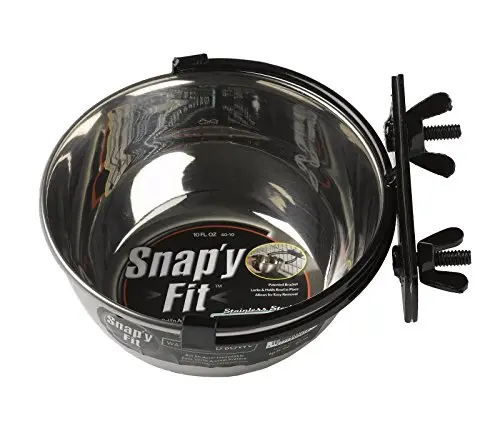
Snap'y Fit Bowl – Crate-Attached Spill Prevention
This stainless steel bowl locks onto the bars of your dog’s wire crate to prevent spills and tipping. Its compact 10 oz capacity suits puppies and small breeds, while the dual‑pole bracket keeps it stable against enthusiastic lapping.
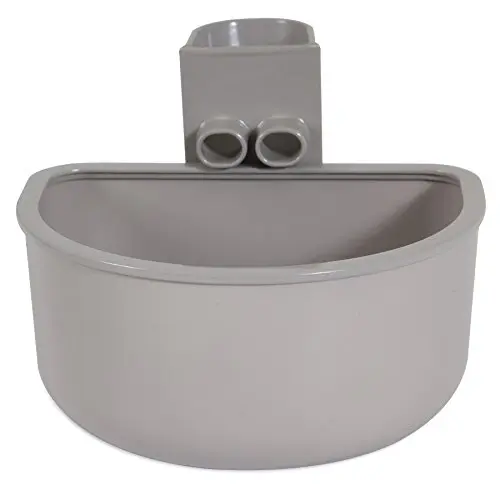
Kennel Bowl – Funnel‑Fill with No‑Spill Rim
This plastic kennel bowl attaches to your dog’s crate door, allowing you to refill water from the outside without opening the kennel. Its wide rim helps reduce splashing, and the 21 oz capacity works for medium‑sized dogs.
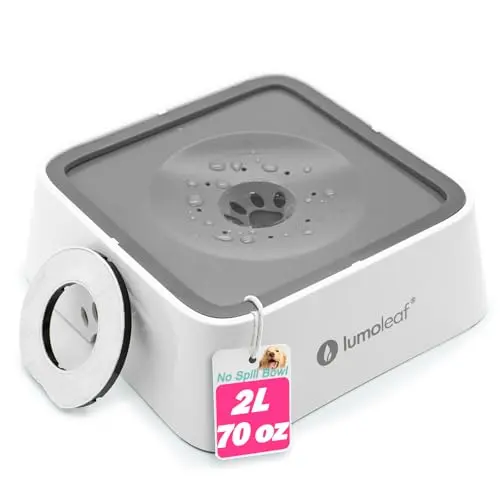
Slow‑Drinking No‑Spill Bowl – Splash‑Free for Large Dogs
This large‑capacity water bowl uses a floating disk to control water level, preventing splashing and keeping your dog’s chin dry. It holds 70 oz, enough for big breeds or multi‑pet homes, and the rubber base grips the crate floor.
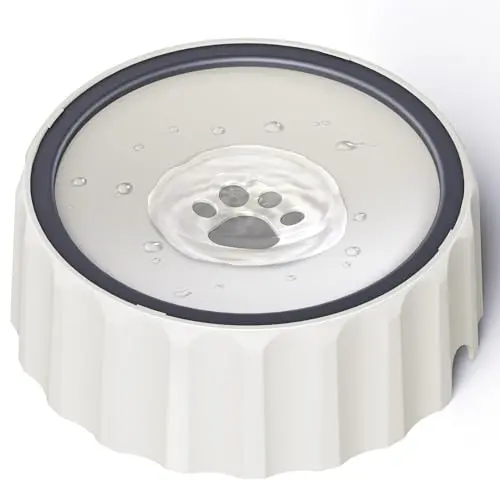
No Spill Water Bowl – Budget Splash Guard
This affordable plastic bowl holds 2L of water and uses a floating disk to minimize splashing. The non‑slip base keeps it steady, making it a practical choice for crate use without stretching your budget.
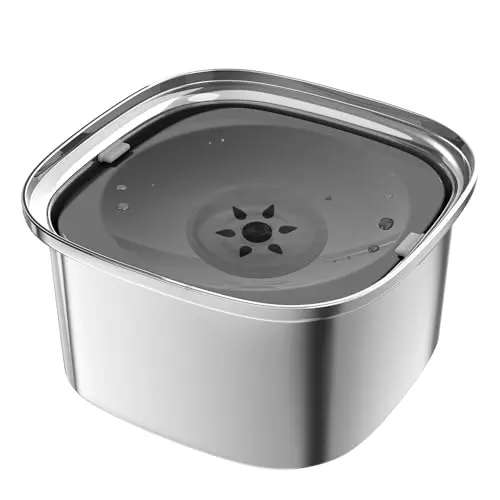
3L Stainless Steel Bowl – Rustproof Large Capacity
Made from 304 stainless steel, this 3L bowl uses a floating disk to keep water contained. Its large capacity suits giant breeds or multi‑dog crates, and the polished surface resists odors and rust.
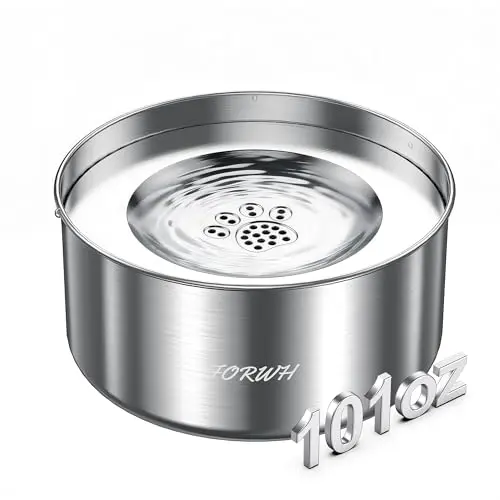
Stainless Steel 101oz Bowl – Heavy‑Duty No Spill
Another 3L stainless steel contender from FORWH, this model pairs a floating disk with a non‑slip rubber base. It’s built for big drinkers and travels well, with a weighted feel that stays put on bumpy roads.
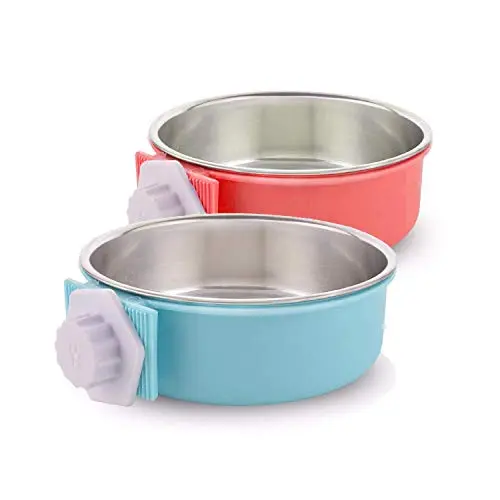
2‑Pack Crate Bowl Set – Removable Stainless Inserts
This set includes two bowls that secure to your small dog’s crate with a cross lock. The stainless steel inserts lift out for refilling and cleaning, and the three colour choices let you match your pup’s style.
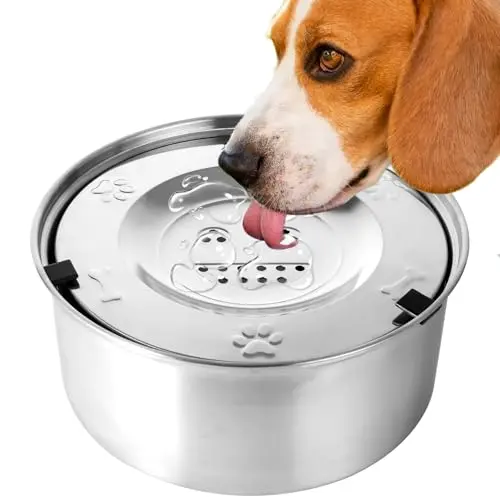
1L Stainless Steel Bowl – Compact No Spill
This small stainless steel bowl uses a floating disk to prevent splashing and keep water fresh. Its 1L size is ideal for extra‑small to small dogs, and the silicone base keeps it from sliding around the crate.
How We Evaluated These No Spill Water Bowls for Dog Crate
We didn’t see these through a full season of field use. What we did: cross‑referenced 8 models from 7 distinct brands across 5 decision axes-attachment type, spill‑prevention mechanism, material, capacity, and ease of cleaning. We triangulated published specifications, aggregated owner feedback where available, and use‑case fit against typical crate‑dwelling dog profiles.
The scoring framework weighted real‑world spill control and crate compatibility (60%)-does the bowl actually keep water off the floor when bumped or pawed at?-against feature differentiation (40%)-unique advantages like external filling or slow‑drinking floating disks. We have no commercial relationship with any of the brands featured; recommendations track fit and differentiation, not brand preference. If you need a bombproof crate attachment, the MidWest Snap’y Fit is your match; if you’d rather fill from outside the kennel, the Petmate Kennel Bowl serves you better.
How to Choose the Right No Spill Water Bowl for Dog Crate
Types of No Spill Water Bowls for Dog Crates: Attachable vs. Freestanding
The biggest fork in the road is whether you want a bowl that physically locks onto the crate or one that sits on the floor with internal spill‑proofing. Attachable bowls bolt or clamp directly to the wire grid, which saves floor space and makes it nearly impossible for a dog to flip them. They’re the gold standard for crate setups because they stay put even during rambunctious kennel time. The trade‑off is that they only work with wire crates, and installation can be fiddly. Freestanding no‑spill bowls rely on a floating disk or a specially shaped rim to keep water in. They’re more versatile-you can use them in the crate, in the car, or around the house-but they occupy floor area and can be nudged around if the base isn’t grippy enough. For most crate‑primary users, an attachable model wins on reliability, but if you travel or have a plastic kennel, a freestanding bowl is the better bet.
Material Matters: Stainless Steel vs. Plastic
The bowl’s material directly affects hygiene, durability, and taste. Stainless steel is the winner for cleanliness: it resists odours, doesn’t trap bacteria in scratches, and won’t impart a chemical taste. It’s heavier, which adds stability, and dishwasher‑safe. The downside is cost and weight. Plastic bowls are lighter and often cheaper, but they can develop micro‑scratches that harbour germs and smells over time. Some dogs also chew plastic, which is a safety risk. In a crate setting where the bowl might get pawed at, stainless is the safer long‑term choice. For a puppy that’s still learning not to chew everything, a plastic bowl might be replaced sooner, but it can hold you over during training.
Sizing Guide: How Big Should Your Crate Water Bowl Be?
Capacity matters more than you think, especially if you leave your dog crated for a few hours. A 10 oz bowl like the MidWest is fine for a Chihuahua or a quick trip, but a Labrador will drain it in minutes. 20-30 oz suits most medium breeds for a morning or afternoon. Large breeds and multi‑dog crates need 70 oz (2L) or more. A bowl that’s too big wastes precious floor space and may get stepped in; one too small means constant refills and a thirsty dog. Think about your dog’s daily water intake and the longest you’ll be away, then err on the side of a little extra room. Floating‑disk bowls inherently reduce the usable volume because the disk sits above the water line, so factor that in when comparing capacities.
Attachment Systems for Wire Crates: What to Look For
Not all brackets are created equal. The MidWest Snap’y Fit uses a dual‑pole design with wingnuts that prevent rotation-once it’s locked, it’s rock‑solid. The Petmate Kennel Bowl slides onto the door and stays put via a funnel‑shaped collar; it’s quicker to install but less secure against a determined bouncer. The Andetcy 2‑Pack employs a cross‑lock that twists into place, which works well but can be temperamental if not aligned perfectly. Look for brackets that don’t require tools for removal-you’ll be taking the bowl out to wash it-and check that they fit your crate’s bar spacing. Most are designed for standard wire spacing, but a thick‑gauge kennel may need a different tension.
Maintenance and Cleaning Tips for No Spill Bowls
Keeping a no‑spill bowl fresh is slightly more involved than a standard dish. Attachable bowls need the bracket wiped down as much as the bowl itself, since slobber and dust collect in the crevices. Stainless inserts can go in the dishwasher, but plastic brackets are hand‑wash only. Floating‑disk bowls require you to pop out the disk and scrub both sides-neglect this and biofilm builds up fast. Most manufacturers recommend cleaning the disk every few days, and it’s smart to soak it in soapy water once a week. If your dog tends to backwash food particles, consider a bowl with a replaceable filter like the LumoLeaf, though the filter itself becomes another recurring cost. The easier a bowl is to disassemble, the more likely you’ll actually keep it clean.
Slow Drinking Benefits: Why a Floating Disk Helps
Many freestanding no‑spill bowls double as slow feeders by limiting how much water is available at once. The floating disk allows only a small pool to be accessible, which slows down gulping and reduces the risk of vomiting. For dogs that suction‑cup their way through a bowl in seconds, this is a genuine health perk. It also keeps the chin and chest hair drier, which matters for breeds prone to skin fold infections. While a crate‑attached bowl won’t slow drinking, pairing a slow‑drinking bowl with a no‑spill crate mat can give you the best of both worlds for a dog that splashes out of enthusiasm rather than accidental bumps.
MidWest Snap'y Fit vs. Petmate Kennel Bowl: Which Crate Attachment Is Right for You?
Both are excellent, but they serve slightly different crate setups. Choose the MidWest if you have a small dog, you want bombproof stability, and you don’t mind reaching into the crate to refill. Its stainless steel construction and dual‑pole bracket are built to outlast a puppy’s chewing phase. Go with the Petmate if your dog is medium‑sized, you value the external funnel fill, and you’re okay with plastic. The funnel function is a standout for dogs that charge the door when you open it-you can quietly top up water without triggering a jailbreak. In terms of pure durability, the MidWest edges ahead, but for convenience, the Petmate takes the crown.
Frequently Asked Questions
Are all 'no spill' water bowls truly spill‑proof?
No bowl is 100% spill‑proof if your dog is determined enough, but a well‑designed one comes close. Attachable bowls prevent tipping completely because they’re bolted down, though a vigorous drinker can still slosh water over the sides if the bowl is very full. Floating‑disk bowls can’t be tipped, but they can be nudged and may slosh if the water level is too high. In practice, both types drastically reduce messes compared to a plain bowl. For the best results, keep the water level a bit below the rim and make sure the bowl is sized appropriately for your dog’s drinking style.
Can I use a regular bowl in my dog's crate if it's heavy?
A heavy ceramic bowl might resist tipping, but it can still be paw‑splashed or nudged around. In a crate, any loose object becomes a toy when a dog gets bored. A heavy bowl can also be a safety hazard if it gets flipped and your dog steps on the sharp edge. If you’re set on a freestanding bowl, one with a wide non‑slip base and a floating disk is a safer bet. But for true peace of mind, an attachable bowl like the Petmate or MidWest is the way to go.
What's the difference between the LumoLeaf and the Decflow no spill bowls?
Both are freestanding bowls with floating disks, but they differ in material and capacity. The LumoLeaf holds 70 oz (2L) and is made of durable BPA‑free plastic with a replaceable charcoal filter to keep water fresh. It’s a great all‑rounder for medium to large dogs. The Decflow is larger at 3L and made of 304 stainless steel, which is more hygienic and chew‑proof. It’s the better choice for giant breeds or multi‑dog homes where water consumption is high. LumoLeaf is slightly easier to disassemble for cleaning, while Decflow’s stainless steel demands less frequent deep cleaning due to its non‑porous surface.
How do I stop my dog from chewing the bowl in the crate?
The best defence is a stainless steel bowl-dogs rarely chew metal because it’s hard on their teeth and tastes metallic. If you already have a plastic bowl, try spritzing it with a bitter apple spray or providing a safe chew toy to redirect the behaviour. An attachable bowl also removes the temptation to pick up and play with the dish, since it stays fixed in place. If chewing persists, consult a trainer; it could be a sign of crate anxiety rather than a bowl problem.
MidWest Snap'y Fit vs. Andetcy 2‑Pack: Which is better for small dogs?
It depends on whether you need one bowl or two. The MidWest is a single 10 oz stainless bowl that’s incredibly stable once mounted and ideal for pups under 15 lbs. The Andetcy gives you two smaller bowls-one for food, one for water-which is handy if you feed in the crate too. Both attach firmly to wire crates, but the MidWest’s build quality is a step up. If you only need water, the MidWest is the cleaner, more durable pick. If you want a matching set, the Andetcy is a budget‑friendly alternative, though some users report the brackets can loosen over time.
Do floating‑disk bowls work for large dogs that drink a lot?
Yes, but capacity is key. A 70 oz or larger bowl ensures there’s enough water even when the disk is in place, since the disk displaces some volume. Large dogs also tend to be lappier, and the disk’s slow‑drinking design helps prevent gulping and splashing. The LumoLeaf and Decflow both hold enough for a thirsty Saint Bernard, but you’ll want to top up before leaving them for an extended period. The floating disk also acts as a dust and hair barrier, which is a nice bonus in a crate environment where debris tends to accumulate.
Final Verdict
For most dogs that spend time in a wire crate, the MidWest Snap’y Fit is the answer-it’s the most secure, durable, and straightforward way to keep water where it belongs. If you’d rather not open the crate door every time you refill, the Petmate Kennel Bowl trades a bit of stability for the genius funnel fill. Got a big drinker or a plastic kennel? The LumoLeaf 70oz is a splash‑free beast that fits wherever you put it. And for the tiniest pups, the Andetcy 2‑Pack keeps dinner and drinks neatly off the floor. No matter which you choose, a dry crate is a clean crate-and your dog will appreciate the fresh water just as much.