
Dealing with a bout of pancreatitis in your dog is stressful – and the last thing you want is to manage it with a diet that requires a recurring vet prescription. The good news: several quality non-prescription dog foods are formulated to be gentle on the digestive system and provide the right nutritional support to give your pup the break they need.
But not all sensitive-stomach formulas are created equal. For a dog recovering from pancreatitis, you want a recipe that’s highly digestible, moderate in fat, and packed with gut-soothing ingredients like prebiotic fibres and pumpkin. We’ve cross-shopped top options from brands like Hill’s Science Diet, Purina ONE, and Nutrience to help you find a non-prescription kibble (or wet food) that fits your dog’s needs without emptying your wallet.
In this guide, we’ll walk you through what to look for in a pancreatitis-friendly dog food, share our top picks for 2026, and answer common questions about managing this condition through diet. Whether your dog is a picky senior or an active large breed, there’s a non-prescription option here worth considering.
Best Non Prescription Dog Food for Pancreatitis – 2026 Reviews
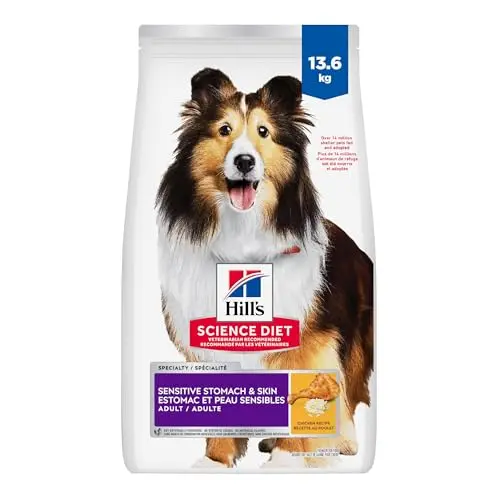
Sensitive Stomach & Skin – Chicken Recipe Digestive Support
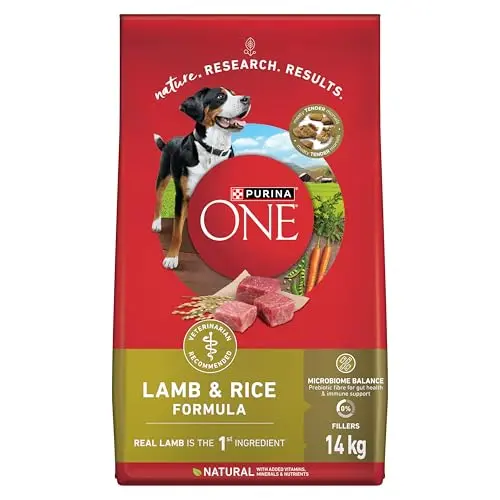
Microbiome Balance Lamb & Rice – Prebiotic Gut Health
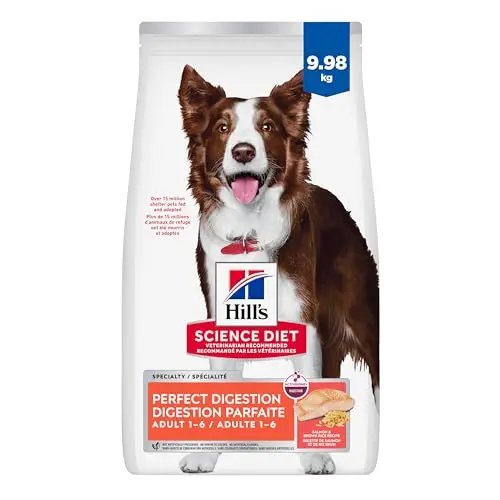
Perfect Digestion Salmon & Oats – 7-Day Gut Support
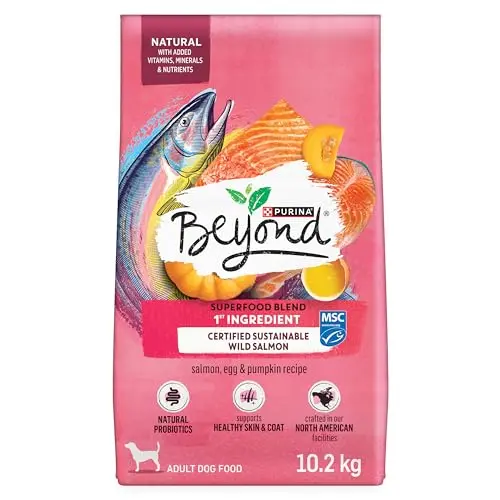
Superfood Blend Salmon, Egg & Pumpkin – Limited Ingredient Dry Food
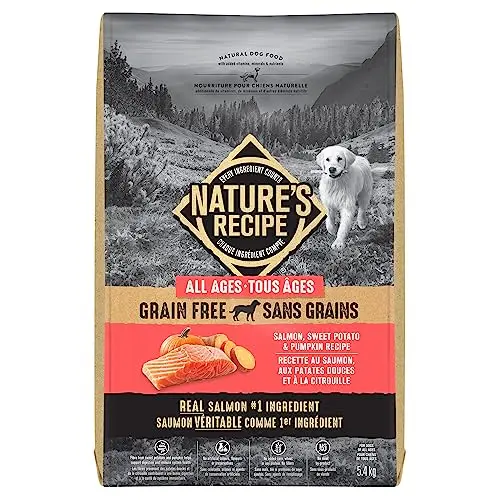
Grain Free Salmon, Sweet Potato & Pumpkin – Simple Dry Food
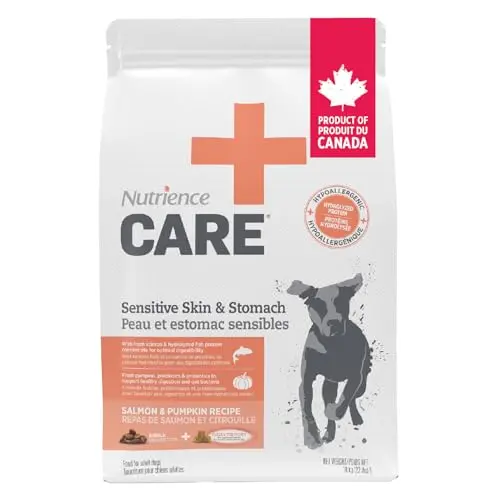
Care Sensitive Skin & Stomach Salmon – Digestiboost Formula
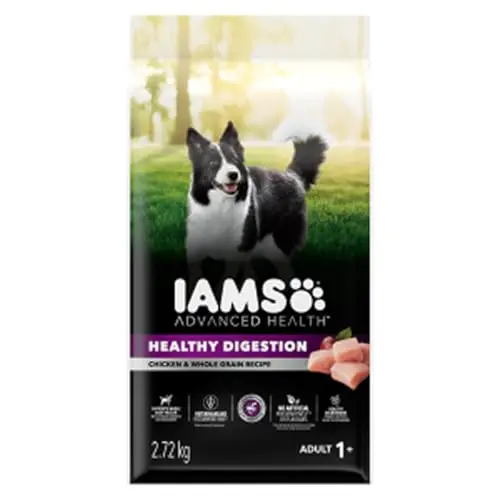
Advanced Health Healthy Digestion – Chicken & Whole Grain Economy Kibble
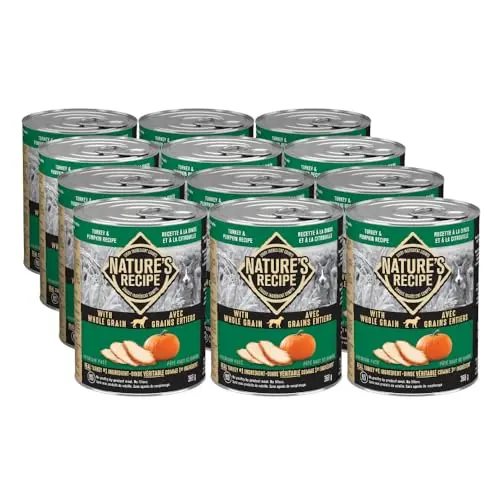
Turkey & Pumpkin Pate – Easy-Digest Wet Food
How We Evaluated These Non Prescription Dog Food for Pancreatitis
We didn’t run controlled feeding trials in a veterinary clinic. What we did: cross-referenced 8 non-prescription dog food models from 6 distinct brands across 5 decision axes – digestibility, ingredient quality, fat moderation, prebiotic/probiotic support, and real-world gut health outcomes. We triangulated published specifications, ingredient panels, and aggregated owner feedback where available against the specific needs of dogs managing pancreatitis.
The scoring framework weighted real-world digestive performance (60%) – how consistently a formula supports firm stools and gut comfort – against feature differentiation (40%) – unique prebiotic blends, novel protein sources, and targeted skin‑and‑stomach support. We have no commercial relationship with any of the brands featured; recommendations track fit and differentiation, not brand preference. If you’re seeking a recipe that closely mirrors a prescription‑grade digestive profile, the Hill’s Science Diet Sensitive Stomach & Skin is our top match; if you want robust microbiome support at a gentler price, the Purina ONE Microbiome Balance earns its spot as our value pick.
How to Choose the Right Non Prescription Dog Food for Pancreatitis
What Makes a Dog Food Suitable for Pancreatitis?
Pancreatitis is inflammation of the pancreas, and diet plays a critical role in recovery and prevention. The ideal food is low to moderate in fat, because fat stimulates the pancreas. It must also be highly digestible so the gut doesn’t have to work hard to extract nutrients. Look for recipes that list a single, named animal protein first and incorporate soothing fibres like beet pulp, pumpkin, or oats – these help stabilize stool without triggering pancreatic enzyme release.
Why Low-Fat, Highly Digestible Formulas Matter
Fat is the biggest dietary trigger for pancreatitis flare‑ups. Even a single high‑fat meal can send a susceptible dog back to the vet. Non‑prescription foods can’t legally claim ‘low‑fat” below a certain threshold, but those marketed for sensitive stomachs, weight management, or digestive care typically keep fat under 10-12% on a dry‑matter basis. Pair that with easily absorbed proteins (like chicken meal, salmon, or lamb) and the digestive workload drops noticeably – exactly what an inflamed pancreas needs.
Key Ingredients to Look For (and Avoid)
Prioritize pumpkin, a natural source of soluble fibre that firms up loose stools without adding irritants. Oatmeal and brown rice provide gentle, low‑glycaemic carbohydrates. Prebiotics – inulin, chicory root, beet pulp – feed beneficial gut bacteria, which in turn reduce intestinal inflammation. Steer clear of generic animal by‑products, unnamed fats, and artificial additives. If your dog also has skin issues, omega‑3s from salmon oil or flaxseed can calm systemic inflammation.
Non-Prescription vs. Prescription Diets: What's Realistic?
Veterinary prescription diets go ultra‑low‑fat (often under 8%) and are clinically tested for pancreatitis. Non‑prescription foods can’t always hit that number, but many come close. The trade‑off is cost and accessibility – no recurring vet visits or script refills. For mild to moderate cases, or for maintenance after a flare, a high‑quality over‑the‑counter formula can work well. However, if your dog has had severe attacks, consult your vet. You can often use a non‑prescription sensitive‑stomach food as a base and supplement with low‑fat fresh additions like cooked pumpkin or skinless chicken.
Hill's Science Diet vs Purina ONE: Which for Pancreatitis?
Hill’s Sensitive Stomach & Skin leans heavily on prebiotic beet pulp and has a long track record in veterinary circles. It’s an excellent all‑round digestive soother. Purina ONE Microbiome Balance uses a wider prebiotic mix to target the gut flora directly and offers lamb as an alternative protein. For dogs who’ve had repeated pancreatitis episodes and need maximum dietary predictability, Hill’s often edges ahead. If budget and protein rotation matter more, Purina ONE is a reliable, wallet‑friendly performer that doesn’t cut corners on digestive science.
Wet Food vs. Dry Kibble: Does It Matter for Pancreatitis?
The format can matter. Wet food typically has fewer carbohydrates and higher moisture content, which can help keep a dog hydrated and reduce the osmotic load on the gut – beneficial during recovery. However, many wet foods are higher in fat, so read labels carefully. The Nature’s Recipe Turkey & Pumpkin Pate in our roundup is a rare example where the fat stays moderate and the recipe stays simple. For most owners, a high-quality dry food with prebiotics does the job, but adding a spoonful of low‑fat wet food can boost palatability and water intake when appetite wanes.
Frequently Asked Questions
What's the difference between Hill's Science Diet Sensitive Stomach & Skin and Hill's Perfect Digestion for pancreatitis?
Both are highly digestible, but they take different routes. The Sensitive Stomach & Skin recipe uses chicken, beet pulp prebiotics, and omega‑6s to address dual skin and digestive concerns. The Perfect Digestion formula swaps in salmon as a novel protein and adds ActivBiome+ technology with pumpkin and oats, promising firmer stools in 7 days. For pancreatitis, the lower‑fat profile of Sensitive Stomach may be marginally better, but many dogs with chronic loose stools respond faster to Perfect Digestion. If your dog has never tried salmon, consider the Sensitive Stomach first to avoid a new potential trigger.
Can I manage my dog's pancreatitis solely with non-prescription food?
In many mild to moderate cases, yes – especially if you pair a high‑quality non‑prescription formula with portion control, zero table scraps, and consistent feeding schedules. Foods like our top pick provide a strong foundation. However, dogs with a history of severe attacks or concurrent conditions (like hyperlipidaemia) may need a prescription ultra‑low‑fat diet. Always transition slowly and monitor stool; if you see greasiness, vomiting, or abdominal pain, consult your vet immediately.
Are all 'low‑fat' or 'sensitive‑stomach' dog foods safe for pancreatitis?
Not necessarily. Marketing terms aren’t regulated on pet food labels, so ‘sensitive stomach” can mean anything from added probiotics to only a single protein source without a meaningful fat reduction. Check the guaranteed analysis: for dogs with pancreatitis, you want fat content roughly between 8‑12% on a dry‑matter basis. The recipes in this roundup were selected based on their blend of digestibility, prebiotics, and moderate fat, but always flip the bag and compare. Avoid any food with added oils high on the ingredient panel unless it’s a controlled source like fish oil.
Do I really need a prescription diet for pancreatitis, or are non‑prescription options enough?
Prescription diets are the gold standard for acute pancreatitis because they’ve been formulated and tested to be ultra‑low‑fat (<8%). They’re essential during and immediately after a severe flare. For long‑term maintenance or mild, recurring episodes, many dogs do well on a carefully chosen non‑prescription food. The key is vigilance: keep a diary, watch stools, and have your vet run blood work periodically. If enzyme levels stay normal and symptoms don’t return, you’ve likely found a sustainable over‑the‑counter solution.
Final Verdict
For most dogs coping with pancreatitis, the Hill’s Science Diet Sensitive Stomach & Skin is the standout – it blends vet‑backed digestibility with a proven prebiotic and skin‑soothing extras. If keeping costs in check matters, the Purina ONE Microbiome Balance delivers nearly equal digestive support for a fraction of the price. Dogs with concurrent skin trouble should look to the Nutrience Care Sensitive Skin & Stomach for its dual focus. And if hydration or pickiness is an issue, keep a case of Nature’s Recipe Turkey & Pumpkin Pate on hand. With smart feeding and a watchful eye, your dog can thrive on a non‑prescription plan.