
Adding a splash of oil to your dog’s kibble might seem like a small step, but it can transform a dull coat into a glossy one and ease those annoying itches that drive you both crazy. As diet supplements go, few are as straightforward-or as effective-as a good omega-3-rich oil drizzled over food.
But not all oils are created equal. From single-source salmon to wild Icelandic blends and even plant-based alternatives, your choice affects everything from coat softness to joint mobility. We surveyed the market to bring you the standout picks, so you can stop guessing and start seeing results.
Best Oils for Dog Food – 2026 Reviews
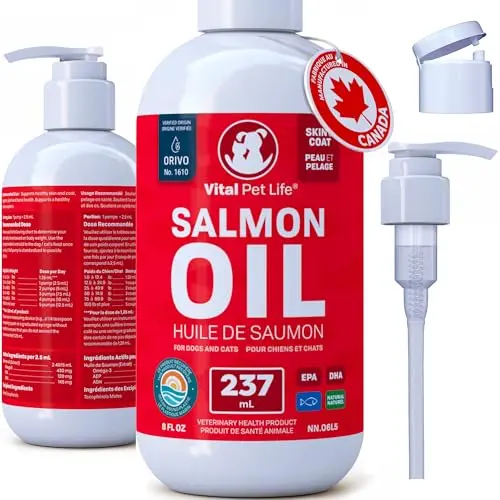
Salmon Oil – Healthy Skin & Shiny Coat
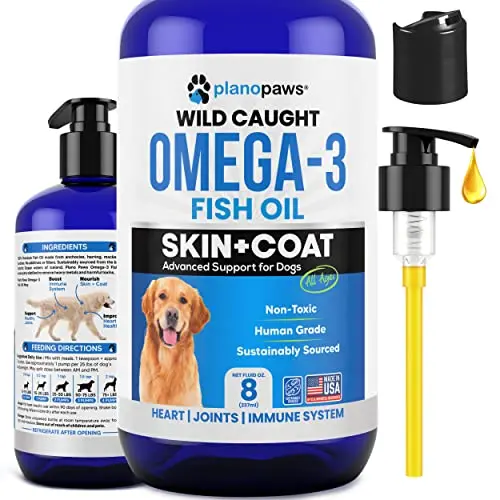
Wild Omega 3 Fish Oil – Overall Wellness Support
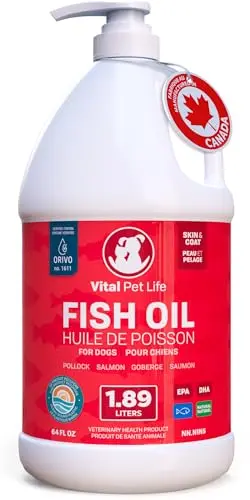
Salmon Oil – Bulk Value Skin & Coat Care
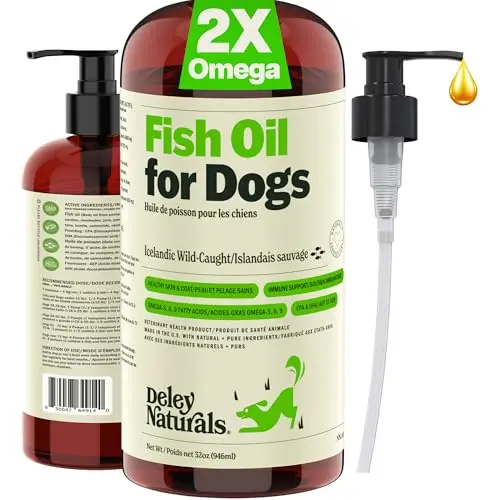
Icelandic Fish Oil – 2X Omega-3 for Skin & Shedding
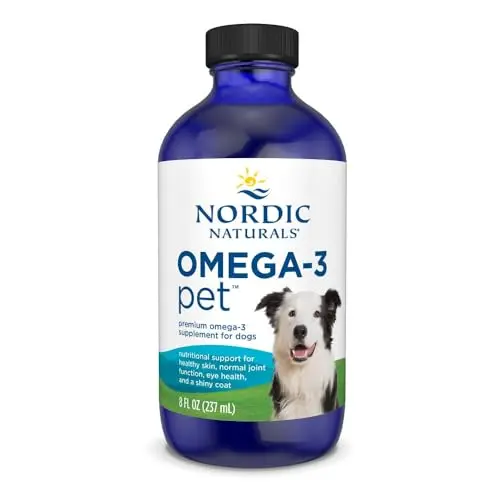
Omega-3 Pet – Wild-Caught Sardine & Anchovy Oil
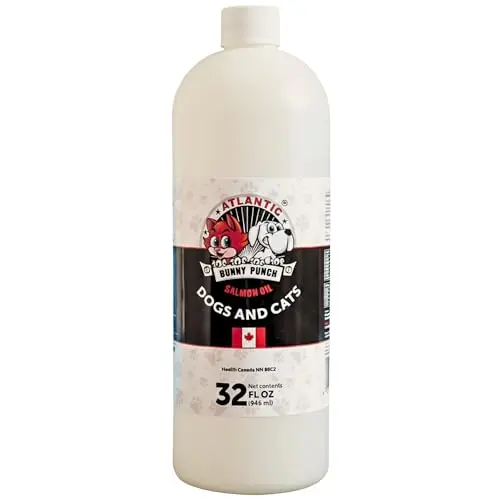
Pure Atlantic Salmon Oil – Single-Ingredient Food Topper
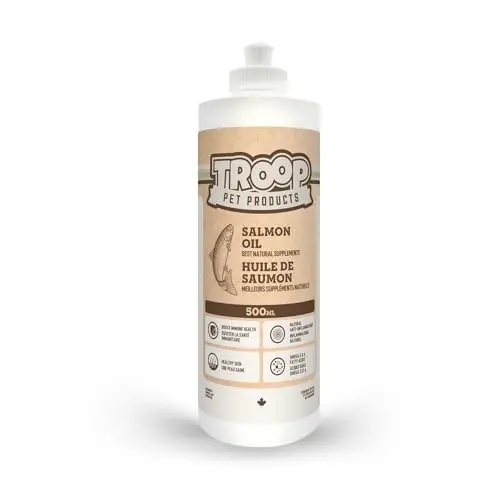
Norwegian Salmon Oil – Pure Omega-3 for Joints & Mobility
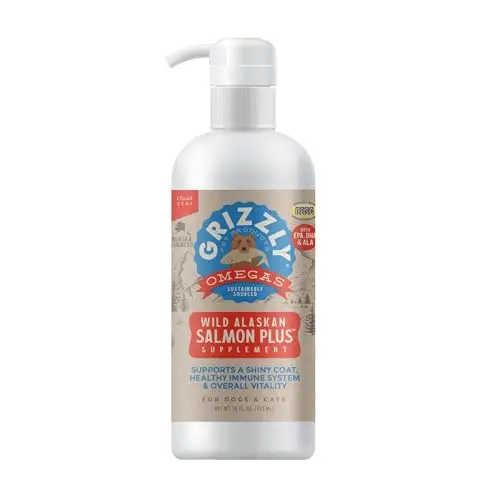
Salmon Oil – Wild-Caught Alaskan Omega-3s
How We Evaluated These Oils for Dog Food
We didn’t run laboratory purity tests or long-term feeding trials. What we did: cross-referenced 8 oil models from 7 distinct brands across five decision axes-omega-3 concentration, sourcing and purity, taste acceptance, ease of use, and value per serving. We triangulated published specifications, ingredient sourcing details, and aggregated owner feedback where available.
The scoring framework weighted real-world performance (60%)-how well each oil delivered on skin, coat, and joint outcomes-against feature differentiation (40%)-unique advantages like concentrated EPA/DHA, sustainable certification, or included pumps. We have no commercial relationship with any of the brands featured; recommendations track fit and differentiation, not brand preference. If you’re looking for an everyday salmon oil that checks all the boxes, the Vital Pet Life Salmon Oil is your match; if you want a low-odor blend with a lifetime warranty, the Plano Paws Wild Omega 3 serves you better.
How to Choose the Right Oil for Dog Food
What to look for in an oil for your dog's food
The first thing to check is the omega-3 source-salmon is the classic, but blends of sardines, anchovies, and herring can provide a broader nutrient profile. Look for oils that are wild-caught and purified through molecular distillation to remove contaminants. A clean ingredient list with no fillers or artificial preservatives is a good sign. Finally, consider the practical side: a pump makes daily dosing far less messy, and a bottle size that matches your dog’s size and usage rate prevents waste.
Salmon oil vs. fish oil blends vs. plant-based oils
Single-source salmon oil, like the Vital Pet Life Salmon Oil, offers a pure, high-EPA/DHA punch that most dogs love. Fish oil blends-like the Plano Paws or Nordic Naturals-bring a mix of small fatty fish that can round out the omega-3 profile. Plant-based oils, such as camelina, are a niche alternative for dogs with fish allergies, but they lack the long-chain EPA and DHA that animal sources provide. If your dog has no dietary restrictions, stick with marine oils for the most direct benefits.
How to introduce oil to your dog's meals
Start with a small amount-half the recommended dose for the first few days-to let your dog’s digestive system adjust. Mix it thoroughly into wet or dry food. Most dogs accept the taste eagerly, but if yours is hesitant, try a stronger-flavoured wet food or a tiny drizzle of low-sodium broth. Gradually increase to the full dose over a week. If you’re switching between oils, do it slowly to avoid tummy upsets.
Understanding omega-3 content: EPA and DHA
Not all omega-3s are equal. EPA tackles inflammation-critical for itchy skin and stiff joints-while DHA supports brain and eye health. A good oil lists both amounts clearly. Some products, like the Deley Naturals, claim double the EPA/DHA of standard oils; if your dog has pronounced shedding or arthritis, that concentration can matter. However, for general maintenance, a balanced ratio in a well-sourced oil is plenty.
Bulk buying vs. smaller bottles: what's right for your feeding routine?
If you have a single small dog, a 237ml or 500ml bottle may last two months-buying a giant jug risks the oil oxidizing before you finish it. For multi-dog homes or large breeds, the Vital Pet Life 1.89L jug offers significant savings per ounce. Oils spoil once opened, so always check the manufacturer’s use-within window and store in a cool, dark place.
Frequently Asked Questions
What's the difference between Vital Pet Life and Plano Paws salmon oils?
The Vital Pet Life is a single-source salmon oil, while Plano Paws blends sardines, anchovies, herring, and mackerel. Both are wild-caught and purified, but Plano’s blend offers a wider range of fatty acids. Vital has a slightly cleaner, milder scent; Plano is virtually odorless. In practice, both deliver excellent coat and skin results, so the choice often comes down to whether you prefer a single fish source or a blend-and whether you want a lifetime warranty (Plano).
How does Nordic Naturals compare to Deley Naturals for skin and coat health?
Nordic Naturals uses a pharmaceutical-grade purification process on wild sardines and anchovies, backed by third-party testing. It’s a premium, small-batch oil with a mild taste. Deley Naturals focuses on concentrated EPA and DHA from Icelandic fish, ideal for heavy shedders or older dogs needing extra joint support. Nordic shines in trust and purity; Deley in potency. If your dog has severe skin issues, Deley’s higher omega-3 load may bring faster relief; for everyday wellness, Nordic’s consistency is hard to beat.
Can I give my dog fish oil every day?
Yes, daily supplementation is safe and often recommended, especially if your dog’s regular diet is low in omega-3s. The key is proper dosing-follow the label’s weight-based guidelines and start slowly. Overdosing can lead to greasy stools or an upset stomach, so stick to the suggested amount unless your vet advises otherwise. Once you find the right dose, consistent daily use yields the best coat and joint results.
How much oil should I add to my dog's food?
Most products provide a weight-based chart on the bottle. A typical starting point is about 1 teaspoon per 30 pounds of body weight per day. Begin with half that for the first week, then ramp up. Large dogs may need 2-3 teaspoons. Always measure with the included pump or a dedicated spoon, and adjust based on stool consistency-if it becomes loose, scale back slightly.
Is plant-based oil a viable alternative to fish oil for dogs?
Plant oils like camelina or flaxseed can provide short-chain omega-3s (ALA), but dogs convert ALA to EPA and DHA very inefficiently. For the direct anti-inflammatory and skin benefits that fish oil delivers, marine sources are far superior. Plant-based options are best reserved for dogs with confirmed fish allergies or when a vegan diet is medically necessary. For most pups, a high-quality fish or salmon oil is the more effective choice.
Why do some oils have a stronger fishy smell, and does it matter?
A strong smell often indicates less refining or oxidation. Properly distilled oils-like those from Plano Paws or Nordic Naturals-have a very faint scent. Dogs generally don’t mind the aroma, but a very fishy smell can signal lower purity or beginning spoilage. If the scent is overwhelming when you open a new bottle, it’s worth checking the packaging for damage. In terms of effect, the smell itself doesn’t reduce the oil’s benefits, but it can make storage and handling less pleasant.
Final Verdict
For most dogs, the Vital Pet Life Salmon Oil is the answer-it’s pure, well-sourced, and the pump makes daily dosing effortless. If you can’t stand a fishy smell, the low-odor Plano Paws Wild Omega 3 is a worthy runner-up backed by a lifetime warranty. For multi-dog families chasing the best cost per ounce, the bulk Vital Pet Life 1.89L jug pays for itself quickly. And if you’re on a tight budget, the Troop Norwegian Salmon Oil proves you don’t have to compromise on quality. Whichever you pick, your dog’s coat-and your vacuum cleaner-will thank you.