
When your dog’s water bowl spends as much time on the patio as it does inside, you need something that can handle sun, rain, and enthusiastic lapping without sliding across the deck or rusting after a week. Outdoor dog bowls need to be tough, stable, and easy to clean – and ideally large enough that you’re not refilling them every hour.
We surveyed the market to find bowls that balance durability with practical features like non-slip bases, weather-resistant materials, and capacities suited to multi-dog households. Whether you’re looking for a heavy-duty stainless steel bowl that stays put or a collapsible option for hiking, our guide breaks down what matters most for outdoor use.
From budget-friendly plastic to insulated stainless steel, the right outdoor bowl depends on your dog’s size, drinking style, and where you plan to use it. Our recommendations focus on real-world performance and owner feedback, so you can pick a bowl that holds up – wherever the day takes you.
Best Outdoor Dog Bowls – 2026 Reviews
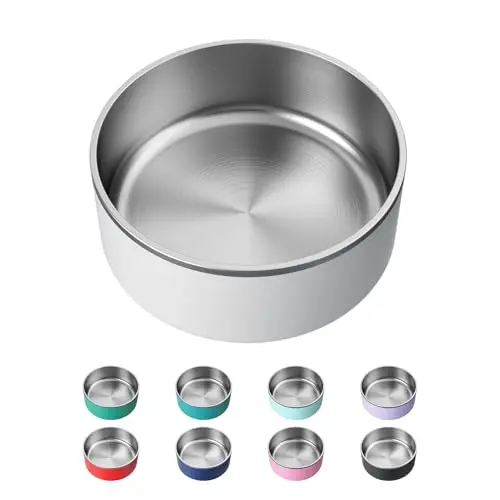
40oz Stainless Steel Bowls – Non-Slip & Durable for Outdoor Use
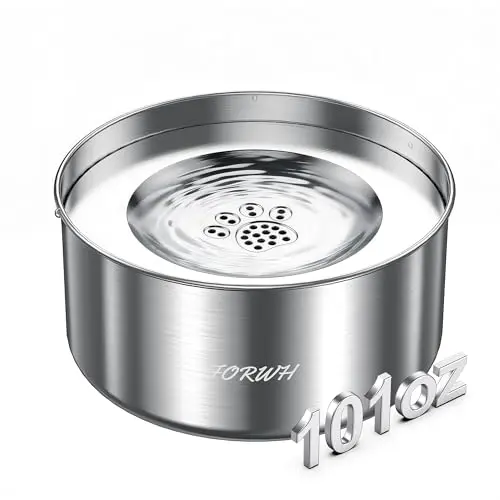
No-Spill 3L Bowl – Splash-Proof Travel Companion
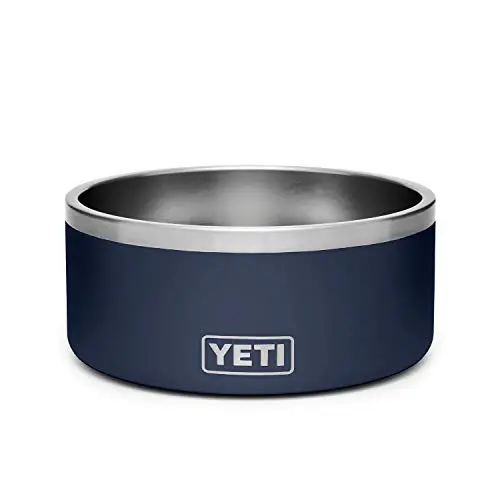
Boomer 8 – Premium 64oz Stainless Steel Bowl
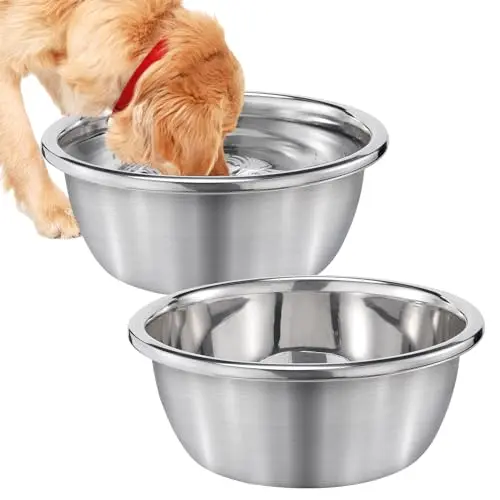
1.3 Gallon Two-Pack – Extra-Large Capacity for Multi-Dog Homes
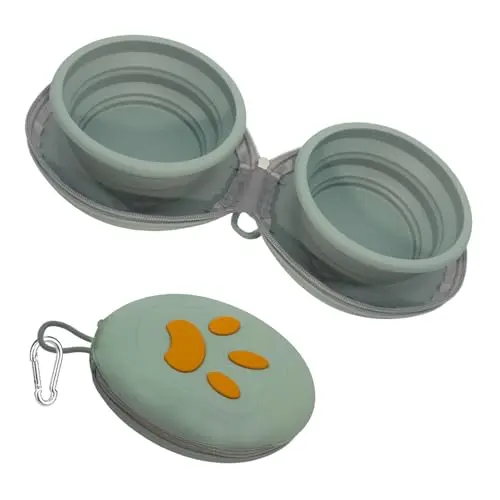
Collapsible Silicone Bowl – Portable & Compact for Hiking and Camping
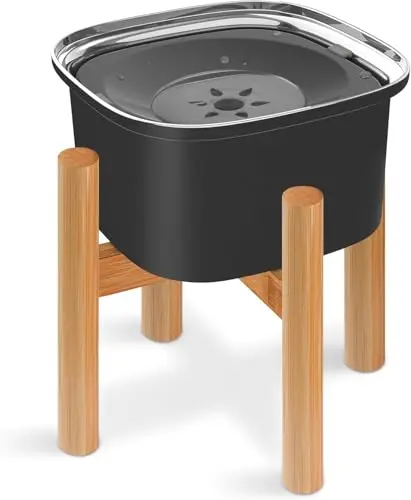
Elevated 3L Slow Water Bowl – Raised Stand for Large Dogs
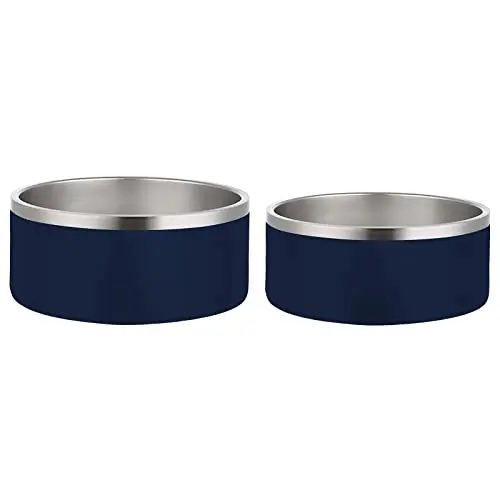
64oz & 32oz Set – Double-Wall Stainless Steel with Non-Slip Base
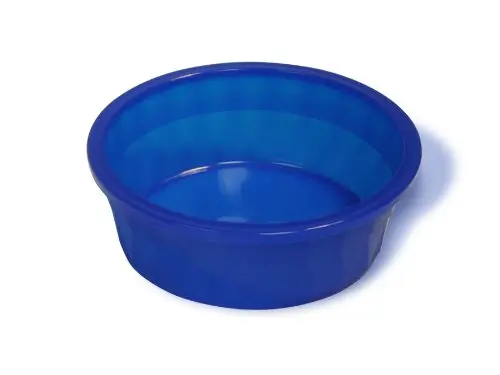
106oz Crock Style Bowl – Heavyweight Plastic for Large Breeds
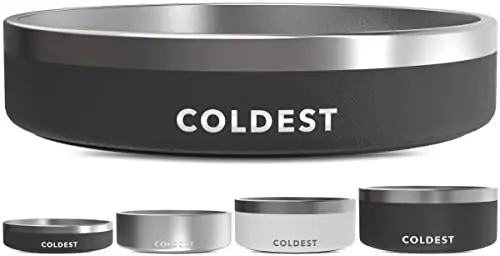
21oz Insulated Bowl – Triple-Wall for Temperature Control
How We Evaluated These Outdoor Dog Bowls
We didn’t see these bowls through a full season of sun and rain, but we cross-referenced published specifications, design features, and aggregated owner feedback to assess how they hold up outdoors. Our evaluation looked at 9 dog bowl models from 9 distinct brands, comparing them across seven key dimensions: material durability, capacity, non-slip grip, ease of cleaning, portability, spill-proof design, and use-case specificity for outdoor settings.
The scoring framework weighted real-world outdoor performance (60%) – how well each bowl resists sliding, rust, and weather while meeting a dog’s hydration needs – against feature differentiation (40%), which rewards unique design elements like collapsibility, slow-drink disks, or elevated stands. We triangulated manufacturer specs with owner feedback where available, and our picks reflect cross-brand comparison, not brand loyalty. If you need a dependable everyday outdoor bowl, the LIHOOOOM is the pick; if you’re travelling, the FORWH is tailor-made.
How to Choose the Right Outdoor Dog Bowl
What Makes a Dog Bowl Outdoor-Ready?
Outdoor bowls need to withstand more than indoor dishes. Look for rugged materials – stainless steel or heavy‑duty plastic – that won’t crack in freezing temperatures or warp in the sun. A non‑slip base is critical for decks and patios; bowls without one will skate across the floor as your dog laps. If the bowl will live outside, rust resistance is non‑negotiable, so prioritise 304 or 18/8 stainless steel over lower‑grade metals.
Stainless Steel vs. Plastic: Which Material Lasts Outdoors?
Stainless steel is king for outdoor longevity – it’s impervious to UV damage, won’t absorb odours, and resists rust when properly graded. A quick rinse restores its shine. Plastic bowls, like the Van Ness Crock, are lighter and cheaper, but they can develop scratches that harbour bacteria and may eventually fade and become brittle after prolonged sun exposure. For a bowl that lives outdoors full‑time, steel is the safer bet; for occasional trips, plastic can suffice.
Capacity and Portability: How Much Water Does Your Dog Need on the Go?
Capacity drives how often you’ll refill. A large dog can drink up to a gallon per day in hot weather, so 64 ounces or more is sensible for a stationary outdoor bowl. The MEWTOGO 1.3‑gallon bowls give multi‑dog homes a full‑day reservoir. For hikes, collapsible bowls like the Gdsun fold flat but hold only enough for a water break – plan to refill frequently.
Non-Slip and Spill-Proof Features for Mess-Free Hydration
A bowl that stays put is a safety issue. Non‑slip rings (like on the YETI and LIHOOOOM) or weighted bases prevent sliding, while floating‑disk designs (FORWH, Decflow) slow drinking and stop splashing. If your dog is a messy drinker, a no‑spill bowl can save you from constant puddle clean‑up. Just note that disks require weekly cleaning and may puzzle some dogs initially.
Cleaning and Maintenance: Keeping Outdoor Bowls Sanitary
Outdoor bowls collect dirt, pollen, and saliva residue, so dishwasher‑safe models are a convenience win. Stainless steel bowls can go straight into the dishwasher; plastic bowls generally need hand washing to avoid warping. Even with easy‑clean surfaces, commit to a quick rinse daily and a thorough wash at least weekly. For bowls with rubber rings, pop them off occasionally to scrub trapped grime.
Choosing Between Travel Bowls and Stationary Bowls
Decide where the bowl will live most of the time. A stationary bowl (YETI, MEWTOGO) can be larger and heavier; it stays on the patio. A travel bowl (FORWH, Gdsun) needs to be compact, spill‑proof, and easy to clean on the road. If you hike or road‑trip regularly, a dedicated portable bowl is worth the investment; if your dog’s outdoor time is primarily in your yard, go for capacity and durability.
Frequently Asked Questions
What's the difference between the YETI Boomer 8 and the LIHOOOOM bowl?
Both are stainless steel with non‑slip rings, but the YETI Boomer 8 is larger (64 oz vs. 40 oz) and uses ultra‑tough 18/8 steel with a proprietary Bearfoot ring. It’s heavier and pricier. The LIHOOOOM is lighter and more budget‑friendly while still delivering good non‑slip performance and durable 304 steel. Choose YETI for the ultimate in chew‑proof longevity for large dogs; pick LIHOOOOM if you want a capable everyday bowl at a lower cost.
Are collapsible silicone bowls durable enough for hiking?
Yes, for trail use they’re excellent. Quality silicone bowls like the Gdsun are BPA‑free, tear‑resistant, and dishwasher safe. They won’t survive a dedicated chewer, but for normal hiking and camping, they hold up well. Their main limit is capacity – refill often on long treks – not durability.
Can stainless steel dog bowls rust if left outside?
High‑grade stainless steel (304 or 18/8) resists rust in typical outdoor conditions, especially if you don’t let water sit for days. Lower‑grade steel or damaged coatings can corrode. Some owners of the Coldest bowl reported rust inside, likely due to its small size and prolonged moisture. To be safe, rinse and dry your bowl periodically, even outdoors.
How do I stop my dog from spilling water everywhere outdoors?
A non‑slip base is the first defence – bowls like the LIHOOOOM or YETI stay put. If dribble is the issue, a floating‑disk bowl (FORWH, Decflow) controls the water level so your dog can’t gulp and spill. For extreme slobberers, an elevated bowl that catches drips may help. The FORWH is our pick for splash‑free drinking on the go.
What size outdoor bowl do I need for a Great Dane?
Think big – 64 ounces is a minimum, and 1 gallon or more is better. The Van Ness 106‑oz crock or the MEWTOGO 1.3‑gallon bowls give a giant breed enough water for a full day. Height matters too: an elevated bowl like the Decflow reduces neck strain, but you’ll need a tall enough stand. For a simple bowl, just make sure it’s wide and stable so it doesn’t tip.
Final Verdict
For most dogs, the LIHOOOOM 40oz stainless steel bowl nails the outdoor essentials: durable, non‑slip, and easy to clean. It’s the everyday workhorse that handles sun, rain, and enthusiastic eaters without fuss. If you need a spill‑proof solution for car trips or camping, the FORWH no‑spill bowl is purpose‑built for the road. And when money is no object and you want a bowl that will outlast your dog, the YETI Boomer 8 is the premium tank. Whichever you choose, a good outdoor bowl means less mess and more time enjoying the backyard with your best friend.