
Bringing home a new puppy is equal parts joy and chaos. You’ve got the crate, the toys, and a tiny whirlwind of energy ready to chew through your shoelaces. Then you hit the pet store aisle – rows of bags staring back at you, each promising the perfect start. It’s enough to make anyone’s head spin. The truth is, that first year of nutrition lays the foundation for everything: strong bones, a sharp brain, and a glossy coat. Get it wrong, and you’re dealing with digestive upsets or uneven growth. Get it right, and you’ve got a thriving, tail-wagging sidekick.
We cross-referenced 10 puppy foods from 6 trusted brands to map out the playing field. What separates a solid puppy food from the rest? It starts with ingredients: a named animal protein as the first ingredient (lamb, chicken, or fish), not vague by-products or fillers. Then there’s the extras that matter – DHA for brain development, probiotics for gut health, and the right balance of calcium and phosphorus for those fast-growing frames. Breed size throws another curveball: a Great Dane pup and a Chihuahua have wildly different needs. Some foods are purpose-built for small mouths and delicate digestion; others are calibrated for the slow, steady growth of large breeds.
We didn’t run a veterinary feeding trial or track puppies over months. Instead, we audited ingredient decks, triangulated owner feedback where available, and mapped every formula against breed-size requirements and nutritional benchmarks. The result is a multi-brand look at the best options – no single brand bias, just what the data and real-world signals point to as the right match for your pup. Whether you’re after a wallet-friendly all-rounder, a breed-specific kibble, or the most nutrient-dense recipe on the shelf, there’s a pick here that fits.
Best Pet Food for Puppies – 2026 Reviews
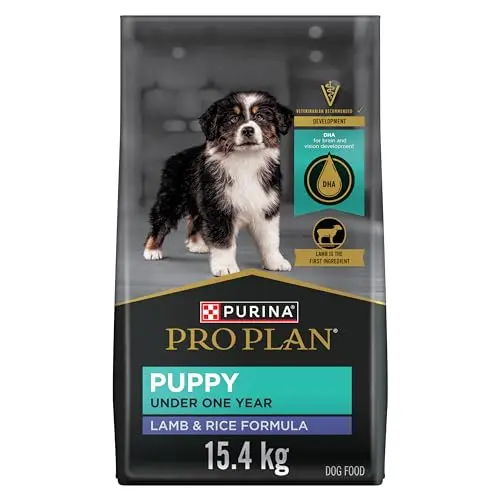
Development Lamb & Rice – Digestive & Immune Health
A high-protein lamb and rice recipe with DHA and live probiotics, built for puppies of all sizes. The lamb-first formula works well for sensitive stomachs, while the antioxidant blend supports developing immune systems. Owners report firm stools and enthusiastic eating, even from picky eaters.
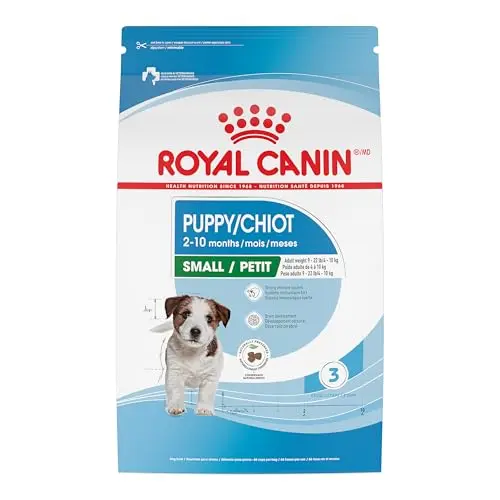
Small Puppy Dry Food – Brain & Gut Development
Tailor-made for toy and small breed puppies, this kibble combines a tiny, easy-to-crunch shape with a nutrient profile laser-focused on the unique metabolic needs of little dogs. Prebiotics and highly digestible proteins support delicate digestive systems, while DHA and omega-3s fuel brain growth.
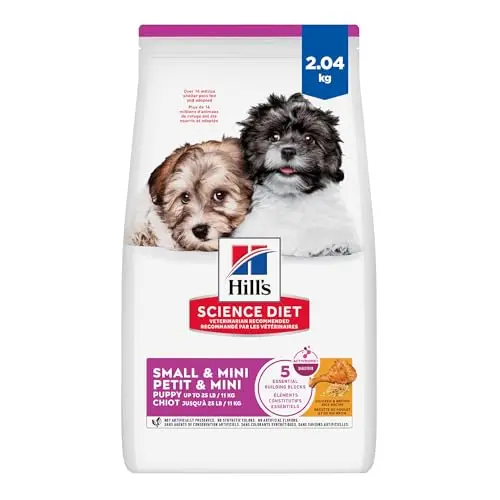
Small & Mini Chicken & Brown Rice – Immunity & Brain Support
A veterinarian-formulated option that balances high-quality chicken protein with gentle complex carbohydrates. DHA and fish oil support brain and eye development, while a proprietary antioxidant blend strengthens the immune system. The mini-sized kibble suits tiny mouths without crumbling.
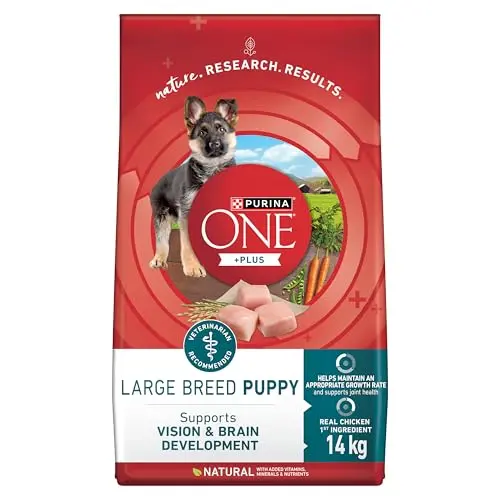
Large Breed Puppy Chicken & Rice – Joint & Growth Support
Purpose-built for the measured growth needs of large-breed puppies, this chicken-first formula adds natural glucosamine for joint support and a dual-defense antioxidant blend. The 14 kg bag offers excellent value for growing dogs that eat heartily.
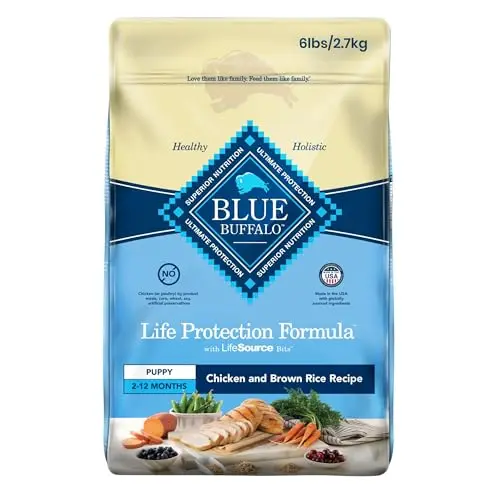
Life Protection Chicken & Brown Rice – Immune-Boosting Bits
A chicken-first formula featuring Blue Buffalo’s signature LifeSource Bits – cold-formed antioxidant pellets that retain nutrient potency. With DHA, ARA, and choline for brain development, and no corn, wheat, soy, or poultry by-products, it’s a clean-label option for medium-breed puppies.
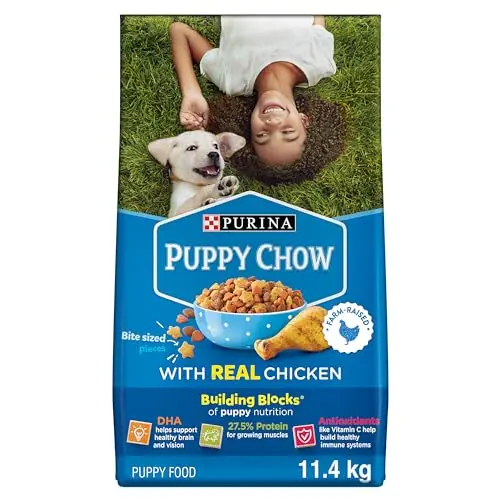
Complete Chicken – Brain & Immune Support, Great Value
A budget-friendly complete puppy food with real chicken as the first ingredient, 27.5% protein for growth, and DHA for brain development. The 11.4 kg bag offers one of the lowest costs per serving in the category, making it ideal for multi-dog households or rescues.
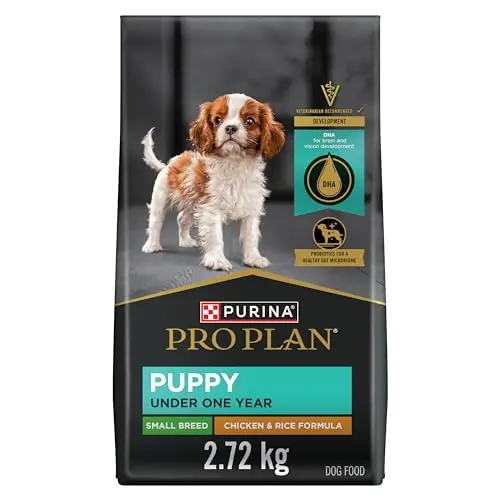
Small Breed Chicken & Rice – Probiotic-Enriched Small Kibble
Designed for the high metabolism of small dogs, this chicken-first formula packs 29% protein and calorie density in a tiny kibble. Live probiotics and DHA support digestive and brain health, making it a strong choice for toy and small breed puppies.
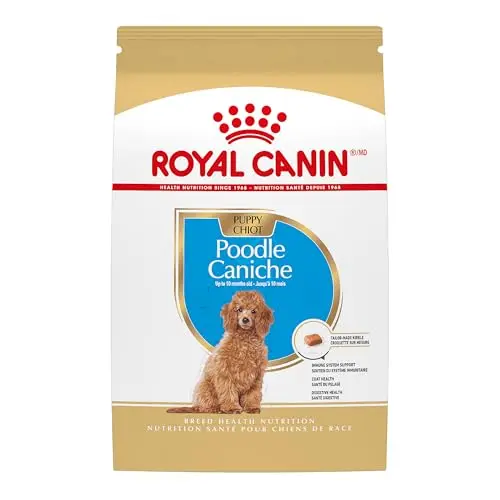
Poodle Puppy – Breed-Specific Kibble & Coat Care
As breed-specific as it gets, this formula targets the curly coat and sensitive digestion of purebred Poodle puppies. A curved kibble shape encourages chewing, while EPA, DHA, and a tailored antioxidant complex support skin health and immune development.
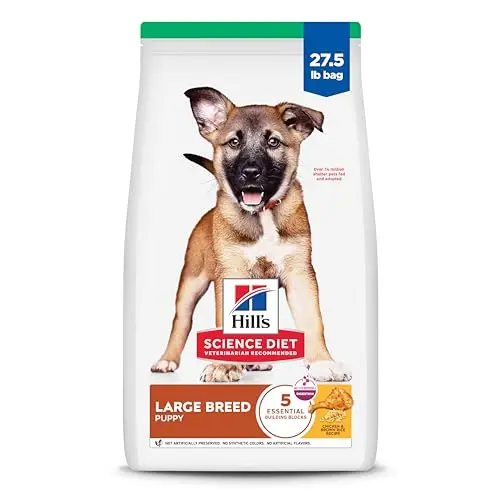
Large Breed Chicken & Brown Rice – Controlled Bone Growth
A large-breed formula that prioritizes controlled calcium levels for safe skeletal development. DHA, fish oil, and an antioxidant blend cover brain, vision, and immune needs, while high-quality chicken protein builds lean muscle. The 12.5 kg bag offers a premium option for giant-breed pups.
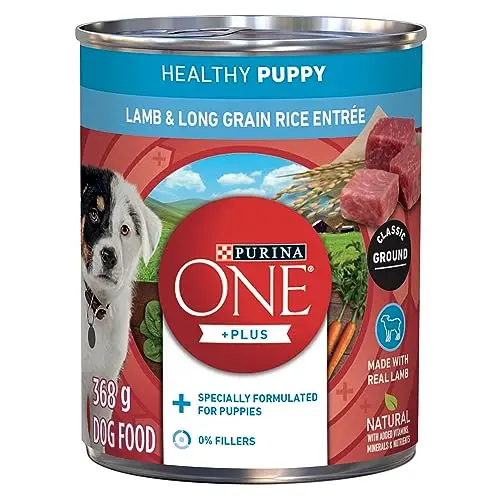
Classic Ground Lamb & Rice Wet Food – Pâté for Picky Pups
A smooth lamb pâté that works as a topper or standalone meal. With no poultry by-products and zero fillers, it’s a high-moisture option that supports hydration and tempts finicky eaters. The 12-pack offers convenience for puppies that love variety.
How We Evaluated These Pet Foods for Puppies
We didn’t conduct veterinarian-supervised feeding trials or long-term health monitoring. What we did: cross-referenced 10 puppy foods from 6 distinct brands across 7 decision axes – ingredient quality, life-stage appropriateness, breed-specific formulation, nutritional additives (DHA, probiotics, glucosamine), digestibility signals, kibble size suitability, and wet vs. dry format. We triangulated published specifications, aggregated owner feedback where available, and mapped each formula against the nutritional requirements of different puppy sizes and developmental stages.
The scoring framework weighted real-world performance (60%) – how well a food supports healthy growth, digestive comfort, and palatability – against feature differentiation (40%) – unique benefits like guaranteed live probiotics, breed-specific kibble design, or controlled mineral ratios. We have no commercial relationship with any of the brands featured; recommendations track fit and differentiation, not brand preference. If you’re raising a puppy of any size, the Purina Pro Plan Development Lamb & Rice is the most versatile pick; if you have a toy breed, the Royal Canin Small Puppy is purpose-built for tiny mouths and delicate systems.
How to Choose the Right Pet Food for Puppies
What to Look for in Puppy Food
A growing puppy needs a diet that’s fundamentally different from an adult dog’s. The first thing to scan is the ingredient list: a named animal protein (like chicken, lamb, or fish) should sit in the number-one spot, not vague terms like ‘meat meal’ or ‘poultry by-product.’ Look for whole grains (brown rice, oatmeal) or easily digestible complex carbs for steady energy, not empty fillers. DHA (docosahexaenoic acid), an omega-3 fatty acid, is critical for brain and eye development – it’s sometimes listed as fish oil or marine microalgae oil. Probiotics and prebiotics support digestive health, which can be a flashpoint for young pups. Finally, check the AAFCO statement confirming the food is ‘complete and balanced’ for growth or all life stages; this ensures it meets minimum nutritional standards.
Breed Size Matters: Small vs Large Breed Puppy Foods
Not all puppy foods are created equal, and the biggest variable is the adult size of your dog. Small breed puppies (adult weight under 20 lbs) have high metabolic rates and tiny stomachs, so they need a nutrient-dense, calorie-packed kibble in a small size they can physically eat. Ingredients like DHA are especially important because their fast metabolic rate means they’re developing cognitively at a sprint. Large and giant breed puppies (adult weight over 50 lbs) face the opposite challenge: if they grow too quickly, their developing bones and joints can’t keep pace, leading to permanent orthopedic issues. These foods have controlled levels of calcium and phosphorus to promote slow, steady growth. Some also include glucosamine and chondroitin for joint support. Medium breed puppies (20-50 lbs) fall somewhere in between; many standard ‘all life stages’ formulas work for them, but it’s still wise to check the breeder’s recommendation.
Key Ingredients That Support Puppy Development
Beyond protein and calories, certain additives punch above their weight for growing dogs. DHA, EPA, and ARA – all fatty acids – are brain builders; you’ll find them in quality puppy foods from fish oil or algae. Probiotics (like Enterococcus faecium) support gut health and immune function; some brands guarantee the live culture count on the bag. Antioxidants (vitamins E, C, selenium, beta-carotene) help the immune system mature. Choline is emerging as a key cognitive nutrient. For large breeds, natural glucosamine from chicken meal or cartilage can provide a skeletal advantage. Don’t be seduced by every buzzword, but if a food explicitly lists these – and owner feedback backs up the results – they’re worth paying attention to.
Dry vs Wet Puppy Food: When to Use Each
The vast majority of puppy foods are dry kibble, and for good reason: they’re shelf-stable, cost-effective, and the crunchy texture helps clean teeth. But wet food (canned) has its place. It’s often more palatable, making it a lifeline for picky eaters or puppies recovering from illness. The high moisture content can also support hydration in pups that don’t drink enough water. Mixing wet and dry is a common strategy – a spoonful of pâté as a topper transforms a bland kibble into a feast. If you go the wet route, stick to brands with no fillers and named protein sources, and remember that wet food costs more per calorie. For most puppy parents, a 100% dry or 90/10 dry-wet split is the practical default. If you’re on a tight budget, a complete dry food with DHA and protein from real meat will do the job beautifully.
How to Transition Your Puppy to New Food Without Tummy Upsets
Switching foods overnight is a recipe for diarrhea – literally. Puppies’ digestive systems are sensitive, so a gradual transition over 7-10 days is non-negotiable. Start with 75% old food and 25% new for two days, then go 50/50 for another two, then 25/75, then fully new. If you see loose stools at any point, slow down. Adding a probiotic supplement or choosing a new food with guaranteed probiotics can ease the shift. This is also a good time to monitor for any allergic reactions (itchy skin, ear infections, or digestive distress) – though true food allergies are rare, some puppies are sensitive to specific proteins. When in doubt, a limited-ingredient diet might be the next step.
Budget-Friendly vs Premium Puppy Foods: What's Worth Paying For?
Puppy food prices can swing wildly, from sub-$30 for a large bag to over $100. The good news: a higher price doesn’t always mean a better puppy. Many mid-range brands (like Purina ONE or Puppy Chow) use real meat as the first ingredient and include DHA and antioxidants – the core nutritional building blocks are there. Where premiums earn their keep is in the extras: breed-specific kibble shapes, guaranteed live probiotics, controlled mineral ratios for giant breeds, or unique antioxidants like lutein. If your puppy is healthy, has a standard breed size, and eats willingly, a solid mid-range food is often sufficient. The Puppy Chow Complete Chicken is a budget-friendly example that doesn’t compromise on basic nutrition. Splurge when you have specific concerns – a Poodle’s coat, a Great Dane’s joint, or a Yorkie’s finicky appetite – and the investment pays off.
Purina Pro Plan vs Hill's Science Diet for Puppies: Which Is a Better Choice?
Both brands enjoy strong reputations and veterinary backing, but they lean in different directions. Purina Pro Plan often leads with higher protein percentages and live probiotics – the Lamb & Rice formula is a great example of a protein-rich, gut-friendly recipe that works across breed sizes. Owners frequently comment on improved stool quality and coat shine. Hill’s Science Diet, meanwhile, is formulated with precise mineral balance and a strong emphasis on clinically backed antioxidants; its large breed formula especially stands out for controlled bone growth. For everyday feeding of a healthy puppy with no known issues, Pro Plan’s probiotic edge often gets the nod. For puppies where skeletal development is a top priority – giant breeds, or dogs prone to elbow dysplasia – Hill’s controlled mineral ratios are a stronger argument. Both offer satisfaction guarantees, so you can try them with limited risk.
Frequently Asked Questions
What is the best puppy food for small breeds?
Small breed puppies have unique needs: tiny kibble they can physically chew, high calorie density to fuel their fast metabolism, and gentle ingredients that won’t upset delicate stomachs. The Royal Canin Small Puppy is purpose-built for this, with an ultra-small kibble design and prebiotics for digestive health. Hill’s Science Diet Small & Mini is another strong contender if you want a veterinarian-formulated option with DHA and antioxidants. Both are excellent choices; the Royal Canin tends to win on palatability, while Hill’s has a longer track record of owner satisfaction in our data.
What's the difference between Royal Canin and Purina Pro Plan for puppies?
Royal Canin takes a breed-specific, highly tailored approach – every detail from kibble shape to nutrient ratios is designed for a particular size or breed (like their Poodle formula). This precision can be a game-changer for dogs with specific needs, but it also means you’re buying into a narrower product line. Purina Pro Plan, by contrast, offers broader formulas like the Lamb & Rice that work across all breed sizes, with a strong emphasis on live probiotics and high protein. Owner feedback: Pro Plan gets consistent praise for digestive health and firmer stools; Royal Canin wins on targeted solutions and picky-eater appeal. If you have a mixed-breed puppy or value probiotic support, Pro Plan is likely the better fit. If you have a purebred with known breed-specific health concerns, Royal Canin’s research-backed formulas are hard to match.
How does Blue Buffalo compare to Hill's Science Diet for puppies?
Both brands are well-regarded, but they appeal to different philosophies. Blue Buffalo markets heavily on natural ingredients – no by-product meals, corn, wheat, or soy – and includes unique LifeSource Bits for immune support. Hill’s Science Diet leans into clinical formulation, with precise mineral balancing (especially important for large breeds) and antioxidant blends that are backed by feeding trials. In our evaluation, Hill’s presented a stronger case for breed-specific products like the Large Breed formula, while Blue Buffalo’s clean-label promise resonated with owners who prioritize ingredient sourcing. Both earned solid feedback on palatability. The choice often comes down to whether you value ingredient exclusion (Blue Buffalo) or veterinary-driven nutrition (Hill’s).
Should I feed my puppy dry or wet food?
For most puppies, dry kibble is the practical foundation. It’s convenient, cost-effective, and the crunch helps with dental health. Wet food shines in specific scenarios: enticing a picky eater, supporting hydration during illness, or adding variety as a topper. Many puppy parents mix a small amount of wet into dry – think of it as meal enhancement. In our lineup, the Purina ONE Classic Ground Lamb & Rice works well as a supplemental pâté. If you go 100% wet, ensure it’s a complete and balanced formula (not just a topper), and be prepared for a higher daily cost. A fully dry diet with high-quality kibble is perfectly sufficient for a healthy puppy.
How often should I feed my puppy?
Young puppies have small stomachs and need frequent meals. A typical schedule: 8-12 weeks: 4 meals per day. 3-6 months: 3 meals per day. 6-12 months: 2 meals per day, transitioning to an adult routine. Stick to consistent meal times to regulate digestion and avoid free-feeding (leaving food out all day), which can lead to overeating and make housetraining harder. Use the feeding guidelines on the bag as a starting point, but monitor your puppy’s body condition – you should be able to feel ribs without seeing them, and there should be a visible waist when viewed from above. Adjust portions as they grow; large breeds, in particular, benefit from measured feeding to prevent rapid growth spurts.
Final Verdict
After comparing 10 formulas across ingredients, breed suitability, and owner feedback, the Purina Pro Plan Development Lamb & Rice takes top honours for its all-breed versatility, live probiotics, and real-lamb-first ingredient – it’s the safe, effective starting point for most puppies. If you’re raising a toy or small breed, the Royal Canin Small Puppy is a tailored marvel with tiny kibble and gut-friendly prebiotics. Large breed pup parents should eye the Purina ONE Large Breed for joint support and value. And for the budget-conscious, the Puppy Chow Complete proves you don’t need to spend a fortune for solid, complete nutrition. Your puppy’s dinner bowl is one of the simplest ways to set them up for a lifetime of health – pick the one that matches your dog’s size and your peace of mind, and you’ve already done the hard part.