
Bringing home a new puppy is exhilarating, but figuring out what to feed them can feel overwhelming-especially when every breed and size has different nutritional needs. A Great Dane puppy and a Chihuahua puppy may be equally adorable, but their bodies are building muscles, bones, and brains at dramatically different paces. That’s where breed-specific puppy food comes in: it tailors calories, protein, fat, and key nutrients like DHA and calcium to support healthy growth for your pup’s expected adult size.
In this guide, we surveyed puppy foods across six major brands to pinpoint the formulas that best match small, medium, and large breed puppies. We compared everything from kibble size and ingredient quality to digestibility and owner satisfaction. Whether you’ve just brought home a tiny terrier or a future gentle giant, our picks will help you start your puppy off on the right paw.
Best Puppy Food for Breeds – 2026 Reviews
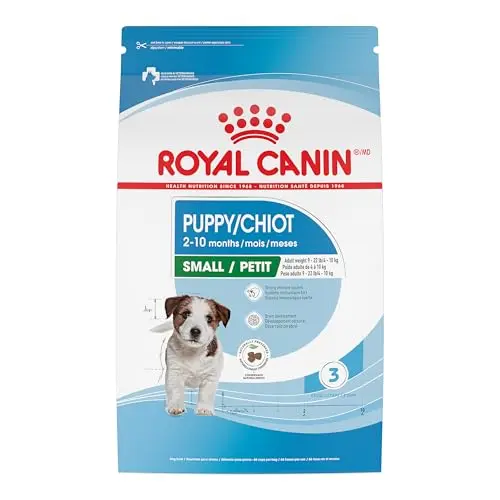
Small Puppy – Tailored Nutrition for Growth
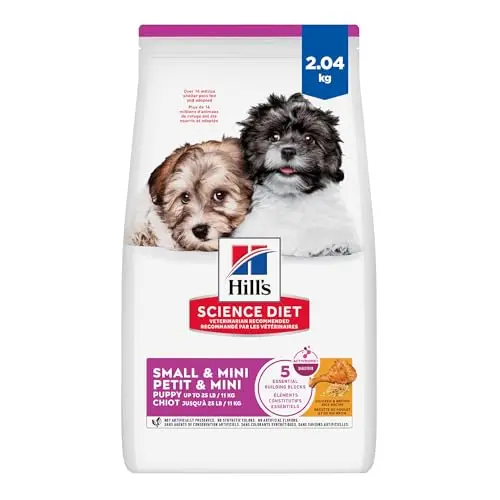
Small & Mini – Balanced Growth for Tiny Pups
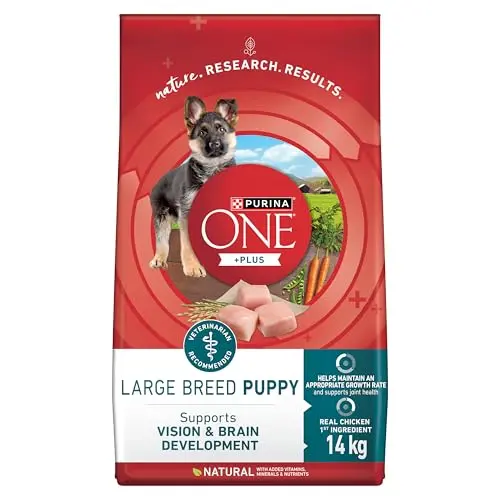
+Plus Large Breed – Joint Support for Growing Giants
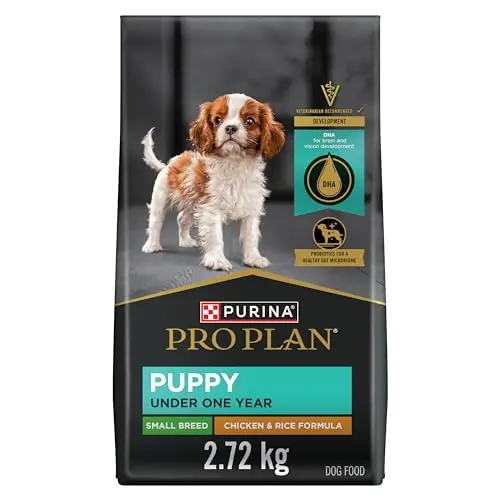
Development Small Breed – Affordable High-Quality Bites
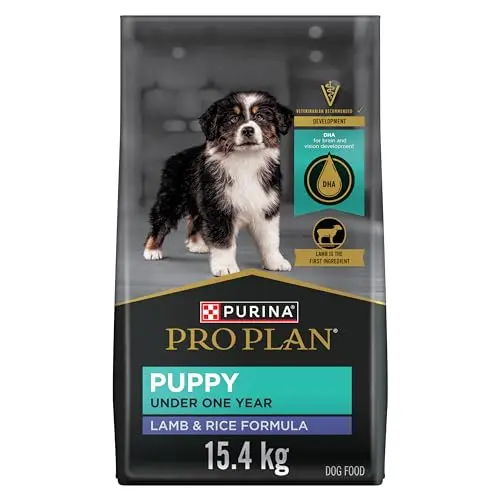
Development Lamb & Rice – Premium Protein for All Breeds
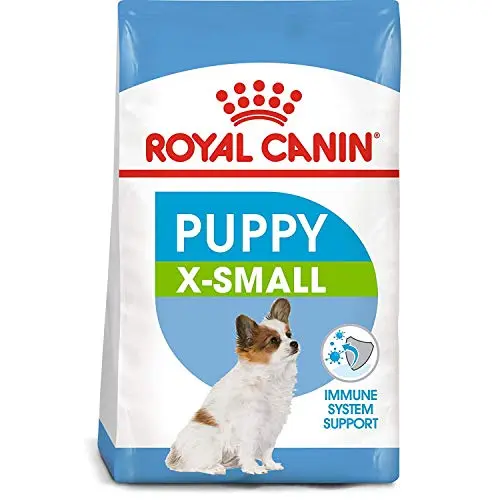
X-Small Breed – Miniscule Kibble for Teacup Pups
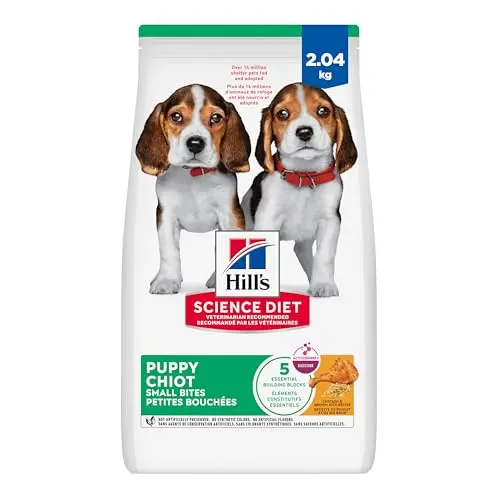
Puppy Small Bites – Gentle Digestion for Delicate Pups
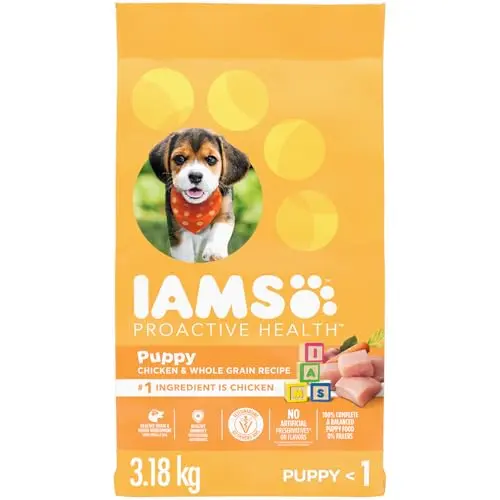
ProActive Health Puppy – Budget-Friendly Start
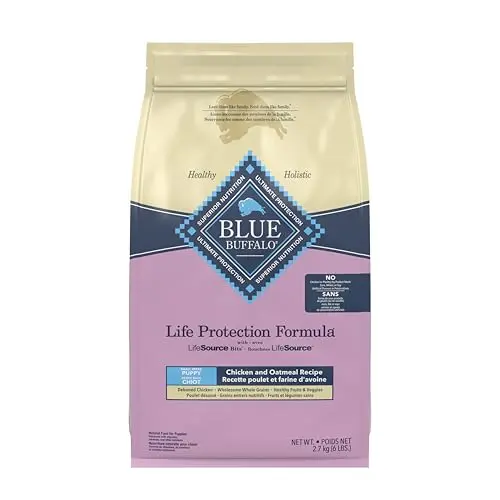
Life Protection Small Breed – All-Natural with LifeSource Bits
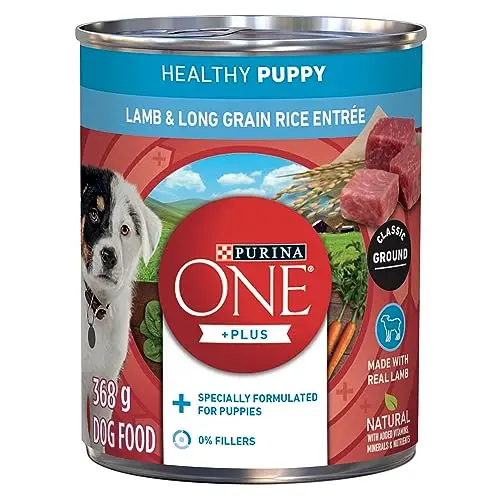
+Plus Classic Ground Lamb & Rice Wet – Savoury Pâté for Picky Pups
How We Evaluated These Puppy Foods for Breeds
We didn’t conduct controlled feeding trials or long-term health monitoring. What we did: cross-referenced 10 puppy food models from 6 distinct brands across 5 decision axes – breed-size specificity, ingredient quality, key nutrients (DHA, probiotics, glucosamine), kibble size and texture, and owner satisfaction signals. We triangulated published specifications, aggregated owner feedback where available, and use-case fit against representative puppy profiles: small breed, large breed, and budget-conscious buyers.
The scoring framework weighted real-world performance (60%) – how well each formula meets the developmental needs of its target breed size – against feature differentiation (40%) – unique advantages like live probiotics, tailored kibble size, or joint-supporting ingredients. Our recommendations track fit and differentiation, not brand preference. If you’re raising a small breed, the Royal Canin Small Puppy is purpose-built for the job; for large breeds, the Purina ONE Large Breed supports big-frame growth best.
How to Choose the Right Puppy Food for Breeds
Why Breed-Specific Formulas Matter
Not all puppies grow at the same rate. Large breed puppies like Great Danes need controlled calcium and calorie levels to avoid growing too fast, which can strain developing joints. Small breed pups, on the other hand, have higher metabolic rates and can benefit from more calorie-dense food in smaller kibble. Breed-specific formulas adjust these nutritional balances, making it easier to feed correctly without guesswork.
Key Ingredients to Look For in Puppy Food
Regardless of breed size, certain nutrients are non-negotiable. DHA from fish oil supports brain and eye development. High-quality animal protein (chicken, lamb) builds lean muscle. Prebiotics and probiotics aid digestion, which can be sensitive in young puppies. For large breeds, glucosamine and chondroitin are often added for joint health. When scanning labels, prioritise foods that name a specific meat first and avoid vague by-products or fillers.
Kibble Size: Why It Matters for Small vs Large Breeds
Small breed puppies can struggle with oversized kibble, leading to choking or disinterest. Products like Royal Canin X-Small Breed offer miniscule, crunchy pieces that encourage chewing. Large breed puppies may gulp tiny kibble without chewing, so larger sizes are preferable. Always check the bag for a breed-size recommendation; many foods are specifically designed with kibble dimensions in mind.
Dry vs. Wet Food: Which is Better for Puppies?
Dry food is generally more convenient, cost-effective, and promotes dental health through chewing. However, some puppies are picky or need extra hydration. A wet food like Purina ONE Lamb & Rice pâté can be used as a topper or mixed with dry kibble. For most, dry breed-specific kibble is the best foundation, and you can supplement with wet as needed.
Royal Canin vs Hill's Science Diet for Small Breeds
Both brands have strong reputations, but they differ in approach. Royal Canin tends to offer more granular breed-size categories (X-Small, Small) with very precise kibble textures. Hill’s Science Diet often leans on natural prebiotic blends and a wider range of antioxidant support. If your puppy is a picky eater or extremely tiny, Royal Canin’s kibble engineering gives it an edge. If you value a broader immune-support package and natural ingredients, Hill’s is a strong alternative. The Hill’s Science Diet Small & Mini is a popular choice that balances both.
Large Breed Puppy Needs: Joint Support and Controlled Growth
Large and giant breeds benefit from formulas that don’t overdo calcium and phosphorus, as rapid bone growth can lead to dysplasia. Look for foods with added glucosamine, like Purina ONE Large Breed, and ensure the calorie density is appropriate-you don’t want a pudgy puppy straining its joints. Controlled growth is key; a breed-specific large puppy formula will have an adjusted calcium:phosphorus ratio.
Frequently Asked Questions
What's the difference between Royal Canin Small Puppy and Hill's Science Diet Small & Mini?
Both target small breed puppies, but Royal Canin Small Puppy (for 9-22 lbs adult weight) has a slightly larger kibble than the X-Small version and includes a prebiotic/fish oil blend focused on digestive and brain health. Hill’s Science Diet Small & Mini uses a natural prebiotic fiber blend and DHA from fish oil, with an emphasis on immune support via antioxidants. Owner feedback suggests Royal Canin’s texture may be more appealing to picky eaters, while Hill’s is often preferred for sensitive stomachs. Ultimately, both are excellent; your choice may come down to availability or price.
Is breed-specific puppy food necessary, or can I feed a regular puppy formula?
It’s not strictly necessary, but it takes the guesswork out of nutrition. A regular puppy food may work for many, but breed-specific formulas are fine-tuned for growth rates and common health issues (like joint problems in large breeds or hypoglycemia in tiny breeds). If your puppy is a mixed breed of unknown adult size, a good-quality all-life-stages or medium-breed puppy food can suffice. However, if you know your puppy’s expected adult weight, breed-specific options offer peace of mind.
Can I feed large breed puppy food to a small breed, and vice versa?
Not ideally. Large breed puppy food often contains lower fat and calorie density to slow growth, which could leave a small breed puppy undernourished and lacking energy. Conversely, small breed food is calorie-dense and may cause a large breed puppy to grow too quickly, straining bones and joints. The kibble size is also mismatched. Stick to the size recommendation on the bag.
How does Purina Pro Plan Small Breed compare to Royal Canin for tiny dogs?
Purina Pro Plan Small Breed and Royal Canin X-Small are both top choices, but Royal Canin’s X-Small kibble is significantly smaller, making it the hands-down winner for teacup and toy breeds under 8 lbs. Pro Plan Small Breed has slightly larger kibble and adds guaranteed live probiotics, which can benefit digestive health. For puppies on the larger end of ‘small’ (like Boston Terriers or Cavaliers), Pro Plan is a great value. For the tiniest mouths, Royal Canin’s texture wins.
Is wet food better for picky eaters?
Wet food like Purina ONE Lamb & Rice pâté is almost always more palatable for fussy puppies. The strong aroma and soft texture can tempt hesitant eaters. However, it lacks the dental benefits of dry kibble and is more expensive per calorie. Many owners use wet food as a topper on breed-specific dry food-you get the best of both worlds: nutritional tailoring from dry food and taste appeal from wet.
Final Verdict
For most small breed puppy owners, the Royal Canin Small Puppy is the answer-it delivers precise, breed-specific nutrition with a focus on digestibility and immune support. If you’re looking for a more budget-friendly option without sacrificing quality, Purina Pro Plan Small Breed offers similar benefits at a lower cost. Large breed puppies will thrive on Purina ONE Large Breed, which includes joint-supporting glucosamine. And if you’re after a premium, protein-rich formula that works across all breeds, Purina Pro Plan Lamb & Rice is a top-tier investment. No matter which you choose, you’re giving your newest family member a strong start.