
Bringing home an English bulldog puppy means signing up for wrinkled charm and a whole lot of slobbery kisses. But feeding them right from day one sets the stage for a healthy life – and with this breed, that means paying close attention to a few specific needs. Bulldogs are prone to sensitive digestion, joint issues later in life, and skin allergies that can flare up if their diet isn’t spot on. The right puppy food can make a meaningful difference in how they grow and feel.
We compared formulas from across the market to find the ones that address the unique concerns of English bulldog puppies. You’ll see picks that prioritize gentle proteins like lamb, include joint-supporting ingredients like glucosamine, and pack in DHA for brain and vision development. Below, we break down what to look for – and which foods deliver where it counts.
Best Puppy Foods for English Bulldog Puppies – 2026 Reviews
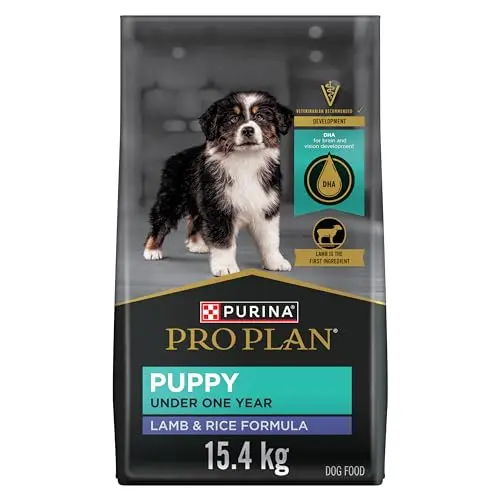
Development Lamb & Rice – Digestive & Brain Support
A standout pick for bulldog puppies, this formula leads with real lamb – a gentle protein for sensitive stomachs. It is fortified with DHA from fish oil to support brain and vision development, and it includes guaranteed live probiotics to promote healthy digestion. The kibble is designed for puppies of all sizes, and the recipe contains no artificial colours or flavours.
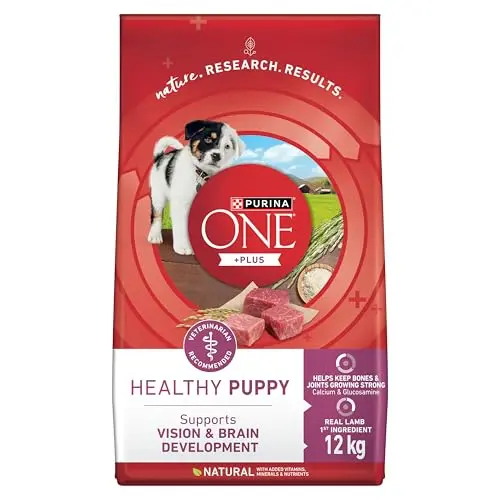
Plus Healthy Puppy Lamb & Rice – Easy Digestion Support
Another excellent lamb-based choice, this recipe puts easily digestible rice and oatmeal at the centre of its formula. Real lamb is the first ingredient, and DHA from fish oil supports brain and vision development. With no fillers or artificial flavours, it is a straightforward, nutrient-dense option for growing puppies.
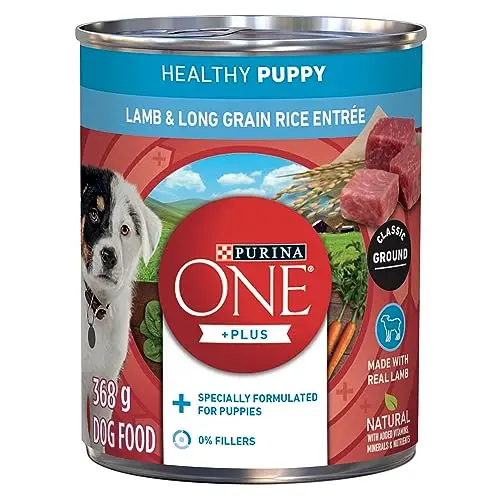
Classic Ground Lamb & Long Grain Rice – Moisture & Taste
When dry kibble won’t do, this wet option delivers a pâté-style meal with real lamb as the featured protein. It contains no poultry by-products and uses omega fatty acids to promote healthy skin and coat. Antioxidants support a growing immune system, and the formula contains zero fillers.
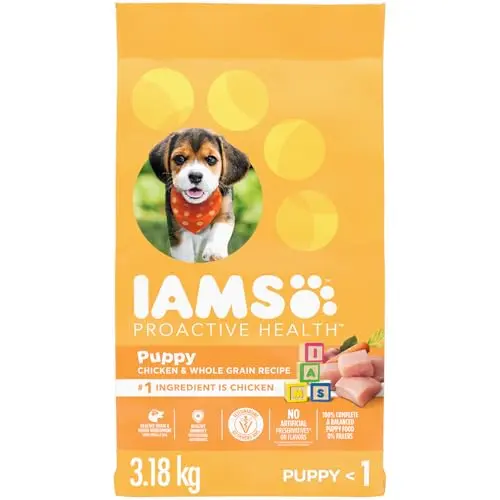
Proactive Health Chicken & Whole Grain – Budget Starter Formula
A straightforward chicken and whole grain recipe designed for small to medium puppies, this food packs omega-3 DHA and 22 key nutrients found in mother’s milk to support development. It’s built with easily digestible ingredients and contains no artificial flavours or preservatives.
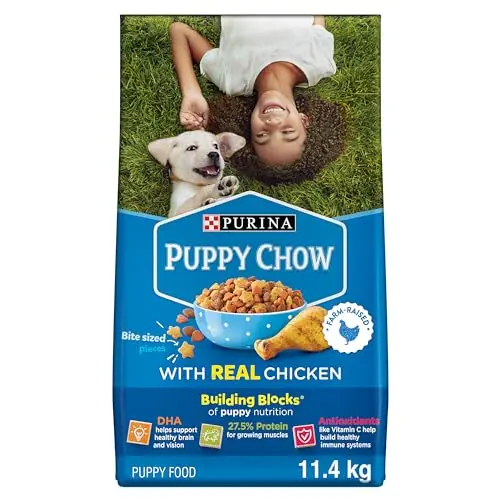
Complete Chicken Formula – Everyday Value Pick
Made with real farm-raised chicken, this formula emphasizes high protein (27.5%) for growing muscles. It includes DHA for brain and vision health and antioxidants like vitamin C to support the immune system. It’s a basic, widely trusted puppy chow.
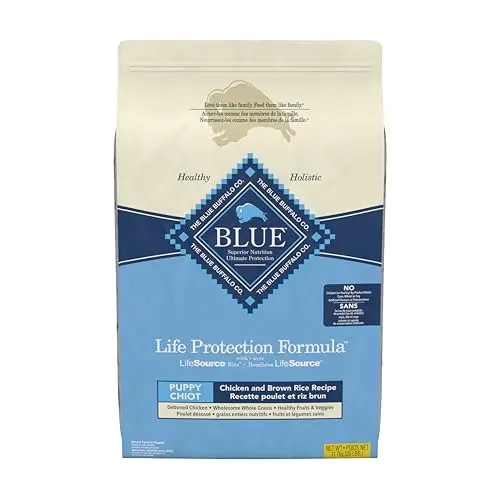
Life Protection Chicken & Brown Rice – Holistic Daily Nutrition
Blue Buffalo’s puppy formula puts real chicken first and excludes by-products, corn, wheat, and soy. It features DHA and ARA for cognitive and retinal health, plus its signature LifeSource Bits – a cold-formed blend of antioxidants, vitamins, and minerals.
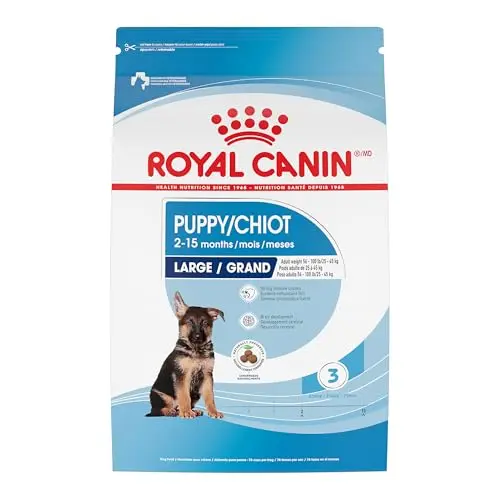
Large Puppy Chicken – Size-Specific Growth Formula
Royal Canin’s large breed puppy recipe is engineered for dogs expected to weigh 56-100 lbs at maturity. It combines a specialized mineral blend for bone and joint support, clinically proven antioxidants for immune health, and DHA for brain development.
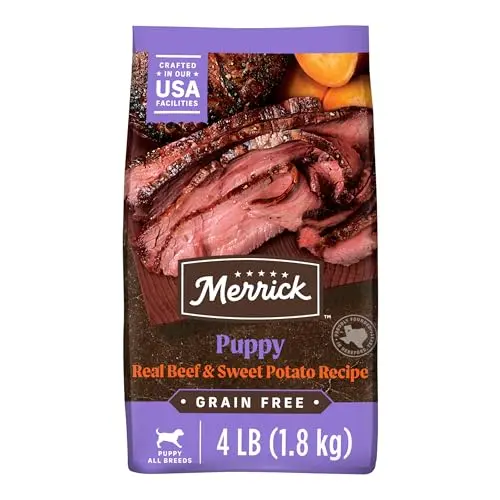
Grain Free Beef & Sweet Potato – Joint-Targeted Recipe
This grain-free formula features deboned beef as the first ingredient and a 52% protein/fat blend for muscle development. It’s one of the few puppy foods that includes glucosamine and chondroitin for hip and joint health, plus DHA for brain support.
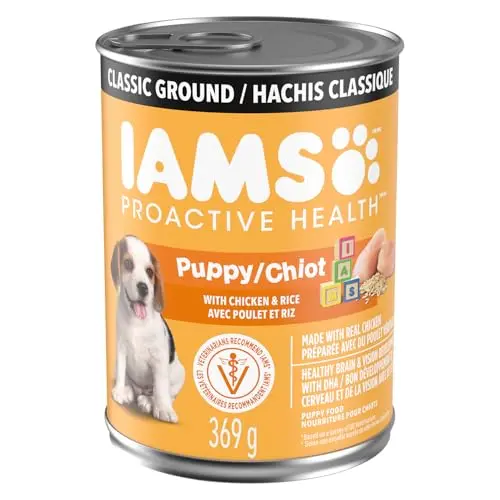
Proactive Health Chicken & Rice Ground – Wet Starter Option
A wet chicken and rice pâté made with natural ingredients, this food is formulated for puppy growth. It includes DHA for brain development and omega fatty acids from flaxseed to support healthy skin and a shiny coat.
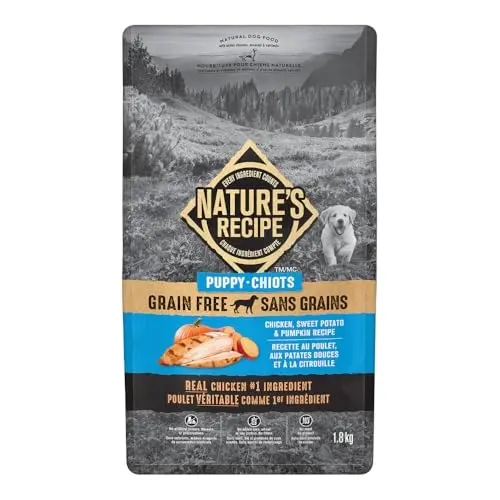
Grain Free Chicken, Sweet Potato & Pumpkin – Limited Ingredient Diet
A grain-free, limited-ingredient recipe with real chicken as the first protein. Sweet potato and pumpkin provide digestible fibre, and the formula omits grains, fillers, and poultry by-products. It’s a simple, straightforward choice for puppies.
How We Evaluated These Puppy Foods for English Bulldogs
We didn’t run long-term controlled feeding trials or allergy-specific testing on English bulldog puppies. What we did: cross-referenced 10 puppy foods from 8 distinct brands across five key decision axes – protein source and suitability for sensitive stomachs, joint-support ingredients, digestive aids (probiotics, prebiotics, fibre sources), DHA content for brain and vision development, and overall ingredient quality (real meat first, absence of artificial additives). We triangulated published ingredient lists, nutritional profiles, and aggregated owner feedback where available to map each formula against the known needs of English bulldog puppies – a breed that faces a higher risk of food sensitivities, joint issues, and skin problems.
The scoring framework weighted real-world fit for bulldog puppies (60%) – how well each food aligns with the breed’s common dietary challenges – against feature differentiation (40%) – unique nutritional advantages like glucosamine inclusion or novel protein sources. We have no commercial relationship with any of the brands featured; recommendations track fit and differentiation, not brand preference. If your bulldog puppy needs a gentle, all-around winner, the Purina Pro Plan Lamb & Rice is our top pick. For a sensitive stomach and great value, the Purina ONE Lamb & Rice is a strong runner‑up.
How to Choose the Right Food for Your English Bulldog Puppy
Why English Bulldog Puppies Need Special Consideration
English bulldogs aren’t just another puppy. Their brachycephalic (flat-faced) build, predisposition to food allergies, and tendency toward joint problems later in life mean their puppy diet should lay a solid foundation. Look for foods with high-quality, easily digestible protein – lamb, duck, or beef often land better than chicken for this breed. Ingredients like glucosamine and chondroitin can be added early to support joint development, and DHA is critical for brain and eye health in the first year.
Protein Sources: Lamb vs Chicken vs Beef – What Works for Bulldogs?
Chicken is a common allergen for bulldogs, though not all will react. If your puppy scratches incessantly, has recurring ear infections, or shows digestive upset, a lamb- or beef-based formula may be worth trying. Both lamb and beef are less likely to trigger immune responses. When comparing Pro Plan Lamb and Purina ONE Lamb, the key difference lies in the probiotic content – Pro Plan adds guaranteed live cultures, while Purina ONE relies on easily digestible rice and oatmeal for gut comfort. Merrick’s beef recipe offers a grain-free alternative with joint support, but discuss grain-free diets with your vet first.
Digestive Health: Probiotics, Prebiotics, and Fibre
Bulldog puppies are notorious for gassiness and soft stools. Look for foods that support gut health through probiotics (live beneficial bacteria), prebiotics (fibres that feed good bacteria), or highly digestible carbohydrates like oatmeal and rice. Pumpkin is another great ingredient for stool quality – Nature’s Recipe includes it for exactly that reason. Royal Canin’s prebiotic blend aims for optimal stool consistency, while Pro Plan’s live probiotics have a strong owner-feedback base for reducing tummy troubles.
Joint Support from Day One: Glucosamine and Chondroitin
Bulldogs are prone to hip and elbow dysplasia, so starting joint support early can help. Only one food in our lineup – Merrick – includes glucosamine and chondroitin in the ingredient list. That doesn’t mean other foods are inadequate, but if your vet recommends early supplementation, you may want to add a separate joint supplement or choose a food that bakes it in. The joint-support mineral blend in Royal Canin Large Puppy is another approach, though that formula is built for larger frames.
Grain-Free vs Whole Grains: What's Best for Your Bulldog Puppy?
The grain-free debate still swirls. Some bulldogs thrive on grain-free diets – they can reduce allergic responses – but the FDA has flagged a possible link between grain-free foods and dilated cardiomyopathy (DCM) in dogs. Whole grains like rice, oatmeal, and barley are generally safe and digestible for most bulldog puppies, and they provide steady energy. If you’re considering a grain-free option like Merrick or Nature’s Recipe, a chat with your vet is non-negotiable. For many bulldog puppies, a lamb-and-rice formula strikes a smart balance.
Wet vs Dry Food: Which Should You Feed?
Dry kibble is convenient, helps clean teeth, and tends to be more cost-effective. Wet food offers extra moisture (helpful for puppies who don’t drink enough water) and is often more palatable. Many owners mix a spoonful of wet into dry for the best of both worlds. If your bulldog puppy is a picky eater or needs extra hydration, the Purina ONE wet lamb recipe is a solid complement to a dry diet.
Portion Control and Feeding Schedule for Bulldog Puppies
Bulldogs can pack on weight easily, so strict portion control is a must. Follow the feeding guide on your chosen brand, but watch your puppy’s body condition – you should be able to feel their ribs without seeing them. Split their daily ration into three to four small meals until about six months, then reduce to twice daily. Avoid free-feeding; bulldogs will rarely stop themselves.
Frequently Asked Questions
What's the difference between Purina Pro Plan and Purina ONE puppy food?
Both brands offer a lamb-based puppy formula, but they differ in focus. Purina Pro Plan emphasizes live probiotics for digestive and immune support, and its lamb recipe includes DHA and high-quality protein for lean muscle. Purina ONE leans on easily digestible rice and oatmeal as its digestive strategy, with DHA and a simpler ingredient panel. Pro Plan is often the premium tier, while Purina ONE delivers very similar nutrition at a more accessible price point. For bulldog puppies with especially sensitive stomachs, either can work – choose based on whether you want the added probiotic guarantee.
Is Merrick better than Blue Buffalo for English bulldog puppies?
It depends on your dog’s specific needs. Merrick includes glucosamine and chondroitin for joint health, which is a major plus for a breed prone to hip issues. It also uses beef as its primary protein, which may suit bulldogs with chicken allergies. Blue Buffalo, on the other hand, offers LifeSource Bits – a precise blend of antioxidants, vitamins, and minerals – and includes both DHA and ARA for brain and eye development. If joint support is your top priority, Merrick has the edge. For a broader nutritional foundation and a chicken-tolerant puppy, Blue Buffalo is a strong contender.
Should I choose grain-free food for my English bulldog puppy?
Not automatically. While grain-free foods like Merrick and Nature’s Recipe eliminate common allergens like wheat and corn, they’ve also been linked (in some cases) to dilated cardiomyopathy (DCM) in dogs – though the research is ongoing. Whole grains such as rice and oatmeal are generally well-tolerated by bulldogs and provide consistent energy. Many bulldog owners do well with grain-inclusive lamb formulas like Pro Plan or Purina ONE. If you suspect a grain allergy (rare) or want to try grain-free, always consult your veterinarian first.
Can I feed my bulldog puppy wet food instead of dry?
Yes, but consider the tradeoffs. Wet food like Purina ONE Lamb & Rice Ground provides extra moisture and is often more appealing to finicky eaters. It can be a good choice for puppies who struggle with kibble texture or need more hydration. However, wet food spoils faster, costs more per serving, and may contribute to dental tartar buildup if fed exclusively. Many owners find a mix of dry and wet works best, using wet food as a topper to boost palatability and moisture intake.
How much should I feed my English bulldog puppy?
Always start with the feeding guide on the bag, which is based on your puppy’s weight and age. For a typical bulldog puppy, you might feed about 1.5-2 cups of dry food per day, split into 3-4 meals. Monitor their body condition: you should feel ribs without a thick layer of fat, and they should have a visible waist when viewed from above. Bulldogs are prone to obesity, so measure portions carefully and adjust based on your vet’s guidance. Puppy growth spurts can change their needs rapidly, so check in monthly.
Final Verdict
For most English bulldog puppies, the Purina Pro Plan Development Lamb & Rice is our top recommendation. It combines a gentle lamb protein with brain-boosting DHA and live probiotics that tackle the breed’s notorious digestive sensitivity. If you are looking for something equally gentle but more budget-friendly, the Purina ONE Lamb & Rice is an excellent alternative that skips fillers but not nutrition. And when joint health is paramount, the Merrick Beef & Sweet Potato is the only formula built with glucosamine and chondroitin from the start – just be sure to loop in your vet about the grain-free profile. Pick based on your puppy’s specific needs, and you’ll set them up for a strong, comfortable first year.