
Bringing home a fluffy Samoyed puppy is a joyful, whirlwind moment – those snow-white tufts, the cheeky grins, and boundless energy. But beneath all that charm is a rapidly developing body that needs precisely the right fuel. A Samoyed puppy’s first year lays the foundation for a healthy coat, strong joints, and a resilient digestive system. The wrong food can lead to digestive upset, patchy coats, or uneven growth – headaches no new owner wants.
We surveyed the top puppy foods across major brands to find options that match the Samoyed’s unique profile: a medium-to-large breed with a thick double coat and a reputation for sensitive stomachs. In this guide, we compare ingredients, digestibility, kibble size, and breed-targeted nutrition to help you choose the best food for your Samoyed puppy’s first year – and maybe avoid a few vet visits along the way.
Best Puppy Food for Samoyed Puppies – 2026 Reviews
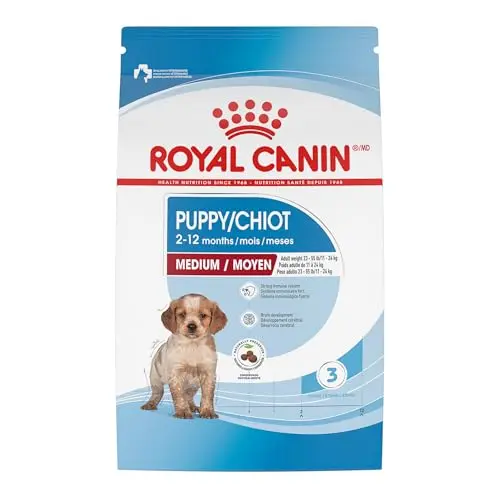
Medium Puppy – Tailored for Medium Breed Growth
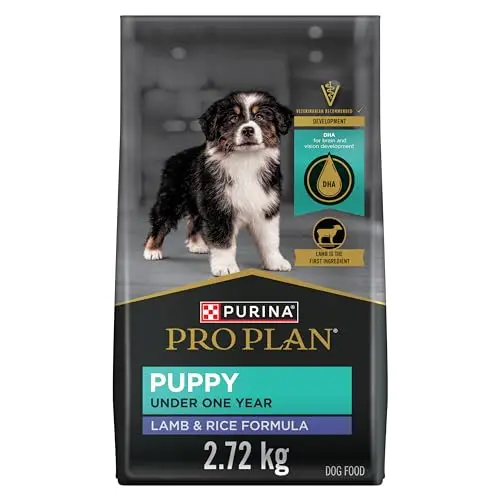
Lamb & Rice Formula – Gentle on Sensitive Stomachs
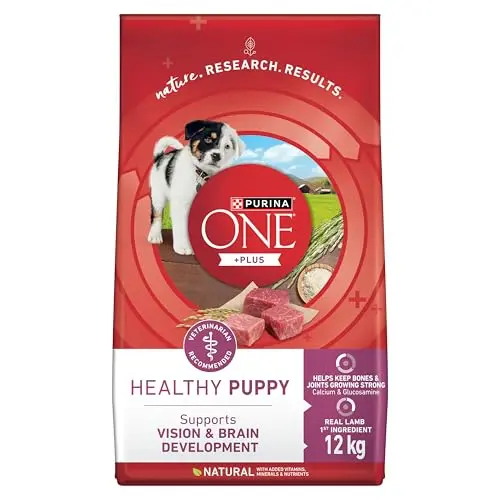
Healthy Puppy Formula Lamb – Complete Nutrition for Growing Puppies
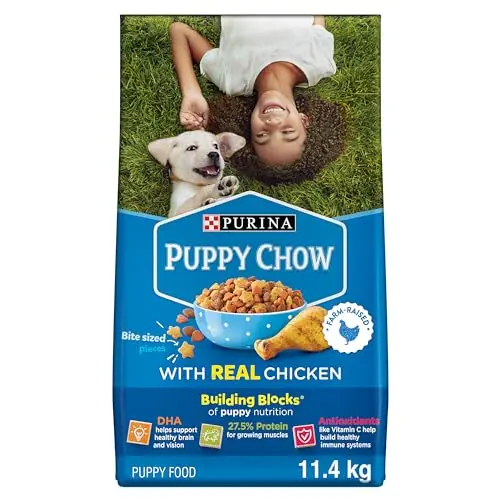
Complete Chicken – Balanced Nutrition at a Smart Price
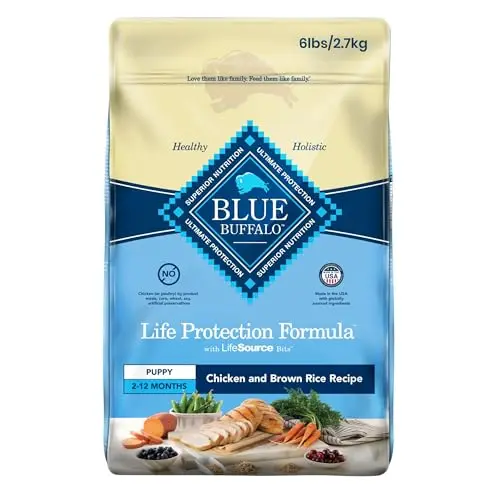
Life Protection Formula – Enhanced with LifeSource Bits
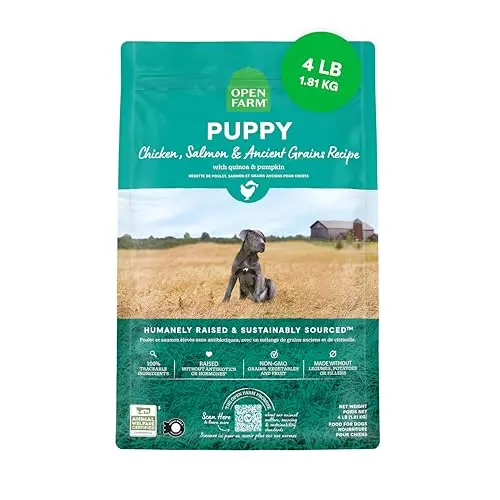
Ancient Grains Puppy – Premium, Traceable Ingredients
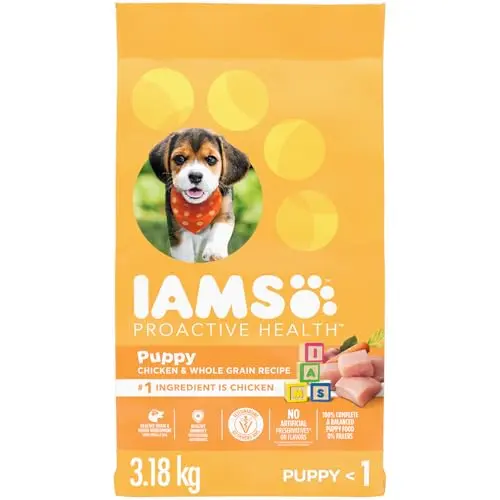
Proactive Health Puppy – Smart Nutrition for a Great Start
How We Evaluated These Puppy Foods for Samoyed Puppies
We didn’t run long-term feeding trials or laboratory nutrient assays. What we did: cross-referenced 7 puppy foods from 5 major brands across 5 decision axes – breed-appropriateness, ingredient quality, digestive support, protein source, and value. We triangulated published nutritional profiles, ingredient panels, and aggregated owner feedback where available to assess fit for growing Samoyed puppies.
The scoring framework weighted use-case fit for Samoyed puppies (60%) – how well each formula supports typical medium-breed growth, coat health, and sensitive digestion – against feature differentiation (40%) – unique advantages like breed-specific kibble, probiotic inclusion, or ingredient traceability. We have no commercial relationship with any of the brands featured; recommendations track where the food excels for a Samoyed puppy, not brand preference. If you’re after a breed-specific, set-it-and-forget-it option, the Royal Canin Medium Puppy is purpose-built for the job; if digestive sensitivities are top of mind, Purina Pro Plan Lamb & Rice is a gentle, proven alternative.
How to Choose the Right Puppy Food for Samoyed Puppies
What to Look for in a Puppy Food for Samoyeds
Samoyed puppies have a few specific nutritional needs that set them apart from other breeds. First, look for a protein-rich formula with named meat (chicken, lamb, or salmon) as the first ingredient – this supports the rapid muscle development of a medium-to-large breed. DHA and ARA are essential fatty acids for brain and vision development, often sourced from fish oil or microalgae. Since Samoyeds can have sensitive stomachs, digestive supports like probiotics, prebiotics, or gentle grains (rice, oatmeal) can make a real difference. Avoid recipes heavy on fillers like corn, soy, or unnamed by-products. Finally, match the calorie density to your puppy’s activity level: a sled-pulling ball of energy needs more fuel than a couch potato, even as a pup.
Understanding Protein Sources: Chicken, Lamb, and More
Protein is the building block of your Samoyed puppy’s body, but not all proteins sit the same way. Chicken is a lean, highly digestible option and works for most puppies. Lamb is slightly richer and can be gentler on sensitive stomachs – it’s often the go-to when chicken causes issues. Salmon brings omega-3s for coat health, a big plus for a double-coated breed. Some premium foods like Open Farm Ancient Grains even combine chicken and salmon for a comprehensive amino acid profile. If your puppy shows signs of itchiness, loose stools, or ear gunk, swapping proteins – from chicken to lamb, for instance – might clear things up. Both Purina Pro Plan Lamb & Rice and Purina ONE Lamb are excellent, cost-effective lamb choices.
Grain-Free vs. Grain-Inclusive: Which Is Better for Samoyed Puppies?
The grain-free trend has cooled in the last few years, especially after the FDA’s investigation into a potential link between grain-free diets and dilated cardiomyopathy (DCM). For a Samoyed puppy, a grain-inclusive diet is generally the safer choice – wholesome grains like rice, oatmeal, and barley provide steady energy and fibre for digestive regularity. All the picks in this guide are grain-inclusive, using high-quality carbohydrates rather than fillers. Unless your vet specifically recommends a grain-free diet for a diagnosed allergy, stick with grains. Formulas like Blue Buffalo Life Protection even cold-form their antioxidant bits to preserve potency alongside grain-based energy.
Kibble Size and Why It Matters for Medium Breed Puppies
Kibble size isn’t just about convenience – it affects how enthusiastically your puppy eats and how well they digest. Medium-breed puppies need a kibble large enough to encourage chewing (which aids dental health and slows eating) but small enough for their mouths. The Royal Canin Medium Puppy was literally designed with this sweet spot in mind, and owners of Samoyeds report the kibble is just right. Small-breed foods have tiny kibble that can be gulped, while large-breed foods may be too big for a young puppy. If you’re buying an all-breed formula, check customer photos to gauge kibble size, or stick with a medium-breed recipe like Royal Canin or Blue Buffalo’s medium-oriented blend.
How Much Should You Feed a Samoyed Puppy?
Feeding amounts depend on the formula’s calorie density, but here’s a solid rule of paw: follow the packaging guidelines and split into 3-4 meals until six months, then 2-3. A Samoyed puppy’s expected adult weight (50-60 lbs for males, 35-50 lbs for females) puts them in that medium-to-large bracket. Look for a food that supports steady, moderate growth – too-fast growth stresses developing joints. Foods like Royal Canin Medium Puppy and Blue Buffalo Life Protection have breed-specific guidance, which helps. Keep an eye on body condition: you should always feel ribs under a light fat cover, not see them. Adjust up or down by 10-15% as needed and always provide plenty of fresh water.
Frequently Asked Questions
What's the difference between Royal Canin Medium Puppy and Purina Pro Plan Lamb & Rice?
Both are excellent, but they target slightly different needs. Royal Canin Medium Puppy is a breed-specific formula designed for puppies expected to weigh 23-55 lbs as adults. It has tailored kibble size, balanced minerals for controlled growth, and taurine. It’s a set-it-and-forget-it choice. Purina Pro Plan Lamb & Rice is an all-breed formula with real lamb as the first ingredient and guaranteed live probiotics. It’s ideal if your Samoyed shows signs of digestive sensitivity or you simply prefer a gentler protein. For most Samoyed puppies, especially first-time owners, the Royal Canin takes the guesswork out of breed sizing, but the Pro Plan Lamb is a very close second for sensitive tummies.
How does Open Farm Ancient Grains compare to Blue Buffalo Life Protection?
Open Farm Ancient Grains is a super-premium, traceable-ingredient food with humanely-raised chicken and salmon, ancient grains like quinoa, and no artificial anything. It’s for owners who want the highest ethical and ingredient standards and don’t mind paying for it. Blue Buffalo Life Protection is a premium, more mainstream option that still offers excellent nutrition with its LifeSource Bits and avoidance of corn, wheat, and soy. It also has a medium-breed focus, which Open Farm doesn’t specify. For everyday value and breed-tailored nutrition, Blue Buffalo is the smart middle ground. Open Farm is the splurge when ingredient providence is the priority.
Is a grain-free diet necessary for Samoyed puppies?
No, and it’s generally not recommended. The FDA has investigated a potential link between grain-free diets and canine dilated cardiomyopathy (DCM), and while the science is still evolving, the risk isn’t worth it for a puppy with no diagnosed grain allergy. Wholesome grains like rice, oatmeal, and barley provide digestible energy and support gut health. All the foods in this guide are grain-inclusive, chosen to give your Samoyed puppy steady energy and firm stools without unnecessary risk.
How do I transition my Samoyed puppy to a new food?
A slow switch is the golden rule to avoid digestive upset. Mix 25% new food with 75% old for 2-3 days, then go 50/50 for another 2-3 days, then 75% new to 25% old, before finally going 100% new. This gives your puppy’s gut time to adjust to new proteins, fibre levels, and probiotic strains. Watch for loose stools or vomiting – if you see any, slow down the transition. For a breed prone to sensitive stomachs, taking 10 days instead of 6 is a smart buffer.
Final Verdict
For the vast majority of Samoyed puppies, Royal Canin Medium Puppy is the clear top choice. It’s built for the breed’s size, supports steady growth, and takes the guesswork out of kibble size and nutrient balance. If your pup shows signs of digestive sensitivity – loose stools, gassiness – switch to Purina Pro Plan Lamb & Rice for a gentler protein base. Budget-conscious families will find IAMS Proactive Health covers all the puppy essentials without breaking the bank, while ingredient sticklers can’t go wrong with Open Farm Ancient Grains. Whichever you pick, match the food to your Samoyed’s size, settle their stomach, and watch that white fluff grow into a happy, healthy companion.