
You’ve brought home an energetic standard poodle puppy, and suddenly every decision feels monumental-especially the food bowl. Those long legs, that curly coat, and the breed’s clever mind all deserve a diet that builds a strong foundation, not just empty calories. Standard poodles grow fast, and getting the right balance of protein, brain‑supporting fats, and gentle digestion matters from day one.
This isn’t a one‑brand conversation. We’ve cross‑shopped the market to surface the puppy foods that genuinely serve a standard poodle’s unique needs-whether that’s a breed‑specific recipe, a large‑dog‑friendly kibble, or a value pick that doesn’t skimp on DHA. Think of this guide as your shortcut to a confident choice, not a brand loyalty test.
Best Puppy Food for Standard Poodles – 2026 Reviews
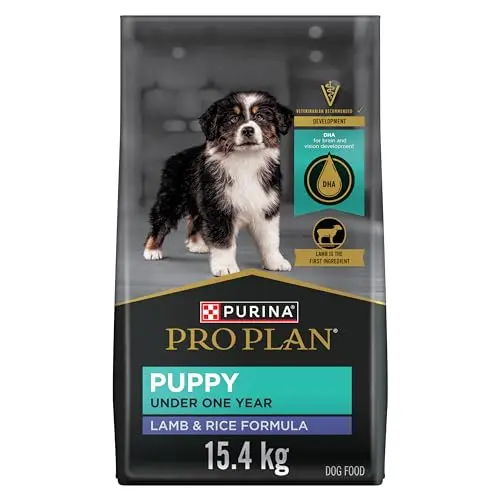
Development Lamb & Rice – Reliable All‑Round Nutrition
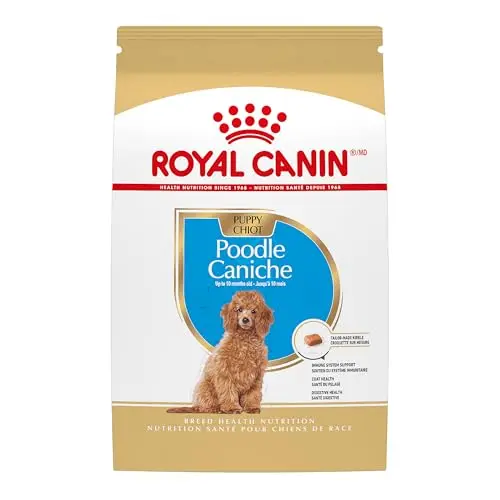
Breed Health Nutrition Poodle Puppy – Tailor‑Made for the Curly Coat
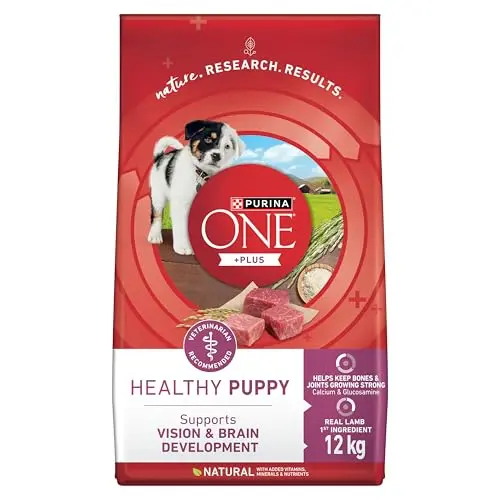
+Plus Healthy Puppy Lamb Formula – Wallet‑Friendly with No Fillers
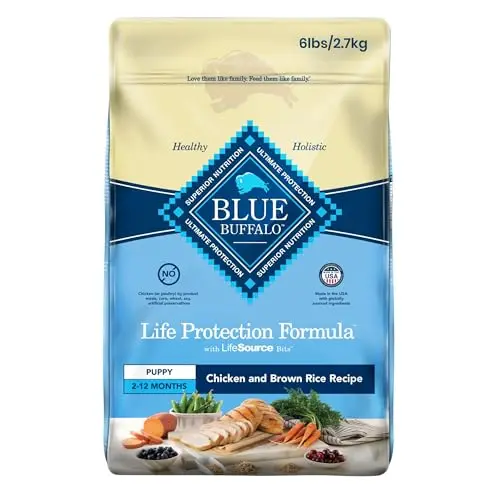
Life Protection Chicken & Brown Rice – Whole‑Grain Nutrition with LifeSource Bits
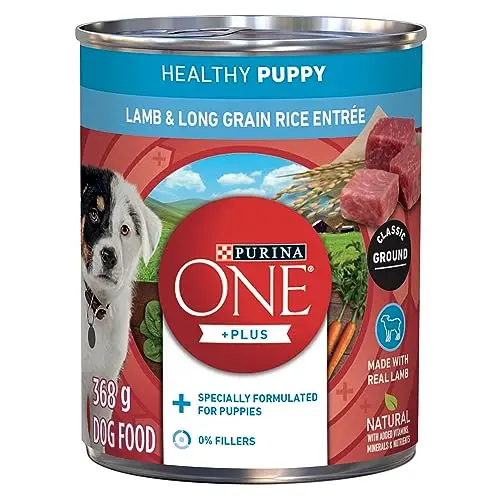
+Plus Classic Ground Lamb & Rice – Wet Food for Picky Days
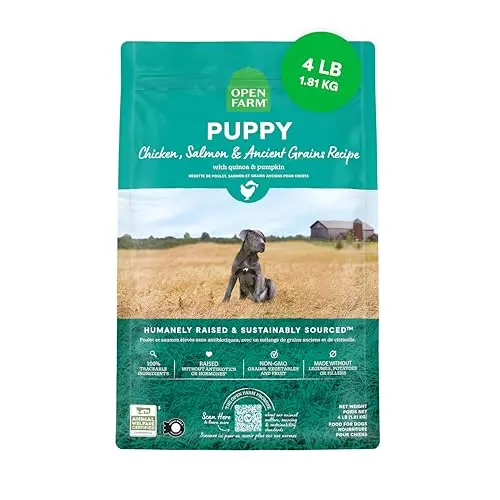
Ancient Grains Chicken & Salmon – Traceable Ingredients, Gentle on the Gut
How We Evaluated These Puppy Foods for Standard Poodles
We’ll be upfront: we didn’t run laboratory nutrient assays or controlled feeding trials spanning months. What we did: cross‑referenced 6 puppy foods from 5 distinct brands across six decision axes-breed‑specific formulation, DHA and omega‑3 content, protein source and quality, digestive support, kibble ergonomics for a poodle’s narrow muzzle, and ingredient transparency. We triangulated published specifications, ingredient panels, and aggregated owner feedback where available against the known nutritional needs of growing standard poodles.
The scoring framework weighted real‑world suitability for a standard poodle (60%)-how well each food supports controlled growth, brain development, and that iconic curly coat-against feature differentiation (40%)-unique technical advantages like live probiotics, breed‑specific kibble design, or traceable proteins. Recommendations track fit and performance, not brand loyalty. If you’re after the strongest all‑round foundation, the Purina Pro Plan Development Lamb & Rice is the match; if you want a food purpose‑built for poodle quirks, the Royal Canin Poodle Puppy serves you better.
How to Choose the Right Puppy Food for Standard Poodles
Why Breed‑Specific Puppy Food Matters for Standard Poodles
Not all puppy foods are created equal, and the standard poodle’s growth trajectory demands attention. These dogs can pack on size quickly, and unbalanced nutrition too early can stress developing joints. A breed‑specific option like Royal Canin’s Poodle Puppy addresses that with nutrient ratios calibrated for poodles-plus a kibble shape that actually fits their narrower maw. But even if you don’t go breed‑specific, look for a formula that supports lean muscle growth without spiking calcium levels too high.
If you’re feeding a general puppy food, check that the protein sources are high‑quality (real meat first) and that DHA is present-many standard poodles benefit from the brain‑eye boost. Large‑breed puppy formulas can also be a smart proxy, as they control the rate of growth.
Key Nutrients for Puppy Development: DHA, Protein, and Beyond
Poodle puppies need three things on speed dial: DHA (docosahexaenoic acid) for neural and retinal development, high‑quality animal protein for muscle, and omega fatty acids for that signature curly coat. Our top picks-from the Pro Plan to the Blue Buffalo-all include DHA, usually from fish oil. A puppy food with at least 25% protein (on a dry‑matter basis) is a good target. Beyond that, look for antioxidants like vitamin E to bolster a still‑maturing immune system.
Don’t overlook joint‑supporting ingredients. While explicit glucosamine or chondroitin is rare in puppy foods, a balanced calcium‑phosphorus ratio (around 1.2:1) helps build strong bones without over‑accelerating growth. The Open Farm’s ancient grains also provide fibre that aids steady energy release, preventing those manic puppy spikes and crashes.
Kibble Size and Shape: Why It Matters for Poodles
Standard poodles have a long, slender muzzle that can make picking up certain kibble shapes a chore. The Royal Canin Poodle Puppy tackles this head‑on with a uniquely designed kibble that’s easier to grasp and chew. But even among non‑specialised foods, size can vary: the Purina ONE and Pro Plan use medium‑sized pellets that work well, while the Blue Buffalo chunks are smaller-fine for younger pups but possibly gulped by an eager adolescent.
If you notice your poodle picking at the bowl or leaving bits behind, the kibble might be the culprit. You can test by slightly moistening the food to see if it encourages better intake. But ideally, choose a shape that doesn’t frustrate them-especially during teething.
Grain‑Inclusive vs. Grain‑Free: Which Is Better for Your Poodle Puppy?
Grain‑free diets have lost some shine in the large‑breed puppy world, with emerging research linking pulse‑heavy formulas to heart concerns. Most standard poodle puppies do well on grain‑inclusive recipes that use quality carbs like brown rice, oatmeal, or quinoa. The Open Farm stands out for swapping legumes for ancient grains, which are gentler on digestion and avoid the potential pitfalls of peas and potatoes.
If you prefer grain‑free for allergy reasons, ensure the food replaces grains with nutrient‑dense alternatives-not just filler starches. But for the vast majority of standard poodles, a wholesome grain base supports steady growth and firm stools. The Blue Buffalo and Pro Plan both embrace this approach, with no wheat, corn, or soy to irritate sensitive systems.
Our Picks: Which Puppy Food Is Right for Your Standard Poodle?
Putting it all together, the Purina Pro Plan Development Lamb & Rice is the best all‑rounder-proven nutrition with live probiotics and a palatable flavour. If your poodle’s coat and kibble ergonomics are top of mind, Royal Canin Poodle Puppy is purpose‑built for the breed. For families watching the budget without cutting corners, Purina ONE +Plus Lamb delivers solid nutrition at a friendlier price. And when a delicate tummy dictates the menu, the Open Farm Ancient Grains offers traceable, gently digestible ingredients.
Frequently Asked Questions
What's the difference between the Royal Canin Poodle Puppy and the Purina Pro Plan Development Lamb & Rice?
The Royal Canin is breed‑specific, meaning the kibble shape, nutrient ratios, and fatty‑acid blend are targeted explicitly at poodles. It puts extra emphasis on coat health and digestive regularity for this breed. The Purina Pro Plan is a strong all‑breed formula that includes live probiotics and a lamb‑first recipe, making it a more versatile and often more economical choice. If coat perfection and kibble ergonomics matter most, go Royal Canin. If you want a reliable, broadly trusted foundation, the Pro Plan is your pick.
Is Purina ONE a good budget alternative for my standard poodle?
Yes. The Purina ONE +Plus Healthy Puppy Lamb Formula offers real lamb as the first ingredient, DHA for brain development, and no fillers-at a lower cost per serving than many premium lines. While it lacks the breed‑specific tailoring of Royal Canin, it provides everything a growing standard poodle needs nutritionally. Many owners report shiny coats and solid digestion on this food. Just note that if your puppy has a known sensitivity, you might need a more specialised option like Open Farm.
Should I feed my standard poodle puppy a large‑breed formula?
Standard poodles fall into the large‑breed category (over 50 lbs at maturity), so a large‑breed puppy food can be beneficial-it’s formulated to moderate rapid growth that can stress developing joints. The Purina Pro Plan Development Lamb & Rice, while not explicitly labelled large‑breed, includes ingredients that support controlled growth and joint health. If you want a dedicated large‑breed option, look for formulas with a balanced calcium‑phosphorus ratio and glucosamine. Always consult your vet, especially if your puppy’s parents were very large.
Can a grain‑free diet be dangerous for my standard poodle puppy?
Grain‑free diets have been linked to dilated cardiomyopathy (DCM) in some dogs, particularly those heavy in peas, lentils, and potatoes. Standard poodles are not specifically flagged as high‑risk, but many veterinary nutritionists now recommend grain‑inclusive options for the carbohydrates and fibre they provide. The Open Farm formula uses ancient grains instead of legumes, making it a safe middle ground if you still want to avoid corn or wheat. A balanced grain‑inclusive food like the Blue Buffalo Life Protection is a solid default.
How do I transition my standard poodle puppy to a new food?
Start by mixing 25% new food with 75% old for two to three days, then shift to 50/50 for another two days, then 75/25, and finally 100% new. This slow switch helps prevent digestive upset, which can be common in poodles. Watch for loose stools or skin reactions; if they occur, slow down or revert and try a different protein. The probiotics in the Pro Plan can help smooth the transition, as can the gentle grains in the Open Farm recipe.
Final Verdict
For the vast majority of standard poodle puppies, the Purina Pro Plan Development Lamb & Rice is the nutritionally sound, fuss‑free anchor. It covers brain, muscle, and digestion with ingredients that vets trust. If your poodle’s coat and jaw are your obsession, the Royal Canin Poodle Puppy is the bespoke solution. Budget‑conscious owners get a real win with Purina ONE +Plus Lamb, and when digestion is the deciding factor, the Open Farm Ancient Grains answers with transparency and gut‑friendly ingredients. Whichever you pick, that lanky bundle of curls is about to get a great start.