
Watching your senior dog struggle to get up after a nap or lag behind on walks tugs at the heart. As dogs age, joint stiffness can sap their energy and joy. The right senior dog food for joints can give them back their bounce by delivering targeted nutrients like glucosamine and chondroitin, plus high-quality protein and gentle fibre.
We combed through the top senior dog foods from brands like Hill’s Science Diet, Royal Canin, Blue Buffalo, and Purina Pro Plan to find the formulas that actually prioritize joint health. This guide cuts through the marketing fluff to show which foods put real joint support into the bowl, and which ones just slap a ‘senior’ label on regular kibble.
Best Senior Dog Food for Joints – 2026 Reviews
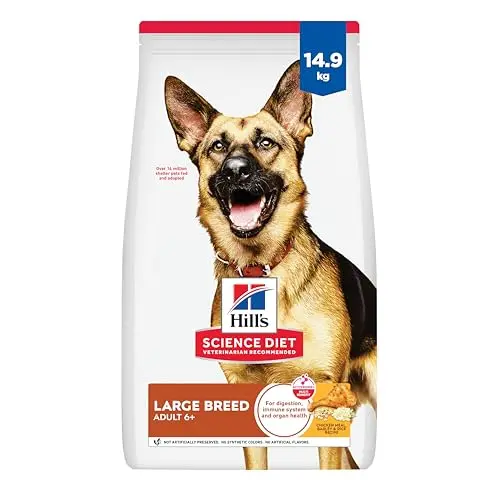
Science Diet Senior 6+ Large Breed – Chicken & Rice, Joint Support
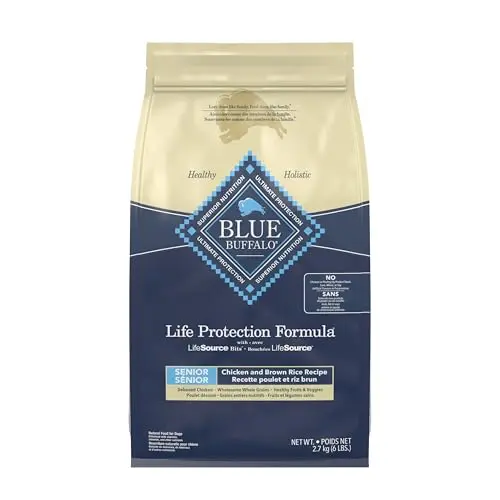
Life Protection Senior – Chicken & Brown Rice with Joint Blend
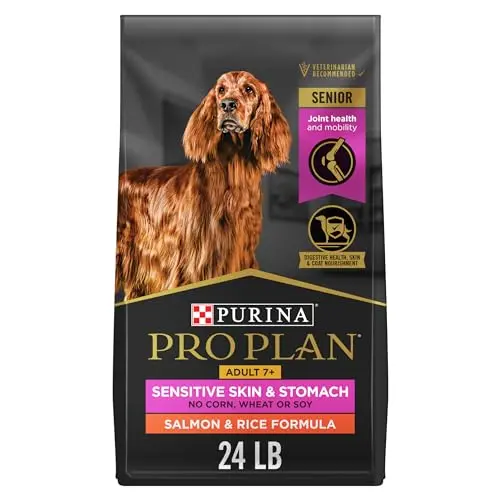
Sensitive Skin & Stomach Senior – Salmon & Joint Care
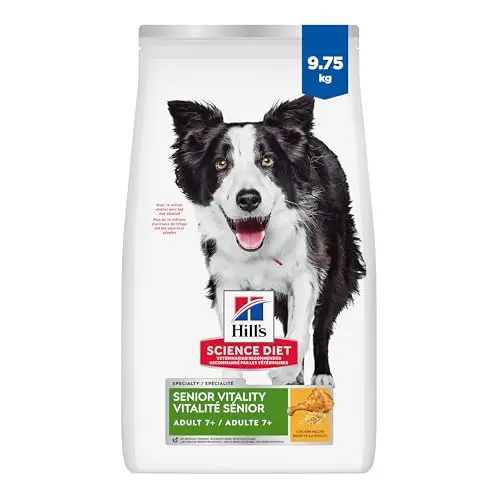
Senior Vitality 7+ – Brain Health & Mobility Boost
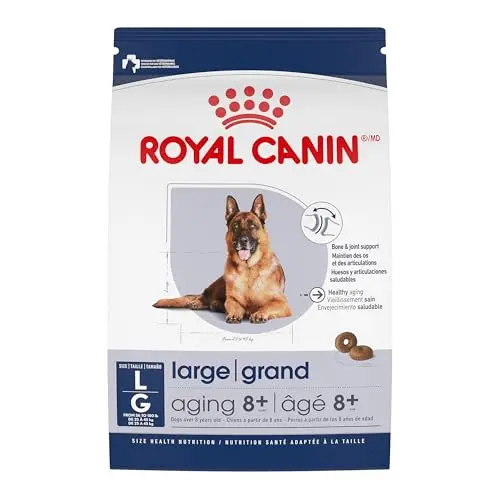
Large Aging 8+ – Joint & Bone Support for Large Dogs
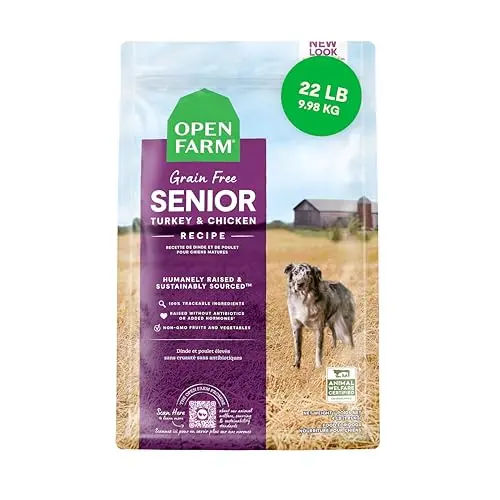
Senior Chicken & Turkey – Ethically Sourced Joint Support
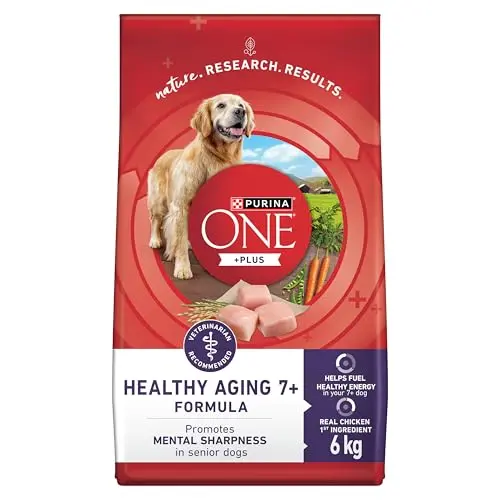
Healthy Aging 7+ – Chicken Recipe, Brain & Energy Support
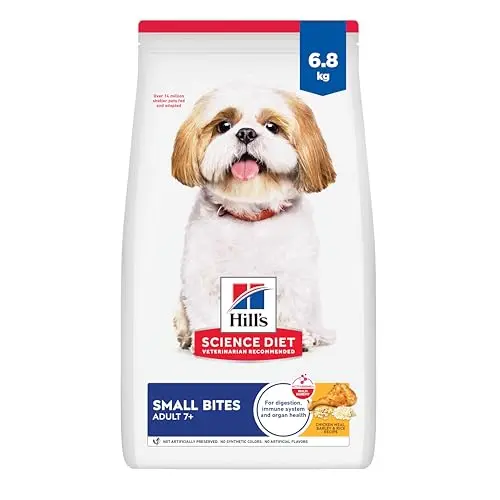
Senior 7+ Small Bites – Easy-to-Chew Heart & Kidney Support
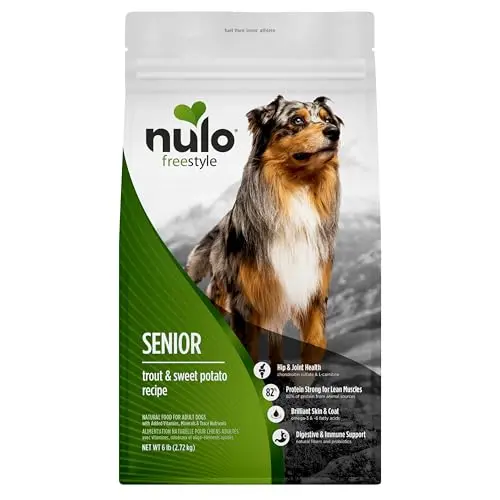
Freestyle Senior – Grain-Free Joint Support with Probiotics
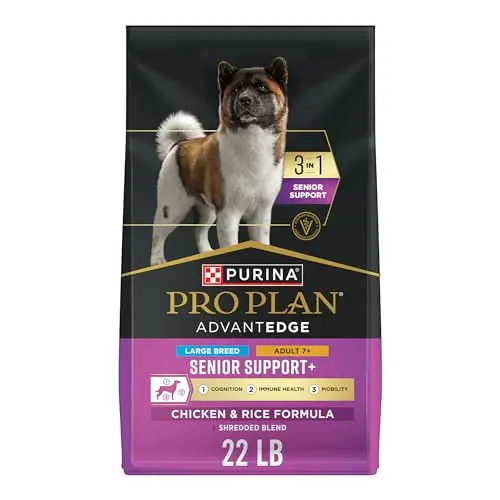
AdvantEDGE Senior Large Breed – Triple-Action Joint, Brain & Immune
How We Evaluated These Senior Dog Foods for Joints
We didn’t run veterinary joint trials or long-term feeding studies. Instead, we cross-referenced 10 senior dog food formulas from 7 distinct brands across five key decision axes-joint support ingredients (glucosamine, chondroitin), protein quality, digestive support, kibble design for ageing teeth, and specific senior health benefits. We triangulated published specifications, ingredient lists, and owner feedback where available to gauge real-world effectiveness.
The scoring framework weighted joint-specific performance (60%)-how well each formula delivers joint support-against overall nutritional differentiation (40%)-unique ingredients, digestion aids, and breed-specific tailoring. We have no commercial relationship with any brand; our picks follow fit and results, not brand loyalty. If your senior has joint stiffness, the Hill’s Science Diet Senior 6+ Large Breed is our top recommendation; for a budget-friendly all-rounder, the Purina ONE Healthy Aging is worth a look.
How to Choose the Right Senior Dog Food for Joints
What Makes a Dog Food Joint-Friendly for Seniors?
As dogs age, the cartilage and synovial fluid in their joints naturally degrade, leading to stiffness and discomfort. A senior dog food designed for joint health includes specific nutraceuticals-glucosamine and chondroitin-that provide building blocks for cartilage repair and help maintain joint lubrication. Look for formulas that list these ingredients explicitly on the label, not just in marketing speak.
Beyond joint supplements, high-quality animal protein is crucial for preserving lean muscle mass, which supports the skeletal system. A moderate fat level helps maintain a healthy weight, reducing pressure on already stressed joints. Omega fatty acids, like those from fish oil or flaxseed, offer natural anti-inflammatory benefits that can further ease joint pain.
Key Joint Ingredients to Look For
Glucosamine is the star player-it stimulates cartilage production and slows breakdown. Chondroitin helps cartilage retain water and blocks destructive enzymes. Many senior foods include both, but the source and quantity matter. Naturally occurring glucosamine from ingredients like chicken meal or shellfish is often more bioavailable than synthetic versions. EPA (eicosapentaenoic acid), a type of omega-3 from fish oil, reduces inflammation and supports joint comfort.
Some brands, like Hill’s Science Diet and Royal Canin, fortify their senior recipes with clinically researched levels of these compounds. When comparing labels, prioritise foods that list glucosamine and chondroitin near the top of their ‘special ingredients’ or guaranteed analysis, rather than buried in fine print.
How Senior Dog Food Differs from Adult Formulas
While a senior dog food shares the basic nutritional frame of adult maintenance formulas, it’s tweaked for ageing metabolisms and common senior health concerns. Senior recipes often have lower calorie density and slightly higher fibre to support slacker digestive tracts. More importantly, they pivot towards joint, cognitive, and immune support-areas that adult formulas ignore.
Don’t assume any bag labelled ‘senior’ will help your dog’s joints. Some focus on heart or kidney health instead. Read the label’s health claims and ingredients. For joint-targeted nutrition, glucosamine and EPA are non-negotiable. If the formula doesn’t mention them, it’s a general senior food, not a joint-specific one.
Kibble Texture and Digestibility for Older Dogs
As dogs age, dental issues or reduced saliva can make chewing hard, large kibbles challenging. A palatable senior food should either offer a smaller kibble size, softer texture, or the ability to rehydrate easily. Royal Canin’s rehydratable kibble is a standout feature-soak it in warm water to create a soft, easy-to-eat morsel. Hill’s Small Bites also cater to smaller mouths.
Digestibility is another senior-specific need. Look for natural prebiotic fibres like beet pulp or fructooligosaccharides, and avoid heavy fillers like corn and soy that can tax an older dog’s system. A gentle formula prevents digestive upset and ensures your dog absorbs those joint-building nutrients efficiently.
Comparing Top Picks: Hill's vs. Blue Buffalo vs. Pro Plan
If you’re torn between the heavy hitters, here’s how they stack up. Hill’s Science Diet Senior 6+ Large Breed offers the most robust, research-backed joint support with natural glucosamine and chondroitin-ideal for large breed seniors. Blue Buffalo Life Protection Senior matches that joint support but adds antioxidant-rich LifeSource Bits and comes at a more accessible price point, making it a value champ.
Purina Pro Plan Sensitive Skin & Stomach carves its niche with salmon-based, easily digestible protein that’s a godsend for dogs with food sensitivities, yet doesn’t skimp on glucosamine and EPA. When in doubt, pick the formula that aligns with your dog’s biggest secondary need-digestive sensitivity, cognitive support, or budget.
Frequently Asked Questions
Hill's Science Diet Senior 6+ Large Breed vs. Royal Canin Large Aging 8+: Which is better for large senior dogs?
Both are excellent for large breeds, but they differ in subtle ways. Hill’s puts a stronger emphasis on natural glucosamine sources and includes a fibre blend for digestion-perfect if your dog’s joints are the primary concern. Royal Canin, on the other hand, focuses on overall vitality with an antioxidant complex and offers a uniquely rehydratable kibble, making it a lifesaver for dogs with dental wear. If your senior struggles to chew, lean towards Royal Canin; for focused joint repair, Hill’s edges ahead.
Blue Buffalo vs. Purina Pro Plan: Which senior food offers better joint support?
Both deliver solid joint support through glucosamine and chondroitin, but they target different secondary needs. Blue Buffalo’s LifeSource Bits add an antioxidant and vitamin punch that supports overall health, making it a great all-rounder. Purina Pro Plan’s Sensitive Skin & Stomach formula pairs joint care with a salmon-based, easily digestible recipe that’s ideal if your dog has a dodgy tummy. For pure joint support, they’re neck and neck; pick based on whether your senior needs immune or digestive help.
Do senior dogs really need joint-specific food, or is regular senior food enough?
If your senior dog is already showing signs of stiffness-difficulty on stairs, lagging on walks, or a reluctance to jump-then a joint-specific food can make a real difference. These formulas contain therapeutically meaningful amounts of glucosamine and chondroitin that regular senior foods often lack. If your dog is an active senior with no mobility issues, a well-rounded senior formula may suffice. But for proactive joint care, the extra boost is worth it.
At what age should I switch my dog to a senior formula?
It depends on breed size. Small breeds tend to age slower and often switch around 10-12 years, while giant breeds may enter their senior years as early as 5-6. Large breeds usually transition at 7-8. Watch for signs like decreased energy, weight gain, or early stiffness rather than a specific birthday. Hill’s, for example, has targeted formulas for 6+ large breeds and 7+ for smaller dogs, so choose accordingly.
Is grain-free senior dog food better for joint health?
Not necessarily. Grain-free diets aren’t inherently better for joints unless your dog has a specific grain sensitivity. What matters most is the presence of joint supplements like glucosamine and chondroitin, and high-quality protein to maintain muscle. Some grain-free options, like Nulo Freestyle Senior, do offer excellent joint support, but they also tend to be more expensive. There’s no compelling evidence that grain-free alone improves joint outcomes.
Final Verdict
For most senior dog owners, Hill’s Science Diet Senior 6+ Large Breed is the answer-it delivers uncompromised joint support with proven results. If you’re watching your budget, Purina ONE Healthy Aging covers the basics well. For large breed seniors, Royal Canin Large Aging 8+ is purpose-built with a softer kibble. And if ethical sourcing matters, Open Farm Senior won’t let you down.