
Watching your enthusiastic drinker turn the kitchen floor into a splash zone is a daily ritual for many dog owners. A standard water bowl can’t contain the tsunami created by a sloppy drinker, leaving you with puddles, drippy chins, and occasionally a choking pup who’s gulped too fast. That’s where a slow water bowl comes in-these clever designs use a floating disk to restrict water flow, encouraging your dog to lap rather than gulp, and dramatically reducing the mess.
The best slow water bowl for your dog isn’t just about keeping floors dry-it’s about matching the bowl’s capacity, material, and extra features to your dog’s size, drinking style, and your lifestyle. Whether you need a portable option for travel, a stainless steel tank for heavy shedders, or a budget-friendly pick that still tames the tidal wave, the market has plenty of choices. We’ve compared the top contenders across different brands to help you find the one that’ll finally end the mop marathons.
Best Slow Water Bowls for Dogs – 2026 Reviews
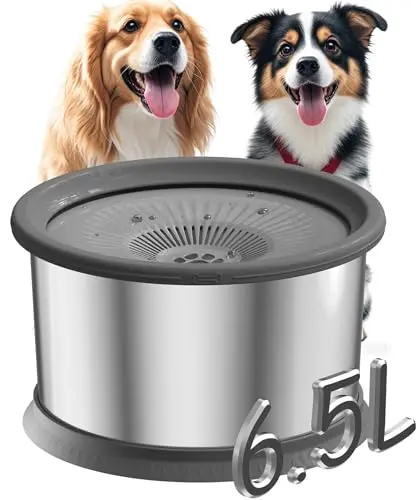
6.5L+2 Filters – 1.6Gal Stainless Slow Feeder
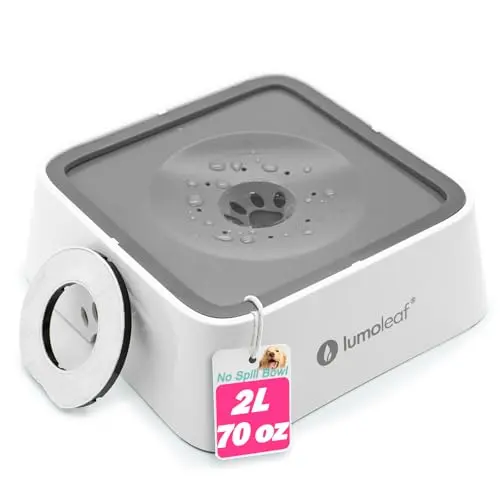
LL135-NSDWB – Splash-Free 70oz Workhorse
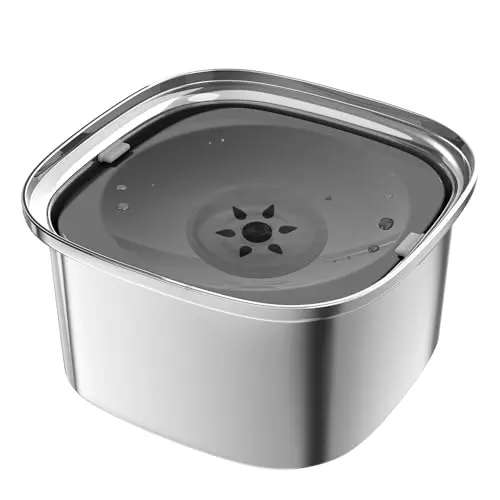
1281 – 3L Stainless Steel Slow Drinker
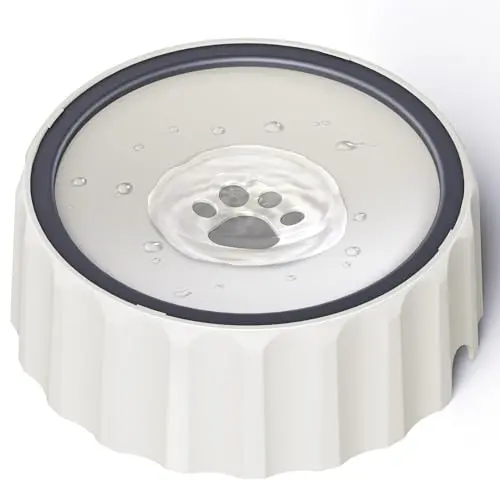
F-02 – 2L No Spill Plastic Bowl
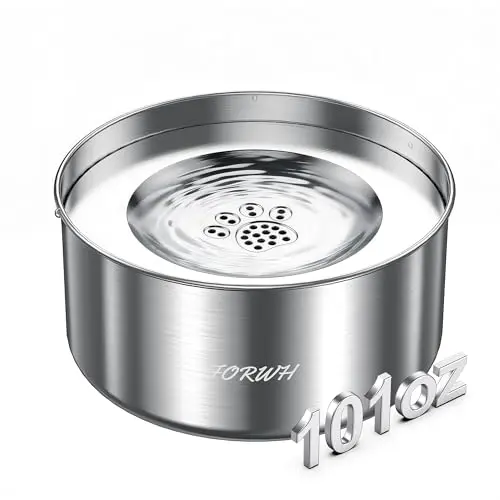
F02-SS – 3L Travel-Friendly Stainless
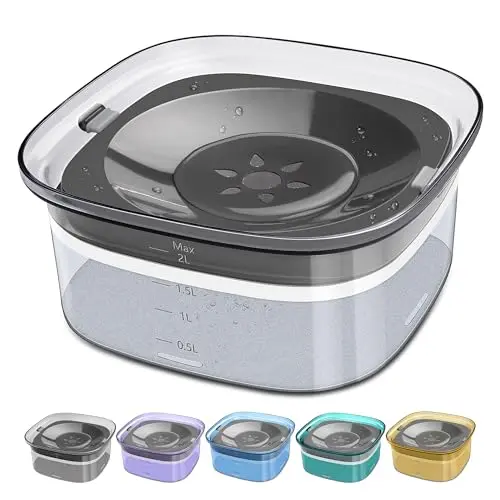
108 – 2L Diaphanous Slow Feeder
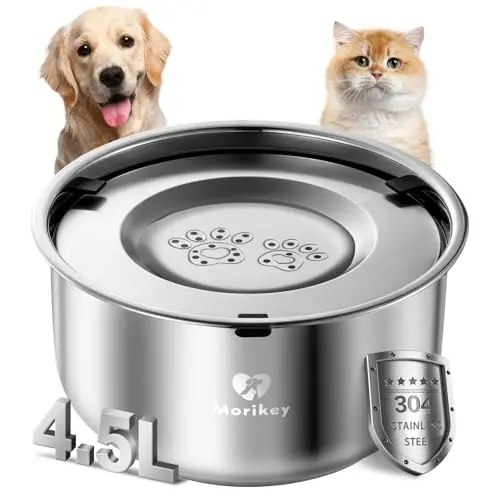
Bowl02 – 4.5L Spill-Proof Stainless
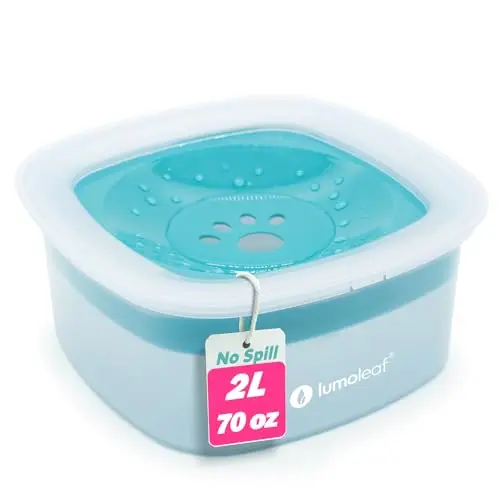
SD2LBLUE – 2L Splash-Proof Travel Bowl
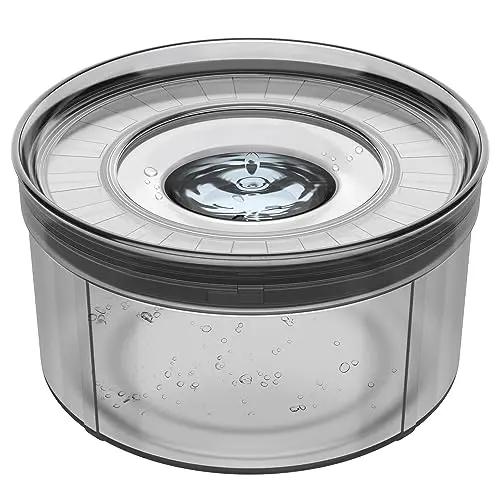
P08 – 3.8L Anti-Dig Water Bowl
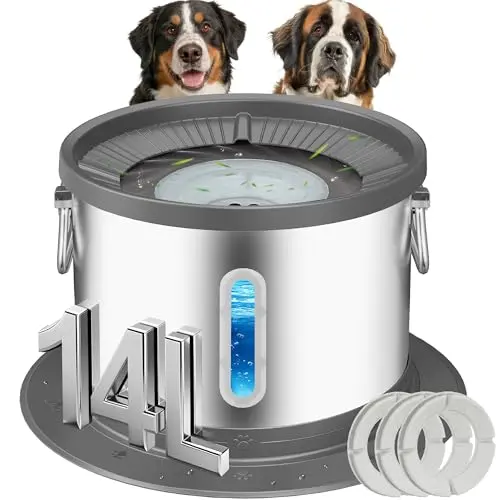
313-Grey – 14L Giant Dog Water Station
How We Evaluated These Slow Water Bowls for Dogs
We didn’t see these through a full season of field use. What we did: cross-referenced 10 slow water bowl models from 7 distinct brands across six decision axes-capacity, material quality, spill-proof effectiveness, ease of cleaning, durability signals, and travel suitability. We triangulated published specifications, aggregated owner feedback where available, and use-case fit against common dog-owner scenarios (large breeds, messy drinkers, multi-pet homes, car travel).
The scoring framework weighted real-world spill control (60%)-how effectively each bowl prevents mess and slows drinking-against feature differentiation (40%)-extras like integrated filters, stainless construction, travel lids, and monitoring windows. We have no commercial relationship with any of the brands featured; our recommendations track fit and differentiation, not brand preference. If you’re looking for an all-around performer, the Xetino 6.5L is tough to beat; for a more portable stainless option, the FORWH F02-SS travels well.
How to Choose the Right Slow Water Bowl for Dogs
Why a Slow Water Bowl Matters for Your Dog
Speed drinking isn’t just messy-it can cause choking, vomiting, and in deep-chested breeds, increase the risk of bloat. A slow water bowl uses a floating disk to control water access, forcing your dog to lap more gently. This not only keeps the floor dry but promotes safer drinking habits. For long-haired or floppy-eared breeds, the reduced splash also means less wet fur and odour.
Beyond health, the convenience factor is huge. Owners we surveyed consistently report fewer mopping sessions and less stress during meal times. If your dog treats water like a competitive sport, a slow bowl is a simple fix that pays off daily.
Capacity and Size: Matching the Bowl to Your Breed
The right capacity depends on your dog’s size and how many dogs share the bowl. A 2L bowl works for small to medium breeds but may need refills for large dogs. For large dogs or multi-pet homes, 3-4.5L bowls like the Decflow 1281 or Morikey Bowl02 strike a balance. Giant breeds or households with multiple big dogs can benefit from the massive 6.5L Xetino or 14L UPSKY station.
Also consider bowl footprint. A wide, low-profile base resists tipping but takes floor space. If you travel or move the bowl around, weight becomes a factor-stainless bowls are heavier but more stable.
Stainless Steel vs. Plastic: Which Material Is Better?
Stainless steel bowls resist odours, scratches, and bacteria better than plastic, and they’re often dishwasher-safe. This makes them ideal for owners who want minimal upkeep and maximum hygiene. Plastic bowls are lighter, more affordable, and often available in larger sizes, but they can scratch over time and may retain smells if not cleaned regularly.
For dogs with sensitive skin or feline companions, stainless is generally recommended to prevent chin acne. However, high-quality BPA-free plastics like the food-grade polypropylene in the FORWH F-02 are perfectly safe and budget-friendly. If durability is your top priority, stainless is the way to go.
Travel-Friendly Features for On-the-Go Hydration
If your dog joins you on road trips, look for bowls with enclosed tops, anti-splash lips, and secure non-slip bases. The LumoLeaf SD2LBLUE has a sealed top to prevent car spills, while the FORWH F02-SS uses a weighted base and anti-splash edge. Some bowls include a dedicated travel lid-a small but meaningful convenience.
For RVs and camping, capacity matters too. You’ll want enough water for a full day without refilling, but the bowl must fit in a vehicle spot. A 3L stainless bowl often hits the sweet spot for portability and volume.
Filtering and Keeping Water Fresh
A few bowls incorporate replaceable activated carbon filters that absorb impurities and odours, keeping water tasting fresh longer. The Xetino 6.5L includes one, and LumoLeaf models offer optional filters for the disk. While not essential, these are nice for hot weather or owners who can’t refresh water multiple times a day.
Filters need replacement every 1-3 months, so factor in that cost. If you prefer simplicity, bowls without filters still work fine-just change the water daily and clean the bowl regularly.
Comparing Top Models: Xetino vs Decflow vs LumoLeaf
These three brands represent different strengths. The Xetino 6.5L is the undisputed capacity king with built-in filtration, best for multi-large-dog homes. The Decflow 1281 is a no-nonsense stainless workhorse at 3L, ideal for single large dogs who just need durable spill control. The LumoLeaf LL135-NSDWB is the people’s champ-lightweight, travel-ready, and reliably effective with a massive user base backing it.
Your choice comes down to how many dogs, how much you value stainless steel, and whether you need a filter. All three slow drinking effectively, so you can’t go wrong with any.
Frequently Asked Questions
What's the difference between the Xetino 6.5L and Decflow 3L bowls?
The Xetino offers more than double the capacity (6.5L vs 3L) and includes an activated carbon filter to keep water fresh. It’s also heavier and larger, suited for multi-dog homes or giant breeds. The Decflow is a simpler, lighter stainless bowl at a lower price point-perfect for a single large dog who doesn’t need filtration. Both slow drinking well, but the Xetino adds convenience for owners tired of constant refills.
Do slow water bowls really prevent slobbering and wet floors?
Yes, when used correctly. The floating disk restricts water to a shallow pool, so dogs can’t plunge their snouts deep or lap aggressively. Most owners report a dramatic reduction in splashing-sometimes 90% or more. However, results vary by dog; extremely enthusiastic drinkers may still create minor spillage. Combining the bowl with a mat underneath catches any stray drips.
Are all 'slow' water bowls actually portable?
Not necessarily. Portability depends on size, weight, and spill-proofing when tilted. Bowls like the LumoLeaf SD2LBLUE and FORWH F02-SS are designed for travel with sealed tops or anti-splash edges. Heavy stainless bowls like the Xetino or Morikey are better left at home. If you need a bowl for the car, look for compact dimensions and a secure lid.
How often should I clean a slow water bowl?
Clean the bowl and floating disk at least twice a week, or more often if you notice slime or odour. Stainless steel bowls can go in the dishwasher; plastic ones should be hand-washed to avoid warping. Pay special attention to the disk’s underside and silicone plugs, where biofilm can build up. If your bowl has a filter, replace it per the manufacturer’s schedule-typically every 1-3 months.
Can a slow water bowl help with my dog's digestive issues?
Slower drinking can reduce air intake and lower the risk of bloat or vomiting after meals. It won’t cure underlying digestive problems, but many owners find it helps with post-drink regurgitation, especially in deep-chested breeds. If your dog frequently vomits after drinking, a slow bowl is a worthwhile first step, but consult your vet for persistent issues.
Final Verdict
For most multi-dog homes or giant breed owners, the Xetino 6.5L is the clear winner-its huge capacity, stainless durability, and integrated filter make it the ultimate set-and-forget slow water station. If you’re looking for a more reasonably sized stainless bowl for a single large dog, the Decflow 1281 offers nearly the same experience in a more compact footprint. Budget-conscious owners won’t go wrong with the FORWH F-02, and frequent travellers should grab the FORWH F02-SS. Wherever your dog drinks, one of these bowls will keep the floor dry and your pup happy.