
Bringing a new puppy home means navigating endless choices, and one of the first decisions you’ll face is what to put in their bowl. Soft, wet food can be a game-changer – it’s easier for tiny teeth to manage, packed with moisture, and often more aromatic, which helps entice picky eaters. But not all puppy foods are built the same, and the “soft” label alone isn’t a guarantee of quality or complete nutrition.
For growing pups, every meal needs to deliver on more than just flavour. You’re looking for a formula that supports brain development with DHA, builds strong bones, fuels their boundless energy, and is gentle on developing digestive systems. Across the seven wet puppy foods we evaluated, we found standout options that prioritize puppy-specific nutrition without skimping on taste or texture.
Whether you’re raising a large-breed giant or a tiny teacup companion, this guide breaks down what matters in a soft puppy food – from ingredient quality and texture to breed-specific formulations – so you can choose with confidence. No brand loyalty required; just honest, side-by-side insight into what’s in the can.
Best Soft Dog Food for Puppies – 2026 Reviews
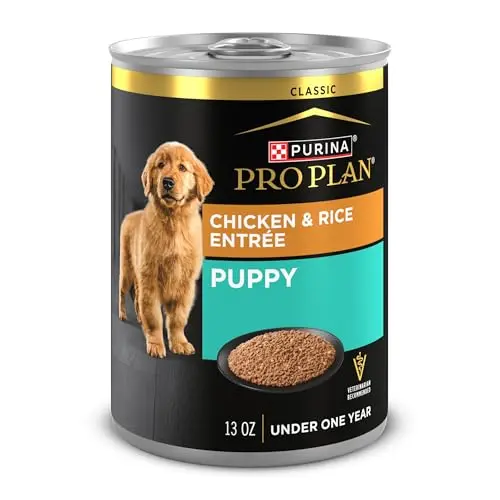
Pro Plan Wet Puppy Food – Chicken & Rice Entree
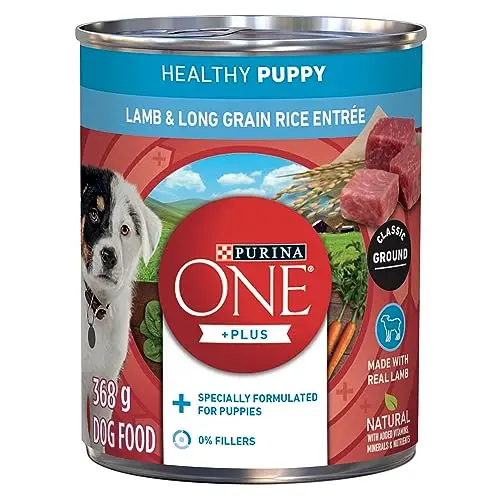
Purina ONE Wet Puppy Food – Lamb & Long Grain Rice Entree
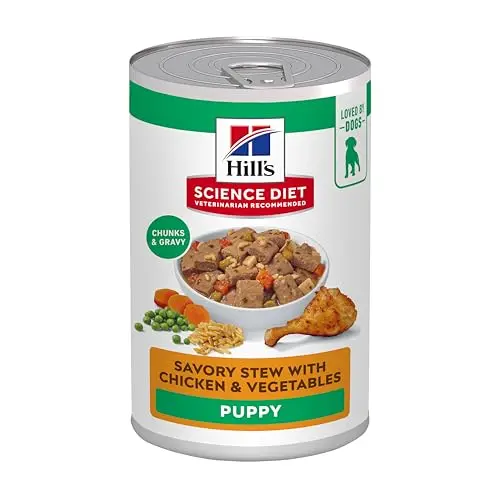
Hill's Science Diet Puppy Canned Food – Savory Stew with Chicken & Vegetables
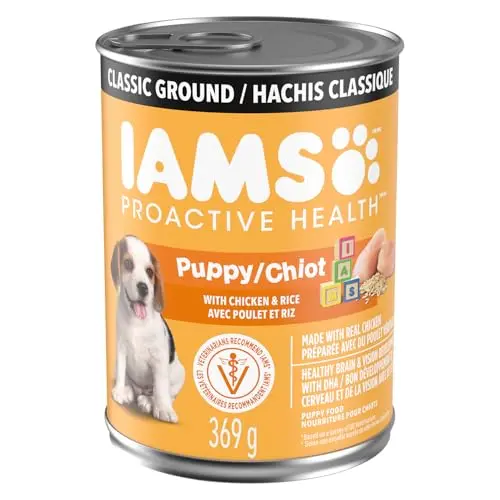
IAMS Proactive Health Puppy Wet Food – Chicken & Rice Classic Ground
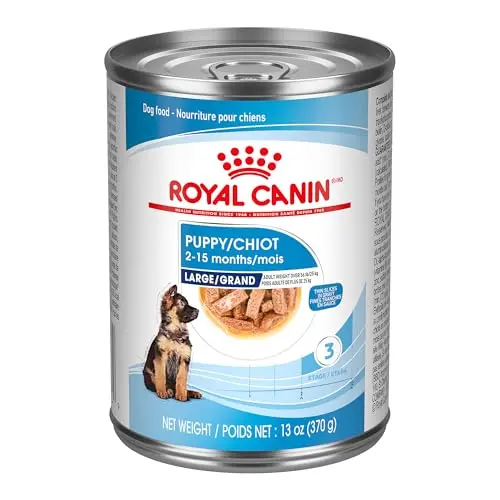
Royal Canin Large Puppy Wet Food – Thin Slices in Gravy
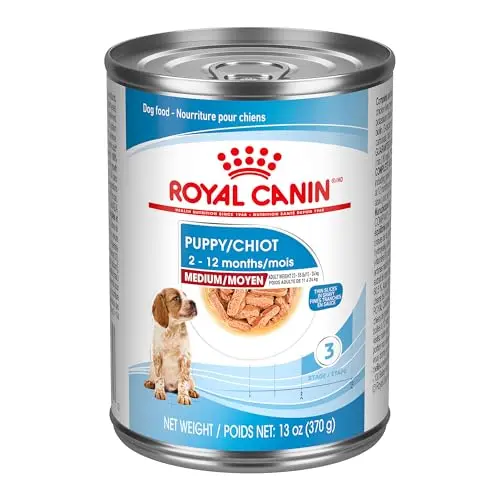
Royal Canin Medium Puppy Wet Food – Thin Slices in Gravy
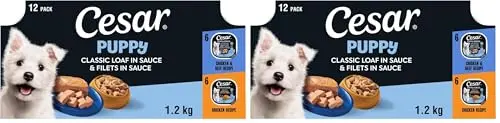
Cesar Puppy Wet Food – Classic Loaf & Filets Variety Pack
How We Evaluated These Soft Dog Foods for Puppies
We didn’t run clinical feeding trials or lab nutrient analysis. What we did: cross-referenced 7 wet puppy foods from 6 distinct brands across 5 key decision axes – core nutrition profile, texture and palatability, breed suitability, ingredient transparency, and feeding practicality. We triangulated published product information, ingredient lists, and aggregated owner feedback where available against the developmental demands of growing puppies. We also mapped each food to representative puppy profiles – the fast-growing large breed, the picky toy breed, and the active medium mutt – to ensure our picks cover the most common scenarios. No food was penalized for brand popularity or packaging – only what’s inside the can (or tray) counted.
The scoring framework weighted real-world puppy nutrition (60%) – how well each formula delivers DHA, high-quality protein, and balanced minerals – against feature differentiation (40%) – unique protein sources, breed-specific formulations, and texture variety. We have no commercial relationship with any of the brands featured; recommendations track nutritional merit and puppy-fit, not brand preference. If you’re looking for a reliable all-rounder, the Pro Plan Wet Puppy Food is your match; if you need a poultry-free option, the Purina ONE Lamb & Rice stands out.
How to Choose the Right Soft Dog Food for Puppies
Why Soft, Wet Food Is Ideal for Young Puppies
Soft textures are more than just a preference – for puppies, they can make the difference between a clean bowl and a nibbled-at meal. Wet food is easier on developing teeth and gums, and the higher moisture content supports hydration, which is especially valuable for puppies who haven’t yet mastered the water bowl. The aroma of a freshly opened can also helps entice hesitant eaters, making mealtime less of a struggle. When you’re choosing a soft food, look for a consistency that matches your puppy’s eating style – smooth pates, chunky stews, or thin slices in gravy each have their own appeal.
Key Nutrients to Prioritize in Puppy Wet Food
Puppyhood is a critical window for development, and the right wet food should deliver more than just calories. DHA, an omega-3 fatty acid, is essential for brain and eye development, so it’s a non-negotiable in any puppy formula. High-quality animal protein – chicken, lamb, or beef – should lead the ingredient list to support lean muscle growth. Balanced minerals like calcium and phosphorus build strong bones, while antioxidants and prebiotics support a growing immune system and digestive health. If a label is vague about DHA content or relies heavily on plant proteins, it’s not fully optimized for your pup’s needs. For a dependable source of DHA and protein, the Pro Plan pate is a standout.
Texture Matters: Pate, Stew, or Slices in Gravy?
Soft dog food comes in several textures, and the right one depends on your puppy’s preferences and feeding routine. Pate is the most common – it’s smooth, homogenous, and easy to mix with dry kibble. Stews offer chunks in a liquid, which can be more satisfying for dogs who like to chew, but watch out for overly large pieces that may choke small pups. Thin slices in gravy strike a middle ground and are often used in breed-specific formulas. If your puppy turns up their nose at one style, don’t hesitate to experiment. The Hill’s Science Diet stew provides a hearty, gravy-rich alternative to pate.
Breed-Size Formulas: When They Make Sense
Large-breed puppies grow rapidly but need controlled nutrition to avoid skeletal issues, while small breeds may require more calorie-dense meals due to faster metabolisms. Breed-specific foods, like the Royal Canin Large Puppy formula, tailor nutrient profiles to expected adult size, but they’re not mandatory for every dog. If you know your puppy’s likely adult weight range, a targeted food can provide peace of mind. For mixed breeds where size is a guess, a well-balanced all-life-stages or all-breed puppy food is often the safer bet.
Decoding Ingredient Labels: Fillers, By-Products, and Protein Sources
Not all wet foods are equal in quality. Avoid products with vague terms like “meat meal” or “animal by-products” as primary proteins – a named meat source (chicken, lamb) should be first. Fillers like corn gluten meal or wheat middlings add bulk but little nutrition, so opt for formulas that advertise “0% fillers” or use whole grains like brown rice. Artificial colours, flavours, and preservatives are unnecessary and can irritate sensitive stomachs. The Purina ONE Lamb & Rice recipe is a good example of a clean label with no poultry by-products and zero fillers.
Value Tiers: What You Get at Each Price Level
In the world of wet puppy food, spending more often gets you specialized formulations – breed-specific tailoring, novel proteins, or higher inclusion of functional ingredients like DHA and prebiotics. Mid-range options offer solid everyday nutrition with balanced macros and trusted brand reputations. Budget-friendly picks, like the IAMS Classic Ground, prove you don’t have to sacrifice essential nutrients for affordability. Decide whether the premium features align with your puppy’s specific needs before stretching your budget.
Frequently Asked Questions
What's the difference between the Pro Plan and Hill's Science Diet puppy wet foods?
Both are excellent choices but differ in texture and ingredient approach. The Pro Plan is a smooth pate with chicken as the first ingredient and a strong emphasis on DHA and antioxidants. The Hill’s Science Diet comes as a stew with visible chicken and vegetable chunks in gravy, offering a heartier texture that some puppies prefer. Hill’s also touts its ingredients as easily digestible and is backed by a high vet-trust rating. If your puppy likes to chew their food, go with the stew; for a classic, mixable pate, Pro Plan is the pick.
How do I choose between the lamb and chicken wet puppy foods?
Protein choice often comes down to tolerance and preference. Lamb-based formulas, like the Purina ONE Lamb & Rice, are a good option if your puppy shows signs of chicken sensitivity (itchy skin, digestive upset) or if you want to rotate proteins for variety. Chicken recipes are more widely available and tend to be highly palatable. If you’re unsure, start with chicken – it’s the gold standard in puppy food – and switch to lamb if you notice any issues. Always transition gradually over a week.
Is soft wet food better for puppies than dry kibble?
It’s not inherently better, but it offers distinct advantages. Wet food is softer, making it easier for teething puppies to eat, and its high moisture content helps keep them hydrated. The strong aroma can also encourage picky eaters. However, dry kibble is more calorie-dense, easier to store, and better for dental health. Many owners combine the two – using wet food as a topper or mixing it with kibble – to get the best of both worlds. For the first few months, a soft, wet diet can ease the transition from nursing.
Can I feed breed-specific food to a mixed-breed puppy?
Yes, but it may not be necessary. Breed-specific formulas like the Royal Canin Large Puppy target expected adult weight ranges, so if you have a good estimate of your puppy’s eventual size, they can be beneficial. For a complete unknown, a general all-breed puppy food is a safer, more flexible choice. The key is to monitor growth: if your pup is gaining too fast or too slow, adjust feeding amounts or switch formulas accordingly.
How often should I feed my puppy soft food?
Most puppies do well with three to four small meals a day until about 6 months of age, after which you can transition to twice-daily feeding. Soft food can be fed at every meal or reserved for one meal to add variety and moisture. Because it’s less calorie-dense than dry food, you may need to feed slightly larger portions to meet energy needs. Always follow the feeding guide on the can as a starting point, and adjust based on your puppy’s body condition and activity level.
Final Verdict
For most puppies, the Pro Plan Wet Puppy Food is the answer – it nails the nutritional essentials with DHA, quality chicken protein, and a smooth texture that suits nearly every breed. If you’re watching your budget, the IAMS Classic Ground delivers core puppy nutrition without the premium price tag. For large-breed owners, the Royal Canin Large Puppy formula is purpose-built to support controlled growth, and the Purina ONE Lamb & Rice offers a poultry-free alternative that doesn’t compromise on quality. Whatever you choose, prioritize DHA, clean ingredients, and a texture your pup will actually eat – because a full bowl of the “right” food means nothing if it stays untouched.