
You toss a chew and your dog’s tail goes into overdrive – sweet potato treats have a way of doing that. They’re a cleaner alternative to rawhide, packed with fiber and vitamins, and the natural sweetness seems to hit a magic spot for most pups. But not all sweet potato chews are created equal, especially when you’re looking at the sheer number that call themselves ‘natural’ these days.
We spent hours cross‑referencing ingredients, sourcing, and chewability across a market full of options to pick out the chews that deliver on health and happiness. Whether you need a single‑ingredient favourite for a sensitive belly, a high‑protein twist for training, or an affordable everyday reward, this guide will help you find the right match without sifting through the filler.
Best Sweet Potato Chews for Dogs – 2026 Reviews
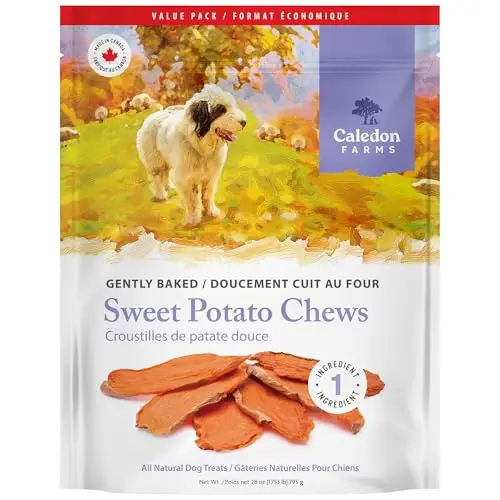
Sweet Potato Chews Value Pack – Canadian-Made Single-Ingredient Treats
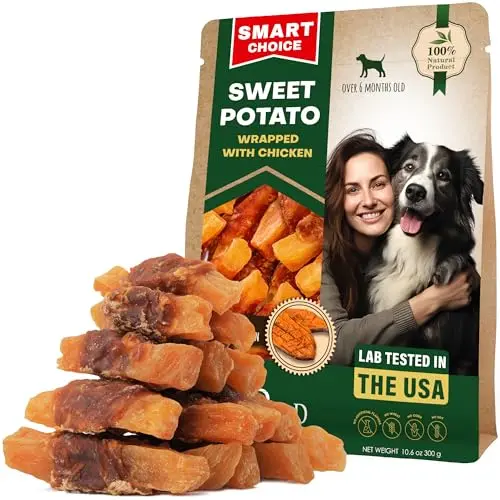
Chicken-Wrapped Sweet Potato Chews – High-Protein Dental Sticks
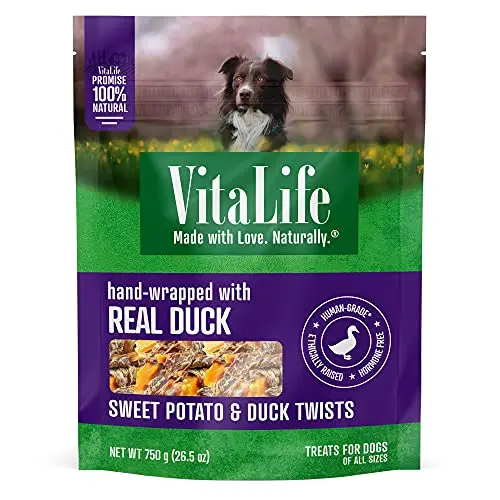
Sweet Potato & Duck Twists – Grain-Free Training Rewards
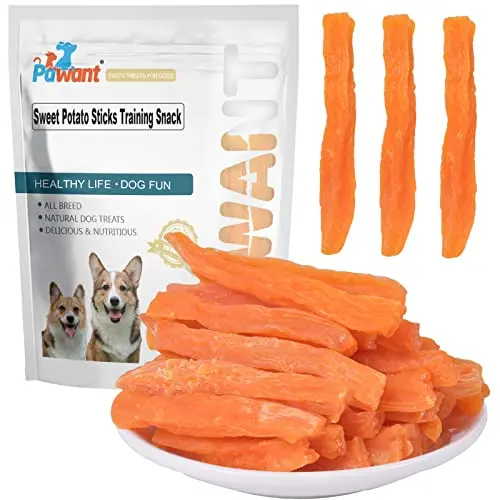
Sweet Potato Sticks – Rawhide-Free Low-Calorie Chews
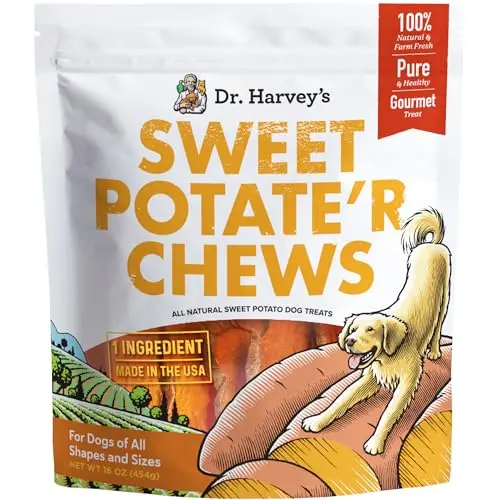
Sweet Potato Chews – USA-Grown Dental Chews for Aggressive Chewers
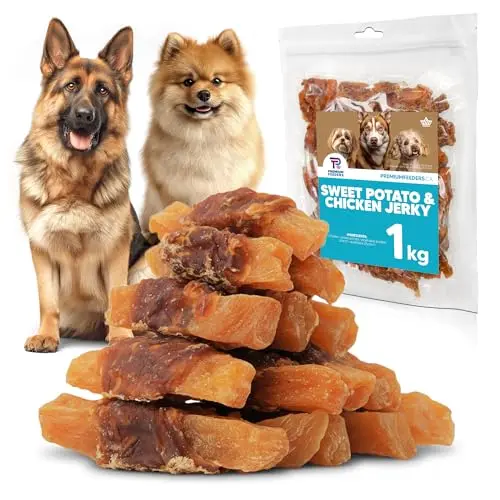
Chicken & Sweet Potato Twists – High-Protein Chew for All Breeds
How We Evaluated These Sweet Potato Chews for Dogs
We didn’t run controlled feeding trials or vet‑supervised dental exams. What we did: cross‑referenced 6 sweet potato chew models from 6 distinct brands across 8 decision axes – ingredient quality, dental health impact, texture and hardness, digestibility, protein content, size appropriateness, country of origin, and qualitative price tier. We triangulated published specifications, aggregated owner feedback where available, and use‑case fit against real dog‑owner profiles.
The scoring framework weighted real‑world chew performance and health benefit delivery at 60% – how well each product works as a satisfying, safe, and functional treat – against feature differentiation at 40% – unique advantages like single‑ingredient simplicity, protein boost, or country of manufacture. We have no commercial relationship with any of the brands featured; recommendations track fit and differentiation, not brand preference. If you just want a dependable, all‑around chew, the Caledon Farms Value Pack is your match; if you need a softer, protein‑rich training reward, the VitaLife twists serve you better.
How to Choose the Right Sweet Potato Chews for Dogs
How to Identify a High-Quality Sweet Potato Chew
The ingredient list is your first clue. The best chews list sweet potato – and nothing else or just one complementary protein. Avoid anything with vague ingredients like ‘meat meal,’ artificial colours, or chemical preservatives. Look for sourcing transparency: brands like Caledon Farms and Dr. Harvey’s clearly state where their sweet potatoes come from. If you see ‘made in Canada’ or ‘grown in the USA,’ that’s often a marker of tighter quality control. Also, check that the dehydration method preserves nutrients without frying or adding sugar – air‑dried and slowly dehydrated chews retain more natural vitamins and fibre.
Dental Health Benefits: Do Sweet Potato Chews Actually Clean Teeth?
They can, but it depends on the texture. The abrasive action of gnawing on a rough or fibrous chew helps scrape plaque and massage gums. Chews like Dr. Harvey’s are intentionally left with a rougher surface, while the chicken wrapper on Beloved Pets’ sticks encourages extra chewing time. However, no treat replaces regular brushing; they’re a supplemental dental aid. For dogs who gulp instead of gnaw, choose a harder, longer‑lasting chew that forces them to work – otherwise, the cleaning benefit is minimal.
Hard or Soft? Finding the Right Texture for Your Dog
Hardness is both a pro and a con. Dense, tough chews keep power chewers occupied and scrape teeth, but they can fracture weak teeth or frustrate older dogs. Softer options like Pawant’s sticks or VitaLife’s twists are gentler and easier to break for training, but they won’t last as long. Puppies and seniors generally do better with softer, thinner pieces. If your dog has a history of broken teeth or gulps large chunks, lean toward malleable treats you can break up safely.
Single-Ingredient vs Combination Treats: Which Should You Choose?
Single‑ingredient chews (Caledon Farms, Dr. Harvey’s) are the safest bet for allergy‑prone dogs because there’s nothing hidden to trigger a reaction. Combination treats (Beloved Pets, VitaLife, Premium Feeders) add flavour and protein but increase the risk of sensitivity – especially if your dog hasn’t had chicken or duck before. If you’re using chews as training rewards, the addition of meat can make them more irresistible. For everyday chew sessions, a single‑ingredient sweet potato is simpler and often lower in fat.
Caledon Farms vs Dr. Harvey's: Which Single-Ingredient Chew is Right for Your Dog?
Both deliver a pure sweet potato experience, but the similarities end there. Caledon Farms sources North American potatoes and produces a larger, more economical bag – great for multi‑dog homes or high‑frequency treaters. The pieces are thick and dense, ideal for medium to large dogs. Dr. Harvey’s uses USA‑grown potatoes and focuses on aggressive chewers; the slices are thinner but harder, with a more abrasive texture that targets dental plaque. If you want quantity and value, go with Caledon. If dental scrubbing and domestic sourcing matter more, Dr. Harvey’s justifies its premium price.
Introducing New Treats Safely
Any high‑fibre treat can cause digestive upset if introduced too quickly. Start with a half piece and watch your dog’s stool for 24 hours. Make sure fresh water is always available, as dehydrated treats can increase thirst. For small dogs, always snap the chew into a size appropriate for their mouth – a rule that goes double for hard chews. Supervise the first few sessions, and take the treat away if your dog tries to swallow a large chunk whole.
Why Country of Origin Matters for Dog Treats
Manufacturing standards vary widely. Treats made in Canada or the USA (Caledon Farms, Dr. Harvey’s, Beloved Pets) typically follow stricter safety protocols and more transparent supply chains. Products from China (Pawant, Premium Feeders, VitaLife) can still be safe, but you’ll want to verify that the brand performs independent testing. If you’re uncomfortable with offshore production, stick with the North American‑made options – there are excellent picks at both budget and premium levels that don’t require a compromise.
Frequently Asked Questions
Are sweet potato chews safe for puppies?
Yes, but choose softer, smaller pieces. Puppies have developing teeth and jaws, so a rock‑hard chew can cause fractures. Pawant’s sticks are naturally softer and can be broken into tiny bits, while Caledon Farms’ dense slices are better reserved for older dogs with strong teeth. Always supervise, and limit chew time to prevent over‑consumption of fibre, which can upset a young digestive system.
My dog has allergies – which sweet potato chew is best?
Stick to single‑ingredient chews like Caledon Farms Value Pack or Dr. Harvey’s. Since they contain nothing but sweet potato, you eliminate common allergens like chicken, beef, or grains. If you know your dog tolerates duck, VitaLife’s two‑ingredient twists are a safe step up. Just avoid treats with multiple meat sources or unnamed ‘natural flavours’ until you’ve ruled out sensitivities.
Do sweet potato chews really help with dental health?
They can, but they’re not a replacement for brushing. The key is chewing time and texture – a treat that encourages prolonged gnawing scrapes plaque off teeth. Dr. Harvey’s rough‑surface chews and Beloved Pets’ chicken wraps excel here because they hold a dog’s attention. Soft, quickly consumed treats won’t do much for dental care. For the best results, pair a dental chew with regular veterinary cleanings.
What's the difference between the Caledon Value Pack and Dr. Harvey's chews?
Both are single‑ingredient sweet potato, but Caledon comes in a larger, more affordable bag made from North American potatoes in Canada. Dr. Harvey’s uses USA‑grown potatoes and produces a harder, rougher chew specifically for aggressive chewers and dental focus. Choose Caledon for everyday value and if your dog is a moderate chewer; go with Dr. Harvey’s if your dog is a determined gnawer who needs extra plaque removal.
Can sweet potato chews cause digestive issues?
Yes, if overfed or introduced too quickly. Sweet potatoes are high in fibre, which can lead to loose stools or gas when a dog isn’t accustomed to them. Start with a small piece – no larger than the size of your dog’s paw – and monitor for 24 hours. Always provide fresh water, and ease off if you notice any tummy upset. For sensitive stomachs, the limited‑ingredient VitaLife twists are a gentle introduction because they contain only sweet potato and duck, both highly digestible.
Final Verdict
For most dogs, the Caledon Farms Value Pack is the answer – it nails simplicity with a single ingredient, delivers a durable chew that cleans teeth, and comes in a generous bag that won’t break the bank. If your dog is an aggressive chewer and you want a premium dental workout, the Dr. Harvey’s is purpose‑built for that job. On a tight budget? Pawant’s sweet potato sticks get you a rawhide‑free chew at a wallet‑friendly price – just inspect each piece first. And when training calls for a high‑protein treat that’s easy to break apart, the VitaLife duck twists are the tasty tool you’ve been looking for.