
When your dog has pancreatitis, every treat feels like a gamble. You want to reward them, but a high‑fat biscuit or a rich chew can trigger a flare‑up. The good news is that you don’t have to cut out treats entirely – you just need the right ones.
We combed through the market for treats that keep fat low and ingredients simple. The standouts are single‑protein lean meats like duck, or plant‑based options like sweet potato – both gentle on a sensitive pancreas. In this guide, we compare five cross‑brand picks that deliver the joy without the risk.
Best Treats for Dogs with Pancreatitis – 2026 Reviews
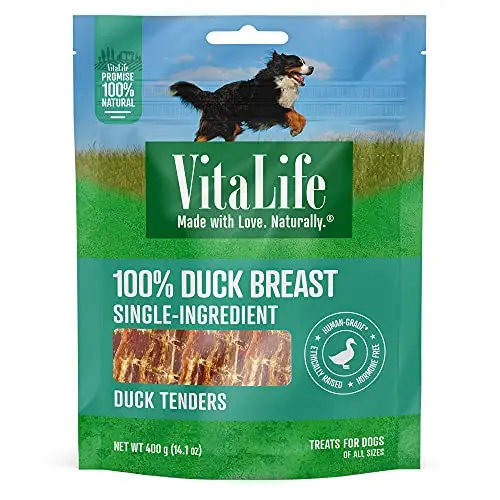
Duck Tenders – Lean Single-Ingredient Protein
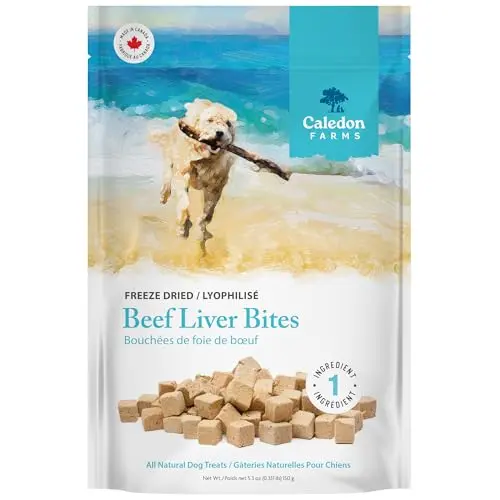
Beef Liver Bites – Freeze-Dried Training Reward
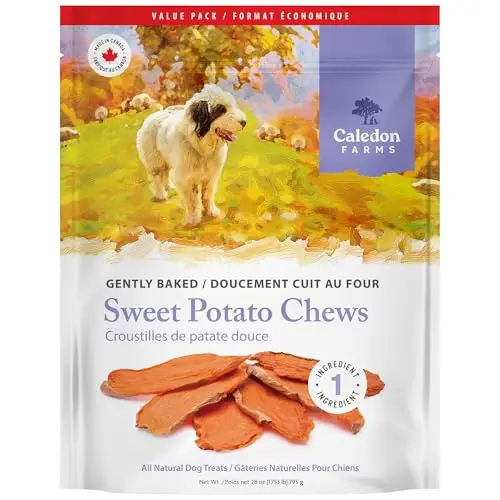
Sweet Potato Chews – Low-Fat Plant-Based Chew
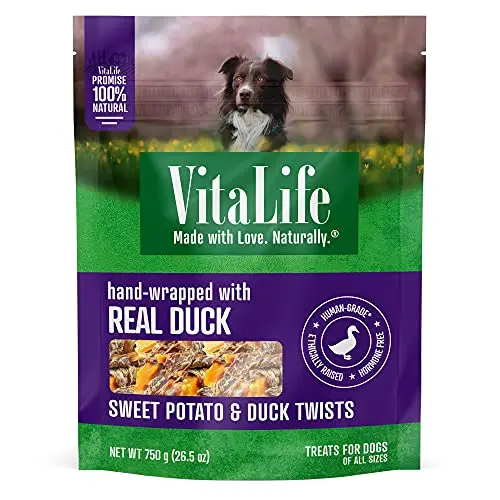
Sweet Potato & Duck Twists – Two-Ingredient Savory Chew
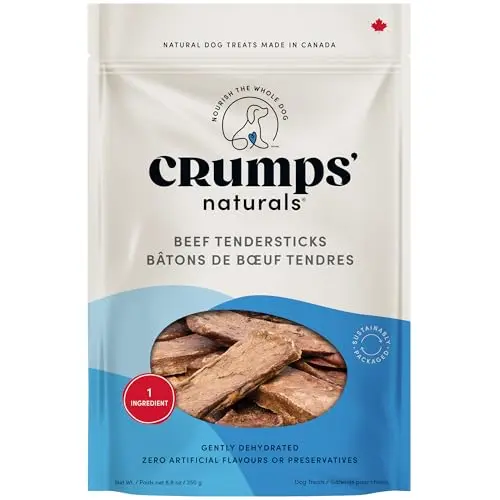
Beef Tendersticks – All-Natural Lean Chew
How We Evaluated These Treats for Dogs with Pancreatitis
We didn’t run veterinary‑supervised feeding trials or measure fat content in a lab. What we did: cross‑referenced 5 treat models from 3 distinct brands across 6 decision axes – ingredient simplicity, protein source and fat profile, processing method, additive load, owner‑reported digestibility, and suitability for sensitive dogs. We triangulated published specifications, aggregated owner feedback where available, and use‑case fit against the needs of a pancreatitis‑prone pup.
The scoring framework weighted real‑world suitability (60%) – how well each treat aligns with a low‑fat, low‑risk diet – against feature differentiation (40%) – unique advantages like single‑ingredient purity, plant‑based safety, or training utility. We have no commercial relationship with any of the brands featured; recommendations track fit and differentiation, not brand preference. If you’re managing a pancreatitis diagnosis, the Duck Tenders are our top pick; if you need the lowest possible fat content, the Sweet Potato Chews are your match.
How to Choose the Right Treats for Dogs with Pancreatitis
Understanding Pancreatitis and the Role of Treats
Pancreatitis is inflammation of the pancreas, often triggered by a high‑fat meal or an underlying metabolic issue. When the pancreas is inflamed, it releases digestive enzymes prematurely, causing pain and potential organ damage. For dogs recovering from or prone to pancreatitis, dietary fat is enemy number one. That means every treat you offer must be exceptionally low in fat – ideally under 10% on a dry‑matter basis, though many owners aim even lower.
Treats aren’t just extras; they’re tools for training, bonding, and mental enrichment. The goal is finding options that satisfy your dog’s craving for a snack without overwhelming their delicate system. This is where single‑ingredient, lean‑protein treats and plant‑based chews shine.
Why Single‑Ingredient Treats Are the Safer Choice
Multiple ingredients introduce multiple unknowns – hidden fats, preservatives, and fillers that can trigger a flare‑up. Sticking to one recognizable ingredient – duck breast, beef liver, or sweet potato – gives you complete control over what goes into your dog. These treats typically have no need for added fats, sugars, or artificial flavours, reducing the risk of an accidental high‑fat dose.
Single‑ingredient products are also easier to vet: you can look at the ingredient list in two seconds and know exactly what your dog is eating. In our lineup, the VitaLife Duck Tenders, Caledon Farms Beef Liver Bites, and Crumps’ Naturals Beef Tendersticks all follow this principle.
Lean Protein Sources vs. Organ Meats: What's Better for Pancreatitis?
Lean muscle meats like duck, chicken breast, and turkey are ideal because they provide high‑quality protein with minimal fat. Organ meats, especially liver, are nutritionally dense but higher in fat and cholesterol. While a tiny morsel of liver won’t harm most dogs, it’s not the best choice as a daily treat for a pancreatitis‑prone pup.
If you need a high‑value reward for training, liver treats can still play a role – think of them as the canine equivalent of a triple‑chocolate cake: irresistible but for special occasions only. In contrast, a duck tender or a sweet potato chew can be given more freely. The VitaLife Duck Tenders exemplify this lean‑protein advantage.
Plant‑Based Treats: Sweet Potato and Beyond
For the lowest possible fat content, plant‑based chews are unbeatable. Sweet potato is the star here – naturally fat‑free, high in fibre, and rich in beta‑carotene. It also provides a satisfying chew that keeps dogs busy and helps clean teeth. The Caledon Farms Sweet Potato Chews are a pure example, with nothing but dehydrated sweet potato slices.
If your dog misses the meaty flavour, a combo treat like the VitaLife Sweet Potato & Duck Twists gives a hint of duck while still keeping fat extremely low. Plant‑based treats also suit dogs with multiple food allergies, as they avoid common triggers like chicken, beef, or grains.
Treats to Steer Clear Of
When shopping for a pancreatitis‑friendly treat, avoid anything with added fats, oils, or greasy textures. Peanut butter‑based treats, meaty‑bone shapes with rendered fat, and semi‑moist treats that rely on glycerine are all red flags. Even some dental chews pack more fat than you’d expect, as they often use wheat flour and fat sources to achieve that chewy texture.
Always read the ingredient panel, not just the marketing claims. Terms like “natural” and “grain‑free” don’t guarantee low fat. And if a treat feels oily to the touch, it’s likely too rich for a sensitive pancreas.
Duck Tenders vs. Sweet Potato Chews: Which Should You Pick?
Your choice comes down to your dog’s preferences and your treat‑giving goals. The VitaLife Duck Tenders are a protein‑packed reward that’s leaner than any red meat option – perfect for training sessions where you want a high‑value payoff. The Caledon Farms Sweet Potato Chews are a fat‑free, longer‑lasting chew that satisfies the need to gnaw without any animal fat at all.
Many owners keep both on hand: duck for a quick, exciting reward, and sweet potato for a calming chew at the end of the day. If your dog has a history of severe pancreatitis, the sweet potato is the safer baseline; if they tolerate lean poultry well, the duck adds welcomed variety.
Frequently Asked Questions
What's the difference between VitaLife Duck Tenders and Caledon Farms Sweet Potato Chews?
The Duck Tenders are a single‑ingredient animal protein treat, while the Sweet Potato Chews are entirely plant‑based. Duck is lean but still contains trace fat; sweet potato is virtually fat‑free. The duck strips are softer and tearable, making them easy to break for training, while the sweet potato slices are denser and last longer for chewing. If your priority is the lowest possible fat content, sweet potato wins. If you want a meaty, high‑protein reward that’s still pancreas‑friendly, go with duck.
Can I give my dog with pancreatitis liver treats?
In very small amounts, yes – but cautiously. Beef liver is higher in fat and cholesterol than muscle meats, so it can be a trigger for some dogs. Treat it as an occasional high‑value jackpot, not a daily snack. If you do use liver, opt for a freeze‑dried pure version like the Caledon Farms Beef Liver Bites, and break each piece into pinhead‑sized crumbles. Monitor your dog for any signs of discomfort, and stop immediately if you notice vomiting, lethargy, or a tender abdomen.
Are freeze‑dried treats better for dogs with pancreatitis?
Freeze‑drying preserves the nutritional integrity of the raw ingredient without adding cooking fats or oils. Because the process simply removes moisture, it doesn’t concentrate fat; the final product has roughly the same fat content as the original ingredient. So a freeze‑dried duck breast is still very lean, and a freeze‑dried liver is still relatively fatty. The advantage is in the clean ingredient list – most freeze‑dried treats are single‑ingredient, which eliminates hidden fats and additives. In our lineup, the Caledon Farms Beef Liver Bites and VitaLife Duck Tenders both use freeze‑drying or similar low‑temperature drying to stay pure.
How many treats can I give my dog with pancreatitis?
Portion control is critical. Even a low‑fat treat can cause problems if you overdo it. A good rule of thumb is that treats should account for no more than 10% of your dog’s daily calories, but for pancreatitis dogs, many vets recommend even less – perhaps a few tiny bites per day. Break a single duck tender into several pea‑sized pieces and use them as training rewards throughout the day. For the sweet potato chews, one small slice is usually enough. Always adjust based on your dog’s size, activity level, and your veterinarian’s guidance.
What should I look for on the ingredient label for pancreatitis‑safe treats?
Look for a short, recognizable ingredient list – ideally one item. Avoid any mention of “animal fat,” “vegetable oil,” “canola oil,” “glycerine,” or ambiguous “flavourings.” Even “chicken meal” can be higher in fat than whole muscle meat. Terms like “low‑fat” or “light” aren’t regulated for pet food, so rely on the actual ingredients. Choose named proteins (e.g., “duck breast” or “beef liver”) over by‑products or meals. And if in doubt, go plant‑based – you can’t go wrong with plain sweet potato.
Final Verdict
For most dogs dealing with pancreatitis, the VitaLife Duck Tenders strike the ideal balance of safety, flavour, and lean protein. They’re a single‑ingredient miracle that won’t cause a flare‑up. If you need to keep fat completely out of the equation, the Caledon Farms Sweet Potato Chews are your best friend – plant‑based, fibre‑rich, and gentle on the belly. For those moments when only a high‑value treat will do, a tiny piece of Caledon Farms Beef Liver Bites can work as a rare jackpot reward, but don’t overdo it. Stick with these picks, keep portions tiny, and you can still make treat time the highlight of your dog’s day – safely.