
Watching a large breed dog slow down with age or battle sore joints is never easy. The right high-protein diet can keep those massive frames powered, muscles strong, and joints as limber as possible. But picking through a wall of dog food bags, each claiming to be the best, is a lot trickier than it should be – especially when protein content and joint support need to work in tandem for big dogs.
We cross-shopped the category across major brands to find formulas that genuinely deliver on high protein – not just marketing – and pair it with the joint ingredients large breeds actually need. Whether your dog is a gentle giant or a high-energy working breed, this guide sorts through the options to match the right food to your dog’s specific needs.
Best High Protein Dog Food for Large Breeds – 2026 Reviews
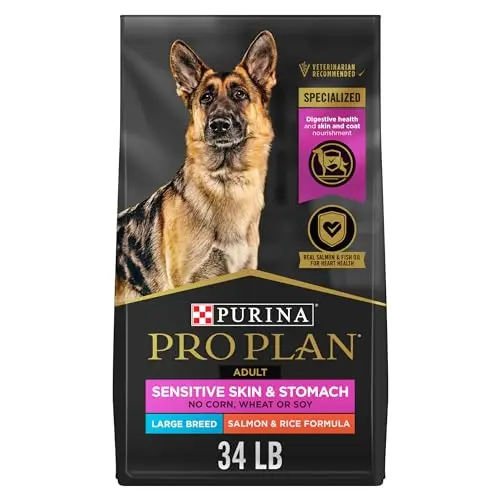
Sensitive Skin & Stomach Salmon & Rice – High Protein for Joint Health
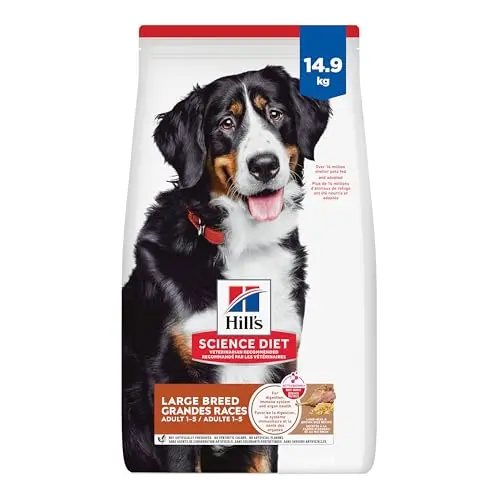
Large Breed Lamb Meal & Brown Rice – Balanced Nutrition for Large Dogs
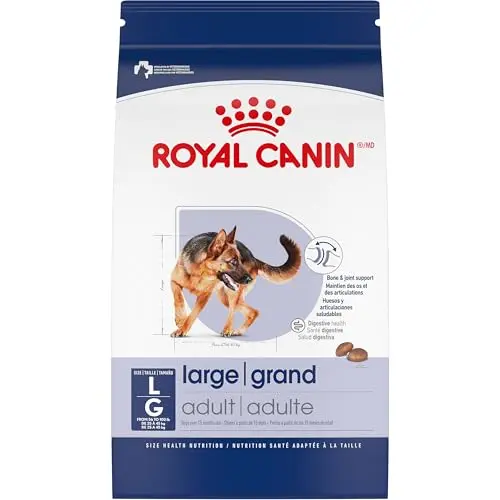
Large Breed Adult – Precise Nutrition for Bone & Joint Health
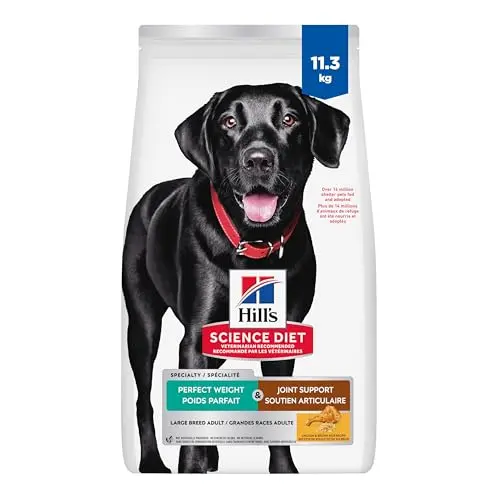
Perfect Weight & Joint Support Large Breed – Weight Management with Joint Care
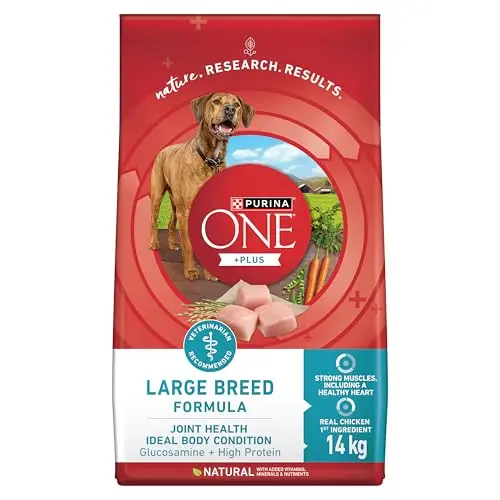
+Plus Large Breed Chicken – Joint Health & Immune Support
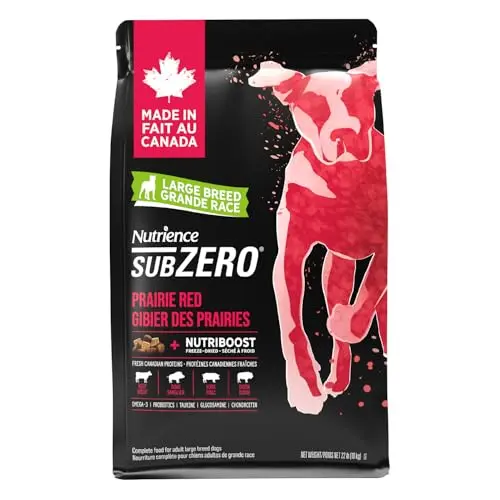
Grain Free Subzero Prairie Red – High Protein with Freeze-Dried Raw
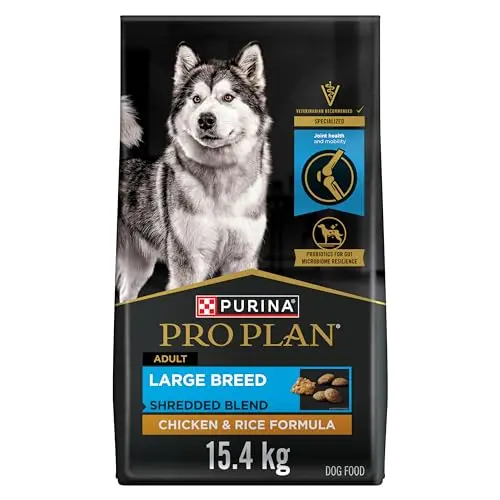
Shredded Blend Chicken & Rice – Picky Eater Friendly Joint Support
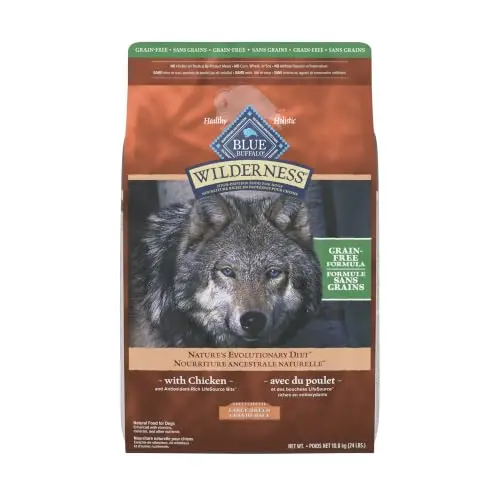
Wilderness High Protein Chicken – Grain-Free with LifeSource Bits
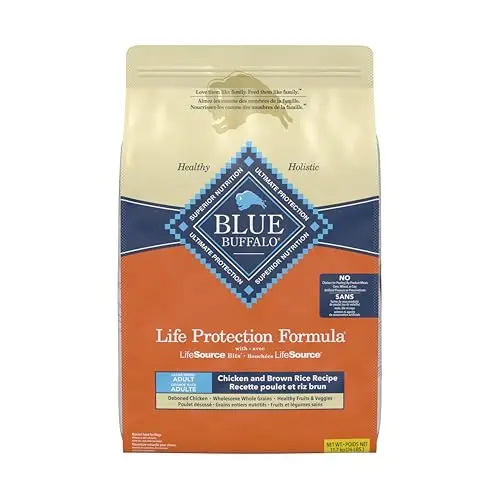
Life Protection Formula Chicken & Brown Rice – Everyday Joint & Immune Care
How We Evaluated These High Protein Dog Foods for Large Breeds
We didn’t conduct controlled feeding studies or long-term health monitoring. What we did: cross-referenced 9 high-protein large breed formulas from 6 distinct brands across seven decision axes – protein content and quality, joint-support ingredients, digestibility, ingredient sourcing, texture appeal, omega fatty acid profile, and recipe transparency. We triangulated published nutritional specifications, ingredient panel comparisons, and aggregated owner feedback where available to gauge real-world performance and palatability.
The scoring framework weighted real-world fit for large breed needs (60%) – how well each formula delivers on protein density and joint support – against feature differentiation (40%) – unique ingredients, digestive bonuses, and textural appeal. We have no commercial relationship with any of the brands featured; recommendations track fit and differentiation, not brand preference. If you’re looking for a sensitive-stomach-friendly, high-protein pick, the Sensitive Skin & Stomach Salmon & Rice is your match; if you need a proven, well-rounded everyday large breed food, the Hill’s Lamb Meal & Brown Rice serves you better.
How to Choose the Right High Protein Dog Food for Large Breeds
Why High Protein Matters for Large Breed Dogs
Large breeds carry more body mass, and protein is the building block that keeps muscles strong and energy levels steady. High-quality animal proteins like chicken, salmon, and lamb provide essential amino acids that support everything from muscle repair to immune function. When you see a food labelled as high protein, look for a named meat as the first ingredient – that’s where the nutritional heavy lifting happens. For giant breed adults, a diet with at least 25-30% protein on a dry matter basis helps maintain lean body mass without excess calories, which is crucial for joint longevity.
Joint Support: Glucosamine, Chondroitin, and Omega-3s
The most common health issue for large breeds is joint deterioration. A high-protein diet isn’t fully useful if your dog can’t move comfortably. Glucosamine and chondroitin are the two must-have compounds – they help maintain cartilage and reduce inflammation. Look for foods that list these on the label, either naturally occurring from ingredients like chicken meal and fish, or added as supplements. Additionally, EPA and DHA, omega-3 fatty acids found in salmon and fish oil, directly combat joint stiffness and promote a glossy coat. The best large breed formulas incorporate all three.
Grain-Free vs. Grain-Inclusive High Protein Diets
Grain-free diets often replace corn, wheat, and soy with sweet potatoes, peas, or lentils, which can be easier for some dogs to digest. However, recent veterinary research suggests that grain-free diets may be linked to dilated cardiomyopathy (DCM) in certain breeds, though the connection is still under study. If your dog has a confirmed grain allergy, going grain-free makes sense – just ensure the recipe still meets large breed energy needs. For most large dogs without allergies, a high-quality grain-inclusive diet using brown rice or oatmeal can provide needed carbohydrates without sacrificing protein density. If you decide on grain-free, the Nutrience Subzero Prairie Red offers protein variety and joint bonuses.
Pro Plan vs. Hill's Science Diet: Which Is Better for Large Breeds?
Both brands are veterinary staples, but they lean in different directions. Purina Pro Plan formulas, like the Sensitive Skin & Stomach, tend to emphasize targeted therapeutic benefits – think probiotics or specific protein sources for digestive issues. Hill’s Science Diet, represented here by the Lamb Meal & Brown Rice, focuses on clinically proven, balanced nutrition with gentle ingredients and consistent digestive performance. If your large breed has a sensitive system, Pro Plan’s speciality formulas often offer more precise solutions. If you want a reliable, no-fuss everyday diet that covers all bases, Hill’s is hard to fault.
What to Watch for When Switching Foods
Large breed dogs are prone to bloat and digestive upset, so gradual transitions are non-negotiable. Mix the new food with your old food over 7-10 days, starting with 25% new and increasing slowly. Monitor stool consistency – slightly loose stool for a day or two is normal, but persistent diarrhea means you should slow down or reconsider. Also, check the kibble size; large breeds need larger pieces that encourage chewing, which releases saliva and aids digestion. If you’re switching to a higher protein diet, you may notice increased energy and a thirstier dog initially – that’s the body adjusting to more efficient fuel.
Frequently Asked Questions
What's the difference between Purina Pro Plan Sensitive Skin & Stomach and Hill's Science Diet Large Breed Lamb?
The Purina Pro Plan formula is explicitly tailored for dogs with sensitivities – it uses salmon as a novel protein and oatmeal as a gentle carb, and it includes a prebiotic fibre for digestive health. The Hill’s Science Diet uses lamb meal and brown rice, making it a more conventional option with natural sources of glucosamine and chondroitin. Choose Pro Plan if your dog has confirmed food allergies or a touchy stomach; choose Hill’s for a reliable, all-purpose large breed diet with strong joint support.
How does the Nutrience Subzero compare to Royal Canin Large Breed for joint health?
Both deliver joint-supporting ingredients, but they go about it differently. Nutrience Subzero packs higher levels of glucosamine and chondroitin explicitly for large breeds, alongside a multi-protein blend for muscle. Royal Canin uses a precise ratio of EPA, DHA, and glucosamine optimized for large breed bones and joints, and its specialized kibble encourages chewing for better digestion. If you want a grain-free, high-protein kick with freeze-dried raw appeal, go Nutrience. For a breed-specific, scientifically calibrated approach, Royal Canin is the premium pick.
Are high-protein diets safe for large breed dogs?
Yes, high-protein diets are safe and often beneficial for healthy adult large breed dogs. Protein supports muscle maintenance and energy without converting to excess fat when fed at appropriate levels. The myth that high protein causes kidney damage has been debunked – as long as your dog has normal kidney function, it’s not a concern. However, large breed puppies need controlled protein and calcium to prevent rapid growth that can harm joints, so stick to puppy-specific formulas until your dog reaches adulthood.
Can I feed my large breed dog a grain-free high protein food?
Absolutely, but with a caveat. Grain-free diets like Blue Buffalo Wilderness or Nutrience Subzero use alternative carbohydrates that can be easier on some stomachs. However, the FDA’s ongoing investigation into dilated cardiomyopathy (DCM) and grain-free foods means you should discuss the choice with your vet, especially for breeds predisposed to heart issues. If your dog doesn’t have a grain allergy, a high-quality grain-inclusive option like the Hill’s Science Diet Lamb may offer a balanced middle ground.
Final Verdict
For most large breed dogs, the Purina Pro Plan Sensitive Skin & Stomach Salmon & Rice is our top pick – it delivers high protein and joint support while being gentle on sensitive systems. If you’re looking for a proven, no-fuss everyday diet, the Hill’s Science Diet Lamb Meal & Brown Rice is a close runner-up. For dogs needing weight control alongside joint care, the Hill’s Perfect Weight & Joint Support is purpose-built. And if budget is the priority, the Purina ONE +Plus Large Breed still delivers solid joint support at an accessible price point.