
If you’ve ever come home to a shredded collar – or worse, a dog who’s chewed right through it on a walk – you know the frustration. A collar that can’t stand up to determined jaws is more than an annoyance; it’s a safety risk. The good news? A handful of brands have stepped up with materials and construction that genuinely resist chewing, and we’ve sorted the contenders from the pretenders.
Chew resistance isn’t just about thickness or hardness – it’s a mix of material, weave, and hardware. We looked for collars that combine tough exteriors with secure buckles and comfortable fits, because a chew‑proof collar that chafes or slips isn’t a solution. In this guide, we break down what separates a truly durable collar from one that’s just heavy, and spotlight the picks that earned their place through real‑world feedback and smart design.
Best Chew-Resistant Dog Collars – 2026 Reviews
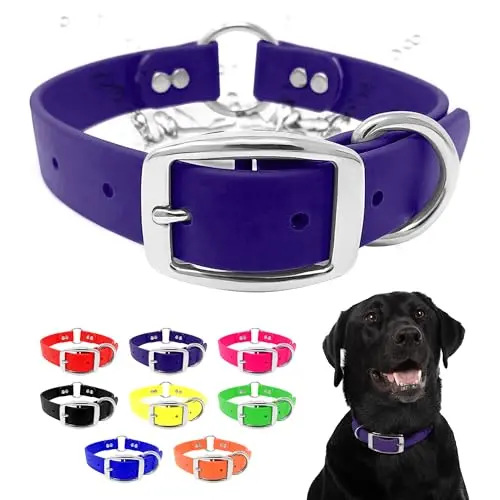
Waterproof Chew-Resistant Collar – Heavy-Duty Vinyl Coating
A vinyl‑coated webbing collar that combines leather‑like looks with near‑indestructible durability. The double‑buckle design and rust‑resistant hardware make it a standout for serious chewers who also love the water.
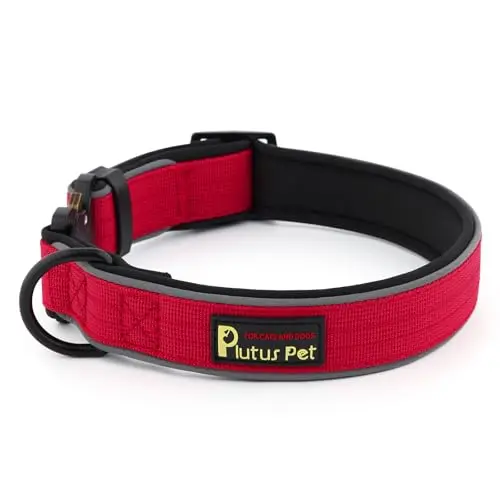
Tactical Heavy-Duty Dog Collar – Padded Comfort and Reflective
A double‑layered nylon collar built for power chewers and working dogs. The padded neoprene lining and reflective stripe add comfort and visibility, while the metal quick‑release buckle stands up to serious pulling.
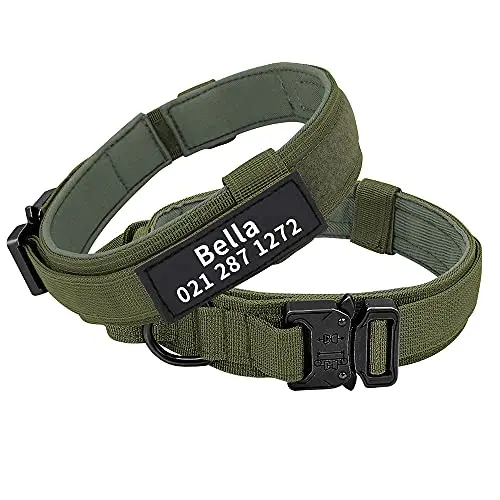
Military Tactical Dog Collar – Metal Cobra Buckle & Handle
A heavy‑duty collar with a genuine metal cobra‑style buckle and integrated control handle. The Velcro closure allows micro‑adjustments, and the thick nylon construction is built for large, powerful breeds.
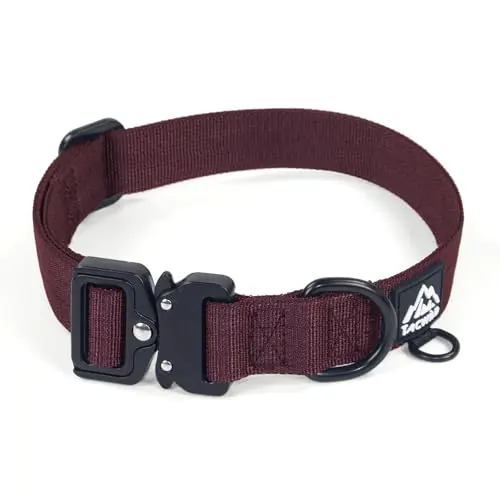
Chew-Proof Nylon Collar – Metal Quick-Release & Adjustable
A straightforward, no‑nonsense collar that explicitly targets chewers. The 1000D nylon and multi‑stitched construction pair with a sturdy metal buckle, giving you a lot of durability without hurting your wallet.
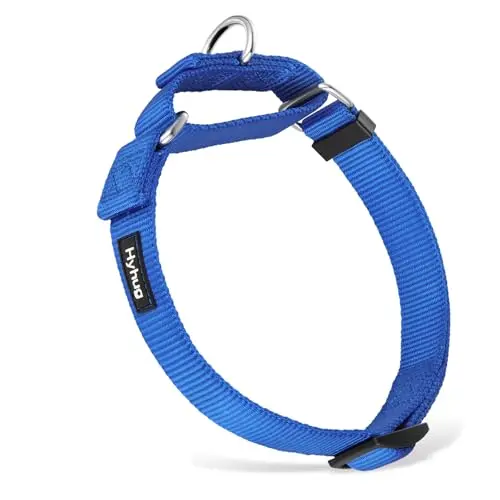
Martingale Dog Collar – Escape-Proof Heavy Nylon
A martingale‑style collar that offers gentle control and escape‑proof design. While not explicitly chew‑resistant, the heavy‑duty nylon and limited‑tightening mechanism make it a durable choice for dogs who slip traditional collars.
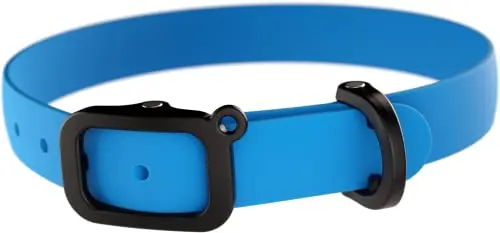
Waterproof Rubber Dog Collar – Quick-Dry and Scratch-Resistant
A rubber‑based collar that’s completely waterproof and resistant to scratches. The quick‑fit buckle makes it easy to adjust, and the material won’t absorb odors or moisture.
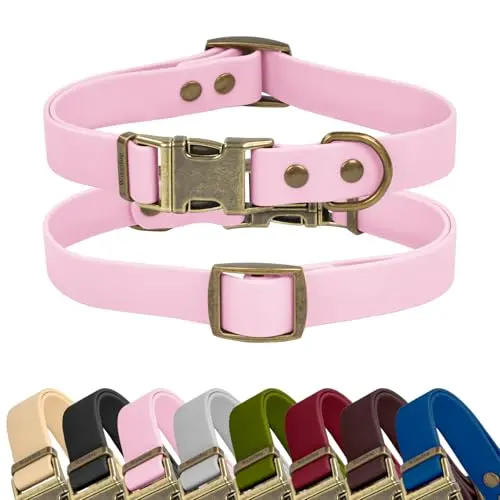
Rubber Dog Collar – Antique Bronze Hardware & Waterproof
A stylish rubber collar with antique bronze hardware and a quick‑release buckle. The coated nylon webbing is waterproof and easy to clean, with a vintage aesthetic that stands out.
How We Evaluated These Chew-Resistant Dog Collars
We didn’t run lab chew‑resistance tests with a mechanical jaw. What we did: cross‑referenced 7 collars from 7 distinct brands across 5 decision axes – material durability, buckle security, fit adjustability, waterproofing, and real‑world owner feedback on chew resistance. We triangulated published specifications, feature lists, and aggregated owner experiences where available to pressure‑test each collar’s ability to stand up to determined chewers.
The scoring framework weighted real‑world chew resistance and toughness (60%) – how well each collar holds up under actual use – against feature differentiation (40%) – unique advantages like padded comfort, waterproofing, or hardware quality. We have no commercial relationship with any of the brands featured; recommendations track fit and durability, not brand preference. If you’re dealing with a power chewer, the Regal Dog Products Chew-Resistant Collar is the obvious pick; if you want a tactical edge, the Plutus Pet Tactical Collar is built for serious work.
How to Choose the Right Chew-Resistant Dog Collar
What Makes a Dog Collar Chew-Resistant?
Chew resistance isn’t about one magic material – it’s a combination of dense weave, coating, and hardware. Collars that survive chewing typically use 1000D nylon, vinyl‑coated webbing, or thick rubber. The webbing should feel rigid enough to resist teeth but remain flexible so it doesn’t chafe. Stitching matters too: multi‑thread, reinforced seams prevent fraying even if the surface gets scratched.
A collar that’s truly chew‑proof will also have secure hardware – double buckles or metal quick‑releases that can’t be popped open by a dog’s jaws. Avoid collars with plastic buckles or thin leather if your dog is a determined chewer; they’re often the first point of failure.
Nylon vs. Rubber vs. Coated Webbing: Which Material for Chew Resistance?
1000D nylon is the workhorse of heavy‑duty collars – dense, tear‑resistant, and affordable. Double‑stitched nylon can deter most casual chewers, but a truly persistent dog may eventually fray it. Vinyl‑coated webbing (like Regal Dog Products) adds a smooth, leather‑like layer that’s both waterproof and much harder to grip. Rubber collars are waterproof and scratch‑resistant but lack the structural rigidity of nylon or vinyl; they’re better for water exposure than relentless chewing.
If your dog is an aggressive chewer, prioritize vinyl‑coated or thick double‑layer nylon designs. Rubber works well for dogs who need a waterproof collar and aren’t heavy chewers.
Buckle Types: Quick‑Release vs. Traditional vs. Double Buckle
Buckles are often the weak link. Plastic quick‑release buckles can be chewed off or broken under force. Metal buckles – especially cobra‑style or double‑buckle systems – are much tougher and harder for a dog to manipulate. The HOTGOL Tactical Collar uses a genuine metal cobra buckle that requires two‑handed operation, which is nearly impossible for a dog. Double‑buckle designs loop the webbing through twice, distributing stress and adding redundancy.
If you have a strong, clever chewer, lean toward metal hardware and avoid single‑point plastic fasteners.
Sizing for Chew-Resistant Collars
A poorly fitted collar can cause discomfort or allow a dog to get a jaw under the strap. Most chew‑resistant collars are wider than standard collars – typically 1 inch for medium/large dogs. Measure your dog’s neck with a soft tape, then add two fingers’ width for comfort. Many brands offer adjustable ranges, so check the sizing chart carefully.
Collars that are too loose can shift and become easier to chew, while too‑tight collars risk rubbing. The Tacwild Chew‑Proof Collar and Regal Dog Products both offer generous adjustability, making them easier to dial in.
Waterproofing and Odor Resistance: A Bonus for Active Dogs
If your dog swims or loves mud, a waterproof collar is as important as chew resistance. Vinyl‑coated and rubber collars dry fast and don’t hold smells. Nylon absorbs water and can develop mildew if not dried properly. Look for non‑absorbent materials and rust‑proof hardware – nickel‑plated or brass buckles and D‑rings hold up in saltwater and snow.
When Does Chew Resistance Really Matter?
Chew resistance isn’t just for puppies. Adult dogs with separation anxiety, boredom, or a habit of grabbing at collars during play can destroy standard collars in minutes. If your dog has ever chewed through a collar while supervised – or worse, escaped because of it – investing in a purpose‑built chew‑resistant collar is a safety upgrade, not a luxury. The peace of mind is worth the extra upfront cost.
Frequently Asked Questions
What's the difference between the Regal Dog Products and Tacwild chew-proof collars?
Both are excellent, but they take different approaches. The Regal Dog Products collar uses vinyl‑coated webbing and a double‑buckle system for maximum waterproofing and chew resistance. It feels more like a premium leather collar and is completely odor‑free. The Tacwild collar relies on thick 1000D nylon with reinforced stitching and a metal quick‑release buckle. It’s lighter and less expensive, but the nylon may absorb some moisture over time. Choose Regal for all‑weather durability and a polished look; pick Tacwild for straightforward, budget‑friendly toughness.
Are vinyl-coated collars truly indestructible?
No collar is 100% indestructible, but vinyl‑coated webbing comes close. The coating is extremely difficult for teeth to puncture, and it doesn’t fray like nylon. However, a very determined dog with enough time and leverage can eventually cause damage – usually at the edges. Regular inspection is always recommended.
How do I measure my dog for a chew-resistant collar?
Use a soft measuring tape around the middle of your dog’s neck – where the collar sits – and add two fingers’ width for comfort. Most chew‑resistant collars are 1 inch wide, so that extra space is important. If your dog is between sizes, size up and use the collar’s adjustability. A collar that’s too tight can cause chafing; too loose and your dog may get a jaw under it.
Can a chew-resistant collar also be waterproof?
Yes, several options combine both. The Regal Dog Products collar and Nuvuq rubber collar are fully waterproof, making them ideal for swimmers and mud‑lovers. Vinyl coatings and rubber materials repel water and don’t absorb odors, so they stay fresh even after repeated dunks.
What's the advantage of a tactical collar for chew resistance?
Tactical collars often use heavier materials, wider straps, and metal hardware – all of which deter chewing. The HOTGOL Tactical Collar and Plutus Pet Collar add features like grab handles and reflective strips. They’re bulkier, so they may not suit small dogs, but for medium and large breeds they offer an extra layer of durability.
Final Verdict
For most dogs who chew, the Regal Dog Products Chew-Resistant Collar is the answer – it nails durability and waterproofing without compromising on comfort. If you’re watching your spending, the Tacwild Chew‑Proof Collar gives you genuine chew resistance at a lower cost. And if you want the ultimate in hardware and a tactical feel, the HOTGOL Tactical Collar is purpose‑built for strong, powerful breeds. No matter which you choose, you’re getting a collar that can outlast your dog’s teeth – and that’s a win for everyone.