
Bringing home a large breed puppy is exciting – those oversized paws and the promise of rapid growth are hard to resist. But that growth also places unique demands on their diet. Without the right balance of nutrients, especially during the first year, you risk skeletal issues like hip dysplasia or uneven bone development. Choosing the right kibble from the start isn’t just about keeping them full; it’s about laying the foundation for a healthy, active life.
We looked at seven leading dry foods designed specifically for large and giant breed pups, from well‑known names like Pro Plan and Royal Canin to value‑focused options like Purina ONE. Every formula here is built around controlled calcium levels, joint‑friendly nutrients, and DHA for brain development – but they differ in protein source, added digestive aids, and price tier. This guide walks you through what matters most so you can feed your growing giant with confidence.
Best Kibble for Large Breed Puppies – 2026 Reviews
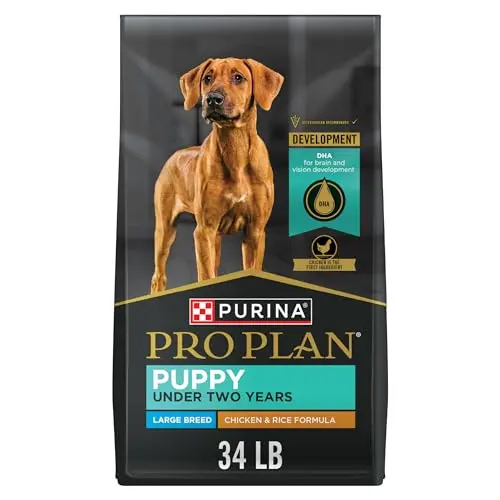
Development Chicken & Rice – Tender Shreds & Probiotic Support
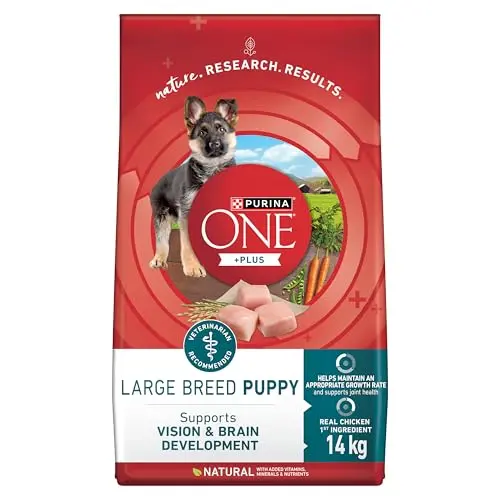
Large Breed Puppy Chicken Formula – DHA & Glucosamine Value Pack
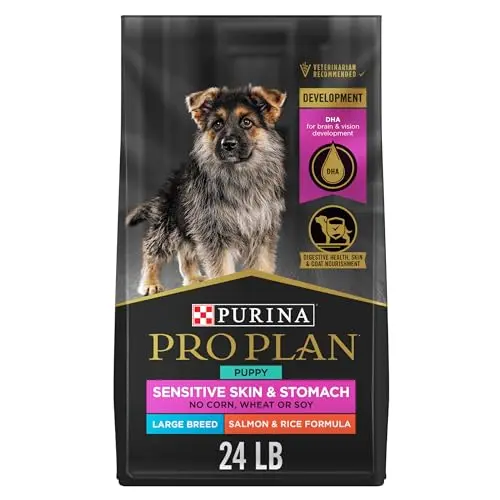
Sensitive Skin & Stomach Salmon Formula – Gentle on Tummies
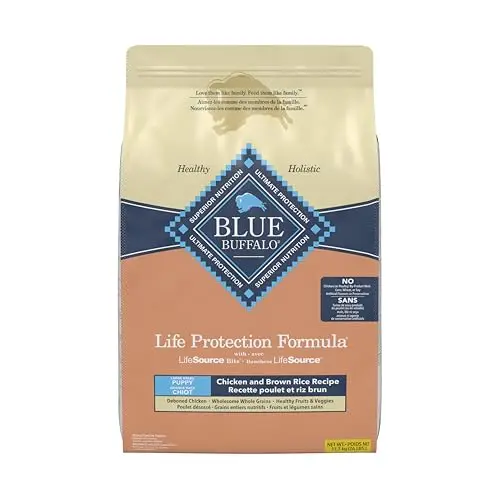
Life Protection Large Breed Puppy – Chicken & Brown Rice with LifeSource Bits
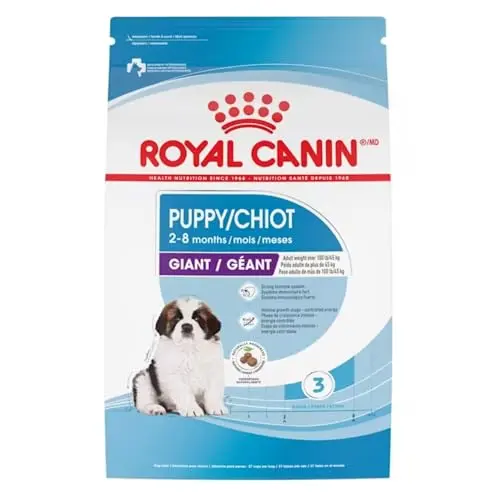
Giant Puppy Formula – Targeted Nutrition for Extra‑Large Breeds
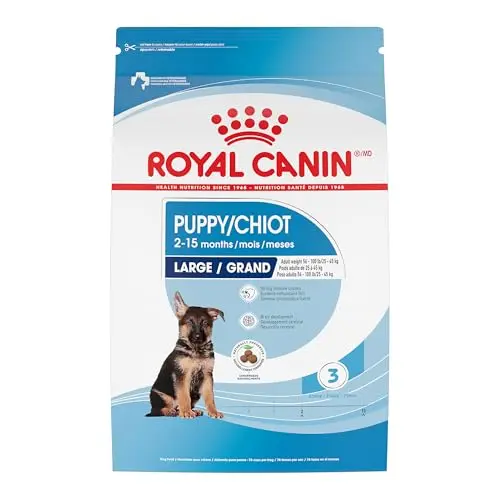
Large Puppy Formula – Bone & Joint Support for Big Pups
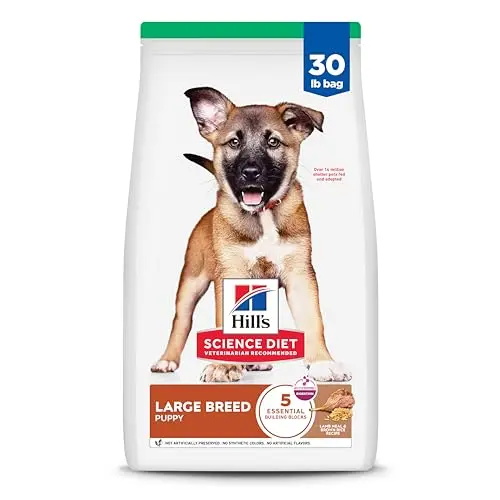
Large Breed Puppy Lamb Meal & Rice – Balanced Minerals for Growth
How We Evaluated These Kibble for Large Breed Puppies
We didn’t run long‑term feeding trials or lab digestion studies. What we did: cross‑referenced 7 large breed puppy formulas from 5 distinct brands across 6 key decision axes – protein quality, joint support ingredients, DHA content, digestive aids, skin & coat support, and formula specificity for breed size. We triangulated published ingredient panels, AAFCO nutritional adequacy statements, and aggregated owner feedback where available to pressure‑test how each kibble performs in the real world.
The scoring framework weighted real‑world nutritional fit (60%) – how well each kibble meets the growth standards for large breed puppies and the consistency of owner‑reported outcomes – against feature differentiation (40%) – unique extras like live probiotics, novel proteins, or targeted giant breed formulations. Recommendations track fit and differentiation, not brand preference; Purina, Royal Canin, and Blue Buffalo all appear because they each excel in different areas. If your priority is all‑around balance, the Pro Plan Development Chicken & Rice is our top pick; if you’re watching the budget, the Purina ONE Large Breed Puppy gives you great value.
How to Choose the Right Kibble for Large Breed Puppies
Why Large Breed Puppy Nutrition Differs from Standard Puppy Food
Large breed puppies aren’t just bigger – they grow at an accelerated pace that requires tighter nutritional control. Standard puppy foods often contain higher calorie densities and different mineral ratios that can push a large pup’s skeleton to grow too fast, increasing the risk of developmental orthopedic diseases. The right large breed formula focuses on controlled energy intake and precisely balanced calcium and phosphorus to support steady, healthy bone formation. Look for the AAFCO statement specifying ‘large breed puppy’ or ‘growth of large‑breed dogs’ on the bag – it’s not just marketing; it’s a guarantee the recipe meets different standards.
Controlled Calcium and Phosphorus: The Key to Healthy Joints
Calcium and phosphorus are the building blocks of bone, but too much of either can spell trouble for a fast‑growing pup. Excess calcium has been linked to hypertrophic osteodystrophy (HOD) and other skeletal abnormalities. All the recipes we evaluated keep these minerals within a safe, narrow window. The Royal Canin Large Puppy and Hill’s Science Diet formulations are particularly meticulous about this balance. Additionally, ingredients like glucosamine and chondroitin (naturally present or added) support cartilage and joint health – a must for breeds predisposed to hip dysplasia.
DHA and Brain Development: What to Look For
DHA (docosahexaenoic acid) is an omega‑3 fatty acid critical for brain and vision development. Puppy foods often include fish oil or other omega‑rich sources to supply it. While all our picks contain DHA, the amounts can vary. The Pro Plan and Purina ONE formulas call it out prominently, and owner feedback frequently mentions improved trainability and alertness. If you’re raising a working breed or simply want to give your pup the best cognitive start, give DHA content extra weight in your decision.
Digestive Health: Probiotics, Prebiotics, and Sensitive Stomachs
Young digestive systems can be fragile, and large breed pups are no exception. Many formulas include probiotics (live beneficial bacteria) or prebiotics (fibres that feed good gut flora) to maintain stool quality and nutrient absorption. The Pro Plan Development Chicken & Rice includes guaranteed live probiotics, while Royal Canin relies on highly digestible proteins and prebiotics. If your puppy experiences frequent loose stools or gas, a food with explicit digestive support – or the Pro Plan Sensitive Skin & Stomach – can make a noticeable difference.
Protein Sources: Chicken, Salmon, Lamb – Does It Matter?
Most large breed puppy foods lead with chicken because it’s an efficient, palatable protein. However, some pups develop allergies or sensitivities to poultry. That’s where alternative proteins step in. Salmon-based formulas (like the Pro Plan Sensitive Skin & Stomach) provide omega‑3s for skin health and are often tolerated by dogs with chicken issues. Lamb meal (found in Hill’s Science Diet) offers another novel option. There’s no single ‘best” protein; it’s about what your individual puppy thrives on. If you suspect a food sensitivity, try a limited‑ingredient or single‑protein recipe first.
Comparing Our Top Picks: Pro Plan vs. Purina ONE vs. Royal Canin
All three brands appear in our lineup because they excel in different areas. Pro Plan Development Chicken & Rice is the standout for its live probiotics and dual texture, making it perfect for most pups. Purina ONE Large Breed Puppy matches the core nutrient profile at a lower price point, though it skips the probiotics. Royal Canin (both the Large and Giant formulas) brings the most breed‑specific research, with tailored mineral ratios and kibble shapes that encourage chewing. If you have a purebred or a dog with a known family history of joint issues, Royal Canin’s precision is reassuring; for everyday feeding, Pro Plan or Purina ONE will get the job done admirably.
When to Transition Your Large Breed Puppy to Adult Food
Large breed puppies mature more slowly than small breeds, often reaching full skeletal maturity at 12-18 months (or even later for giants). Switching to adult food too early can deprive them of the extra support they need during prolonged growth. Most vets recommend keeping a large breed puppy on a puppy formula until at least 12-14 months, then transitioning to a large breed adult formula. Watch for your pup’s growth rate to plateau and consult your vet. If you’re feeding a Royal Canin Giant Puppy food, they explicitly recommend moving to a Giant Junior formula at 8 months and then to adult at 24 months.
Frequently Asked Questions
What's the difference between the Pro Plan Chicken & Rice and the Purina ONE Large Breed Puppy formula?
Both are made by Nestlé Purina and share a chicken‑first ingredient list, but they cater to different priorities. Pro Plan Development includes live probiotics and tender meaty shreds for added palatability, making it ideal for dogs that need digestive support or are picky eaters. Purina ONE skips the probiotics and shreds but still delivers DHA, glucosamine, and a strong antioxidant blend – all at a significantly lower cost. If your puppy has a settled stomach and you’re price‑conscious, Purina ONE is the smarter buy; if you want the extra digestive insurance, Pro Plan is worth the upgrade.
How does Royal Canin Large Puppy compare to Hill's Science Diet Large Breed Puppy?
Both are premium options with strong veterinary backing, but they take different approaches. Royal Canin emphasizes precise calcium‑to‑phosphorus ratios and uses natural glucosamine and chondroitin for joint support, along with prebiotics for digestion. Hill’s Science Diet uses lamb meal as its protein, making it a good choice if you want to avoid chicken, and includes a clinically proven antioxidant blend. Royal Canin tends to have more breed‑specific research behind it, while Hill’s is often easier to find at general pet retailers. Both produce excellent results; the choice may come down to protein preference and availability.
Are 'giant breed' puppy foods necessary, or will a regular large breed formula work?
It depends on your puppy’s projected adult weight. Giant breeds (over 100 lbs) have an even longer growth period and a higher risk of skeletal disorders like panosteitis and elbow dysplasia. Royal Canin Giant Puppy offers a narrower nutritional window – lower energy density and tighter mineral control – to match that slower, more vulnerable growth. If you have a Great Dane or Mastiff, the giant‑specific formula is a safer bet. For dogs that will top out between 56‑100 lbs, a standard large breed puppy food is perfectly adequate.
What should I do if my large puppy has a sensitive stomach or food allergies?
Start with a limited‑ingredient or novel‑protein diet. The Pro Plan Sensitive Skin & Stomach Salmon Formula replaces chicken with salmon and uses oatmeal as a gentle carbohydrate, which often resolves both digestive and skin issues. In more stubborn cases, consult your veterinarian before switching, as true food allergies require a strict elimination diet. Avoid grain‑free foods unless medically advised; recent research links some grain‑free diets to heart problems in dogs.
When should I start feeding my large breed puppy adult dog food?
Large breed puppies should stay on a puppy formula until they reach 12‑18 months of age, and giant breeds often need it until 24 months. The exact timing depends on when your dog’s growth plates close, which your vet can assess. Switching too early can rob them of the extra calcium, phosphorus, and joint nutrients needed during their final growth spurt. Once you do transition, move to a large breed adult food that maintains joint support but with a maintenance energy level appropriate for a mature dog.
Final Verdict
For the vast majority of large breed puppy owners, the choice is clear: the Pro Plan Development Chicken & Rice combines high‑quality protein, live probiotics, and proven palatability into one reliable formula. If you’re feeding on a tighter budget, the Purina ONE Large Breed Puppy gives you nearly identical core nutrition at a significant saving. Puppies with itchy skin or sensitive stomachs should get the Pro Plan Sensitive Skin & Stomach – the salmon‑based recipe often resolves those issues quickly. And if you’ve got a future gentle giant, the Royal Canin Giant Puppy is purpose‑built for that scale. Whatever you choose, feeding a dedicated large breed puppy food from the start sets your pup up for a lifetime of strong joints and steady growth.