
If your dog turns into a gassy, itchy mess after meals, you know the frustration of finding a food that agrees with them. Lamb has become a go-to protein for sensitive pups-it’s often novel enough to avoid common allergies and is generally well-tolerated, especially in formulas built around digestive comfort. But not all lamb dog foods are created equal, especially when stomach sensitivity is the main event.
We looked at the lamb-based formulas that do more than just swap chicken for lamb. The best options pair that gentle protein with targeted fiber blends, prebiotics, and breed‑specific nutrition to calm tummies and support skin health at the same time. Here’s our guide to the top lamb dog foods for sensitive stomachs, built from real product specs and owner feedback-not brand hype.
Best Lamb Dog Foods for Sensitive Stomach – 2026 Reviews
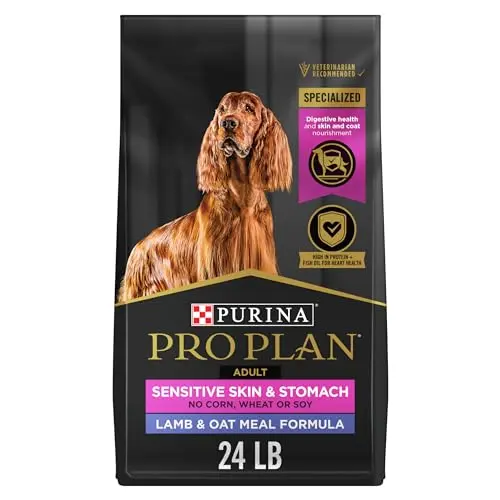
Sensitive Skin & Stomach Lamb & Oat Meal – Digestive Care
A high‑protein dry food built around real lamb as the first ingredient, this formula is laser‑focused on digestive and skin sensitivity. Oat meal and natural prebiotic fibre work together to soothe upset stomachs while omega‑6 fatty acids from sunflower oil tackle dry, flaky skin. It’s the most comprehensive sensitive‑stomach option we found, and it’s free of corn, wheat, and soy.
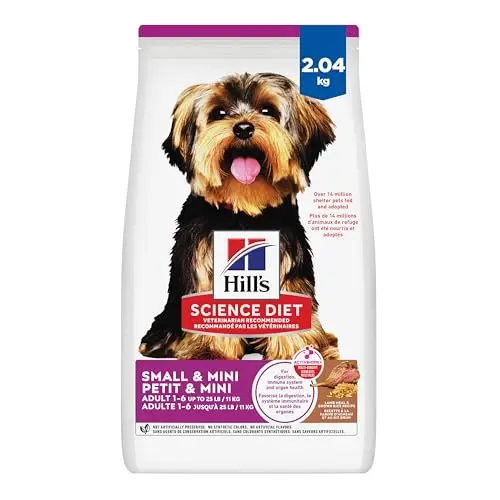
Small & Mini Lamb Meal & Brown Rice – Gentle Digestion
Designed specifically for small and toy breeds, this lamb meal formula includes pumpkin for extra digestive ease. The petite kibble size is a perfect fit for tiny mouths, and balanced nutrition supports healthy weight in smaller dogs prone to obesity. It’s a vet‑recommended staple for everyday feeding that still caters to sensitive systems.
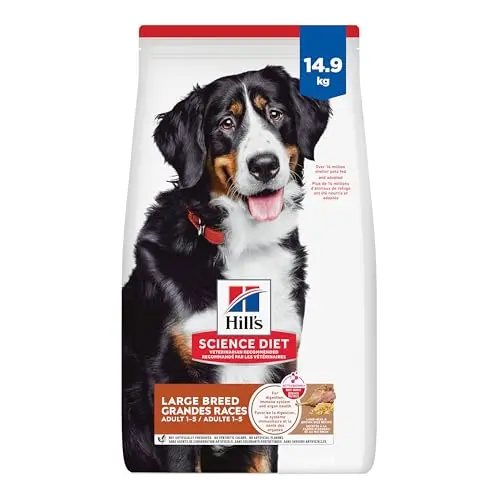
Large Breed Lamb Meal & Brown Rice – Joint & Digestive Health
This formula is built for the unique needs of large dogs, adding natural glucosamine and chondroitin for joint support alongside healthy digestion. The lamb meal base is gentle on the stomach, and larger kibble pieces encourage chewing and slow down fast eaters. It’s a well‑rounded choice for big breeds prone to both digestive and mobility issues.
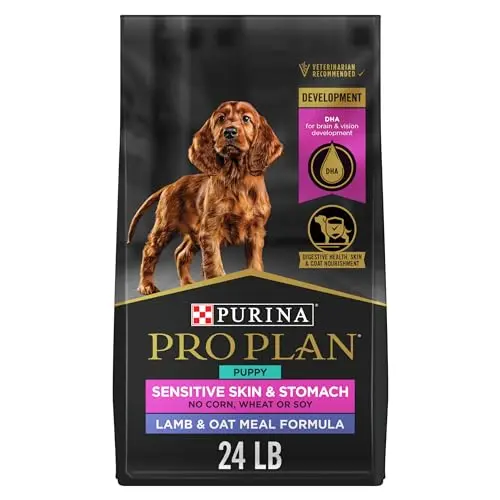
Development Sensitive Skin & Stomach Lamb & Rice – Puppy Growth
Growing puppies get the same sensitive‑stomach care as the adult formula, plus DHA from fish oil for brain and vision development. Lamb is the first ingredient, and the recipe avoids corn, wheat, and soy, making it a gentle introduction to solid food. It’s a reliable pick for breeders and new owners dealing with digestive upheaval during the puppy phase.
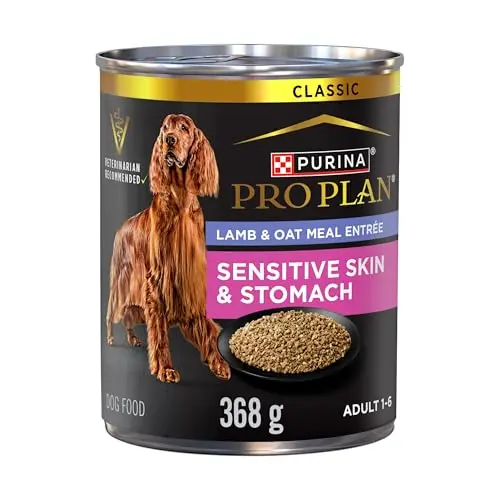
Classic Lamb & Oat Meal Entree Wet Food – Moisture for Sensitive Bellies
This wet option delivers the same sensitive‑skin and stomach benefits in a moisture‑rich pate that’s easy on dogs with dental issues or low thirst drive. Real lamb and oatmeal offer a soft, digestible meal that can be fed alone or as a topper to dry food. It’s a great way to add variety while sticking to a gentle diet.
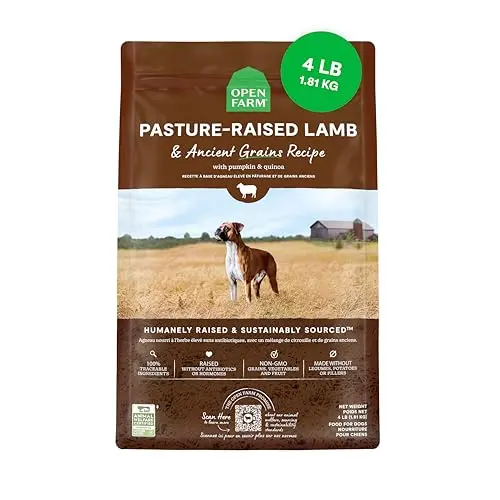
Pasture‑Raised Lamb Ancient Grains – Wholesome Nutrition
For owners who prioritize ethical sourcing, this pasture‑raised lamb recipe includes ancient grains like quinoa and chia for a nutrient‑dense, highly digestible meal. It’s free of peas, potatoes, and legumes, making it a good fit for dogs with multiple sensitivities. The transparent ingredient sourcing adds peace of mind for the label‑conscious buyer.
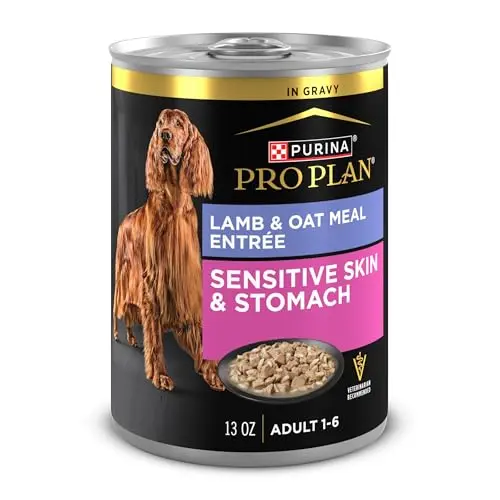
Specialized Lamb & Oat Meal Entree – Targeted Sensitivity Support
This wet formula is a close relative of the Classic entree but markets itself as a specialized sensitive‑stomach solution. It features easily digestible oat meal, prebiotic fibre, and omega‑6 fatty acids in a pate that’s 100% complete and balanced. A solid backup option if the Classic version is out of stock.
How We Evaluated These Lamb Dog Foods for Sensitive Stomach
We didn’t run veterinary feeding trials or controlled digestibility tests. What we did: cross-referenced 7 lamb‑based dog foods from 3 distinct brands across 5 decision axes-protein quality, digestive support ingredients, breed‑size suitability, ingredient traceability, and wet vs. dry considerations. We triangulated published specifications, aggregated owner feedback where available, and use‑case fit against the needs of dogs with sensitive stomachs.
The scoring framework weighted real‑world digestive performance (60%)-how effectively each formula calms sensitive systems-against feature differentiation (40%)-unique advantages like added joint support, breed‑specific kibble size, or ethical sourcing. We have no commercial relationship with any of the brands featured; recommendations track fit and differentiation, not brand preference. If you’re looking for the strongest all‑around sensitive‑stomach solution, the Purina Pro Plan Sensitive Skin & Stomach is the one to beat; for small breeds, the Hill’s Science Diet Small & Mini fits more naturally.
How to Choose the Right Lamb Dog Food for a Sensitive Stomach
Why Lamb is a Great Choice for Sensitive Stomachs
Lamb is often called a novel protein-one that many dogs haven’t been exposed to in their regular diet, which reduces the chance of triggering an immune reaction. It’s typically easier to digest than beef or chicken because it has a simpler amino acid profile and less fat. When you pair lamb with high‑quality fibre sources like oatmeal or pumpkin, you get a double benefit: the protein is gentle on the gut, and the fibre helps regulate digestion. Look for formulas that list lamb or lamb meal as the first ingredient to ensure the protein isn’t diluted by fillers.
Key Digestive Support Ingredients: What to Look For
Not all lamb foods are created for sensitivity. The best ones include specific digestive aids: prebiotic fibres (like beet pulp or inulin) feed beneficial gut bacteria and firm up stools; pumpkin adds soluble fibre that soothes the GI tract; and oat meal is a gentle carbohydrate that’s easy on inflamed stomachs. Avoid foods with artificial colours or flavours, as these can irritate a sensitive system. A limited ingredient list often helps, but a well‑formulated food with targeted additives can be more effective than a bare‑bones recipe.
Dry vs. Wet: Which Texture Suits Your Dog?
Texture isn’t just preference-it can affect digestion. Dry kibble encourages chewing and may help with dental health, but some dogs with sensitive stomachs do better with wet food because the high moisture content is easier to process. Wet food also carries a stronger aroma, which can tempt picky eaters who turn their nose up at lamb‑flavoured dry. If your dog drinks little water or has dental issues, a wet option like the Purina Pro Plan Classic Lamb & Oat Meal Entree might be a game‑changer; otherwise, dry food is more economical and keeps well. Many owners mix a spoonful of wet into dry for the best of both worlds.
Breed Size Matters: Matching Formula to Your Dog
Large‑breed dogs have different digestive rhythms than small ones-they’re prone to bloat and need controlled feeding to slow them down. A food like the Hill’s Science Diet Large Breed Lamb Meal not only has a kibble size that forces chewing but also includes joint‑supporting nutrients that large breeds often need. Small‑breed formulas, on the other hand, pack more calories into a tinier bite, making it easier for tiny stomachs to get enough nutrition without overfilling. If you’re unsure where your dog falls, the Hill’s Small & Mini and Hill’s Large Breed show how much breed‑specific formulation can matter.
Purina Pro Plan vs Hill's Science Diet: Which Lamb Food Wins?
Both brands have excellent lamb‑based options, but they approach sensitivity differently. Purina Pro Plan uses a focused prebiotic and omega‑6 heavy formula that directly targets skin and stomach issues, while Hill’s Science Diet leans on natural fibre (pumpkin) and breed‑specific tailoring for gentler everyday support. If your dog has a diagnosed sensitivity or itchy skin, the more intentional digestive engineering of Purina Pro Plan often yields faster results. For general maintenance and breed‑adjusted nutrition, Hill’s Science Diet offers a broader lineup. The Purina Pro Plan Sensitive Skin & Stomach remains our top pick for its laser‑focused digestive support, but both brands can work depending on your dog’s specific needs.
Frequently Asked Questions
Is lamb better than chicken for dogs with sensitive stomachs?
For many dogs, yes. Lamb is often less allergenic than chicken because it’s less commonly used in mainstream pet foods, so dogs haven’t built up a sensitivity to it. It’s also a leaner protein that’s generally easier to digest. However, some dogs can develop an intolerance to lamb as well, especially if they’ve been fed lamb‑based foods for a long time. If chicken is definitely the problem, lamb is a solid alternative; but if your dog’s issues persist, consider talking to your vet about novel proteins like duck or venison.
What's the difference between Hill's Science Diet Lamb & Brown Rice and Purina Pro Plan Sensitive Skin & Stomach Lamb & Oat Meal?
Hill’s Science Diet uses lamb meal as its primary protein and includes pumpkin for fibre, which supports gentle, everyday digestion. It’s available in breed‑size‑specific formulas, so the kibble and nutrient density are tuned for small or large dogs. Purina Pro Plan goes a step further with prebiotic fibre designed to nourish specific gut bacteria, a higher protein content, and a dedicated omega‑6 boost for skin health. For a dog with a clearly sensitive stomach or skin, the Purina Pro Plan tends to be more effective because it’s built around a targeted sensitivity claim, whereas Hill’s is a broader wellness food with digestive perks. Both are excellent, but Purina Pro Plan is our recommendation if you need a stronger initial response to tummy troubles.
Purina Pro Plan Puppy vs Adult Lamb Formulas: Which to Choose?
Age is the deciding factor. The puppy formula includes DHA for brain and eye development, plus higher fat and calcium levels to support growth. It’s dosed for a young dog’s metabolism and is safe for all breeds. The adult formula is balanced for maintenance and may be too nutrient‑dense for a puppy, potentially causing growth issues. Once your dog reaches about 12 months (or 24 months for giant breeds), switch to the adult version. If you have a puppy showing signs of sensitivity, the Purina Pro Plan Puppy Sensitive Skin & Stomach is a solid pick that addresses both growth and gut health from the start.
Can I mix wet and dry lamb dog food for my sensitive dog?
Absolutely, and many owners do. Mixing a spoonful of wet food into dry kibble can boost moisture intake-helpful for dogs who don’t drink enough-and make the meal more aromatic for picky eaters. It can also slow down fast eaters if you use it as a topper. Just make sure both the wet and dry foods are sensitive‑stomach formulas so you aren’t introducing a harsh ingredient. The Purina Pro Plan wet and dry options are designed to be complementary, so pairing the Classic Lamb & Oat Meal Entree with the adult dry food is a seamless way to add variety without upsetting the digestive balance.
Final Verdict
For most dogs with sensitive stomachs, the Purina Pro Plan Sensitive Skin & Stomach Lamb & Oat Meal is the clear winner. It combines a novel lamb protein with targeted prebiotic fibre and omega‑6 fatty acids, addressing both digestive and skin issues in one bag. If you have a small breed, the Hill’s Science Diet Small & Mini offers breed‑specific kibble and pumpkin for everyday gut calm. Big dogs benefit from the joint‑friendlyHill’s Large Breed, and puppies can safely grow on the development‑focusedPurina Pro Plan Puppy. Whatever you choose, stick with a formula that uses lamb as the star and backs it up with real digestive support-your dog’s stomach will thank you.