
Bringing home a mini Goldendoodle puppy is equal parts joy and responsibility, and one of the first big decisions you’ll face is what to pour into their bowl. These pint-sized fluffballs may look like living teddy bears, but their nutritional needs are anything but simple. A good puppy food isn’t just about filling a belly – it’s the foundation for healthy brain development, steady growth, and a digestive system that can keep up with their curious appetites.
Mini Goldendoodles, typically weighing between 15 and 30 pounds as adults, fall squarely into the small-breed category. That means kibble size, calorie density, and targeted nutrients like DHA for cognitive development are non-negotiable. We’ve cut through the bag claims and marketing to highlight formulas that actually deliver – comparing ingredients, customer feedback, and real-world suitability for a breed that’s part retriever enthusiasm and part poodle smarts.
Best Puppy Food for Mini Goldendoodles – 2026 Reviews
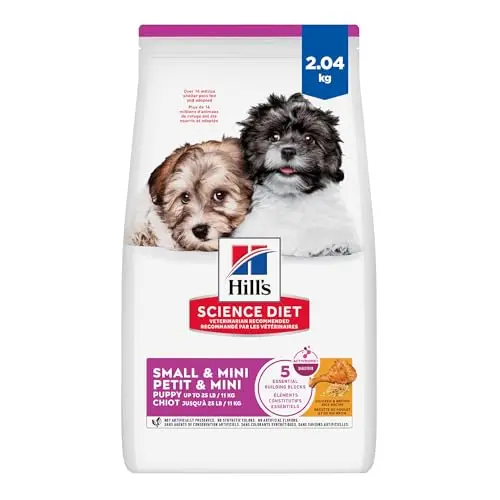
Small & Mini Chicken & Brown Rice – Ideal First-Year Foundation
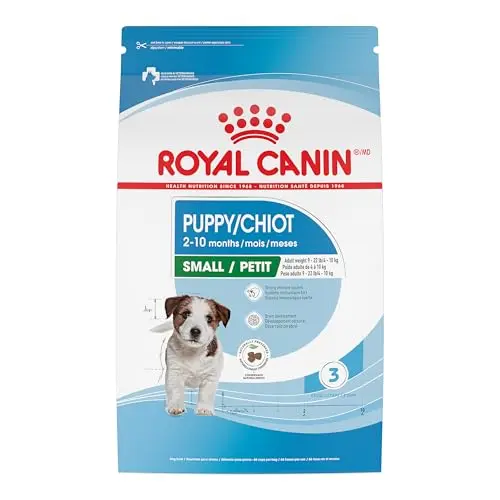
Size Health Nutrition Small Puppy – Tailored to Expected Adult Weight
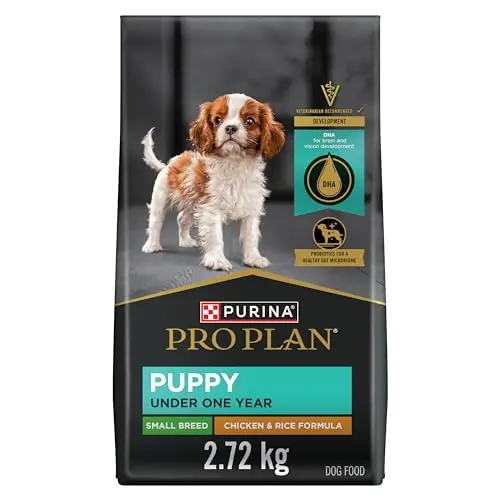
Development Small Breed Chicken & Rice – Trusted Protein First Punch
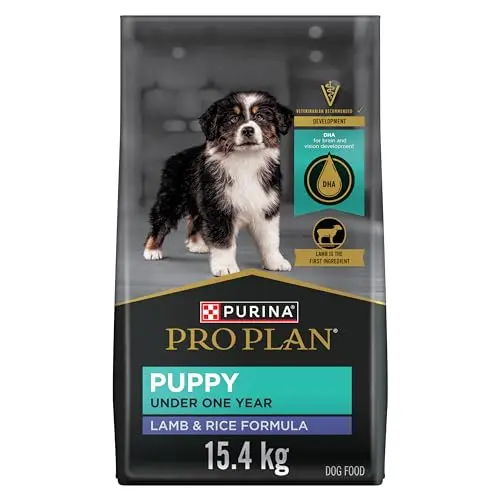
Development Lamb & Rice – Sensitive Stomach Soother
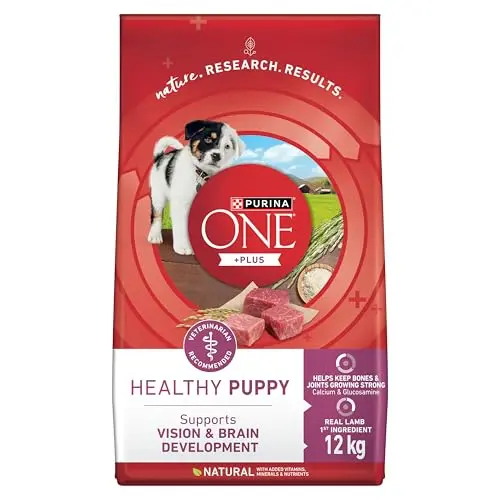
+Plus Healthy Puppy Lamb – No-Frills Brain Fuel
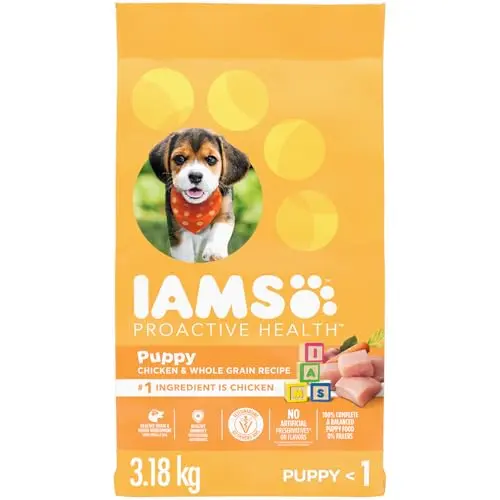
Proactive Health Puppy Chicken & Whole Grain – Wallet-Friendly Wellness
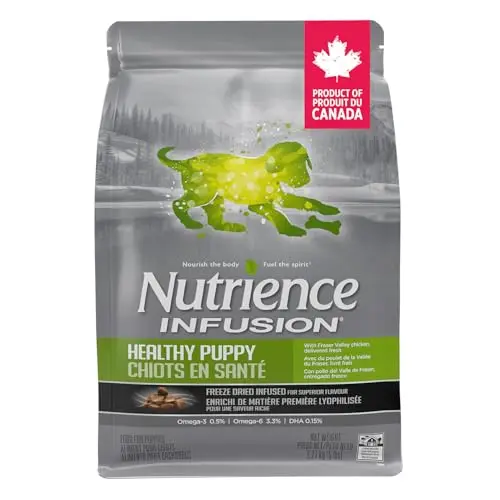
Infusion Healthy Puppy – Canadian Craftsmanship with Freeze-Dried Boost
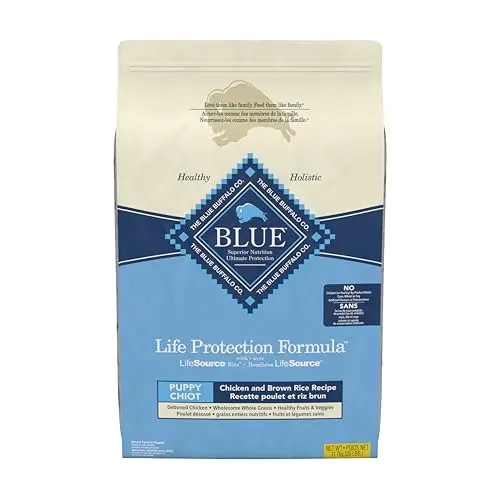
Life Protection Formula Chicken & Brown Rice – Wholesome Brand, Real Chicken
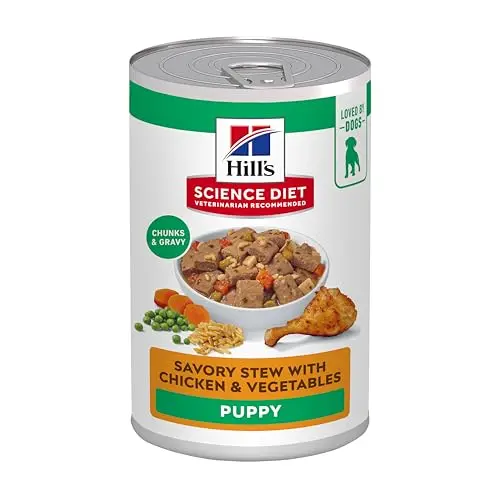
Puppy Savory Stew with Chicken & Vegetables – Wet Food Option for Picky Pups
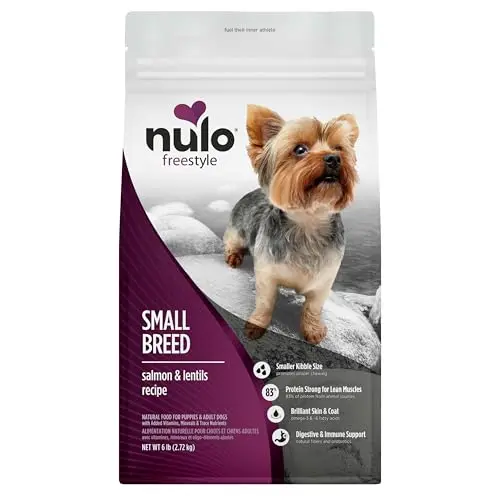
Freestyle Small Breed Grain-Free – High Protein for Active Pups
How We Evaluated These Puppy Foods for Mini Goldendoodles
We didn’t run controlled feeding trials or long-term health studies. What we did: cross-referenced 10 puppy foods from 8 distinct brands across seven decision axes – breed-appropriateness, DHA and omega-3 sources, probiotic and prebiotic support, protein quality, kibble size, ingredient transparency, and owner-reported digestive outcomes. We triangulated published specifications, aggregated owner feedback where available, and use-case fit against the nutritional needs of a growing mini Goldendoodle – a small breed with moderate energy and a sometimes-sensitive stomach.
The scoring framework weighted real-world performance (60%) – how well each formula aligns with the developmental demands of a small, active puppy – against feature differentiation (40%) – unique nutritional advantages like live probiotics, freeze-dried infusion, or breed-specific calorie targeting. We have no commercial relationship with any of the brands featured; recommendations track fit and differentiation, not brand preference. If you’re looking for an all-around champion, the Hill’s Science Diet Small & Mini is tough to beat; if precise weight-targeting matters most, the Royal Canin Small Puppy is purpose-built for the job.
How to Choose the Right Puppy Food for Your Mini Goldendoodle
Kibble Size Matters for Mini Goldendoodle Puppies
Mini Goldendoodles start small – some barely 5 pounds at 8 weeks – and their mouths aren’t ready for full-size kibble. A small, bite-sized piece encourages proper chewing and reduces the risk of choking or refusing food. Brands like Hill’s Science Diet Small & Mini and Royal Canin Small Puppy design their kibble specifically for petite jaws. Even among all-breed formulas, you’ll want to inspect the piece size carefully; if the bag doesn’t call out small size, consider soaking dry food in warm water for the first few weeks.
Key Nutrients: DHA, Probiotics & More
Brain development hinges on DHA (docosahexaenoic acid), an omega-3 fatty acid naturally present in mother’s milk. Most quality puppy foods fortify with fish oil or salmon oil to supply it – look for it explicitly on the label. Equally important for mini doodles is digestive support, whether through guaranteed live probiotics (as in Pro Plan’s formulas) or prebiotic fibres like chicory root or fructooligosaccharides. An antioxidant blend rounds out the immune support, helping your pup through the vaccination series.
Wet vs Dry: What's Best for Your Doodle?
Dry food is the convenient, tooth-friendly default, but wet food has a place in a mini Goldendoodle’s life. During teething or illness, a canned stew (like Hill’s Savory Stew) can keep calories and hydration up when kibble becomes a challenge. Just watch the chunk size – many wet foods contain large pieces that need mashing for small puppies. Blending canned and dry (mixed feeding) is a popular strategy to boost palatability and moisture intake without sacrificing the dental benefits of crunch.
Brand Spotlight: Hill's Science Diet vs Royal Canin
These two often top the charts, and for good reason. Hill’s Science Diet Small & Mini pairs DHA with a prebiotic fibre blend and a proven track record for firm stools – a real-world indicator of digestive comfort. Royal Canin Small Puppy goes a step further by calibrating nutrients to an expected adult weight of 9-22 lbs, which eliminates much of the guesswork around portion size and calorie density. If you love data-backed precision, go Royal Canin; if you want a slightly broader safety net with a veterinary-endorsed brand, Hill’s is your pick.
Canadian-Made Options: Why Nutrience Stands Out
For those who prioritize domestic manufacturing, Nutrience Infusion Healthy Puppy is made in Canada with locally sourced chicken and salmon oil. Beyond the origin story, the freeze-dried chicken liver infusion adds a layer of palatability and nutrient density that’s rare in dry foods. Coupled with prebiotics and probiotics, it’s a transparently formulated choice that supports brain, gut, and immune health – just be mindful of the smaller bag size and potentially higher per-kg cost.
Common Pitfalls When Buying for Mini Goldendoodles
One mistake is grabbing an all-breed puppy food without checking calorie density – small dogs can gain too much weight on a formula meant for a Lab puppy. Another is ignoring the protein source: chicken is the most common first ingredient, but it’s also a top allergen. If your doodle is itchy or has loose stools, switching to a lamb-based food (like Pro Plan Lamb or Purina ONE Lamb) might resolve it. Finally, don’t assume all small-breed bags have small kibble; always peer through the bag window or check user photos.
Frequently Asked Questions
What's the difference between Hill's Science Diet Small & Mini and Royal Canin Small Puppy?
Both are top-tier small-breed formulas, but they take slightly different paths. Hill’s emphasizes a prebiotic fiber blend for digestive health and uses a broad antioxidant mix for immune support. Royal Canin’s standout is its expected-adult-weight targeting: calorie and nutrient ratios are calibrated for dogs that will mature under 22 lbs, making it exceptionally precise for most mini Goldendoodles. Royal Canin also sources omega-3s from both fish oil and marine microalgae, while Hill’s leans more on fish oil. Palatability scores high for both. If you prefer a food that’s backed by extensive small-breed growth data, Royal Canin is the more tailored pick; if you value a proven, vet-recommended formula with a strong digestive track record, Hill’s is an excellent choice.
How does Purina Pro Plan Small Breed compare to Nulo Freestyle Small Breed?
Purina Pro Plan Small Breed targets puppies specifically with live probiotics and elevated DHA for brain development, in a high-protein chicken formula. Nulo Freestyle Small Breed is an all-life-stages food with 84% animal-based protein and a grain-free recipe, using a patented probiotic (BC30) for digestion. The key difference: Nulo lacks the puppy-optimized DHA and calcium levels found in Pro Plan, making it less suited as a sole diet during rapid growth. For a mini Goldendoodle under 12 months, Pro Plan is the nutritionally complete puppy food; Nulo works better as a topper or for very active adolescent dogs who are nearly full-grown.
What should I look for in a puppy food for a mini Goldendoodle?
Prioritize small kibble size, DHA or omega-3 sources for brain development, and digestive aids like probiotics or prebiotics. A named protein (chicken, lamb, or salmon) should be the first ingredient. Watch for fillers – corn, wheat, and soy are common and can trigger sensitivities in Poodle-mix breeds. Calcium and phosphorus levels should be balanced for controlled bone growth. Finally, consider your dog’s expected adult weight; if you can find a food like Royal Canin that targets the 9-22 lb range, you’ll have less guesswork with portions.
Is wet food or dry food better for mini Goldendoodles?
Both have roles. Dry food is the practical daily choice – it’s shelf-stable, helps clean teeth, and tends to be more caloricically dense, which small breeds need. Wet food excels as a hydration booster and appetite stimulant for picky eaters or dogs recovering from illness. For mini doodles, mixed feeding (a portion of dry food topped with a spoonful of canned) is a popular middle ground. Just ensure the wet food’s chunks are small enough; Hill’s Savory Stew, for instance, may need mashing until your puppy is older.
Can I feed my mini Goldendoodle a grain-free puppy food?
Grain-free diets can be appropriate for dogs with specific allergies or intolerances, but they’re not automatically better. The FDA has investigated potential links between certain grain-free diets and dilated cardiomyopathy (DCM) in dogs, though the research is ongoing and not breed-specific. For a mini Goldendoodle, a grain-inclusive formula with wholesome grains like brown rice or oatmeal – as seen in Hill’s Science Diet or IAMS Proactive Health – is generally safe and provides accessible energy. If you choose grain-free (like Nulo), ensure the formula is nutritionally complete for growth and consider supplementing with fresh adds-ins for variety.
Final Verdict
For most mini Goldendoodle puppies, the Hill’s Science Diet Small & Mini Chicken & Brown Rice is the clear answer – it balances DHA for brain development, prebiotics for digestion, and a kibble size that’s tailor-made for tiny mouths. If you want a formula that’s almost custom-fitted to your doodle’s expected adult weight, the Royal Canin Small Puppy is the precision-focused pick. For budget-conscious owners, the IAMS Proactive Health Puppy delivers essential DHA and complete nutrition at an entry-level cost. And if you value Canadian manufacturing with a freeze-dried nutrition boost, the Nutrience Infusion Healthy Puppy deserves a spot in your pantry. No matter which you choose, watch your pup thrive with the right start.