
Your dog won’t stop scratching, licking her paws, or shaking her head. You’ve tried medicated shampoos, limited treats, and even a cone of shame-but the real trigger might be hiding in her food bowl. Food allergies are frustratingly common in dogs, and they often show up as itchy skin, ear infections, or tummy troubles. The good news? The right diet can make a world of difference.
Salmon-based dog foods have become a go-to for many allergy-prone pups. As a novel protein (meaning your dog likely hasn’t been exposed to it), salmon can reduce the chance of an immune reaction, while its natural omega-3 fatty acids help calm inflamed skin. But not every salmon formula is created equal-some still pack in common allergens like chicken by-products, wheat, or soy, and others skip the digestive supports that sensitive dogs need.
We did the label-reading and owner-feedback diving to surface the best salmon dog foods for allergies across a range of brands and budgets. Whether your dog battles hot spots, chronic ear infections, or loose stools, there’s a match here that can help her feel like herself again.
Best Salmon Dog Food for Allergies – 2026 Reviews
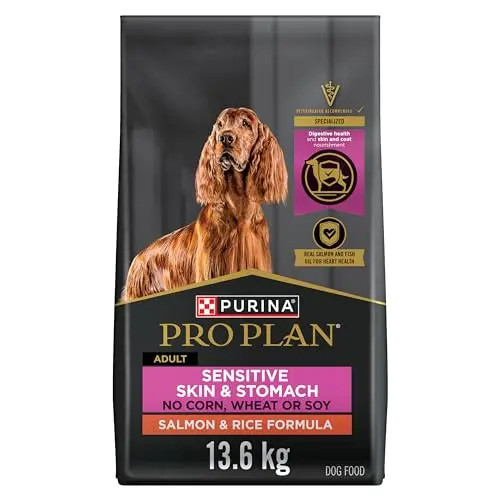
Sensitive Skin & Stomach Salmon & Rice – Digestive Care & Allergy Relief
A vet-recommended formula that zeroes in on both skin and stomach sensitivities with real salmon as the first ingredient. Packed with omega-rich fish oil and gentle oatmeal, it’s a complete solution for dogs whose allergies show up on the outside and the inside.
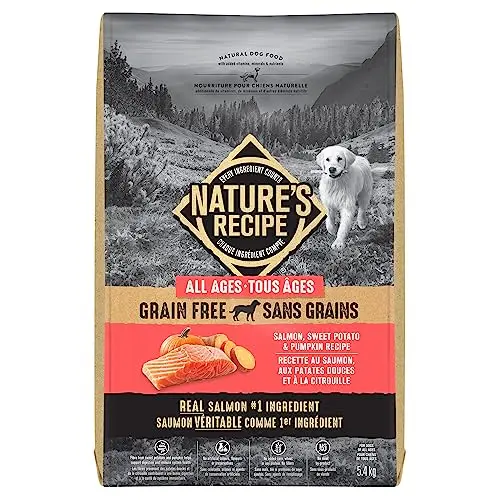
Grain-Free Salmon, Sweet Potato & Pumpkin – Clean Budget-Friendly Formula
An affordable grain-free option that doesn’t cut corners on quality. With real salmon leading the pack and no artificial additives, it’s a cleaner choice for allergy-prone dogs whose owners want value without sacrificing ingredient integrity.
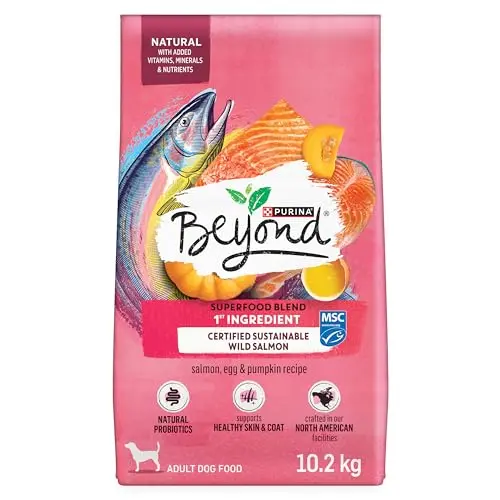
Superfood Blend Wild Caught Salmon, Egg & Pumpkin – Natural Limited Ingredient Diet
With wild-caught salmon and a short list of recognizable superfoods, this limited-ingredient recipe steers clear of corn, wheat, and soy-making it a simple, transparent choice for dogs with mild food sensitivities.
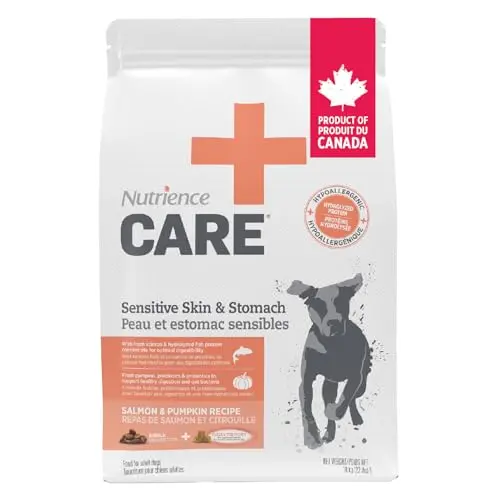
Care Sensitive Skin & Stomach Salmon – Targeted Allergy & Gut Health Support
Purpose-built for dogs whose allergies flare up as skin infections and digestive upset, this formula leans on fresh Canadian salmon, probiotics, and a unique gut-soothing blend to tackle both ends of the problem.
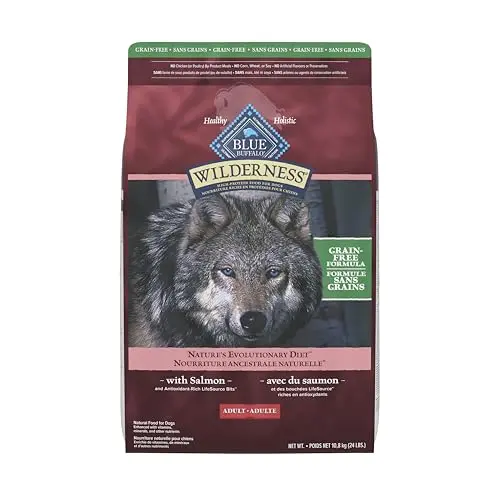
Wilderness High-Protein Grain-Free Salmon – Muscle & Allergy Support
A high-protein, grain-free diet that fuels active dogs while avoiding common allergens. Enhanced with antioxidant-rich LifeSource Bits, it supports immune health alongside managing itchy skin.
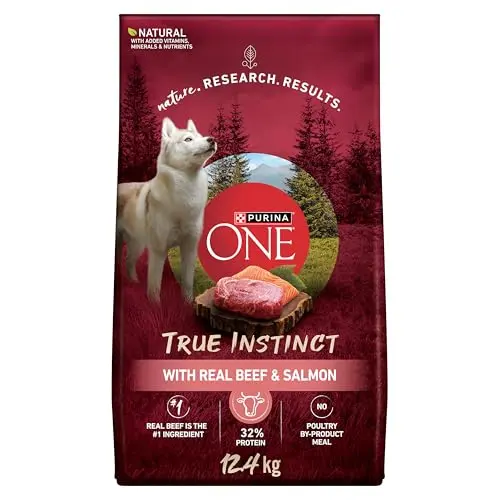
True Instinct Beef & Salmon – High-Protein Flavor Variety
Combining beef and salmon, this high-protein recipe caters to dogs that enjoy variety. While not solely salmon, it provides a nutrient-dense option with added antioxidants for immune health.
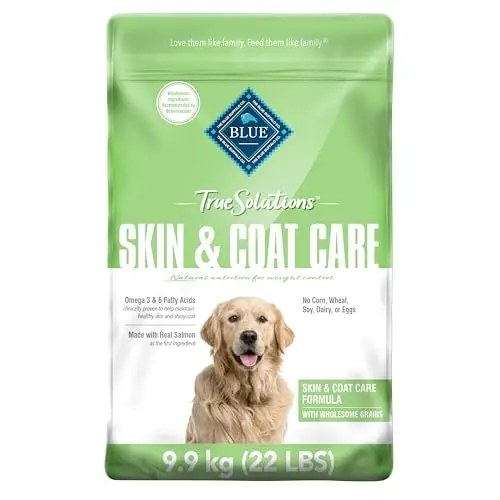
True Solutions Skin & Coat Care Salmon – Vet-Formulated Allergy Care
Developed by vets and nutritionists, this salmon-first recipe targets skin and coat health with a precise blend of nutrients and LifeSource Bits. It’s a science-backed choice for dogs with stubborn skin allergies.
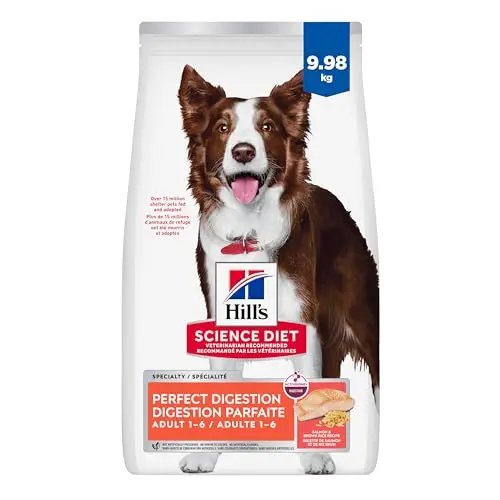
Perfect Digestion Salmon, Whole Oats & Brown Rice – Digestive Health & Regularity
Focused on digestive health, this formula uses salmon and whole grains with a proprietary prebiotic mix to stabilize gut function. While not allergy-specific, improved digestion often reduces allergy symptoms.
How We Evaluated These Salmon Dog Foods for Allergies
We did not conduct controlled feeding trials or allergy blood panels with individual dogs. What we did: cross-referenced 8 salmon dog foods from 7 distinct brands across 6 decision axes-protein source and quality, limited-ingredient formulation, omega fatty acid content, inclusion of digestive aids (prebiotics, probiotics), grain-free status, and owner-reported allergy improvements. We triangulated published ingredient lists, guaranteed analyses, and aggregated owner feedback where available to gauge real-world performance.
The scoring framework weighted real-world allergy relief (60%)-how reliably each recipe reduces itching, ear infections, and digestive symptoms-against feature differentiation (40%)-unique additions like targeted prebiotic blends, breed-specific tweaks, or novel digestive supports. We have no commercial relationship with any of the brands featured; recommendations track fit and differentiation, not brand preference. If your dog needs an all-around allergy fix, the Purina Pro Plan Sensitive Skin & Stomach Salmon & Rice is our top pick; if you’re hunting for a more affordable grain-free option, the Nature’s Recipe Grain Free Salmon delivers excellent value.
How to Choose the Right Salmon Dog Food for Allergies
What to Look for in a Salmon Dog Food for Allergies
The most important factor is a novel protein source. Salmon often fits the bill because most dogs haven’t been exposed to it extensively, reducing the chance of a reaction. Make sure salmon is the first ingredient-not a meal or by-product further down the list. Next, scan the ingredient panel for common allergens: chicken fat, corn, wheat, and soy are frequent triggers. Many allergy-friendly formulas will explicitly say ‘no poultry by-product meal” or ‘grain-free,” but a short, readable ingredient list is your best clue.
Also look for omega-3 and omega-6 fatty acids (often from fish oil, sunflower oil, or flaxseed). These fats are anti-inflammatory and help soothe itchy, inflamed skin-exactly what your allergic dog needs. Added prebiotics or probiotics are a bonus, especially if allergies come with digestive symptoms like gas or loose stools.
The Role of Novel Proteins in Allergy Management
Most food allergies in dogs are triggered by proteins-beef, chicken, and dairy top the list. By switching to a novel protein like salmon, you’re essentially giving the immune system a clean slate. If your dog hasn’t eaten salmon before, her body is far less likely to mount an allergic response. This is why many vet dermatologists recommend limited-ingredient diets built around a single, unfamiliar protein.
However, novelty wears off if you rotate proteins, so once you find a salmon food that works, stick with it. If you’re transitioning from a chicken- or beef-based food, do it gradually over 7-10 days to give the gut time to adjust.
Grain-Free vs. Grain-Inclusive Salmon Dog Foods
Grains themselves are rarely the direct cause of allergies-protein is the bigger issue-but grain-free formulas often go hand in hand with simpler ingredient lists and fewer potential triggers. If your dog has been diagnosed with a grain sensitivity or you suspect gluten intolerance, a grain-free salmon food is the safe bet. On the other hand, whole grains like oatmeal or brown rice can provide gentle, easily digestible fibre that stabilizes the gut-critical for dogs whose allergies cause digestive upset. The Purina Pro Plan Sensitive Skin & Stomach (grain-inclusive) and the Nature’s Recipe Grain Free illustrate this divide-both work, but the right choice depends on your dog’s specific symptoms.
Key Ingredients That Soothe Allergic Dogs
Beyond the protein, certain add-ins can make a real difference for itchy, inflamed skin. Fish oil and coconut oil are rich in omega-3s, which calm the immune response. Pumpkin is a mild, high-fibre supplement that firms up stools and soothes the digestive tract. Sweet potato is another gentle carbohydrate that rarely triggers reactions. Some formulas, like Nutrience Care, even incorporate turmeric and ginger for their natural anti-inflammatory properties. These ingredients won’t fix allergies on their own, but they can significantly reduce the symptom load when paired with a novel protein.
How to Transition Your Dog to a Salmon-Based Diet for Allergies
A sudden switch can cause more digestive upset, so take it slow. Start with 25% new food mixed with 75% old for 2-3 days, then move to 50/50, then 75/25, and finally 100% new over about a week. During this time, watch for signs of improvement-less scratching, fewer ear rubbings, firmer stools. It can take 6-8 weeks for full allergy relief to appear, so be patient. If your dog doesn’t improve, the salmon may not be novel enough (she might have been exposed via treats or table scraps), and you’ll need to try a different protein like venison or duck. Our Best Overall and Best for Allergies picks are a great place to start.
Frequently Asked Questions
What's the difference between Purina Pro Plan Sensitive Skin & Stomach and Nutrience Care for dogs with allergies?
Both are salmon-first formulas targeting skin and stomach issues, but they take different paths. Purina Pro Plan uses oatmeal and a natural prebiotic fibre to support digestion, plus sunflower oil for skin. It’s grain-inclusive and widely trusted by vets. Nutrience Care is grain-free and leans heavily on its Digestiboost blend (pumpkin, chicory root, turmeric, ginger) and added probiotics to calm the gut and skin simultaneously. Choose Purina if your dog tolerates grains and you want a proven, all-around formula; choose Nutrience if you need a grain-free, targeted allergy and gut repair diet.
Is grain-free salmon dog food better for dogs with allergies?
Not necessarily. Grain-free diets eliminate potential triggers like wheat or corn, which can help some allergic dogs, but the primary culprit is usually animal protein, not grains. If your dog has a confirmed grain sensitivity, go grain-free-our Nature’s Recipe and Blue Buffalo Wilderness picks are excellent. If she doesn’t, a well-formulated grain-inclusive food like Purina Pro Plan with oatmeal can be just as effective and may even provide more digestive stability. Always work with your vet to pinpoint the exact allergen.
How long does it take to see allergy improvements after switching to a salmon-based diet?
You may notice less scratching and firmer stools within a week or two as the old allergens clear from your dog’s system, but full resolution of skin lesions and ear infections can take 6 to 8 weeks. It’s crucial to feed the new food exclusively-no table scraps or treats that might contain chicken or beef. If there’s no improvement after 8 weeks, salmon may not be the right novel protein for your dog, and you’ll need to try an alternative like venison or kangaroo.
Can I mix salmon oil with my dog's current food instead of switching to salmon kibble?
Salmon oil can help with skin inflammation thanks to its omega-3s, but it won’t address the underlying food allergy if the protein in her current kibble is the trigger. If your dog is allergic to chicken, adding salmon oil to a chicken-based food won’t stop the allergic reaction. Switching to a salmon-first limited-ingredient diet is a more comprehensive approach, but you can certainly add a bit of salmon oil on top for extra skin support-just check with your vet for the right dosage.
Nature's Recipe vs Beyond: which budget-friendly salmon dog food is best for allergies?
Both are solid, affordable options with salmon as the #1 ingredient and no corn, wheat, or soy. Nature’s Recipe is grain-free and includes pumpkin and sweet potato, making it a purer single-protein option-great for dogs with grain and chicken allergies alike. Beyond includes egg and whole oatmeal, so it’s not entirely grain-free, and egg can be an allergen for some. For a straight-up, grain-free allergy diet on a budget, Nature’s Recipe gets the edge.
Final Verdict
For the majority of allergy-prone dogs, the Purina Pro Plan Sensitive Skin & Stomach Salmon & Rice is the complete package-it calms inflamed skin, firms up loose stools, and is backed by a mountain of positive owner experiences. If your budget is tight but you still want a clean, grain-free salmon diet, the Nature’s Recipe Grain Free Salmon punches well above its price. And for dogs whose allergies have turned into chronic ear infections and relentless itching, the Nutrience Care Sensitive Skin & Stomach formula is a purpose-built solution worth the premium. Remember, every dog is different-give the new food time, and watch closely for that first itch-free day.