
Toy breeds bring enormous personality in tiny packages, but feeding them isn’t always simple. Those petite jaws can turn a standard kibble into a frustrating wrestling match, and a lack of appetite or digestive sensitivity can leave you hunting for the perfect bowl. The right dry food does more than just fill – it supports energy, coat, and long-term health, all while passing the picky-eater test.
We dug into the market and found that kibble size, protein source, and digestive support separate the good from the great. Whether you’re raising a feisty Chihuahua pup or maintaining a senior Yorkie, this guide will help you navigate the options and choose a dry food that fits your toy breed’s unique needs.
Best Dry Dog Foods for Toy Breeds – 2026 Reviews
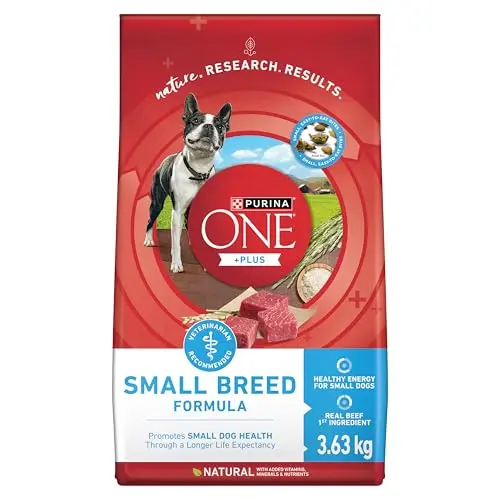
Plus Small Breed Beef – High-Protein, Bite-Sized Kibble
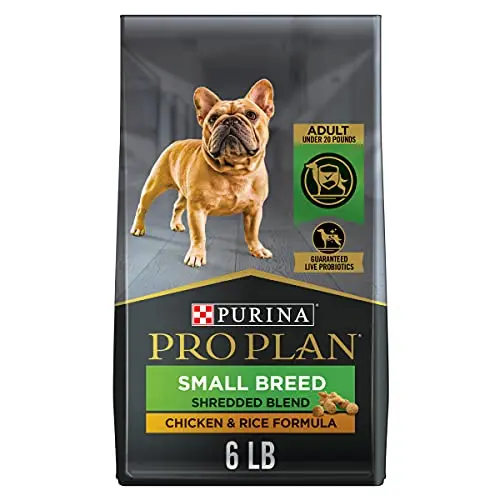
Savor Shredded Blend Chicken & Rice – Texture-Rich Small Breed Nutrition
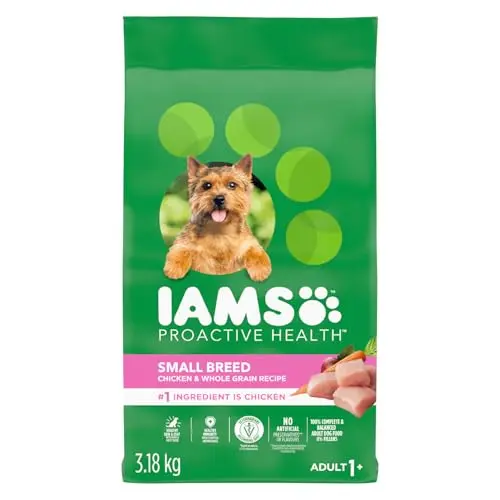
Proactive Health Small Breed Chicken & Whole Grain – Budget-Friendly Digestive Support
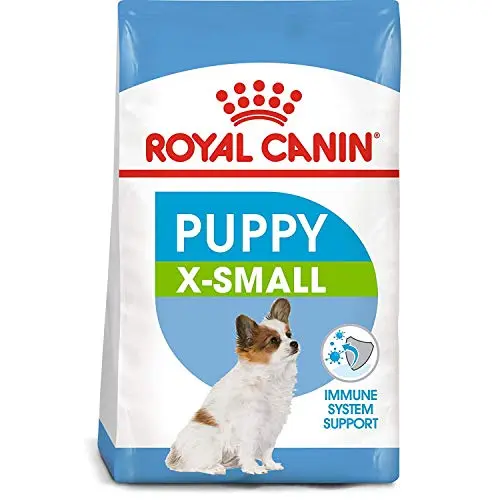
X-Small Breed Puppy – Tailored Nutrition for Toy Puppies Under 8 lbs
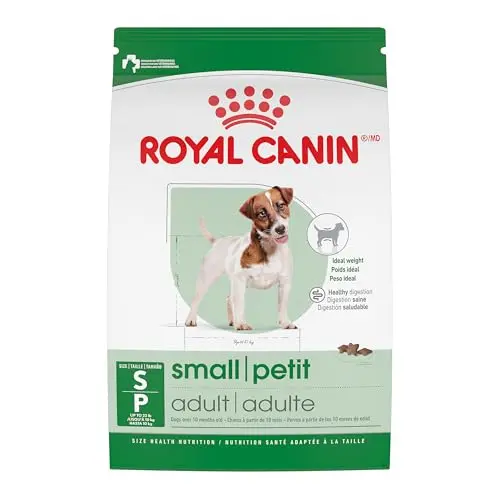
Small Breed Adult – Weight Management & Skin Support for Miniature Mouths
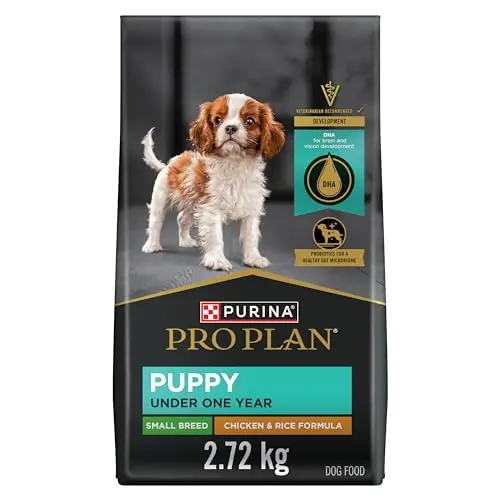
Small Breed Puppy Chicken & Rice – High-Protein Start for Growing Toy Dogs
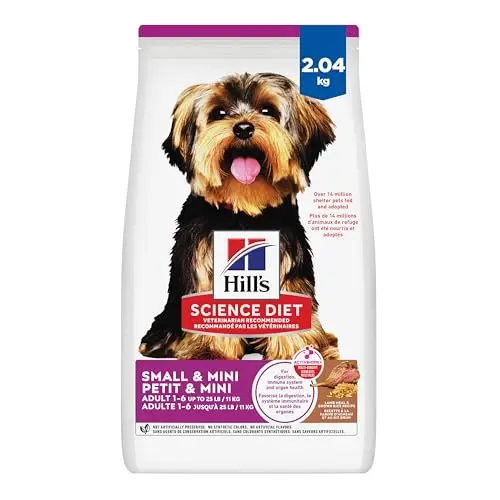
Adult Small & Mini Lamb & Brown Rice – Gentle Digestion for Sensitive Toy Breeds
How We Evaluated These Dry Dog Foods for Toy Breeds
We didn’t run long‑term feeding trials or controlled digestibility lab tests. What we did: cross‑referenced 7 dry dog foods from 4 distinct brands across 5 core decision axes – kibble size, protein quality and source, digestive health support, ingredient transparency, and life‑stage appropriateness. We triangulated published specifications, ingredient lists, and aggregated owner feedback where available to understand real‑world performance for toy breeds.
The scoring framework weighted use‑case fit (60%) – how well each formula meets the unique demands of tiny mouths and fast metabolisms – against feature differentiation (40%) – unique nutritional additions like probiotics, DHA, or textured blends. We have no commercial relationship with any of the brands featured; recommendations track how well a food serves toy breeds, not brand popularity. If you’re seeking a dependable daily driver, the Purina ONE Plus Small Breed is our top pick; if your toy dog needs extra meal excitement, the Pro Plan Savor Shredded Blend is the one to try.
How to Choose the Right Dry Dog Food for Your Toy Breed
Kibble Size: Why Toy Breeds Need Specialized Pieces
Toy breed jaws and teeth are scaled‑down versions of their larger cousins, and a kibble that’s too big can lead to choking, frustration, or simply ignoring the bowl. Look for bite‑sized kibble specifically labelled for small or extra‑small breeds. Brands like Royal Canin and Iams engineer exclusive kibble shapes that encourage chewing, which also helps fight plaque. When in doubt, feed a few pieces dry – if your dog struggles, you’ll know.
Protein Sources for Toy Breeds: Chicken, Beef, and Lamb Compared
Protein fuels those endless zoomies, but not all proteins are equal. Chicken is the most common and generally well‑tolerated, found in Pro Plan Savor and Iams formulas. Beef, like in Purina ONE, offers a richer flavour that many dogs relish. For sensitive stomachs, lamb meal (Hill’s Science Diet) can be a novel alternative. The key is a named meat first ingredient – avoid generic ‘meat meal.” If your toy breed has shown food sensitivities, a limited‑ingredient diet might be worth exploring.
Digestive Health for Toy Breeds: Probiotics, Prebiotics, and Fibre
Toy breeds are notorious for finicky digestion. Formulas with live probiotics (Pro Plan) or prebiotic fibres (Royal Canin) support a balanced gut microbiome, while ingredients like pumpkin (Hill’s) provide gentle soluble fibre. If your dog frequently suffers from loose stools or constipation, prioritise a food that highlights digestive health support on the package. A gradual switch over 7-10 days can prevent most tummy troubles.
Puppy vs. Adult Nutrition for Toy Dogs
Puppy formulas like Royal Canin X‑Small Puppy or Pro Plan Small Breed Puppy contain extra calories, DHA for brain development, and calcium for bone growth – essential during the first year. Adult foods shift to weight maintenance with moderate fat and often add joint support. Feeding a puppy food to an adult toy breed can lead to unhealthy weight gain, so transition around 10-12 months. For a toy breed puppy, stick with a dedicated puppy formula until maturity.
Grain‑Free Diets and Toy Breeds: Is It Necessary?
Grain‑free has been a buzzword, but for most toy breeds, whole grains like brown rice or oatmeal are easily digestible and provide steady energy. Unless your vet diagnoses a specific grain allergy, there’s no need to avoid grains. In fact, grain‑free diets that use legumes as fillers have been linked to heart issues in some dogs. The recipes in our lineup – like Purina ONE and Iams – include wholesome grains that support digestion without the grain‑free marketing hype.
How to Switch Your Toy Breed's Food Without Tummy Trouble
A sudden change can send a tiny digestive system into chaos. Start with 75% old food and 25% new for two days, then move to 50/50, then 25/75 over a week. Watch for loose stool or reduced appetite – if you see either, slow the transition. Adding a spoonful of plain pumpkin can ease the shift. Toy breeds respond well to consistency, so pick a food and stick with it once you find a winner.
Frequently Asked Questions
What's the difference between Purina ONE Small Breed and Pro Plan Savor Shredded Blend?
Both are high‑quality small‑breed formulas from the same parent company, but they take different approaches. Purina ONE Plus offers a straightforward beef‑based recipe with small kibble, no fillers, and a budget‑friendly price – it’s our top pick for value‑conscious owners. Pro Plan Savor ups the ante with a shredded texture blend that picky eaters love, plus live probiotics for digestive health. Pro Plan tends to have a slightly higher protein content and a chicken base, while Purina ONE uses beef. If your toy breed is a picky eater, go with Pro Plan; if you want a solid, affordable daily food, choose Purina ONE.
Is dry dog food better than wet food for toy breeds?
Both have their place. Dry kibble helps scrape plaque off tiny teeth and is less messy, but some toy breeds may need it softened. Wet food offers higher moisture content, which can benefit dogs that don’t drink enough water, but it’s pricier per serving and doesn’t provide dental friction. Many toy breed owners mix the two – a spoonful of wet topper over kibble – for the best of both worlds. The dry foods in this roundup are complete and balanced, so they can absolutely be your dog’s sole diet.
Can I feed my adult toy breed a puppy formula for extra nutrients?
It’s not recommended. Puppy formulas are calorie‑dense and loaded with DHA and calcium for growth – in an adult dog, that can lead to rapid weight gain and stress on developing joints (especially in breeds like Cavaliers prone to hip issues). Adult toy breeds need balanced maintenance nutrition with moderate fat and controlled calories. If you think your adult needs a boost, consider a high‑protein adult formula like Pro Plan Savor or Purina ONE, but avoid puppy food after 12 months.
Do toy breeds really need grain‑free dog food?
No, most toy breeds do fine with whole grains. True grain allergies are rare in dogs; protein sources (chicken, beef) are more common triggers. Grains like rice, barley, and oatmeal provide digestible carbs and fibre that support gut health. Grain‑free diets often substitute legumes, which have been linked to dilated cardiomyopathy (DCM) in some studies. Unless your veterinarian specifically diagnoses a grain intolerance, you’re better off choosing a high‑quality grain‑inclusive food like Iams or Hill’s Science Diet.
Final Verdict
For most toy breed dogs, the Purina ONE Plus Small Breed hits the sweet spot – high beef protein, perfectly sized kibble, and an honest ingredient list, all at a price that makes daily feeding painless. If your tiny companion is a fussy eater, the Pro Plan Savor Shredded Blend with its dual texture is a worthy upgrade. Budget‑conscious shoppers will appreciate the Iams Proactive Health for its no‑frills, chicken‑first value, while new puppy parents should look to the Royal Canin X‑Small Puppy for tailored developmental nutrition. Whatever you pick, pair it with fresh water and the small‑batch transition method – your toy breed will thank you with a wag and a clean bowl.