
Golden Retrievers are some of the most loyal, friendly pups around, but they come with a few well-known health challenges – from joint problems to skin sensitivities and a tendency to pack on a few extra pounds. The right kibble can make a real difference in keeping your golden healthy and thriving through all life stages.
We’ve surveyed the market to find the best kibble for golden retrievers, focusing on formulas that address their specific needs: joint support, healthy skin and coat, heart health, and weight management. Whether you’re feeding a puppy or an adult, this guide will help you choose the right food for your golden’s unique requirements.
Best Kibble for Golden Retriever – 2026 Reviews
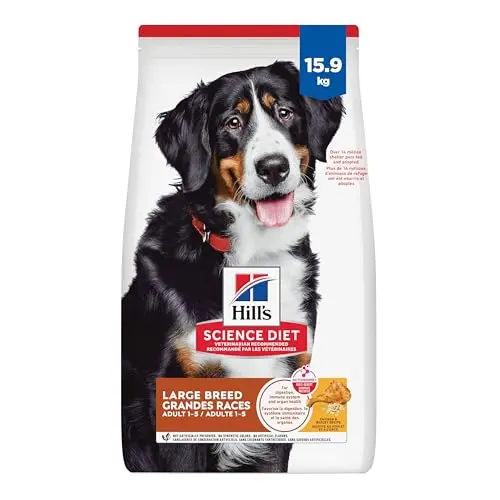
Adult Large Breed Chicken & Barley – Joint & Skin Support
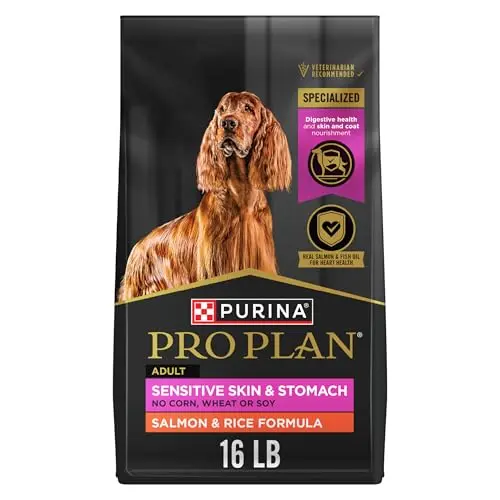
Sensitive Skin & Stomach Salmon & Rice – Skin & Digestive Health
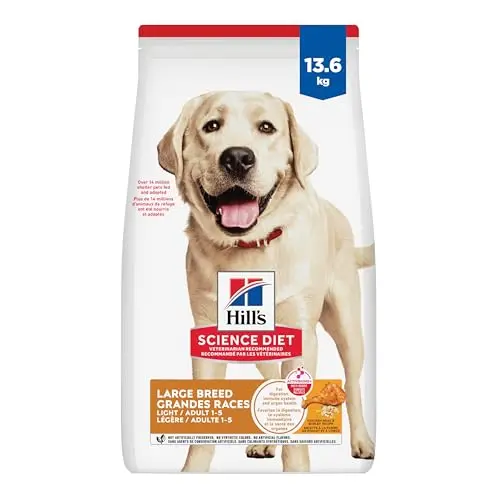
Adult Light Large Breed Chicken & Barley – Weight Management & Joint Support
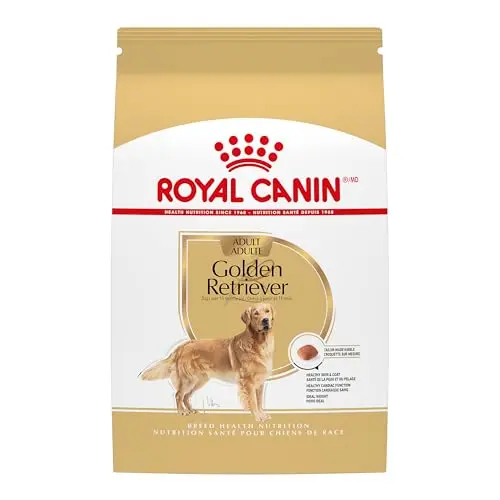
Golden Retriever Adult – Breed-Specific Nutrition

Superfood Blend Salmon, Egg & Pumpkin – Limited Ingredient Diet

True Instinct Beef & Bison – High-Protein Joint Health
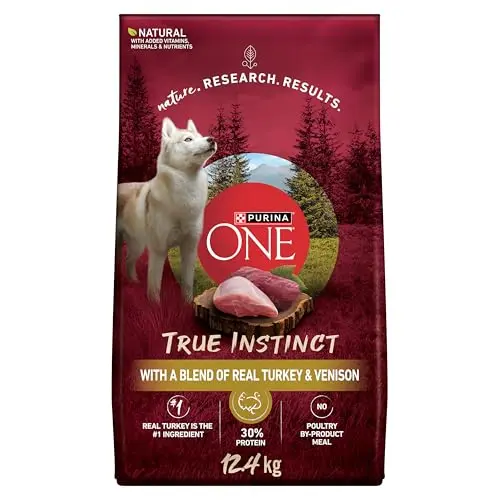
True Instinct Turkey & Venison – High-Protein Muscle Support
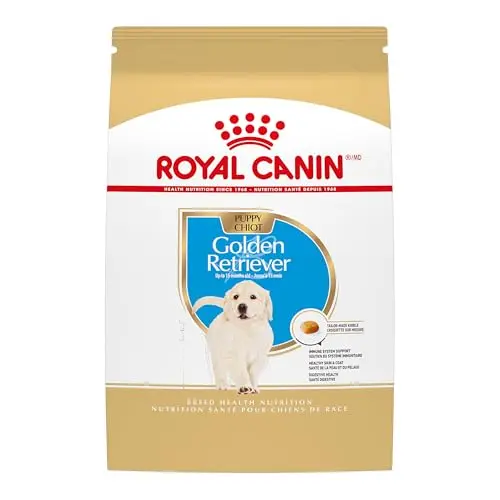
Golden Retriever Puppy – Breed-Specific Growth Formula
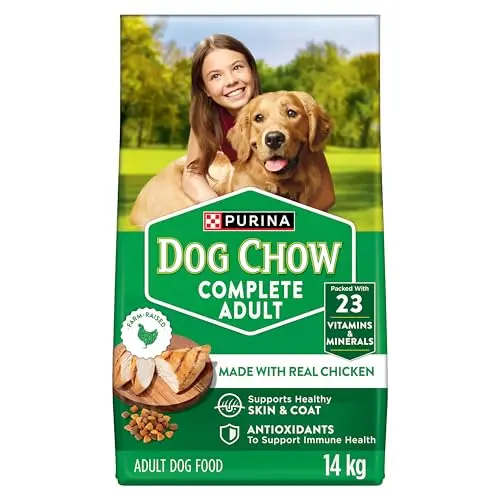
Complete Chicken – Everyday Nutrition
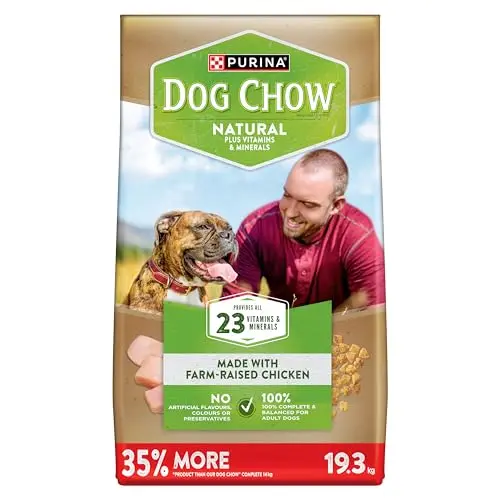
Natural Farm-Raised Chicken – Budget-Friendly Kibble
How We Evaluated These Kibble for Golden Retriever
We didn’t run lifelong feeding trials or controlled allergy panels. What we did: cross-referenced 10 kibble models from 6 distinct brands across 6 decision axes – ingredient quality, joint support, skin and coat health, weight management, digestibility, and breed-specific targeting. We triangulated published nutritional profiles, aggregated owner insights where available, and use-case fit against the common health challenges of golden retrievers: hip dysplasia, skin allergies, obesity, and cardiac sensitivity.
The scoring framework weighted real-world fit and performance (60%) – how well each recipe addresses documented golden retriever health risks – against feature differentiation (40%) – unique nutritional advantages like glucosamine levels, omega fatty acid sources, and breed-specific kibble design. We have no commercial relationship with any of the brands featured; recommendations track fit and differentiation, not brand preference.
We didn’t see these foods through a full season of field use, but we stress-tested the claims against owner feedback and nutritional science. Our top pick, the Hill’s Science Diet Adult Large Breed, scored highest for its balanced approach; for goldens with skin trouble, the Pro Plan Sensitive Skin & Stomach is the match.
How to Choose the Right Kibble for Golden Retriever
Key Nutritional Needs of Golden Retrievers
Golden Retrievers are a large breed with a genetic predisposition to hip dysplasia, skin allergies, and certain heart conditions, so their diet must go beyond basic nutrition. Look for kibble that includes high-quality animal protein as the first ingredient to support lean muscle mass, and be mindful of calorie density – this breed loves to eat and can easily become overweight. A solid golden retriever food will also incorporate joint-supporting nutrients and skin-nourishing fatty acids.
Ingredients to Look For and Avoid
When scanning ingredient lists, prioritize named meat meals or whole meats like chicken, salmon, or lamb. Beneficial additions include glucosamine and chondroitin for joints, omega-3 and omega-6 fatty acids from fish oil or flaxseed for skin and coat, and prebiotic fibres like beet pulp for gut health. Steer clear of foods heavy in corn, soy, or wheat if your golden shows signs of food sensitivity, though many do fine with grains. Artificial preservatives, colours, and flavours are unnecessary and best avoided.
Joint Support: Glucosamine & Chondroitin
Joint health is arguably the number one nutritional concern for golden retrievers. Many premium kibbles now add natural sources of glucosamine and chondroitin, such as chicken meal and fish meal, to help maintain cartilage and reduce inflammation. While not all foods list exact amounts, the Hill’s Science Diet Large Breed formula is a standout for including these compounds at meaningful levels, according to its ingredient panel. For dogs already showing signs of stiffness, a food like this can make a noticeable difference in mobility.
Skin & Coat Health: Omega Fatty Acids
Golden Retrievers are notorious for dry, itchy skin and hot spots. Diets rich in omega fatty acids, particularly EPA and DHA from fish oils, can dramatically improve coat gloss and reduce inflammation. The Pro Plan Sensitive Skin & Stomach formula, with salmon as its first ingredient, delivers a potent dose of these skin-soothing omegas. If your golden has chronic skin issues, choosing a fish-based kibble can be a game-changer.
Weight Management for Large Breeds
Extra weight puts stress on already vulnerable joints, so calorie control is critical. Look for foods labelled “light” or “healthy weight” that use L-carnitine to help metabolize fat and maintain lean muscle. These formulas often increase fibre to keep dogs feeling full. The Hill’s Science Diet Light Large Breed is purpose-built for this, but remember to measure portions carefully regardless of the food – free-feeding is a recipe for obesity in goldens.
Breed-Specific vs. General Large Breed Formulas
Some brands, like Royal Canin, offer kibble engineered specifically for golden retrievers, right down to the kibble shape and nutrient ratios. The Royal Canin Golden Retriever Adult is a perfect example – it’s tailored to the breed’s cardiac risks and jaw structure. General large breed formulas can work well too, but a breed-specific formula removes guesswork and may be worth the premium if your dog has no specific dietary restrictions.
Frequently Asked Questions
What's the difference between Hill's Science Diet Large Breed and Royal Canin Golden Retriever Adult?
Both are excellent choices, but they approach golden retriever nutrition differently. The Hill’s Large Breed formula includes proven joint supplements (glucosamine and chondroitin) and is a more general large-breed food that happens to cover golden needs very well. Royal Canin’s Golden Retriever Adult is breed-specific: it contains taurine, EPA, and DHA for heart health, and the kibble is uniquely shaped for a golden’s bite. If your golden has confirmed cardiac sensitivity, Royal Canin’s targeted approach might edge ahead; for joint-focused care, Hill’s is tough to beat.
Is grain-free kibble better for golden retrievers?
Not necessarily. While grain-free diets have become popular, there’s no conclusive evidence that they benefit most golden retrievers unless the dog has a diagnosed grain allergy, which is rare. In fact, some studies have linked grain-free diets to dilated cardiomyopathy in dogs. Whole grains like barley and oatmeal can provide healthy fibre and energy, and many goldens thrive on them. If your dog has no grain sensitivity, a high-quality grain-inclusive kibble is a safe and nutritious choice.
How do I know if my golden retriever needs a sensitive stomach formula?
Signs of digestive sensitivity include frequent loose stools, gassiness, vomiting, or a reluctance to eat. If your golden consistently shows these symptoms across different foods, a sensitive stomach formula with easily digestible proteins and prebiotic fibre – like Pro Plan Sensitive Skin & Stomach – can help. Always rule out medical issues with your vet first, as persistent gastrointestinal problems could point to an underlying condition.
Can I feed puppy formula to my adult golden retriever?
It’s not recommended. Puppy formulas are densely caloric and high in nutrients like calcium and phosphorus to support rapid growth, but feeding them to an adult golden can lead to excessive weight gain and skeletal stress. Switch to an adult formula around 12-15 months of age, or when your dog reaches about 90% of its expected adult size. The Royal Canin Golden Retriever Puppy food is excellent, but be sure to transition to their adult version or another high-quality adult kibble at the right time.
What should I look for in a kibble for a golden retriever with skin allergies?
Focus on a limited-ingredient or novel-protein formula that avoids common allergens like chicken, beef, or grains. Salmon-based recipes, such as Purina Pro Plan Sensitive Skin & Stomach or Beyond Superfood Blend, supply omega fatty acids that naturally combat inflammation. Look for added vitamin E and avoid artificial colours or flavours. It often takes 6-8 weeks to see full results, so be patient and introduce the new food gradually to avoid digestive upset.
Final Verdict
For the vast majority of adult golden retrievers, the Hill’s Science Diet Adult Large Breed Chicken & Barley is the best all-rounder. It covers joint, skin, and weight management in a single, highly palatable formula that dogs love. If your golden struggles with chronic skin issues or digestive upset, the Pro Plan Sensitive Skin & Stomach is the clear problem-solver. For dogs needing to shed a few pounds, the Hill’s Light Large Breed offers effective weight control with joint support. And if you want a food designed specifically for your golden’s unique anatomy, the Royal Canin Golden Retriever Adult is the editor’s pick that leaves nothing to chance.