
The clatter of a sliding bowl and water splashing across the kitchen floor is a familiar soundtrack for many small-dog owners. Those tiny paws can make an outsized mess, and flimsy plastic dishes just get pushed around or chewed up. A well-chosen small stainless steel dog bowl solves that: it stays put, resists bacteria, and lasts for years. But not every bowl with a modest capacity actually works for a 5‑pound toy breed or a picky eater.
We looked beyond the mirror finish to compare stainless steel thickness, base grip, ease of cleaning, and real‑world durability across the small‑bowl category. Whether you’re feeding a Chihuahua, a kitten, or a multi‑pet household, the right bowl keeps mealtime tidy and your pet healthy. This guide walks you through the standout options and the features that truly matter when size is everything.
Best Small Stainless Steel Dog Bowls – 2026 Reviews
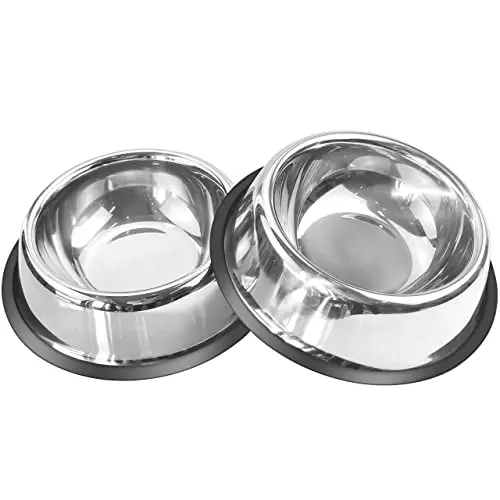
ML03-Small – 2-Pack Mini Bowls with Non-Slip Base
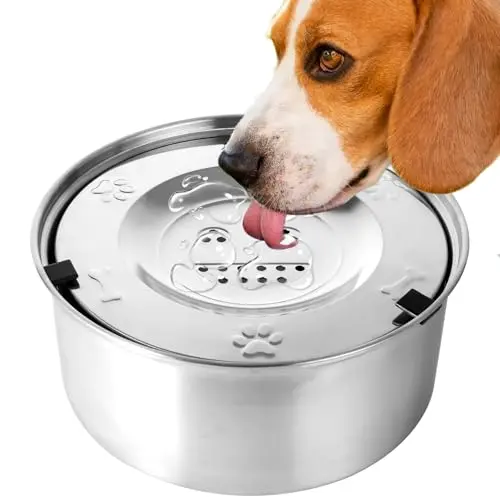
No-Spill Water Bowl – Floating Disk Hydration for Messy Drinkers
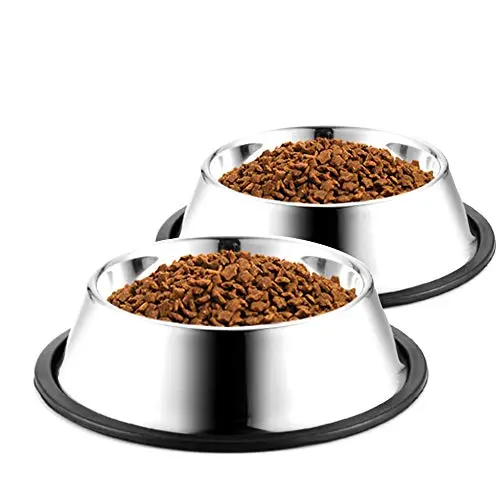
WD-PW-XS – 8oz Non‑Skid Bowls for the Tiniest Pups
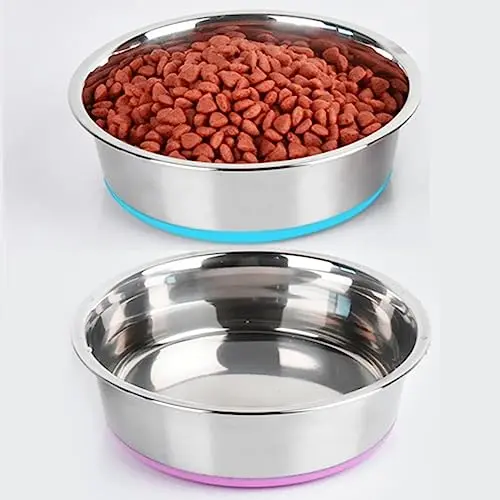
WD-DB-S – Deep 2‑Cup Bowls with Colour‑Coded Bases
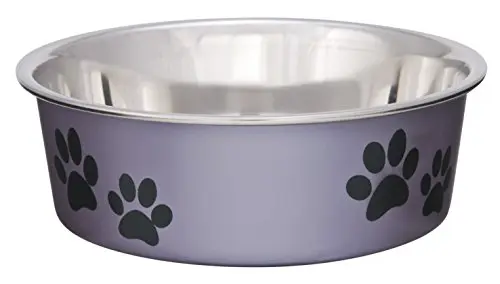
7458 Bella Bowl – Iconic Design with a Dependable Non‑Skid Ring
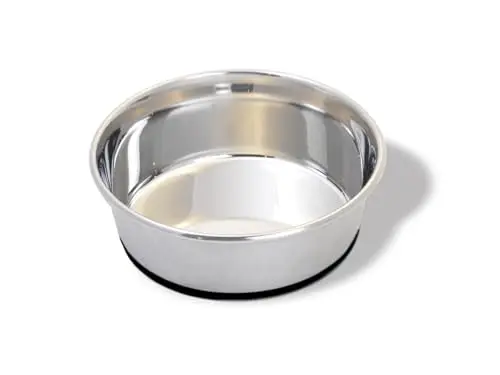
SS2 – Heavyweight 24oz Skid‑Proof Bowl
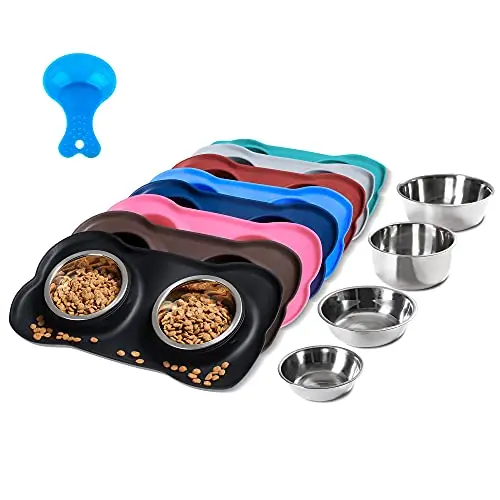
Hubulk Set – 2 Bowls with Silicone Mat for Tidy Feeders
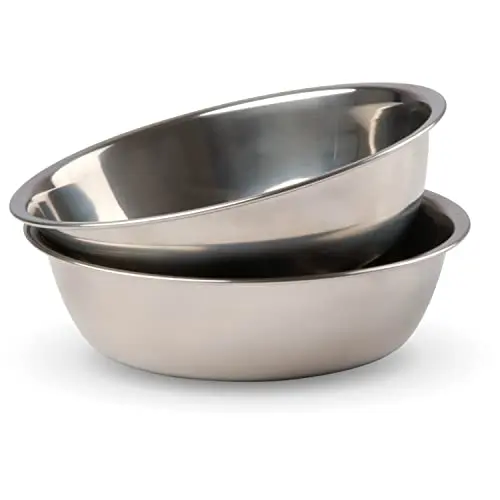
BP-001SS – Stackable 12oz Bowls for Cats and Small Dogs
How We Evaluated These Small Stainless Steel Dog Bowls
We didn’t run these through a kennel’s worth of daily feeding. What we did: cross‑referenced 8 small stainless‑steel bowls from 7 distinct brands across 5 decision axes – capacity fit for toy and small breeds, stainless steel gauge and dent resistance, non‑slip grip effectiveness, ease of cleaning, and real‑world durability signals. We triangulated published specifications, aggregated owner feedback where available, and use‑case fit against the messy‑eater, compact‑spaces, and multi‑pet realities that small‑dog owners face.
The scoring framework weighted real‑world performance (60%) – how well each bowl stood up to sliding, tipping, and daily washing – against feature differentiation (40%) – unique touches like floating disks, colour‑coded bases, and travel‑friendly stackability. We have no commercial relationship with any of the brands featured; recommendations track fit and differentiation, not brand preference. If you’re feeding a toy breed or a splashy drinker, the Mlife ML03‑Small is the no‑fuss overall pick; if mess is your top concern, the Yemqloft No‑Spill Water Bowl solves it with a clever floating disk.
How to Choose the Right Small Stainless Steel Dog Bowl
What to Look for in a Small Dog Bowl
When you’re buying for a tiny muzzle and a feisty appetite, the bowl’s dimensions matter as much as its material. A shallow, wide profile lets flat‑faced breeds eat without straining, while a straight‑wall design stops kibble from flying out. Weight is also key – too light, and the bowl becomes a toy; too heavy, and it’s a nuisance to move. Look for a capacity between 6‑12oz for the smallest dogs; anything larger and you’re wasting space and food.
Why Stainless Steel Beats Plastic Every Time
Stainless steel is non‑porous, so it doesn’t trap odours or bacteria the way plastic bowls do. It’s also dishwasher‑safe and resists rust, even when it sits with water all day. Unlike ceramic, it won’t chip or crack if knocked off a step – a common accident with jumpy small dogs. The gauge (thickness) tells you how durable it is: 6‑gauge (Van Ness) is heavy and dent‑resistant, while thinner bowls are lighter and more portable. For a small dog, a mid‑weight steel is usually a good compromise between stability and convenience.
The Small‑Bowl Size Guide: 6oz to 24oz
6‑9oz bowls are suited to cats, puppies, and truly tiny toy breeds (under 7 lbs). A 12oz bowl, like the Loving Pets Bella, hits the sweet spot for most small dogs between 8‑15 lbs – think Shih Tzus, Pugs, and small terriers. 24oz options like the Van Ness SS2 bridge the gap into ‘small‑medium’ territory, working well for Corgis or Beagles. If your dog drinks a lot or you have multiple pets sharing water, err on the larger side so you’re not refilling constantly. For food, a bowl that holds a full meal without overflowing is the goal – you can always measure first with a kitchen scale.
Non‑Slip Bottoms: Removable Rings vs. Bonded Rubber
A skidding bowl is a recipe for spills and noise. Removable rubber rings (Mlife, Wedawn) offer excellent grip and let you chuck the bowl in the dishwasher. The trade‑off? Rings can stretch or come loose over time. Bonded rubber bases (Van Ness) are fuss‑free and permanent, but they may not hold up to repeated dishwasher cycles. If you want the best of both worlds, a silicone mat with cutouts (Hubulk) keeps bowls in place without altering the bowl itself. Pick whichever suits your cleaning routine and your dog’s enthusiasm level.
Single Bowl vs. Set: What Actually Makes Sense
One bowl for food and one for water is the standard advice, but a set of two identical bowls makes it easy to rotate them and run one through the dishwasher while the other is in use. If you have more than one pet, a double‑diner or a multi‑bowl set (like the Mlife 2‑pack) keeps feeding stations tidy. For solo dogs, a single high‑quality bowl plus a spare lightweight travel option (like the stackable Bonza) covers home and away. Don’t overlook a detachable base – it can save you from buying a separate non‑slip mat.
Loving Pets Bella vs. Van Ness SS2: Which Traditional Bowl Wins?
These two stalwarts both use stainless steel and a non‑skid base, but they appeal to different priorities. The Bella offers a classic tapered shape, a rainbow of colour choices, and a removable rubber ring that’s dishwasher‑friendly. The SS2 is all about heft – the 6‑gauge steel and bonded rubber base make it feel indestructible. If style and easy cleaning matter most, go Bella. If you want a bowl that will still look new after years of rough use, the SS2 is worth the extra weight.
Frequently Asked Questions
What's the difference between the Mlife ML03 and the Wedawn WD-PW-XS?
Both are 8oz 2‑pack bowls with removable rubber rings, but the Mlife has a slightly wider, flatter shape, which some flat‑faced dogs prefer. The Wedawn bowls are shallower and have a more rigid ring that some owners find harder to remove. The Mlife’s steel feels marginally thicker in hand, though both are durable. If your dog tends to push food over the rim, the Wedawn’s higher sides might contain the mess better; for a cat or a dainty eater, the Mlife’s low profile is easier to access.
Are all 'small' dog bowls actually small enough for toy breeds?
Far from it. Many bowls labelled ‘small’ hold 24oz or more, which suits a Corgi but swamps a 4‑pound Chihuahua. For true toy breeds under 7 pounds, stick to 6‑8oz bowls (Wedawn WD‑PW‑XS, Hubulk 6.9oz set). A bowl that’s too deep makes it hard for a tiny muzzle to reach the food, and excess capacity just means stale water by the end of the day. Always check the volume – not just the diameter – before ordering.
Can I use these bowls for both food and water?
Yes, stainless steel is non‑porous and odour‑resistant, so it won’t transfer flavours. Many of the sets come with two bowls precisely so you can dedicate one to each. Just clean them daily – or toss them in the dishwasher – and you won’t have any cross‑contamination issues. If you’re using a single bowl for both, rinsing it between uses is a quick habit that keeps water fresh.
Final Verdict
For the typical small‑dog household, the Mlife ML03‑Small nails the balance of capacity, grip, and value – two sturdy bowls that stay put and clean up without fuss. If water mess is your daily frustration, the Yemqloft No‑Spill Bowl earns its spot with the floating‑disk design that actually keeps floors dry. And when budget leads the decision, the Wedawn WD‑PW‑XS delivers a pair of reliable 8oz bowls that punch above their price. Whichever you pick, a good stainless‑steel bowl is a small change that makes mealtime calmer, cleaner, and a whole lot quieter.