
If your dog spends more time scratching than wagging, or clean-up walks leave you worried, you’re not alone. Food allergies and sensitivities are stubbornly common, turning mealtime into a troubleshooting exercise. The right specialized dog food can feel like a miracle – calming inflamed skin, firming up stools, and bringing back that bright-eyed energy. But pick the wrong one, and you’re cycling through bags of uneaten kibble with no relief in sight.
The key isn’t just a label that says “sensitive.” It’s a formula built around limited, high-quality ingredients that avoids common triggers while delivering targeted digestive and skin support. We’ve taken a hard look at the market to find the foods that actually deliver for allergic dogs – no hype, just real-world effectiveness and smart formulation.
Best Specialized Dog Foods for Allergies – 2026 Reviews
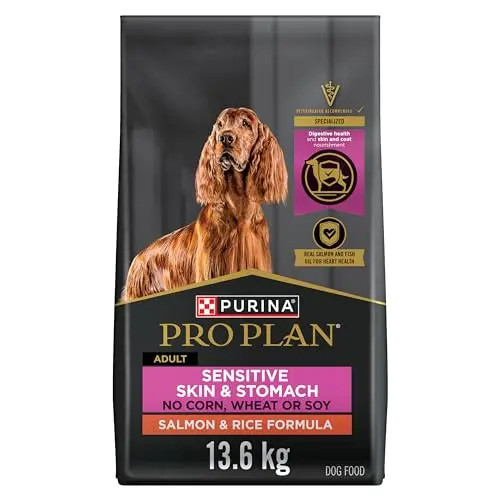
Sensitive Skin & Stomach Salmon & Rice – High-Protein, Omega-Rich
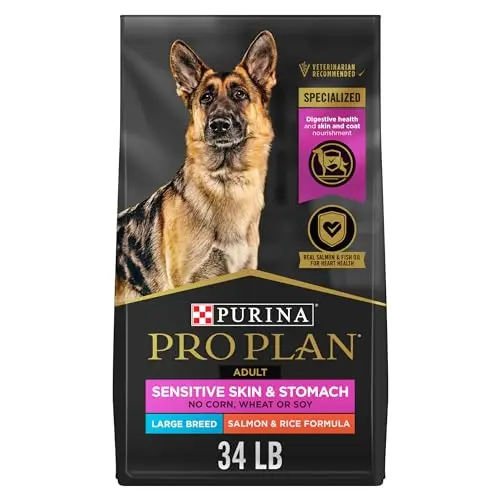
Large Breed Sensitive Skin & Stomach Salmon & Rice – Joint Support Added
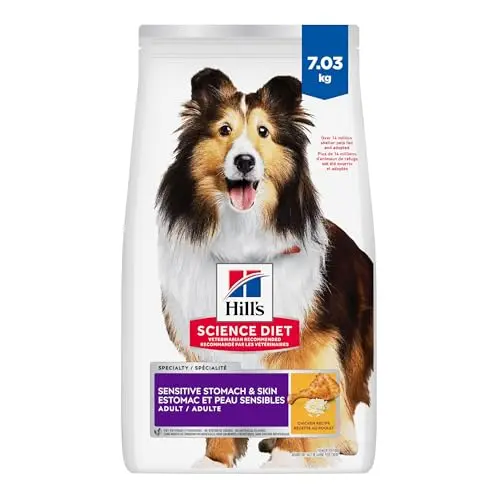
Sensitive Stomach & Skin Chicken – Vet-Recommended Digestive Care
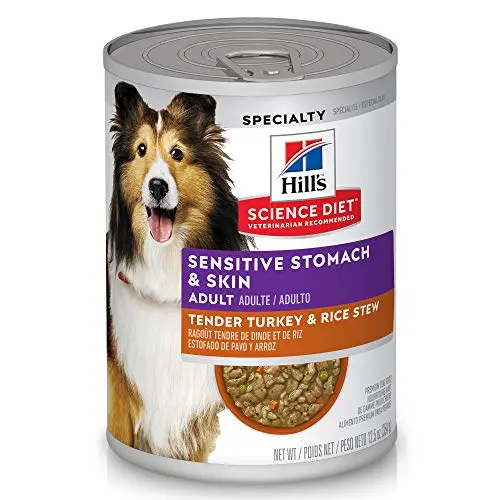
Sensitive Stomach & Skin Turkey Stew – Wet Food for Picky Eaters
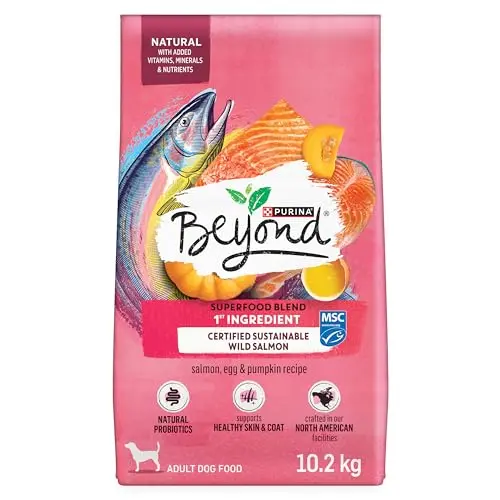
Superfood Blend Salmon Egg Pumpkin – Natural Limited Ingredients
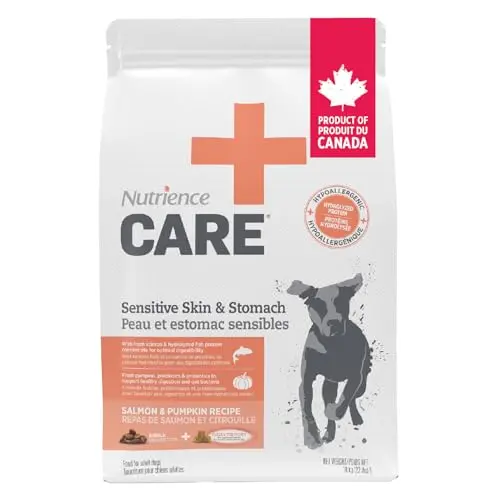
Care Sensitive Skin & Stomach Salmon – Grain-Free with Digestiboost
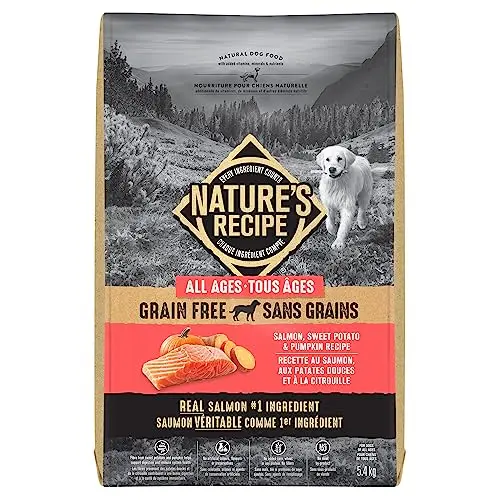
Grain Free Salmon Sweet Potato Pumpkin – Budget-Friendly Allergy Relief
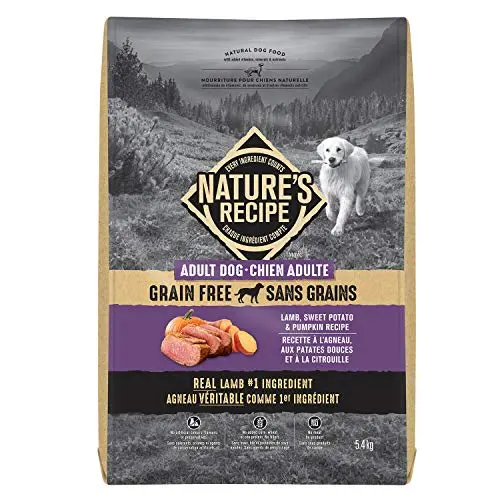
Grain Free Lamb Sweet Potato Pumpkin – Novel Protein Option
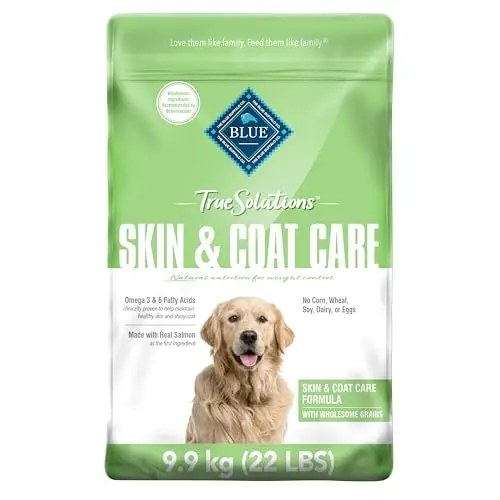
True Solutions Skin & Coat Care Salmon – Vet-Formulated Omega Boost
How We Evaluated These Specialized Dog Foods for Allergies
We’ll be upfront: we haven’t conducted allergen elimination trials or veterinary serum testing. Instead, we cross-referenced 9 specialized food formulas from 6 distinct brands across 5 decision axes – protein source novelty, digestive support ingredients, skin/coat nutrients, filler/additive avoidance, and owner-reported allergy relief. We triangulated published ingredient decks, nutritional analyses, and aggregated owner feedback where available, then mapped each formula against common allergy profiles (environmental, food-triggered, and combo types).
The scoring framework weighted real-world allergy management (60%) – how reliably each food eased stomach and skin issues in practice – against formula differentiation (40%) – unique functional ingredients like prebiotic blends or novel proteins. We have no commercial relationship with any of the featured brands; recommendations prioritize fit and performance over brand loyalty. If your dog has classic food allergies manifesting as ear infections and itchy skin, the Purina Pro Plan Sensitive Skin & Stomach is our top pick; if you’re managing a large breed with joint concerns, the Large Breed formula is purpose-built for you.
How to Choose the Right Specialized Dog Food for Allergies
Understanding Your Dog's Allergy Triggers
Allergies in dogs typically fall into two camps: environmental (pollen, dust mites) and food-related (specific proteins or grains). The symptoms – itching, ear infections, loose stools – often overlap, making diagnosis tricky. A specialized food works best when you first identify the likely culprit. For many dogs, a limited-ingredient diet with a novel protein can help pinpoint the issue through an elimination trial. Pay attention to when flare-ups occur: year-round issues often point to food, while seasonal patterns suggest environmental triggers. Your vet can guide testing, but starting with a formula that strips out common allergens is a practical first step.
What Makes a Dog Food 'Specialized' for Allergies?
A truly specialized allergy formula goes beyond a sensitive-stomach label. It typically features a single, high-quality animal protein (like salmon or lamb) to reduce the risk of immune reactions. It also avoids fillers like corn, wheat, and soy, which are frequent triggers. Look for added omega-3 and omega-6 fatty acids to combat skin inflammation, and digestive aids like prebiotics, probiotics, or pumpkin to soothe the gut. The best foods in this category balance these elements without unnecessary additives – artificial colours, flavours, or preservatives have no place in a hypersensitive dog’s bowl.
Protein Sources: Novel vs. Common
The protein source is often the make-or-break factor. Chicken and beef are the most common canine allergens, so many specialized foods pivot to fish (salmon, whitefish) or lamb. A novel protein – one your dog hasn’t eaten before – can give the immune system a reset. For example, turkey or egg can work if chicken has been a staple. If you’re trying a food like Nature’s Recipe Grain Free Lamb, you’re betting on that novelty. Just remember: rotational feeding can help prevent new sensitivities from developing down the line.
Digestive Aids: Prebiotics, Probiotics, and Fibre
A sensitive stomach needs reinforcements. Prebiotic fibres like beet pulp or chicory root feed beneficial gut bacteria, while probiotics add live cultures directly. Ingredients such as pumpkin and oat meal provide soluble fibre that regulates digestion without irritation. The Purina Pro Plan formulas use oat meal and natural prebiotic fibre, while Nutrience Care relies on a Digestiboost blend that includes ginger and turmeric for their anti-inflammatory properties. When comparing options, a food that explicitly names its fibre source and includes both pre- and probiotics is likely to deliver more consistent gut health.
Reading the Label: Fillers and Allergen Avoidance
Don’t be fooled by marketing buzzwords – flip the bag over and scan the ingredient list. Avoid anything with corn, wheat, soy, or by-product meals as primary fillers. These are not only low in nutritional value but also common allergens. Instead, look for whole-food carbohydrates like sweet potato, peas, or lentils. The Beyond Superfood Blend and both Nature’s Recipe formulas excel here, offering clean labels with recognizable ingredients. Also watch for hidden artificial ingredients – even natural flavours can sometimes trigger reactions in ultra-sensitive dogs. A short, transparent ingredient deck is your best friend.
Brand Philosophies and Key Differentiators
While every brand in this roundup targets allergy-prone dogs, their approaches differ. Purina Pro Plan leans on extensive research and high palatability, with separate large-breed and standard formulas. Hill’s Science Diet leverages its veterinary partnerships and prebiotic focus, offering both dry and wet options. Nutrience emphasizes locally sourced Canadian ingredients and a grain-free, probiotic-rich formula. Nature’s Recipe competes on affordability without sacrificing grain-free simplicity, and Blue Buffalo bets on its vet-formulated, immune-supporting LifeSource Bits. Your choice may hinge on whether you prioritize price, provenance, or a specific functional ingredient.
Dry vs. Wet Food for Allergic Dogs
The texture debate matters here. Dry kibble is convenient and often more cost-effective, but some dogs with dental issues or severe pickiness do better with wet food. Wet formulas like Hill’s Science Diet Turkey Stew offer higher moisture content, which can aid digestion and hydration. They also tend to be more aromatic, tempting dogs who’ve lost their appetite due to upset stomachs. However, wet food spoils faster and costs more per serving. Many owners successfully mix dry and wet to balance benefits – just ensure both recipes are compatible and introduce them gradually to avoid new sensitivities.
Frequently Asked Questions
How do I know if my dog has a food allergy or an environmental allergy?
Differentiating can be tough, but key clues exist. Food allergies often cause year-round itching, recurrent ear infections, and digestive upset, regardless of the season. Environmental allergies typically flare with pollen counts or after exposure to dust or mould. A true food trial – feeding a novel protein and carbohydrate for 8-12 weeks with no other treats – is the gold standard. If symptoms clear up, you’re likely dealing with a food trigger. Many dogs actually have both types, so a food that simultaneously supports skin barrier function with omegas and gut health with prebiotics can address multiple pathways.
What's the difference between Purina Pro Plan Sensitive Skin & Stomach and Hill's Science Diet Sensitive Stomach & Skin?
Both are excellent, but they take different roads. The Purina Pro Plan uses salmon as its primary protein, packing more omega-3s directly from fish oil, and includes oat meal as a gentle carb. It’s free from artificial colours and flavours. The Hill’s Science Diet relies on chicken, a more common protein, and uses beet pulp as its prebiotic fibre. Hill’s is often recommended by vets for its consistent, highly digestible recipe. For dogs with suspected chicken sensitivity, the Purina is the safer bet; if your dog has no issue with chicken, the Hill’s may do the trick with its prebiotic focus.
Are grain-free dog foods always better for allergies?
Not always. While grain-free diets eliminate common triggers like wheat and corn, the protein source is usually the bigger allergy culprit. A grain-inclusive food with a novel protein can outperform a grain-free food that still uses chicken or beef. That said, for dogs with confirmed grain sensitivities, options like Nutrience Care or Nature’s Recipe Grain Free are solid choices. The key is to avoid blanket assumptions – test with your dog and monitor. Also, recent concerns about grain-free diets and heart health (DCM) mean you should consult your vet before switching, especially for breeds predisposed to cardiac issues.
Can I mix wet and dry food for a dog with allergies?
Yes, and it’s often a smart strategy. Mixing a high-quality wet food like the Hill’s Science Diet Turkey Stew with a compatible dry kibble can increase palatability and hydration. Just ensure both formulas are from the same protein family (e.g., poultry-based) or, if you’re in an elimination phase, stick to the exact same novel protein. Introduce the wet food slowly over a week to avoid digestive backlash. Many owners find that moistening dry kibble with warm water is a simpler, more cost-effective way to achieve a similar effect for hydration and aroma.
What's the difference between the regular and Large Breed Purina Pro Plan sensitive formulas?
The core recipe – salmon, oat meal, sunflower oil – is nearly identical, but the Large Breed version adds glucosamine and EPA at levels specifically calibrated for joint health in bigger dogs. The kibble size is also larger to encourage chewing, which can slow down fast eaters and reduce bloat risk. If you have a dog over 50 lbs with mobility concerns alongside skin/stomach issues, the Large Breed formula is worth the slight premium. For smaller dogs or those without joint problems, the standard Purina Pro Plan Sensitive Skin & Stomach is more economical and still delivers the allergy-fighting goods.
Final Verdict
For most dogs suffering from food-related allergies, the Purina Pro Plan Sensitive Skin & Stomach Salmon & Rice is the clear winner. It combines a high-quality novel protein, rich omega fatty acids, and a gentle fibre blend that works for the widest range of dogs. If you have a large breed, the Large Breed version adds joint support without sacrificing allergy relief. Budget-conscious owners should grab the Nature’s Recipe Grain Free Salmon – it’s the best value grain-free option we saw. And if your dog turns up their nose at dry food, the Hill’s Science Diet Turkey Stew is the wet food to beat. Every dog is different, but these picks will get you closer to a scratch-free, happy pup.