
Stepping on the scale with your dog isn’t just a bonding moment – sometimes it’s a wake‑up call. You’re not alone if you’ve noticed those extra pounds creeping on. But here’s the good news: adult weight management formulas have come a long way from bland, low‑fat kibble that left dogs begging at the pantry door. Today’s options are engineered to preserve muscle, satisfy appetites, and even support joint and digestive health – all while helping your dog shed that stubborn weight.
In this guide, we zero in on adult dog food specifically targeting weight loss and maintenance. Not all formulas are created equal: protein‑to‑fat ratios, added functional ingredients like L‑carnitine and probiotics, and even kibble texture separate the also‑rans from the true performners. We’ve cross‑shopped the market to help you find the right match – whether your dog is a petite picky eater or a large breed with joint concerns. Our picks are based on published nutrition data, owner feedback, and real‑world efficacy, never brand loyalty.
Best Adult Dog Food for Weight Management – 2026 Reviews
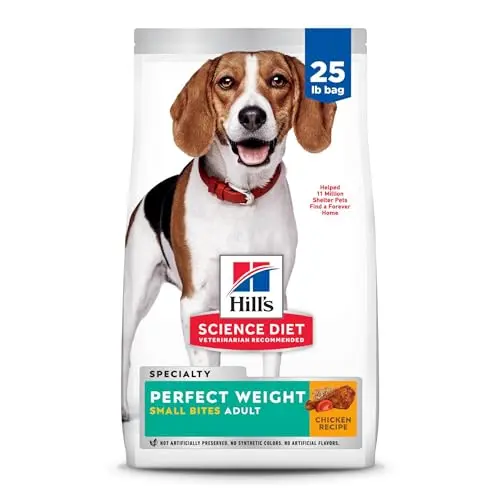
Perfect Weight Small Bites – Clinically Proven Weight Loss
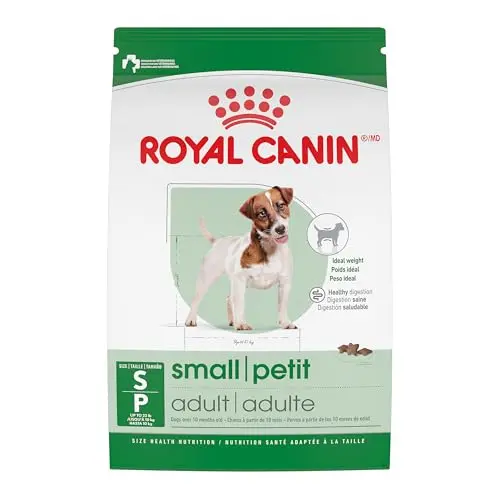
Small Breed Adult – Weight Maintenance & Digestive Health
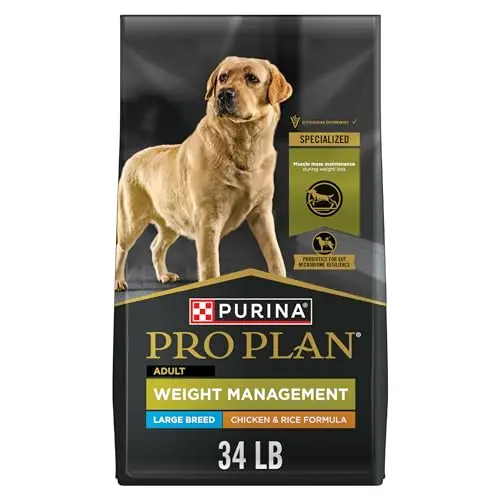
Large Breed Weight Management – High Protein & Joint Support
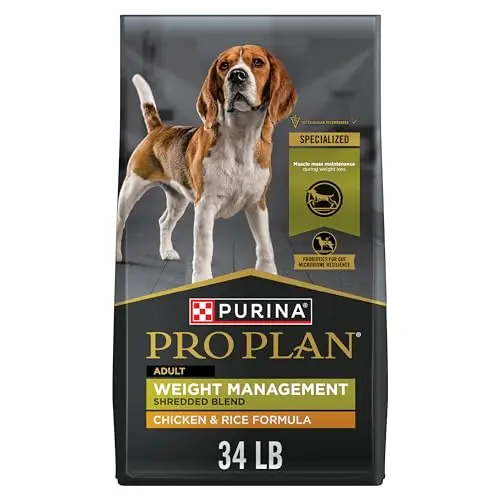
Shredded Blend Weight Management – Chicken & Rice with Texture
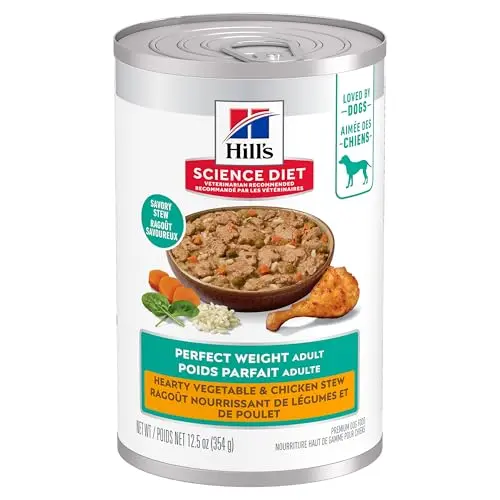
Perfect Weight Chicken & Vegetable Stew – Canned Weight Management
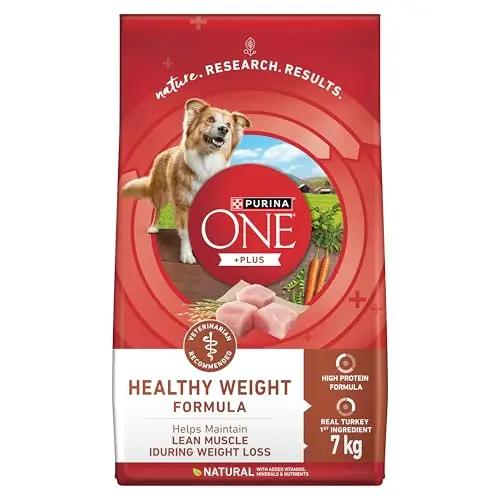
Healthy Weight Turkey – Budget‑Friendly Weight Management
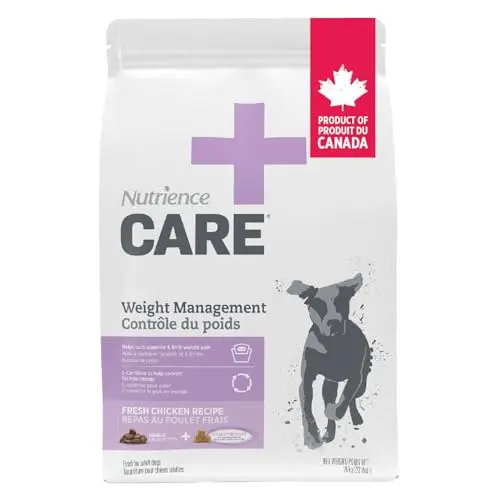
Care Weight Management – Grain‑Free & Canadian‑Made
How We Evaluated These Adult Dog Foods for Weight Management
We didn’t run our own weight‑loss feeding trials or lab analysis. What we did: cross‑referenced 7 adult dog food formulas from 4 distinct brands against six core decision axes – clinical weight loss claims, protein source and levels, added functional ingredients (L‑carnitine, probiotics, glucosamine), kibble design and texture compatibility, grain‑inclusive vs grain‑free philosophies, and overall value. We triangulated published nutrient profiles, ingredient decks, and aggregated owner experiences to assess real‑world efficacy, not just marketing promises.
Our scoring framework weighted real‑world weight management performance (60%) – including clinical trial data where available, protein‑to‑fat ratios that preserve muscle, and consistent owner‑reported weight loss – against feature differentiation (40%) – unique advantages like specialized kibble sizes for small or large breeds, texture variety for picky eaters, and bonus health supports like joint care or digestive blends. We have no commercial relationship with any of the brands featured; these recommendations track fit and outcome, not brand preference. If your dog is a small breed, the Hill’s Science Diet Perfect Weight Small Bites earned our top spot. For a dedicated small breed formula with digestive focus, the Royal Canin Small Breed Adult is a close runner‑up.
How to Choose the Right Adult Dog Food for Weight Management
What Makes a Good Adult Dog Food for Weight Management?
Not all calorie‑conscious kibbles are created equal. A high‑quality adult weight management food should start with a named protein source – chicken, turkey, or fish – as the first ingredient, because dogs need amino acids to maintain lean muscle even as they lose fat. Look for a moderate fat content (often 8-12% in dry matter) and a boosted fibre level to promote satiety without adding calories. Many top formulas now include L‑carnitine, an amino acid that helps transport fatty acids into cells to be burned for energy – it’s practically a standard in this category. The protein‑to‑fat ratio matters: you want enough protein to spare muscle tissue, but not so much fat that the calorie count spikes. Pay attention to the guaranteed analysis on the bag, and don’t be swayed by flashy marketing alone. A formula that’s ‘low calorie’ but skimpy on protein can leave your dog hungry and lethargic – the exact opposite of what you want.
Kibble Size and Texture: Why It Matters for Your Adult Dog
It’s easy to overlook, but the physical form of the food can make or break a weight management plan. Small breeds need small kibble – a pellet that’s too large can be intimidating or lead to gulping, which undermines portion control. Conversely, large breed dogs benefit from larger kibble that forces them to chew, slowing down eating and promoting satiety. Texture also plays a role: some dogs flat‑out reject uniform, dry pellets, especially if they’ve been spoiled on rich treats. That’s where formulas like Purina Pro Plan’s Shredded Blend shine, mixing crunchy pieces with tender, shredded morsels to keep mealtime interesting. Wet food options, like Hill’s Science Diet’s Perfect Weight Stew, can be a game‑changer for seniors or dogs with dental issues, but watch the moisture content – you’re paying for water, so the cost‑per‑calorie tends to be higher. The right texture isn’t just about preference; it directly affects your dog’s willingness to eat the diet and stick with it long‑term.
The Role of Protein and Fat Ratios in Weight Loss
If you take one thing from this guide, let it be the protein‑to‑fat ratio. Weight management isn’t just about cutting calories; it’s about preserving lean body mass. A diet that’s too low in protein can cause muscle loss, slowing metabolism and making weight regain almost inevitable. Most effective formulas target a protein‑to‑fat ratio of roughly 3:1 or higher – enough protein to support muscle, moderate fat to keep calories in check. Purina Pro Plan’s Large Breed Weight Management is a standout example, with real chicken leading the ingredient panel and an optimized ratio that large‑breed owners swear by. On the ingredient list, look for whole meats or meat meals early on, not just grains or plant proteins. And remember: a high protein percentage on the label might still mean a low absolute amount if the food is very high in moisture, so always compare on a dry matter basis when switching between wet and dry formulas.
Hill's Science Diet vs Royal Canin: Which Weight Management Formula Is Right for Your Dog?
Two giants dominate this space, and they approach weight management from slightly different angles. Hill’s Science Diet Perfect Weight leans heavily on clinical research – its feeding trials show over 70% of dogs lost weight within 10 weeks, a number that’s hard to ignore. Their formulas use a blend of natural fibres and L‑carnitine, and the Small Bites version is specifically designed for toy and small breeds. Royal Canin Small Breed Adult, on the other hand, prioritizes breed‑specific nutrition: the kibble shape is engineered for tiny jaws, and the formula balances weight maintenance with digestive health through highly digestible proteins and prebiotics. Neither choice is wrong, but your dog’s size and eating habits should steer the decision. If your small dog is a gulper or has a sensitive stomach, Royal Canin’s precise kibble and digestive focus may give it the edge. If you’re after hard clinical data and a broader all‑breed option in larger bags, Hill’s is tough to beat.
Wet vs Dry Food for Weight Management: Which Works Better?
There’s no one‑size‑fits‑all answer, but the debate comes down to palatability versus practicality. Dry food generally offers a lower cost per calorie, is easier to store, and can contribute to dental health through chewing. Most weight management budgets lean heavily on kibble for those reasons. However, wet food can be a strategic tool – its high moisture content helps dogs feel fuller with fewer calories, and the aroma and texture often win over the pickiest eaters. Hill’s Science Diet Perfect Weight Stew is a rare find: a canned food that doesn’t sacrifice clinical weight management credentials for flavour. For dogs that simply refuse dry diet food, starting with a wet topper or mix can ease the transition. Just budget accordingly, because feeding exclusively wet will drive up costs, especially for larger dogs.
Common Mistakes When Switching to a Weight Management Diet
The road to a slimmer dog is paved with good intentions and a few common pitfalls. First: rushing the transition. Switching abruptly from a rich, high‑fat food to a lean formula can cause digestive upset and outright rebellion. A 7‑to‑10‑day gradual mix‑in is almost always necessary. Second: overfeeding. Even diet food will cause weight gain if you pour too much. Use a measuring cup and follow the bag’s guidelines, adjusting based on your dog’s activity level and weekly weigh‑ins. Third: ignoring treats. Those tiny training treats add up – consider swapping them for something low‑calorie like green beans or using a portion of the daily food as rewards. Finally, don’t assume all ‘weight management’ labels are created equal. Some are merely marketing; always check the calorie content per cup and compare across brands to be sure you’re truly cutting calories, not just buying a fancy label.
Frequently Asked Questions
What's the difference between Hill's Science Diet Perfect Weight and Royal Canin Small Breed for weight management?
Both are excellent, but they serve different niches. Hill’s Perfect Weight is highlighted by a clinical trial where over 70% of dogs lost weight in 10 weeks – it’s a data‑driven, broad‑spectrum weight loss food available in breed‑size‑specific kibble (Small Bites for tiny dogs, regular for all breeds). Royal Canin Small Breed puts more emphasis on breed‑specific design: the kibble shape is engineered for a small dog’s jaw, and the formula includes highly digestible proteins and prebiotics to tackle the digestive issues common in little dogs. If your small breed has a sensitive stomach, Royal Canin may be the better digestive fit; if you’re laser‑focused on proven weight loss results, Hill’s edges ahead.
Is Purina Pro Plan Weight Management better for large breeds than Hill's Science Diet?
For large dogs specifically, Purina Pro Plan Large Breed Weight Management has a distinct advantage: it includes glucosamine and EPA for joint health, which is critical because big dogs are prone to hip and elbow issues that extra weight exacerbates. The protein‑first, optimized fat ratio helps preserve muscle, and the large kibble size encourages chewing. Hill’s Science Diet Perfect Weight (the regular, non‑small‑bites version) is also an excellent all‑breed formula with clinical weight loss backing, but it doesn’t spotlight joint support as aggressively. If your large breed dog has any hint of stiffness or is a high‑risk breed for joint problems, the Pro Plan Large Breed is the smarter pick; if joint health isn’t a concern and you want the clinical trial weight‑loss pedigree, Hill’s is a strong contender.
Can I feed adult weight management dog food to my puppy?
No – and this is a critical safety rule. Adult weight management formulas are designed for dogs over 12 months of age whose bodies have finished growing. Feeding them to a puppy can hinder proper development because the nutrient profiles (calcium, phosphorus, protein levels) aren’t balanced for growth. If your puppy is overweight, consult your vet before any calorie restriction; they may recommend a puppy‑specific food with a controlled feeding amount rather than switching to an adult formula. The only exception is if a food is labelled for ‘all life stages,’ but even then, it’s wise to get veterinary guidance before using it for weight control in a growing pup.
How quickly should I expect my dog to lose weight on these foods?
Slow and steady wins this race. A healthy, sustainable weight loss rate for most dogs is 1-2% of body weight per week – that’s about half a pound per week for a 50‑pound dog. While Hill’s Science Diet’s clinical trial showed over 70% of dogs losing weight within 10 weeks, individual results vary based on starting weight, activity level, and whether you’re also controlling treats. Weigh your dog weekly and adjust portions as needed. If you’re not seeing a gradual downward trend after a month on the diet, reduce the daily portion by 10% or consult your vet. Avoid crash dieting; too‑rapid weight loss can cause muscle loss and sluggish metabolism, setting up a rebound.
Is wet or dry dog food better for weight management?
Both can work, and the right choice depends on your dog. Dry food tends to be more cost‑effective and convenient, and the crunchy kibble can help with dental tartar. Wet food’s high moisture content can make dogs feel fuller on fewer calories and is easier to portion precisely – plus, the aroma and texture are often more appealing to picky eaters. Some owners successfully mix a small amount of wet with dry to boost palatability without blowing the calorie budget. The key is to look at the calories per can or cup rather than just the volume, and to choose a formula that still carries a weight management claim (like Hill’s Science Diet Perfect Weight Stew). If your dog needs medication or tends to avoid water, wet food provides helpful hydration; otherwise, dry food is the more practical, budget‑friendly route for most multi‑dog households.
What ingredients should I look for in a weight management dog food?
Start with a high‑quality animal protein at the top of the list (chicken, turkey, fish). Next, seek out L‑carnitine – it’s a near‑universal inclusion in weight management formulas because it aids fat metabolism. Dietary fibre, often from beet pulp, pea fibre, or wheat bran, is crucial for satiety; you’ll see it in the mid‑ingredients. Many premium diets add glucosamine and chondroitin for joint support, which is especially valuable for overweight dogs. Probiotics (like those in Purina Pro Plan’s guaranteed live cultures) support digestive health, which can go haywire during diet changes. Avoid formulas with a lot of fillers (corn, soy, unnamed meat meals) as the primary energy source, and steer clear of added sugars or artificial colours. If your dog has grain sensitivities, the Nutrience Care formula offers a grain‑free alternative with digestive‑soothing ingredients like pumpkin and ginger.
Final Verdict
For most small breed adult dogs, the Hill’s Science Diet Perfect Weight Small Bites is our top pick – it’s backed by impressive clinical weight loss data, and the tiny kibble is tailored for small jaws. If your dog is a large breed, the Purina Pro Plan Large Breed Weight Management formula goes the extra mile with joint support and a protein‑rich profile designed for big bodies. And when the budget is the bottom line, Purina ONE Healthy Weight Turkey delivers surprising quality for the price. The right food, paired with portion control and patience, can transform your dog’s health – one measured meal at a time.