
Every dog owner wants to feed their best friend a nutritious diet, and protein is the cornerstone of canine health. It builds muscle, repairs tissue, and keeps energy levels steady. But walk down the pet food aisle and you’re hit with a barrage of claims-‘high protein,’ ‘real meat first,’ ‘grain-free,’ ‘raw.’ Figuring out which dog food truly delivers quality protein without unnecessary fillers can feel like a second job.
The difference between a good dog food and a great one often comes down to the protein source and how it’s processed. Whole meats, meal concentrates, and novel proteins each bring something different to the bowl. This guide cuts through the marketing noise, comparing protein-packed formulas from established brands to help you choose a food that supports your dog’s everyday vitality.
Best Dog Food with Protein – 2026 Reviews
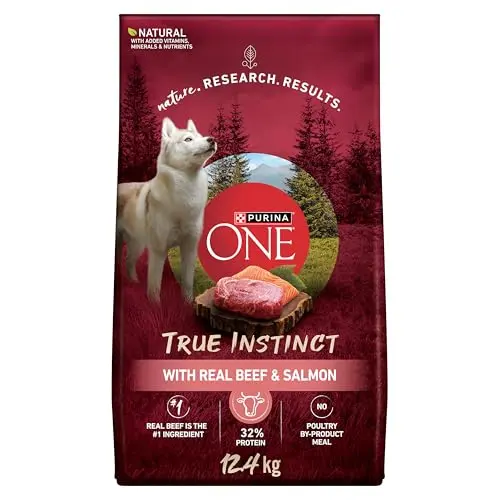
True Instinct Beef & Salmon – High-Protein Powerhouse
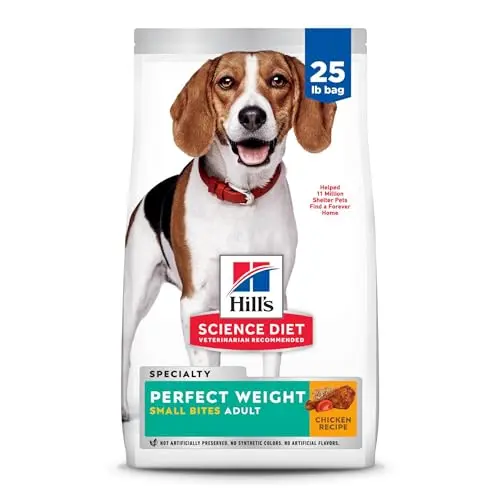
Perfect Weight Small Bites – Clinically Proven Slimdown
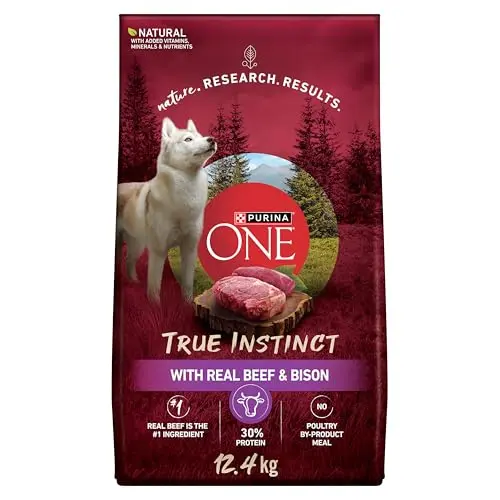
True Instinct Beef & Bison – Meaty Morsel Protein Boost
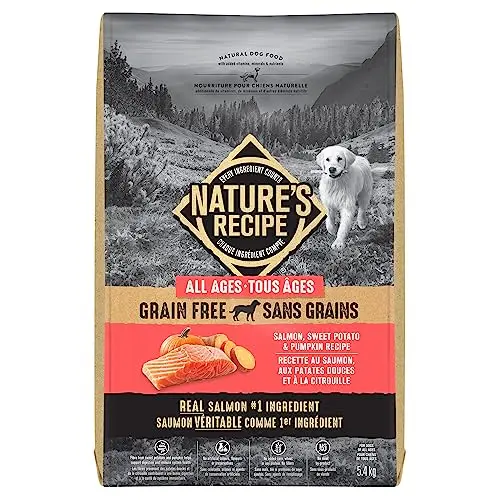
Grain Free Salmon & Pumpkin – Omega-Rich Coastal Catch
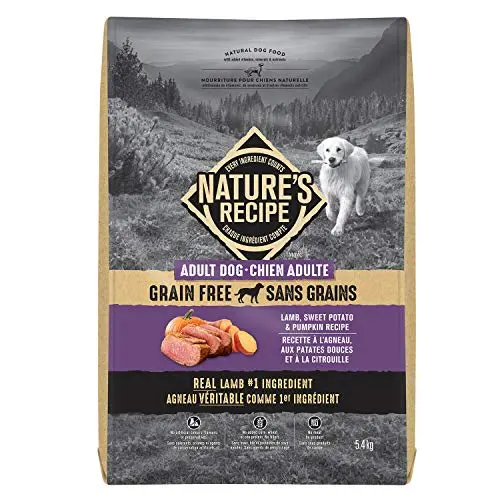
Grain Free Lamb & Pumpkin – Savoury Ranch-to-Bowl Nutrition
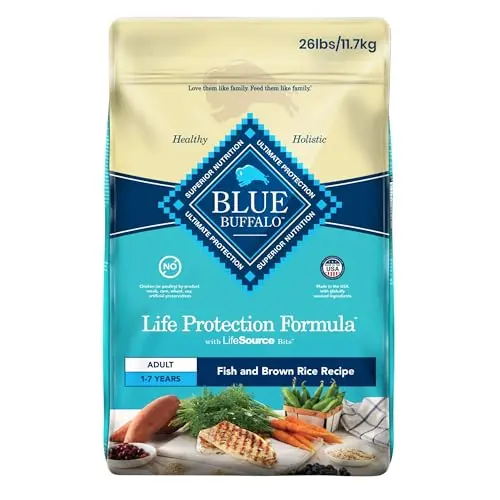
Life Protection Formula Fish & Brown Rice – Ocean-Derived Muscle Care
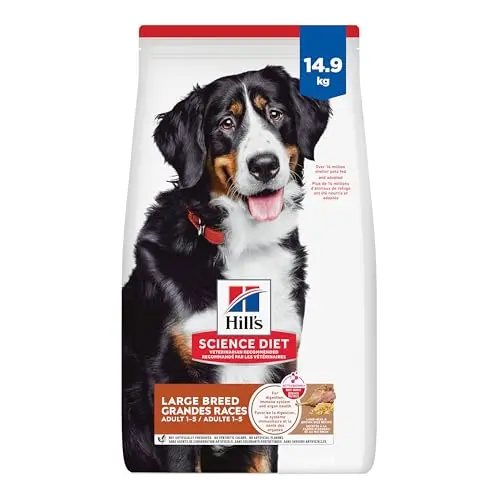
Large Breed Lamb Meal & Brown Rice – Joint-Conscious Classic
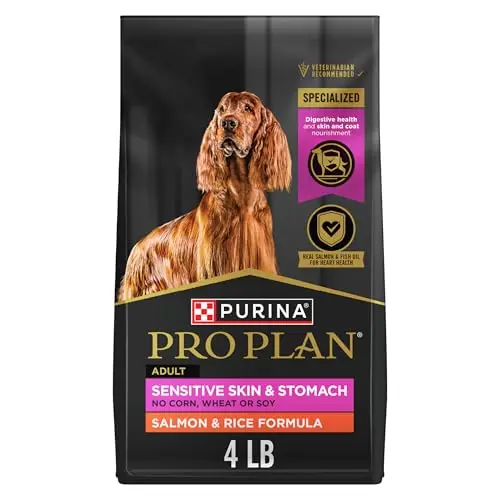
Sensitive Skin & Stomach Salmon & Rice – Gentle Gut Hero
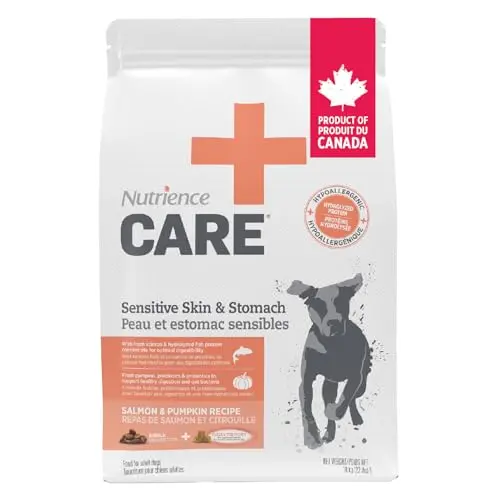
Care Sensitive Skin & Stomach – Canadian Salmon Sensitivity Savior
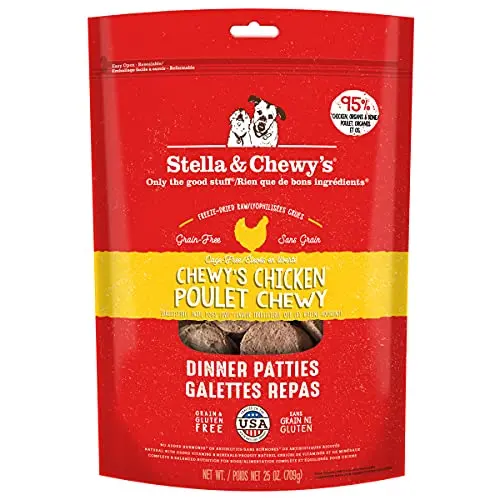
Freeze-Dried Raw Chicken Patties – Ancestral Diet in a Bag
How We Evaluated These Dog Foods with Protein
We did not run long-term feeding trials or veterinary-supervised health studies. Instead, we cross-referenced 10 dog foods from 7 distinct brands across six decision axes: protein quantity and quality, ingredient sourcing, kibble size and breed suitability, digestive and skin health support, manufacturing transparency, and owner-reported palatability. We triangulated published nutritional analyses, ingredient decks, and aggregated owner feedback where available to assess real-world performance.
The scoring framework balanced real-world nutritional merit (60%) against feature differentiation (40%) such as unique health benefits or formulation advantages. We have no commercial relationship with any of the brands featured; recommendations track fit and differentiation, not brand preference. If you need a high-protein everyday fuel, the True Instinct Beef & Salmon is our top pick. If weight management is the priority, the Perfect Weight Small Bites is the clinically backed choice.
How to Choose the Right Dog Food with Protein
Understanding Protein Content in Dog Food
The protein percentage on a bag is just the start. Look for a named animal source like beef, chicken, salmon, or lamb as the first ingredient. Whole meat contains a lot of water weight, so meals (chicken meal, lamb meal) can actually deliver a more concentrated protein punch. For most adult dogs, a minimum of 18% protein is baseline; high-protein formulas often range from 30% and up, which can be great for active and working dogs but might be overkill for sedentary seniors. The key is quality over percentage-a 25% protein from named sources beats 30% from plant-based fillers.
Real Meat vs. Meat Meal: What Matters
There’s a common misconception that ‘meal’ is inferior. In reality, chicken meal or salmon meal is rendered, dehydrated protein with the water and fat removed, making it a dense protein source. A food with whole chicken first might still get most of its protein from that meal further down the list. The best foods use a combination: whole meat for flavour and nutrients, meals for protein efficiency. Avoid vague terms like ‘meat meal’ or ‘animal by-product meal,’ which can come from any species. Stick to named protein meals for transparency.
Grain-Free vs. Grain-Inclusive Options
Unless your dog has a diagnosed grain allergy, grains like rice, barley, and oats can provide healthy carbohydrates and fibre. The grain-free trend often swaps in legumes and potatoes, which may be linked to dilated cardiomyopathy in some breeds when fed as a primary long-term diet. For most dogs, the presence or absence of grains matters less than the quality of the protein. If you do go grain-free, look for limited ingredient recipes with clearly listed carb sources like sweet potatoes and pumpkin, as seen in the Nature’s Recipe Salmon formula.
Special Considerations for Sensitive Stomachs
Dogs with loose stools, gas, or vomiting often benefit from novel protein sources like lamb, salmon, or bison, paired with digestible carbohydrates. Ingredients like pumpkin, oatmeal, and prebiotic fibres help soothe the gut. The Pro Plan Sensitive Skin & Stomach is a standout with salmon, oatmeal, and prebiotics, while Nutrience Care adds turmeric and ginger for extra gut support. Always transition slowly over 7-10 days to avoid digestive upset.
Kibble Size and Breed Suitability
Kibble isn’t one-size-fits-all. Large breed dogs need bigger pieces to encourage chewing and slow down eating, which reduces bloat risk. Small dogs and seniors with dental issues need tiny bites they can manage. Foods like Hill’s Science Diet Large Breed explicitly tailor size and shape, while Purina ONE True Instinct works well for medium breeds. If your small dog struggles with standard kibble, look for ‘small bites’ or pellet size descriptions in ingredient panels.
Raw and Freeze-Dried Alternatives
Raw and freeze-dried diets aim to mimic a dog’s ancestral diet with minimal processing. Options like Stella & Chewy’s Freeze-Dried Raw Patties deliver 95% animal ingredients including organs and bone, which can be extremely palatable and nutrient-dense. These come at a higher cost and require rehydration, so they’re not for every budget or lifestyle. They’re often used as toppers or rotational meals rather than the sole diet. If you go this route, ensure the formula is complete and balanced for all life stages.
Frequently Asked Questions
What's the difference between Purina ONE True Instinct and Hill's Science Diet for protein?
Purina ONE True Instinct focuses on high protein (30-32%) with real beef as the first ingredient and a more budget-friendly price. It includes tender meaty morsels for palatability and is aimed at active adult dogs. Hill’s Science Diet, particularly the Perfect Weight formula, emphasizes clinically proven weight management with protein levels that support muscle maintenance but not necessarily ‘high protein’ in the 30%+ range. Hill’s is typically pricier and more condition-specific. For pure protein punch, Purina ONE wins; for a medically guided goal like weight loss, Hill’s takes it.
How does Nature's Recipe compare to Blue Buffalo for grain-free high-protein diets?
Both are grain-free and avoid common allergens like corn, wheat, and soy. Nature’s Recipe keeps things simpler with single animal protein sources (salmon or lamb) and sweet potato and pumpkin for fibre, which can be easier on digestion. Blue Buffalo adds LifeSource Bits for immune support and uses debâoned fish as the first ingredient. Blue Buffalo’s protein levels are comparable, but Nature’s Recipe often comes at a lower cost per pound. Choose Nature’s Recipe if you want minimal ingredients and value; choose Blue Buffalo if you want extra antioxidant blends.
Is raw dog food better for protein content than kibble?
Raw and freeze-dried foods like Stella & Chewy’s pack very high protein percentages on paper (often 40%+) because they aren’t extruded at high heat, which can denature some proteins. However, the bioavailability matters as much as the number-fresh organs and muscle meat are highly digestible. The trade-offs are cost, convenience, and safety (handling raw meat). Kibble can still deliver excellent protein quality if it uses named meals and real meat, as seen in the Purina ONE True Instinct. For most owners, a high-quality kibble is more practical and still meets protein needs, while raw is for those committed to a less processed diet.
Can high-protein dog food cause kidney problems?
For healthy dogs, there is no scientific evidence that high-protein diets cause kidney damage. Dogs are facultative carnivores, evolutionarily adapted to high-meat diets. Excess protein is broken down and excreted through urine. However, if a dog already has pre-existing kidney disease, a veterinarian may recommend a moderated protein intake to reduce kidney workload. Always consult your vet if your dog has a health condition. The quality of protein-from named animal sources rather than plant glutens-is more important than the quantity.
What's the best protein source for a dog with allergies?
Dogs with allergies often react to common proteins like chicken or beef. Switching to a novel protein they haven’t been exposed to can help. Salmon is a popular choice, as found in Pro Plan Sensitive Skin & Stomach, because it’s rich in omega-3s that reduce inflammation. Lamb is another option, like in Nature’s Recipe Lamb. Bison or venison are less common but effective. Look for a limited ingredient diet with a single animal protein source and simple carbs like sweet potato to narrow down triggers.
Final Verdict
For the majority of dogs, the Purina ONE True Instinct Beef & Salmon strikes the ideal balance of high protein, palatability, and everyday value. If your pup is packing extra pounds, the Hill’s Science Diet Perfect Weight is the clinically proven route to a healthier figure. And if you want to maximize meaty morsels and joint support without stretching the budget, the Purina ONE Beef & Bison is a no-brainer. No matter which you choose, your dog is getting a protein-powered meal from a lineup of genuinely solid contenders.