
Nothing disrupts a morning walk quite like the dreaded runny stool. If your dog’s poop is consistently soft, it’s not just a cleanup hassle – it can signal digestive upset that affects nutrient absorption and overall health.
The right diet is often the first and most effective fix. Formulations rich in prebiotic fibres, highly digestible proteins, and balanced fibre profiles can make a noticeable difference – often within a couple of weeks. We surveyed leading options designed to promote firmer stools, cross-referencing ingredient lists and owner feedback to highlight the ones that deliver. Whether you’re managing a sensitive stomach or just chasing that ideal pick-up-able poop, this guide will help you pick a food that gets the job done.
From vet-recommended classics to superfood blends, here are the dog foods that stand out for solid, regular stools.
Best Dog Food for Solid Poop – 2026 Reviews
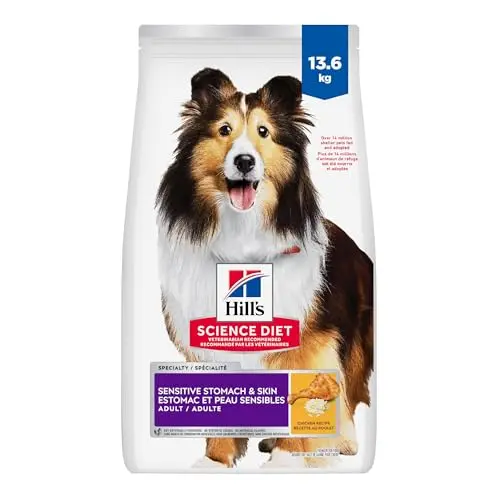
Sensitive Stomach & Skin Chicken Recipe – Prebiotic Fibre for Firm Stools
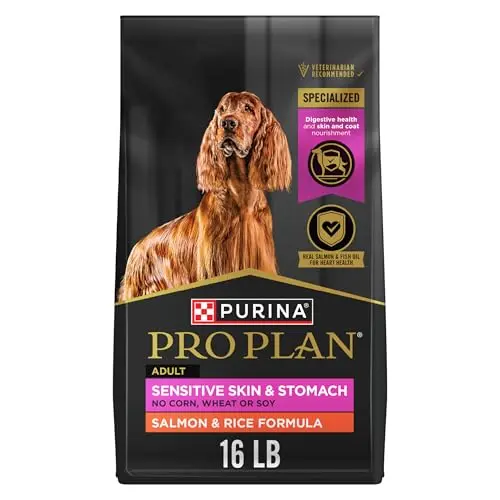
Sensitive Skin & Stomach Salmon & Rice – Digestive Support
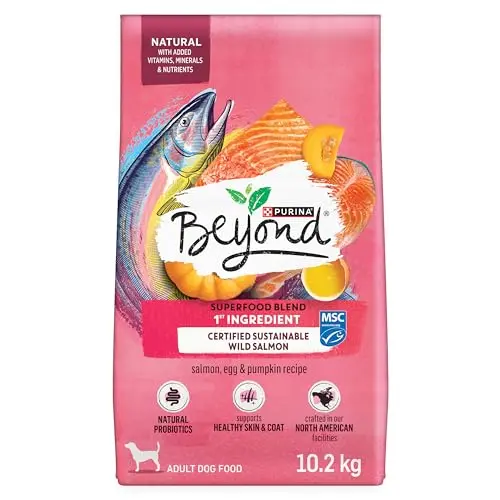
Superfood Blend Salmon, Egg & Pumpkin – Natural Digestive Health
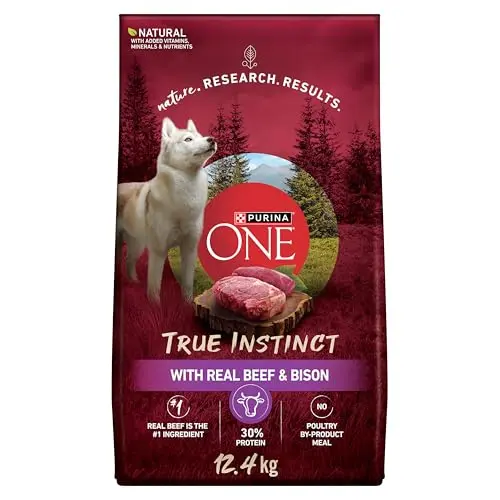
True Instinct Beef & Bison – High Protein, Gentle on Stomach
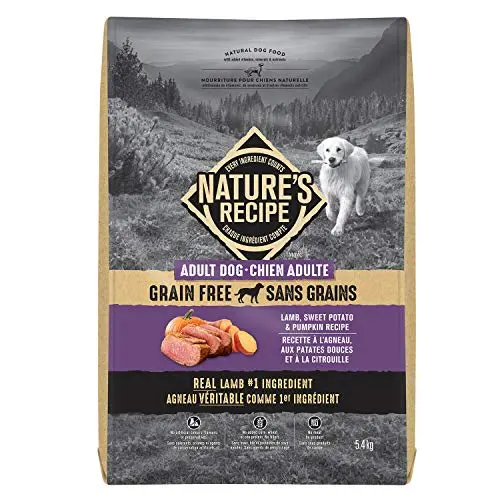
Grain Free Lamb, Sweet Potato & Pumpkin – Fibre-Rich for Digestion
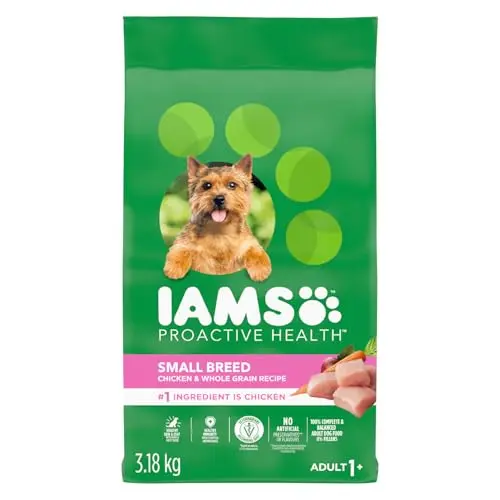
Proactive Health Small Breed Chicken – Proven 10-Day Stool Improvement
How We Evaluated These Dog Foods for Solid Poop
We didn’t run controlled laboratory feeding trials to measure faecal scores. What we did: cross-referenced 6 dog food models from 6 distinct brands across 7 decision axes – ingredient digestibility, fibre source, prebiotic content, protein quality, owner-reported stool consistency, palatability, and overall value. We triangulated published nutritional information, aggregated owner feedback where available, and use-case fit for dogs with soft-stool issues. We also considered how quickly owners reported seeing results, the presence of any artificial additives, and the brand’s overall reputation for digestive research.
The scoring framework weighted real-world stool improvement (60%) – how well each formula delivers firmer, more consistent stools based on ingredient support and owner experiences – against feature differentiation (40%) – unique advantages like small-breed-specific kibble, superfood blends, or joint-health additions. We have no commercial relationship with any of the brands featured; recommendations track fit and differentiation, not brand preference. If your priority is fast, proven results for a small dog, the IAMS Proactive Health Small Breed earns its stripes; for a well-rounded sensitive-stomach solution across breeds, the Hill’s Science Diet Sensitive Stomach is the strongest all-rounder.
How to Choose the Right Dog Food for Solid Poop
Why Stool Quality Matters for Your Dog's Health
A consistently firm stool indicates that your dog is properly absorbing nutrients from their food. Loose or soft stools can point to food sensitivities, poor ingredient digestibility, or an imbalanced gut microbiome. Over time, chronic diarrhoea can lead to dehydration, weight loss, and a dull coat. Paying attention to what comes out the other end is one of the simplest ways to gauge whether a diet is truly working for your dog.
Key Nutrients for Firmer, More Consistent Poops
Look for terms like prebiotic fibre, beet pulp, chicory root, or pumpkin on the ingredient panel – these fuel beneficial gut bacteria and add bulk to stool. Soluble fibres help regulate moisture, while insoluble fibres speed transit time. A high-quality, easily digestible animal protein (chicken, salmon, lamb) as the first ingredient reduces the fermentable residue that can lead to loose stools. Omega fatty acids also play a supportive role by reducing gut inflammation.
The Role of Fibre: Beet Pulp, Pumpkin, and Oatmeal Compared
Beet pulp is a mixed soluble/insoluble fibre that feeds good bacteria and firms stool effectively – it’s the star of Hill’s Science Diet. Pumpkin is rich in soluble fibre and helps regulate moisture, making it a natural choice in Beyond and Nature’s Recipe. Oatmeal provides gentle bulk without fermenting aggressively, a key feature of the Pro Plan formula. Your dog’s individual response will depend on which fibre type suits their gut best.
Protein Digestibility: The Foundation of Good Poop
Lower-quality proteins and by-products can ferment in the large intestine, creating gas and loose stools. Real, named meat as the first ingredient generally signals higher digestibility. Our lineup ranges from chicken (Hill’s, IAMS) to salmon (Pro Plan, Beyond) to novel proteins like lamb (Nature’s Recipe) and beef/bison (Purina ONE). If your dog has known sensitivities, switching to a novel protein can sometimes resolve stool issues overnight.
Grain-Free vs. Whole Grains: Which Is Better for Solid Stools?
Grains like rice, barley, and oats can be excellent sources of gentle fibre that support digestive health. Many sensitive-stomach formulas, including IAMS and Hill’s, include whole grains for their stool-firming properties. Grain-free options like Nature’s Recipe rely on legumes and tubers for fibre instead. The decision often comes down to your dog’s specific tolerance – there’s no one-size-fits-all rule, but recent research suggests that grain-inclusive diets are safe and beneficial for most dogs.
How to Transition Your Dog to a New Food Without Upsetting Their Stomach
A gradual switch over 7-10 days is critical. Start with 25% new food mixed with 75% old for a couple of days, then 50/50, then 75/25, before feeding exclusively the new formula. This allows the gut microbiome to adapt and minimises the risk of diarrhoea. Keep an eye on stool consistency throughout; if looseness persists beyond two weeks on the new food, it may not be the right match.
Frequently Asked Questions
What causes loose stools in dogs?
Dietary indiscretion, food intolerances, sudden diet changes, stress, and underlying health conditions can all lead to soft stools. Often, a switch to a highly digestible formula with prebiotic fibre and a consistent feeding schedule resolves the issue. If loose stools persist despite dietary changes, consult your veterinarian to rule out parasites or malabsorption disorders.
How do prebiotics help with solid poop?
Prebiotics are specialised plant fibres that feed beneficial gut bacteria, promoting a balanced microbiome. When good bacteria thrive, they produce short-chain fatty acids that strengthen the colon lining and improve stool consistency. Foods like Hill’s Science Diet and Pro Plan include prebiotic beet pulp or oatmeal to deliver these benefits.
What's the difference between Hill's Science Diet Sensitive Stomach and Purina Pro Plan Sensitive Skin & Stomach?
Both are geared toward dogs with digestive sensitivities, but they differ in primary protein and fibre sources. Hill’s uses chicken and beet pulp, with a stronger emphasis on pure digestibility and vet endorsements. Pro Plan leverages salmon and oatmeal, adding extra omega-3s for skin and coat health. Choose Hill’s if your main goal is firm stools; go with Pro Plan if skin issues accompany the tummy troubles.
Is grain-free food better for firm stools?
Not necessarily. While some dogs do well on grain-free diets, whole grains like rice and oats provide gentle, non-fermentable fibre that can actually help firm up stools. Many of the most proven stool-firming formulas – including IAMS and Hill’s – include grains. The key is the type and amount of fibre, not whether grains are present.
How long does it take for a dog food to improve stool quality?
Most dogs show improvement within one to two weeks of a consistent diet switch. IAMS explicitly guarantees firmer stools in 10 days. For our top-rated Hill’s formula, many owners see changes within a week. A gradual transition is essential to avoid temporary digestive upset during the changeover.
Can I feed a small-breed food to a large dog for stool improvement?
It’s not recommended. Small-breed formulas are calorie-dense and have smaller kibble sizes that won’t satisfy a large dog’s chewing needs or nutritional requirements. Large-breed dogs have different calcium and phosphorus needs for joint health. If you have a large dog with stool issues, consider a breed-appropriate sensitive-stomach formula like Pro Plan Large Breed Sensitive Skin & Stomach.
Final Verdict
For most adult dogs with chronic stool looseness, the Hill’s Science Diet Sensitive Stomach & Skin is our top pick – its combination of prebiotic beet pulp, highly digestible ingredients, and broad vet trust makes it the safest bet. If your dog also struggles with skin issues, the Pro Plan Sensitive Skin & Stomach Salmon & Rice offers comparable digestive support with extra coat benefits. Owners who prioritize clean, whole-food ingredients will appreciate the Beyond Superfood Blend with pumpkin. And for small-breed households that want a money-back-style stool guarantee, the IAMS Proactive Health Small Breed delivers proven 10-day results. Whichever you choose, transition slowly and watch for that satisfying, firm pick-up.