
Feeding your pet is one of the most fundamental ways you care for them – and the sheer number of options lining pet store shelves can make choosing the right food feel overwhelming. Whether you’re stocking up for a fussy feline or an energetic pup, the right formula can mean a shinier coat, better digestion, and a happier companion. But not all foods are created equal, and a bag that works for one pet might do nothing for another.
We surveyed the current market of dry and wet foods for both dogs and cats to sort out the real standouts. Our picks span ingredient-driven grain-free recipes, targeted health formulas for weight and dental care, and everyday staples that balance quality with affordability. Whether you’re after a premium wet food topper or a no-fuss kibble that keeps your indoor cat trim, this guide lays out the top options worth putting in the bowl.
Best Dog and Cat Foods – 2026 Reviews
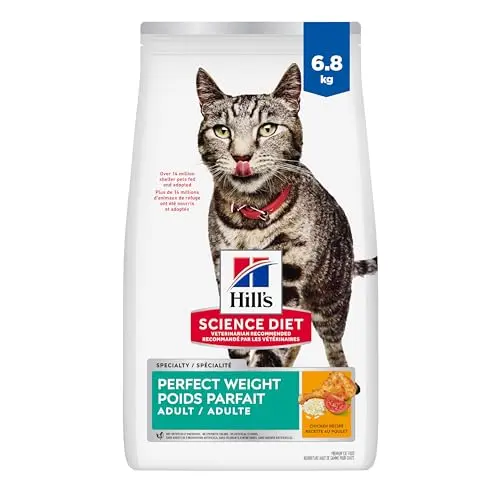
Perfect Weight – Effective Weight Management for Cats
A weight-control dry cat food that delivers visible results within 10 weeks, using a breakthrough formula to support a healthy metabolism. Made with natural ingredients and trusted by Canadian vets, it’s a smart pick for cats that need to shed a few pounds without sacrificing flavour.
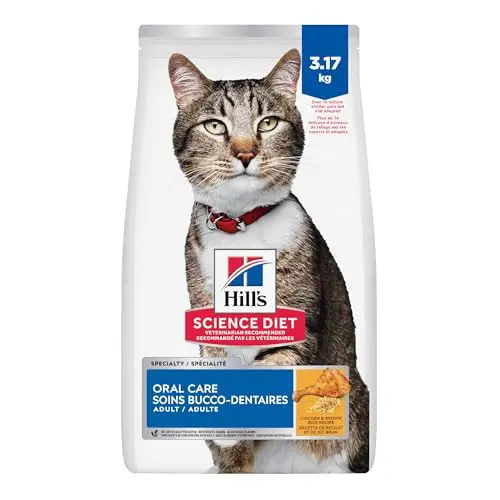
Oral Care – Clinically Proven Plaque Reduction for Cats
A dry cat food with a unique fibre matrix that mechanically cleans teeth, reducing plaque and tartar while freshening breath. Perfect for adult cats prone to dental issues, it combines natural ingredients with effective oral care.
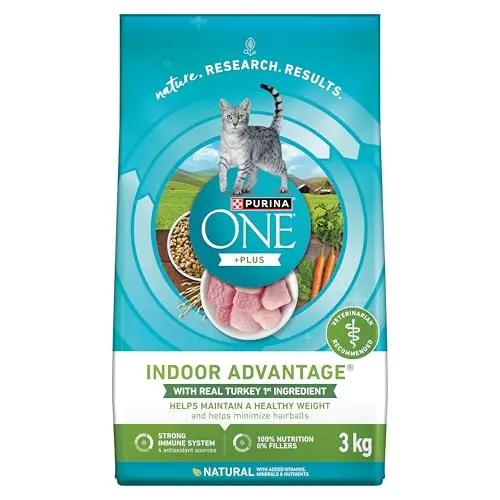
Indoor Advantage – Affordable Hairball Control for Cats
A budget-friendly dry food designed for indoor cats, with real turkey as the first ingredient. It supports weight maintenance, minimises hairballs with a natural fibre blend, and provides antioxidant-rich immune support – all at a price that won’t break the bank.
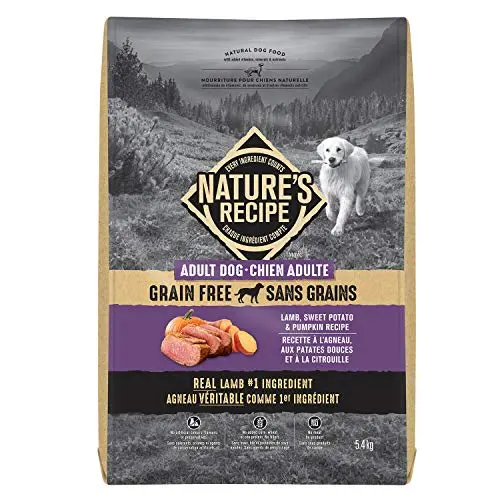
Lamb, Sweet Potato & Pumpkin – Grain-Free Digestive Support for Dogs
A grain-free dry dog food featuring lamb as the primary protein, along with sweet potato and pumpkin for digestive health. It’s rich in omega fatty acids for skin and coat, plus antioxidants and taurine for overall wellness, making it a solid choice for dogs with sensitivities.
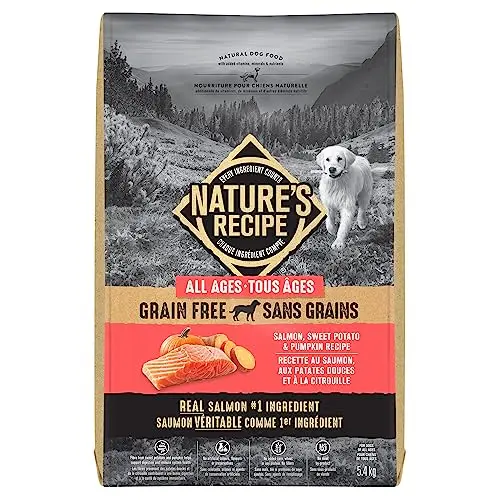
Salmon, Sweet Potato & Pumpkin – High-Protein Grain-Free Dog Food
A grain-free, high-protein dry dog food with real salmon as the #1 ingredient. It skips artificial colours, flavours, and preservatives, focusing on clean nutrition for dogs of all life stages. The salmon and pumpkin recipe supports skin, coat, and digestion.
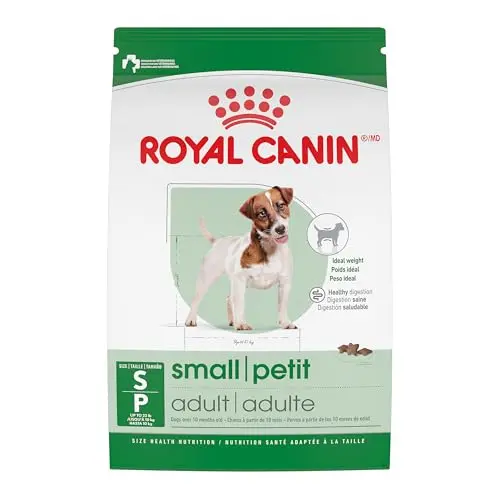
Small Breed Adult – Precise Nutrition for Tiny Dogs
A dry dog food meticulously formulated for small-breed adults, with a kibble design adapted for miniature jaws. It supports weight maintenance with L-carnitine and promotes skin and coat health with EPA and DHA, making it a top choice for picky small dogs.
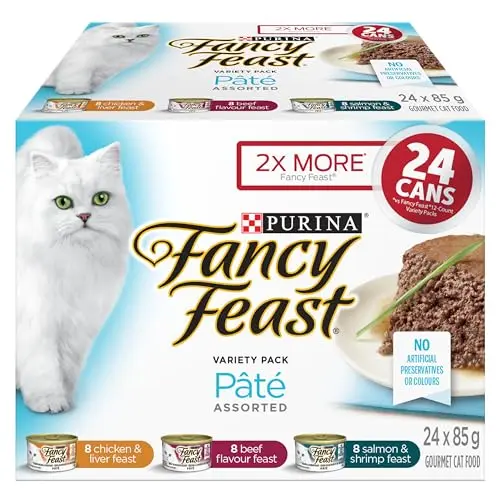
Pâté Assorted Variety – Budget-Friendly Wet Cat Food
A 24-can variety pack of classic pâté-style wet cat food in three flavours. Grain-free and complete, it offers essential vitamins and minerals at an accessible price, making it a staple for cats who love a smooth texture.
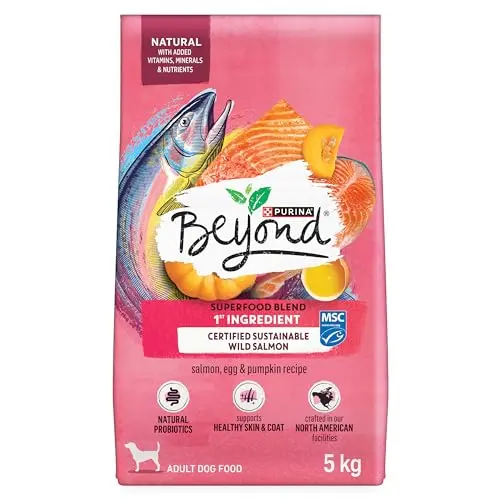
Superfood Blend – Sustainable Salmon for Dogs
A dry dog food centred on MSC-certified sustainable wild-caught salmon, with added probiotics for digestion and antioxidants for immunity. Its limited ingredient panel and pumpkin inclusion make it a gentle, eco-conscious choice.
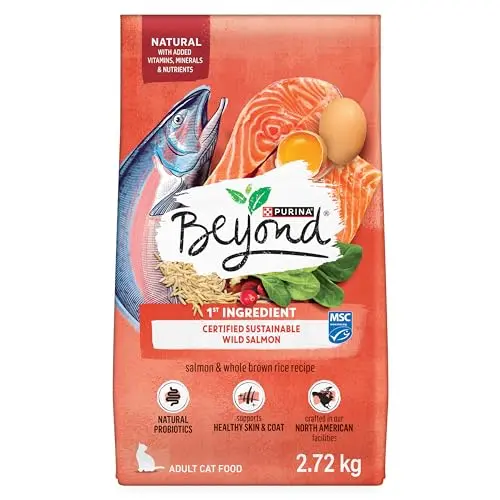
Simply Salmon – Limited Ingredient Dry Cat Food
A limited ingredient dry cat food featuring wild-caught salmon as the star protein, with whole brown rice for gentle digestion. It excludes corn, wheat, soy, and artificial additives, appealing to owners who want fewer fillers.
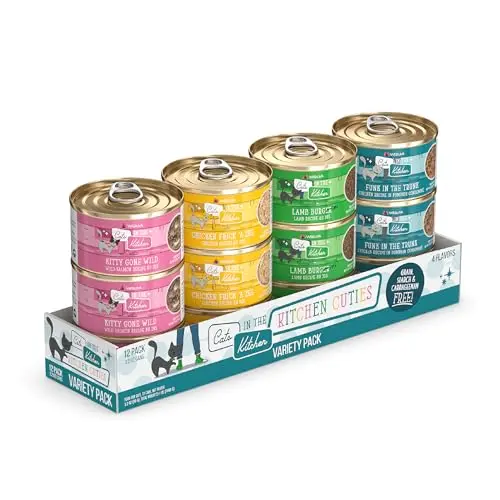
Cats in the Kitchen Variety – Premium Grain-Free Wet Food
A premium wet cat food variety pack with recipes like wild salmon, cage-free chicken, and lamb in a light au jus. It’s grain-free, carrageenan-free, and produced in human food facilities, catering to owners seeking high-quality, minimally processed meals.
How We Evaluated These Dog and Cat Foods
We didn’t run controlled feeding trials or lab nutrient analyses. What we did: cross-referenced 10 dry and wet foods from 7 distinct brands across 6 key decision axes – ingredient quality, targeted health benefits, species and life-stage appropriateness, form (dry vs. wet), digestibility, and overall value. We triangulated published ingredient panels, nutritional profiles, and aggregated owner feedback where available to pressure-test how each product performs in real homes.
The scoring framework weighted real-world nutritional fit (60%) – how well a formula addresses common pet health concerns like weight, dental, or allergies – against feature differentiation (40%) – unique recipe attributes such as grain-free status, sustainability certifications, or specialised kibble design. We have no commercial relationship with any of the brands we cover; recommendations track fit and differentiation, not brand preference. If your cat needs to lose a few pounds, the Hill’s Science Diet Perfect Weight is the pick. For small dogs with picky palates, Royal Canin Small Breed Adult serves them best.
How to Choose the Right Dog and Cat Food
Dry vs. Wet Food: What Makes Sense for Your Pet?
The biggest initial decision is whether to feed dry kibble, wet canned food, or a combination. Dry food is convenient, shelf-stable, and helps with dental health through mechanical chewing, while wet food provides higher moisture content – a real plus for cats prone to urinary issues or dogs that don’t drink enough. Many owners mix both for variety and hydration. Consider your pet’s chewing ability and any dental problems: the abrasive texture of kibble can reduce plaque, making dental-specific options like the Hill’s Oral Care a smart double-duty pick. Wet foods like Weruva or Fancy Feast work well as toppers or full meals for picky eaters.
Decoding Ingredient Lists: What to Seek and Skip
Scan the first few ingredients – a named protein (chicken, salmon, lamb) should appear high up. Avoid vague terms like ‘meat meal” when possible, though some by-products can be nutrient-dense. Look for natural preservatives (vitamin E, rosemary extract) rather than artificial ones. If your pet has sensitivities, grain-free formulas like Nature’s Recipe or Beyond swap corn, wheat, and soy for sweet potato, pumpkin, or legumes, which are often easier to digest. Probiotic inclusions are a bonus for gut health, as seen in Beyond’s Superfood Blend. Remember that ‘natural” doesn’t automatically equal optimal – the overall balance of protein, fat, and fibre matters more.
Special Dietary Needs: Weight, Dental, and Allergies
If your pet has a specific health concern, targeted formulas can make a measurable difference. Weight management foods like Hill’s Perfect Weight use metabolic support and lower calorie density for safe reduction. Dental diets with specially designed fibre matrices (Hill’s Oral Care) really do scrub teeth and reduce tartar – a practical alternative to brushing. For allergies or sensitive stomachs, limited ingredient diets (like Nature’s Recipe lamb or Beyond salmon) minimise potential triggers. Always transition to a new food over 7-10 days to avoid digestive upset.
Brand Philosophy and Sourcing: Does It Matter?
Many owners care about where and how ingredients are sourced. Brands like Beyond emphasise traceable, sustainable sources (MSC-certified salmon), while Weruva goes the extra mile with human-grade manufacturing facilities. Royal Canin and Hill’s invest heavily in veterinary research and breed-specific nutrition. Purina ONE and Fancy Feast offer reliable, budget-friendly options with consistent quality control. Your choice may hinge on whether you prioritise clinical backing, ingredient purity, or cost-effectiveness – and the good news is that there’s a worthy pick in each camp.
Navigating Dog vs. Cat Nutrition
Maybe you’re shopping for both species at once. Remember that cats are obligate carnivores needing higher protein and certain amino acids (like taurine) that must come from animal tissue. Dogs are more flexible but still thrive on meat-rich diets. Never feed cat food exclusively to a dog – the higher protein and fat can cause pancreatitis. Conversely, dog food lacks critical nutrients for cats. Our picks keep these differences front and centre: cat formulas like Hill’s Perfect Weight and Purina ONE are finely tuned for feline metabolism, while dog options like Royal Canin and Nature’s Recipe address canine-specific joint, skin, and breed needs.
Frequently Asked Questions
What's the difference between Hill's Perfect Weight and Hill's Oral Care?
Both are dry cat foods from Hill’s Science Diet, but they target distinct health goals. Perfect Weight is formulated for safe, effective weight loss with a blend that supports metabolism and lean muscle – ideal for overweight or less active cats. Oral Care uses a patented fibre matrix to mechanically clean teeth, reducing plaque and tartar with every bite. If your cat’s waistline is fine but breath could be fresher, go Oral Care; if weight is the concern, Perfect Weight is the better pick. Both use natural ingredients and are vet-trusted.
Is Royal Canin Small Breed worth the price compared to regular dog food?
For small dogs, the investment often pays off. The kibble size and shape are specifically designed for tiny jaws, which can reduce choking and encourage slower eating. The formula also includes L-carnitine to help maintain a healthy weight – a common issue in petite breeds – and EPA/DHA for skin and coat health. While a less expensive all-breed food may be fine, picky small dogs often accept Royal Canin more readily, and the precise nutrient balance supports higher metabolisms. If you’ve struggled to find a food your toy poodle or Chihuahua will actually eat, this is likely the solution.
Are grain-free dog foods safer or better?
Grain-free isn’t inherently safer – it’s mainly beneficial for dogs with grain sensitivities or allergies. Recipes like Nature’s Recipe Grain-Free use sweet potato and pumpkin as carbohydrate sources, which can be easier to digest for some dogs. However, recent research has flagged a potential link between grain-free diets high in legumes and dilated cardiomyopathy (DCM), so always discuss with your vet. If your dog has no grain issues, a high-quality food with wholesome grains (like brown rice) can be perfectly nutritious. The key is to match the diet to your dog’s individual health, not follow trends blindly.
Can I mix wet and dry food for my cat?
Absolutely – many owners do this to combine the dental benefits of dry kibble with the hydration boost of wet food. It also adds variety and can tempt finicky eaters. When mixing, adjust portion sizes to avoid overfeeding, as wet food is less calorie-dense per gram. A common approach is a meal of dry food in the morning (like Purina ONE Indoor Advantage) and a serving of wet in the evening (such as Fancy Feast Pâté). Just ensure both are complete and balanced for cats; all our picks meet that standard.
Final Verdict
For most cats struggling with weight, the Hill’s Science Diet Perfect Weight is the clear winner – it delivers clinically backed weight loss without compromising on quality. If dental health is your cat’s bigger concern, Hill’s Oral Care tackles plaque in a way that actually works. For budget-conscious indoor cat owners, Purina ONE Indoor Advantage is an affordable, well-rounded pick. And when it comes to small dogs, Royal Canin Small Breed Adult remains the gold standard – tiny kibble, big nutrition. No matter your pet’s needs, there’s a standout option in this lineup.