
Every dog owner faces the same daily question: what’s going into the bowl tonight? It’s more than a morning ritual – the food you choose shapes your dog’s energy, coat, digestion, and long-term health. Yet the aisle is packed with bags promising everything from shiny coats to perfect poops. Finding a formula that actually delivers across breeds, without breaking the bank or upsetting a sensitive stomach, feels harder than it should.
That’s why we cross-referenced ten leading dry and wet formulas from six major brands – including Hill’s Science Diet, Blue Buffalo, Nature’s Recipe, and Zoe – to cut through the noise. Whether you’re feeding a Lab with a cast-iron gut, a small mutt who turns up her nose at big kibble, or a senior who needs joint support, this guide maps out which food will work hardest for your dog and which might just be clever marketing. We’ve ranked them on real-world factors like digestibility, skin benefits, and ingredient quality, so you can stop worrying and go back to the best part: that tail wag at dinner time.
Best Dog Food for All Breeds – 2026 Reviews
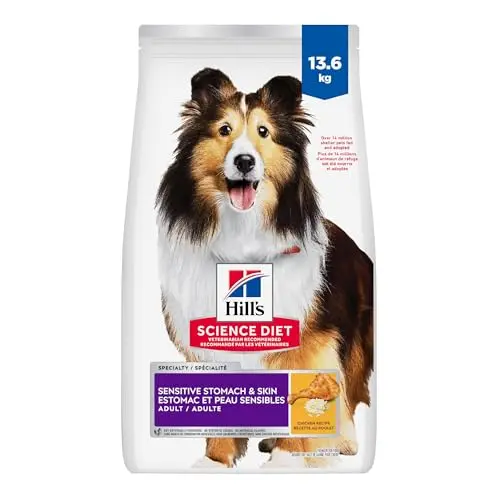
Sensitive Stomach & Skin Chicken Recipe – Gentle Digestion & Healthy Coat
A vet‑recommended dry formula that soothes sensitive systems while delivering visible coat improvements. Prebiotic fibre and Omega‑6 work together, and the 13.6 kg bag lasts a long time for multi‑dog homes.
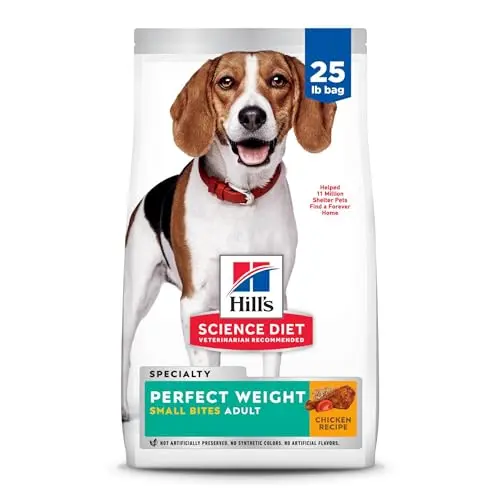
Perfect Weight Small Bites Chicken Recipe – Weight Management Support
Clinically proven to help dogs shed extra kilos in just 10 weeks, this small‑bite kibble packs coconut oil and L‑carnitine for muscle‑retaining weight loss. Ideal for small to medium breeds needing a trim waistline.
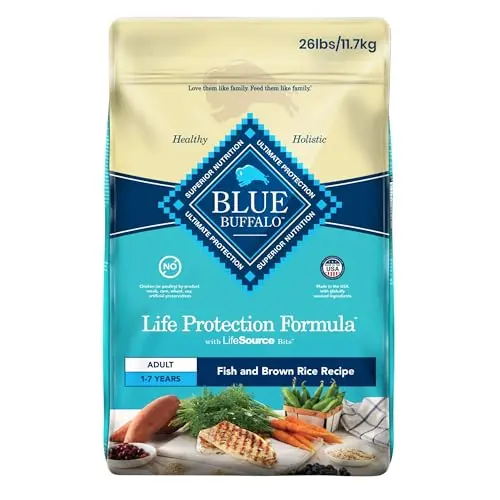
Life Protection Fish & Brown Rice – Balanced Nutrition & Immune Support
A well‑rounded recipe with deboned whitefish as the top ingredient, this grain‑inclusive formula packs LifeSource Bits for immune health. Great for owners who want a trusted brand without going grain‑free.
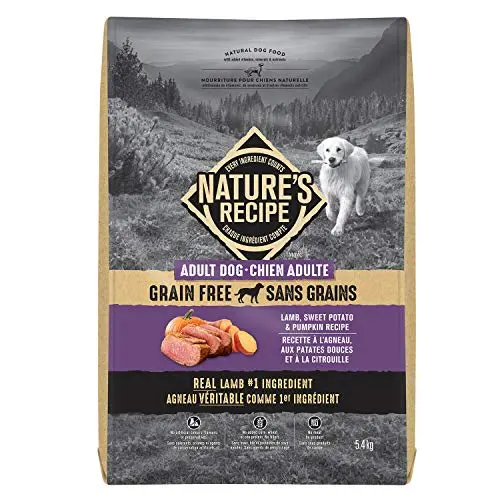
Grain Free Lamb, Sweet Potato & Pumpkin – Digestive Health Support
Limited‑ingredient grain‑free kibble with lamb as the first protein and fibre from sweet potato and pumpkin. A smart choice for dogs with grain sensitivities or allergies.
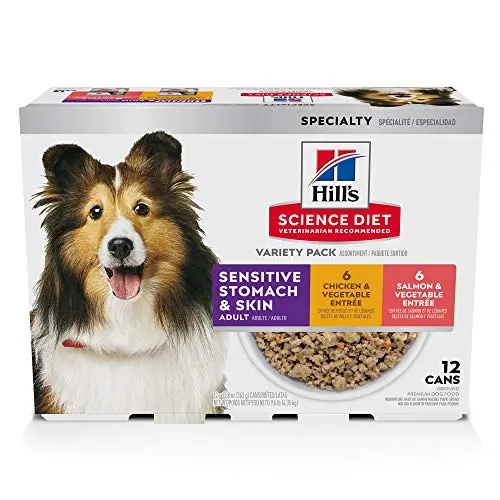
Sensitive Stomach & Skin Canned Variety – Digestive & Skin Health
A wet food option that mirrors the benefits of the dry Sensitive Stomach line, with two flavours in one pack. Perfect for older dogs or those who need extra hydration.
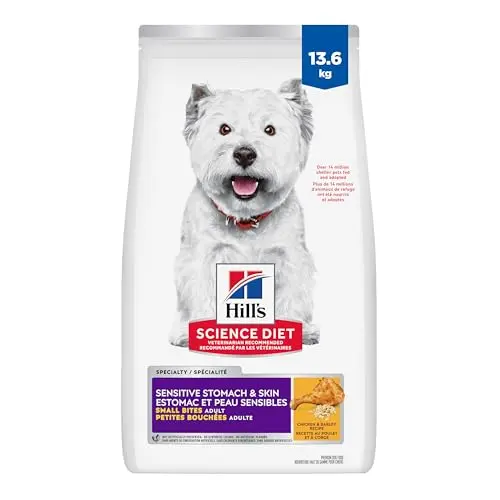
Sensitive Stomach & Skin Small Bites – Gentle Nutrition for Small Dogs
The same stomach‑soothing recipe as our top pick, but in a smaller kibble size. Ideal for toy and small breeds who need digestive care without choking on big chunks.

Grain Free Beef Peas & Pumpkin – All Breed & Life Stage Support
Canadian‑made grain‑free kibble with fresh beef and superfoods like quinoa, chia, and flax. Formulated to meet AAFCO standards for all life stages, so you can feed it to puppies, adults, and seniors alike.
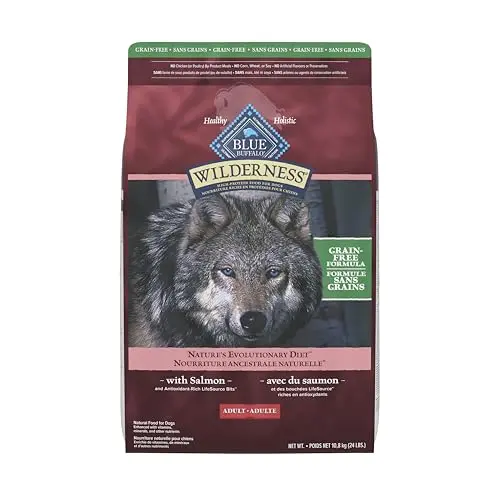
Wilderness Salmon High Protein Grain Free – Lean Muscle & Skin Care
A protein‑packed grain‑free option with real salmon and 34% protein for active dogs. LifeSource Bits add antioxidants for immune support.
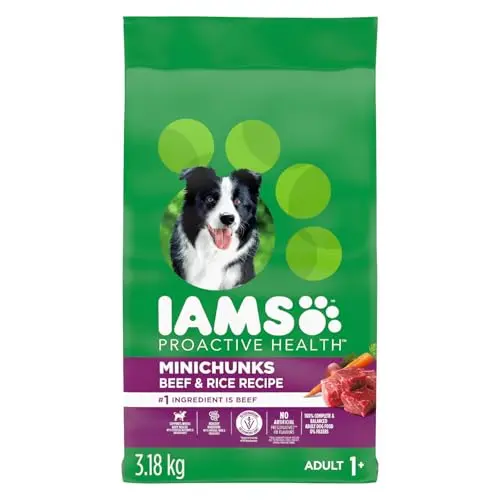
Proactive Health Minichunks Beef & Rice – Complete Everyday Nutrition
An affordable, no‑nonsense kibble with beef and rice that delivers complete nutrition. The crunchy minichunks help reduce plaque, and the fibre‑prebiotic blend supports digestion.
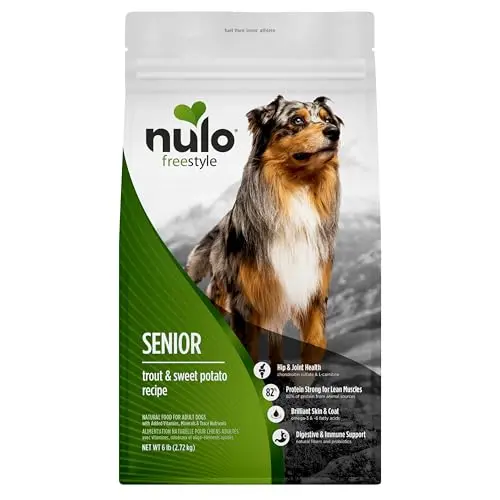
Freestyle Senior Trout & Sweet Potato – Joint & Digestive Support for Seniors
Grain‑free senior kibble with 80% animal‑based protein, patented BC30 probiotic, and glucosamine for aging joints. A strong pick for older dogs of any breed.
How We Evaluated These Dog Foods for All Breeds
We didn’t run laboratory nutritional panels or long‑term feeding trials. What we did: cross‑referenced 10 dry and wet formulas from 6 distinct brands across six critical dimensions – protein source and quality, carbohydrate type (grain‑free vs. grain‑inclusive), digestive health support, skin and coat benefits, life‑stage suitability, and owner‑reported palatability. We triangulated published ingredient lists, guaranteed analyses, and aggregated owner feedback where available to understand real‑world performance.
The scoring framework weighted functional performance (60%) – how well each food delivered on its digestive, skin, and vitality promises – against feature differentiation (40%) – unique advantages like clinically proven weight loss, all‑life‑stage formulas, or patented probiotics. We have no commercial relationship with any of these brands; our picks track fit and outcome, not brand loyalty. If you’re tired of cleaning up loose stools, the Hill’s Science Diet Sensitive Stomach & Skin is your first stop; if your senior is slowing down, the Nulo Freestyle Senior deserves a look.
How to Choose the Right Dog Food for All Breeds
Dry vs. Wet Dog Food: Which Should You Pick?
Dry kibble is convenient, shelf‑stable, and often easier on the budget. It also helps scrape plaque off teeth – a small dental bonus. Wet food shines when your dog needs extra hydration (common in seniors or dogs with kidney issues), has dental problems, or is a picky eater. The higher moisture content can also make it feel more filling, which helps with weight management.
Many owners feed a mix: dry for main meals, wet as a topper or treat. The Hill’s Science Diet Canned Variety is a great wet option for sensitive stomachs, while the Hill’s Sensitive Stomach & Skin Dry anchors the bowl. There’s no one right answer – it’s about what your dog will eat and what keeps them regular.
Key Nutrients to Look for in Any Breed
Protein should lead the show – look for real meat, fish, or poultry as the first ingredient. It supports muscle, skin, and immune function. Omega‑3 and omega‑6 fatty acids (from fish oil, flaxseed, or chia) keep coats shiny and skin healthy. Fibre from ingredients like beet pulp, pumpkin, or sweet potato promotes firm stools and good gut health. And antioxidants – from fruits, veggies, or added vitamins – help combat daily wear and tear.
Don’t get hung up on protein percentage unless your dog is highly active; most adult dogs thrive on 18-25% protein. Instead, focus on where the protein comes from and whether your dog digests it well. If you’re seeing consistent tummy troubles or a dull coat, you’re probably missing one of these nutrients.
Grain‑Free vs. Grain‑Inclusive: What the Data Actually Says
Grain‑free diets have been hugely popular, but they’re not automatically healthier. Unless your dog has a diagnosed grain allergy (rare), grains like brown rice, barley, and oats are excellent sources of fibre and energy. Some grain‑free foods substitute legumes and potatoes, which can be harder for some dogs to digest and have been linked to heart concerns in certain breeds.
Our advice: choose grain‑free only if your vet recommends it, your dog shows clear sensitivity symptoms, or you trust a specific limited‑ingredient recipe. Otherwise, a grain‑inclusive formula like the Blue Buffalo Life Protection offers a balanced, well‑researched option that won’t leave you second‑guessing.
How to Switch Foods Without Upsetting Your Dog's Stomach
A sudden swap can trigger diarrhoea, vomiting, and refusal to eat – even with the best food. Plan on a 7-10 day transition. Start with 75% old food and 25% new for a couple of days, then go 50/50, then 75/25 new/old. If stools get soft, slow down. This is especially important when moving to a higher‑fibre formula like Nature’s Recipe Grain Free Lamb – its added pumpkin and sweet potato are fantastic but can surprise a gut that’s used to minimal fibre.
What About Life Stages? Feeding Puppies, Adults, and Seniors
Puppies need more calories, protein, and specific minerals (like DHA) for brain development, so an all‑stage food is fine as long as it meets AAFCO growth standards. Adults just need maintenance nutrition. Seniors often benefit from fewer calories, added glucosamine, and more easily digestible protein. An all‑life‑stage food like Zoe Grain Free covers all bases, but if you have a senior with joint pain, a targeted formula like Nulo Freestyle Senior adds chondroitin and glucosamine that standard foods don’t.
Ultimately, watch your dog. If their ribs are becoming a handful to feel, cut back. If they’re sleeping more than usual, a senior blend might give them back some pep. No bag can replace your own eyes.
Frequently Asked Questions
What's the difference between Hill's Science Diet and Nature's Recipe?
Both are well‑regarded, but they serve slightly different needs. Hill’s Science Diet leans heavily on veterinary research and contains precision nutrients like prebiotic fibre, with many formulas targeting specific issues (weight, digestion). Nature’s Recipe uses a more limited‑ingredient, grain‑free approach with whole foods like sweet potato and pumpkin. If your dog has a diagnosed sensitive stomach and you want a vet‑backed solution, Hill’s is the stronger pick. If you’re avoiding grains and want a simpler ingredient panel, Nature’s Recipe fits.
How does Blue Buffalo compare to Hill's for all‑breed feeding?
Blue Buffalo highlights real meat first and includes its LifeSource Bits – a cold‑formed antioxidant blend. It offers both grain‑free (Wilderness) and grain‑inclusive (Life Protection) lines. Hill’s uses more clinical precision and is the top‑recommended brand by Canadian vets. For a general, no‑fuss daily food, Blue Buffalo Life Protection is a solid choice. For specific health concerns (sensitive stomach, weight), Hill’s has a deeper bench. Both can work for most breeds, but Hill’s tends to have more loyal followers when health issues are involved.
Is grain‑free dog food better for all breeds?
Not necessarily. Grain‑free diets can benefit dogs with confirmed grain allergies (uncommon) or certain digestive sensitivities. But for most dogs, grains like rice and barley are healthy, digestible energy sources. Some grain‑free foods use legumes, which may be linked to heart issues in predisposed breeds. Unless your vet advises it, don’t assume grain‑free is superior. A grain‑inclusive option like Blue Buffalo Life Protection is a safe, tested choice for the average dog.
Can I feed the same food to a puppy, adult, and senior dog?
Only if the food is labelled “for all life stages” and meets AAFCO growth and reproduction standards – like the Zoe Grain Free. Puppies need more energy and nutrients; seniors often need fewer calories and added joint support. While an all‑life‑stage food is convenient, it won’t offer the targeted support that a puppy or senior formula does. If you have a mixed‑age household, it can work, but monitor each dog’s body condition closely and supplement as needed.
Is wet or dry food healthier?
Neither is inherently “healthier” – it’s about the formulation, not the form. Dry kibble is more convenient, often less expensive, and offers some dental cleaning. Wet food adds moisture, which can be critical for dogs with urinary or kidney issues, and it’s easier to chew. Many high‑quality brands offer both. For example, the Hill’s Science Diet Canned Variety mirrors the dry formula’s benefits. If your dog is prone to dehydration or you want to increase palatability, mixing in a spoonful of wet food is a great strategy.
Final Verdict
For the vast majority of dogs – regardless of breed – the Hill’s Science Diet Sensitive Stomach & Skin is the smartest place to start. It tackles the two most common complaints (digestion and coat) with a vet‑recommended formula that actually works, and the 13.6 kg bag offers solid value for the long haul. If your dog is carrying extra weight, upgrade to the Hill’s Perfect Weight Small Bites – it’s clinically proven and genuinely delivers results. On a tighter budget? The IAMS Proactive Health Minichunks is a dependable, no‑nonsense daily driver that won’t stress your wallet. And if you’re feeding a multi‑generation household, the Zoe Grain Free is the most flexible all‑life‑stage formula we found. Whichever you pick, you’ll be serving up more than just dinner – you’ll be giving your dog a foundation for better days.