
Watching your dog scratch constantly or deal with an upset stomach is tough-it’s frustrating and heartbreaking. When food allergies or sensitivities strike, finding the right formula becomes a top priority. A high-quality diet can soothe irritated skin, calm digestive flare-ups, and get your best friend back to feeling their best.
Not all allergy-friendly foods take the same approach. Some lean on novel proteins like salmon or lamb to dodge common triggers, while others pack prebiotic fibres and omega fatty acids to support gut and skin health from the inside out. We’ve broken down the market’s top options to help you pick a recipe that works for your dog, not against them.
Best Dog Foods for Allergy Prone Dogs – 2026 Reviews
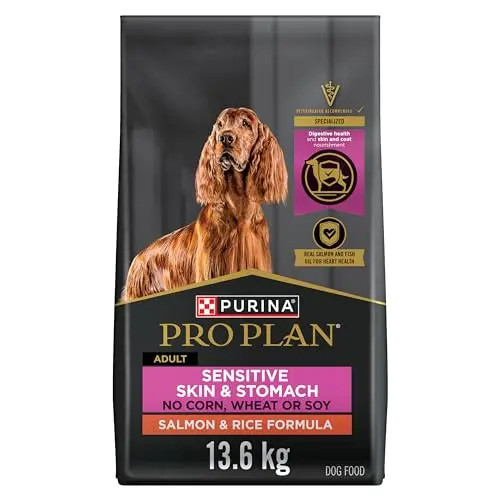
Sensitive Skin & Stomach Salmon & Rice – Allergy-Friendly Protein
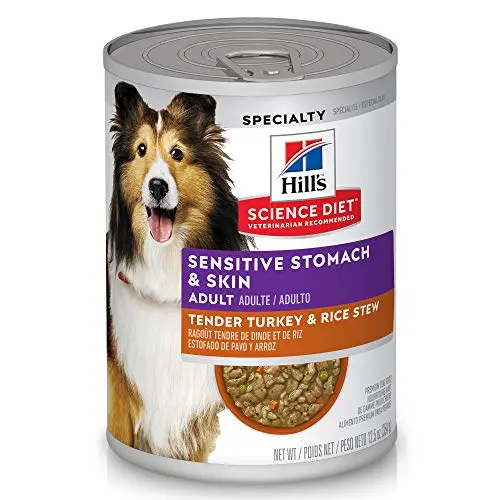
Sensitive Stomach & Skin Turkey & Rice Stew – Gentle Wet Meal
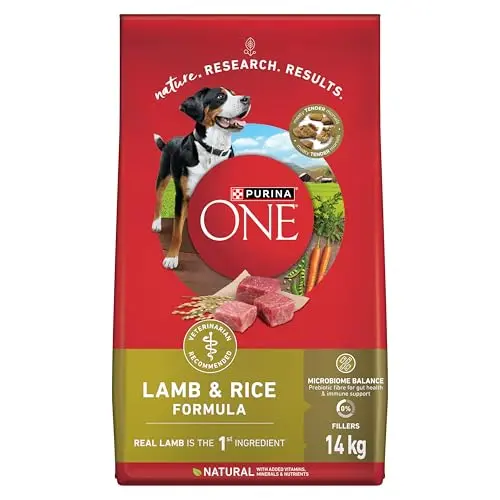
Microbiome Balance Lamb & Rice – Gut Health Support
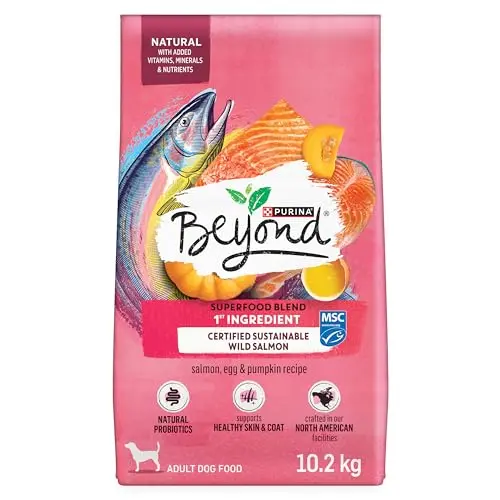
Superfood Blend Salmon, Egg & Pumpkin – Limited Ingredient Diet
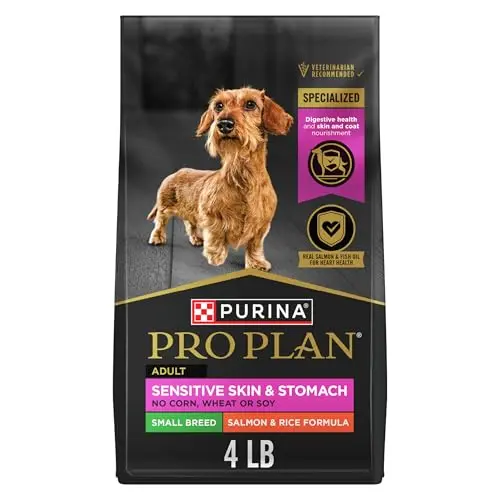
Small Breed Salmon & Rice – Tailored for Tiny Tummies
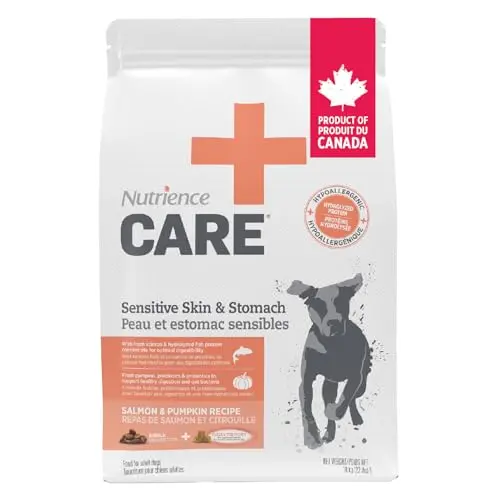
Sensitive Skin & Stomach Salmon – Canadian-Made Hypoallergenic
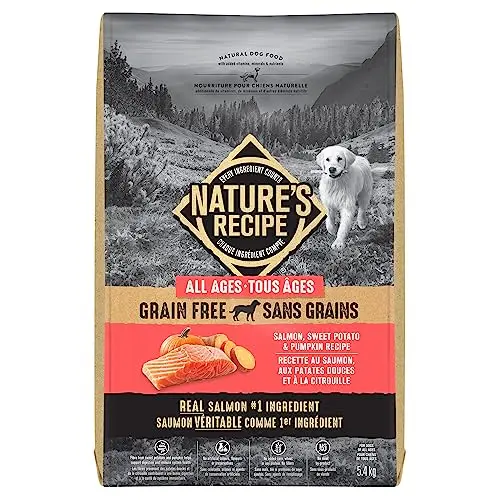
Grain Free Salmon, Sweet Potato & Pumpkin – Omega-Rich
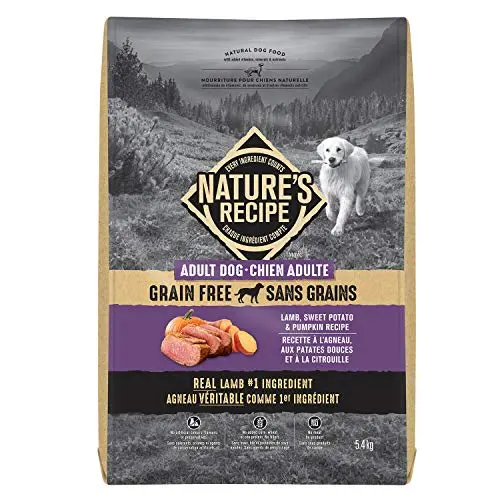
Grain Free Lamb, Sweet Potato & Pumpkin – Alternative Protein
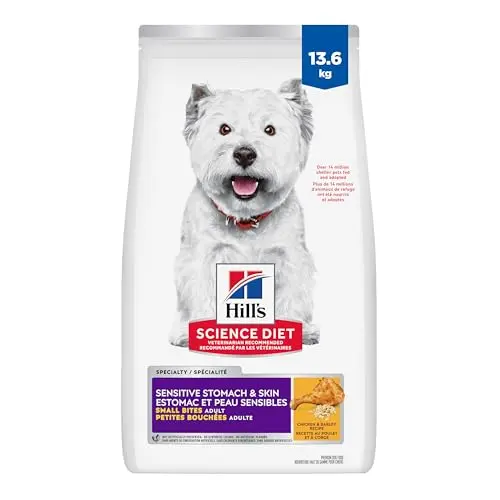
Sensitive Stomach & Skin Small Bites Chicken – Prebiotic Fibre
How We Evaluated These Dog Foods for Allergy Prone Dogs
We didn’t run veterinary supervised elimination diet trials or months‑long allergy tracking. Instead, we cross‑referenced 9 dog food formulas from 6 distinct brands across 7 key decision axes – protein source, grain inclusion, digestive support additives, omega fatty acid profile, exclusion of common allergens, owner‑reported allergy relief, and palatability. We weighed published ingredient lists, nutritional adequacy statements, and aggregated owner feedback where available against the needs of dogs with food‑triggered itching, ear infections, or GI upset.
The scoring framework weighted real‑world allergy management (60%) – how consistently each food reduced skin irritation, ear issues, or digestive flare‑ups in everyday dogs – against ingredient differentiation (40%) – unique protein sources, novel prebiotic blends, or grain‑free formulations that could benefit specific allergy profiles. We have no commercial relationship with any of the brands featured; recommendations track fit and results, not brand loyalty. If you’re looking for a one‑food‑fix for skin and stomach, the Pro Plan Sensitive Skin & Stomach Salmon & Rice is your pick; if budget is tight, the Purina ONE Microbiome Balance Lamb & Rice delivers excellent value without gut‑health compromise.
How to Choose the Right Dog Food for Allergy Prone Dogs
Understanding Dog Food Allergies and Sensitivities
Food allergies in dogs usually show up as skin irritation (itching, redness, recurring ear infections) or digestive upset (loose stool, vomiting, gas). True allergies involve an immune response to a protein, while sensitivities or intolerances are more subtle and often dose‑dependent. Either way, the fix starts with identifying a recipe that avoids the trigger while still delivering complete nutrition.
The most common culprits are beef, chicken, dairy, and wheat. But every dog is different-some react to fish or even certain grains. That’s why allergy‑friendly foods often highlight a single, novel protein source and a short ingredient list, making it easier to pinpoint what your dog can handle.
Key Ingredients to Look for in Allergy‑Friendly Dog Foods
When you’re scanning labels, you’ll want named meat or fish as the first ingredient. Look for terms like ‘salmon,” ‘lamb,” or ‘venison”-not generic ‘meat meal.” Healthy fats matter too: omega‑3 fatty acids from fish oil combat inflammation, while omega‑6 from sunflower or coconut oil maintain skin barrier health. Prebiotic fibres like beet pulp, chicory root, or pumpkin nourish gut bacteria, which in turn helps calm systemic allergic reactions.
Antioxidants (vitamins E and C, selenium) are a bonus-they support the immune system when it’s overreacting. And if your dog has multiple sensitivities, a food labeled ‘limited ingredient” reduces the number of potential triggers in each bowl.
How Protein Sources Affect Your Dog's Allergies
Dogs with food allergies typically react to a specific protein they’ve been overfed. Switching to a novel protein-one your dog hasn’t eaten before-can give the immune system a chance to reset. Salmon, duck, lamb, and rabbit are common novel choices. Even when two brands share the same protein (say, salmon), the quality and source matter: wild‑caught salmon provides a different amino acid profile than farmed, and some dogs tolerate one better than the other.
If you’re trying to identify a trigger, stick with a single‑protein formula for eight to twelve weeks and avoid treats or table scraps that could skew the results. Our top pick, the Pro Plan Sensitive Skin & Stomach Salmon & Rice, is a great starting point because it uses salmon as the sole animal protein and is widely tolerated.
Grain‑Free vs. Grain‑Inclusive: Which Is Better for Allergic Dogs?
Grains themselves are rarely the allergen-proteins are. However, many allergy‑prone dogs do better on a grain‑free formula because grains can be harder to digest or may be contaminated with storage mites that trigger a separate allergic response. Grain‑free recipes replace wheat, corn, or rice with sweet potato, chickpeas, or legumes, which can be easier on the stomach and offer slower‑burning energy.
That said, some dogs thrive on a grain‑inclusive food with gentle grains like oatmeal or brown rice. The choice often comes down to your dog’s individual digestion. If they get gassy or have loose stool on a grain‑heavy diet, a grain‑free option like the Nutrience Care Sensitive Skin & Stomach Salmon is worth trying. If they do fine on grains, the added fibre and lower cost of an inclusive kibble can keep everyone happy.
Wet vs. Dry: Which Format Suits Your Dog's Sensitivities?
Dry kibble is convenient and often more cost‑effective, but wet food can be a game‑changer for allergy‑prone dogs who are also picky eaters, seniors, or struggling with dental pain. Wet food’s higher moisture content helps with hydration-crucial for dogs on medication or with diarrhoea-and the softer texture is easier to inhale without chewing.
However, wet meals spoil faster and are heavier to ship. If you’re leaning toward a fully wet diet, the Hill’s Science Diet Turkey & Rice Stew is a standout-it’s highly digestible and most dogs devour it. For many owners, a hybrid approach works: dry as the base, wet as a topper or treat, swapping brands as needed to avoid building a new sensitivity.
More Than Just Kibble: Supplements and Add‑Ons for Allergy Relief
Even the best allergy‑friendly food might need a boost. Fish oil supplements can up the omega‑3 dose beyond what kibble provides, and probiotic powders reinforce the gut‑skin connection. If your dog’s allergy symptoms are seasonal (pollen gets in through the gut), a probiotic designed for dogs can complement the prebiotics already in their food.
Beware of supplement overload, though. Stick to one new addition at a time and watch for reactions. And remember-no supplement replaces a well‑formulated base diet. Start with the food itself, then fine‑tune.
Pro Plan vs. Hill's for Sensitive Skin: Which Should You Pick?
When a reader asks me to choose between these two titans, my answer hinges on the primary issue. Purina Pro Plan’s Sensitive Skin & Stomach line (our top pick) is salmon‑based, soy‑free, and loaded with oatmeal-a powerful trio for dogs whose skin and stomach are equally upset. Hill’s Science Diet, meanwhile, brings a veterinary‑formulated pedigree and offers variety in both format (dry small bites, wet stew) and protein (chicken, turkey).
If your dog has reacted to chicken in the past, Pro Plan’s salmon‑only approach is safer. If your dog does fine with poultry and needs a tiny kibble, Hill’s Small Bites Chicken may be easier to eat and digest. Both are excellent-the tiebreaker is your dog’s protein tolerance and jaw size.
Frequently Asked Questions
What's the difference between Purina Pro Plan Sensitive Skin & Stomach and Nutrience Care Sensitive Skin & Stomach?
Both are salmon‑first, grain‑free formulas with added omegas, but their supporting casts differ. Pro Plan leans on oatmeal as an easily digestible carb and adds sunflower oil for omega‑6; Nutrience goes fully grain‑ and gluten‑free with pumpkin, chicory root, turmeric, and ginger in its Digestiboost blend. Nutrience is also hypoallergenic by design and uses fresh Canadian salmon, which some owners prefer for traceability. In practice, owners report similar allergy relief from both, but Pro Plan has a wider size range (including small breed) and tends to be more palatable for picky dogs. If your dog needs a strict grain‑free, limited‑ingredient bowl, Nutrience takes it; if you want a proven sensitivity formula with minimal trial‑and‑error, Pro Plan is the safer bet.
How does Hill's Science Diet Sensitive Stomach & Skin compare to Purina ONE Microbiome Balance for allergic dogs?
Hill’s offers both wet and dry options with chicken or turkey as the protein and beet pulp prebiotic fibre. Purina ONE uses lamb as its primary protein and focuses on microbiome health via prebiotic fibre. The biggest differentiator is the protein source: if your dog is sensitive to poultry, Purina ONE’s lamb may sidestep the issue. Hill’s, especially the small bites dry formula, excels for tiny dogs and those with precise dental needs. Purina ONE is often more affordable per pound, making it a solid budget option that doesn’t skip gut support. For a chicken‑tolerant dog, I’d lean Hill’s for its veterinary backing; for a lamb‑friendly dog with skin itching, the Purina ONE Microbiome Balance is a compelling choice.
Can I feed my allergy‑prone dog both wet and dry food?
Absolutely, and it’s often the ideal setup. Dry food provides the bulk of nutrients and helps maintain dental health, while a spoonful of wet food can entice a picky eater, boost hydration, and deliver extra omegas. The key is to stick to the same protein source across both foods during the initial elimination phase-mixing salmon kibble with a chicken topper could trigger a reaction you’re trying to isolate. Once you’ve identified safe ingredients, rotating between a few trusted recipes can also prevent new sensitivities from developing.
How long does it take to see improvements in my dog's allergies after switching foods?
Plan on four to eight weeks for noticeable changes. Digestive improvements (firmer stools, less gas) often appear within the first week. Skin issues take longer-you might see reduced scratching by week three, but full coat recovery and ear healing can stretch to eight weeks. During this period, eliminate all other treats, table scraps, and flavoured medications that could contain allergens. Be patient; some dogs cycle through more than one protein before you find the perfect match. The Pro Plan Sensitive Skin & Stomach Salmon & Rice is one of the fastest‑acting formulas based on owner reports.
Final Verdict
For most allergy‑prone dogs, the Purina Pro Plan Sensitive Skin & Stomach Salmon & Rice is the clear winner. It nails the skin‑and‑stomach balance with a clean salmon formula, prebiotic fibre, and omegas that show real results. If you’re budget‑conscious, the Purina ONE Microbiome Balance Lamb & Rice delivers excellent gut‑health support at a lower price. Small‑breed owners should grab the Pro Plan Small Breed Salmon & Rice for its tiny kibble. And if your dog struggles with dry food, the Hill’s Science Diet Turkey & Rice Stew is a soothing wet option that picky eaters love.