
If you share your home with a Boxer, you know that beneath that goofy grin and boundless energy often lies a finicky digestive system. Loose stools, gas, and occasional tummy rumbles are part of life for many Boxer owners, which means finding the right dog food isn’t just about nutrition-it’s about keeping your dog comfortable and your floors clean.
We compared the top sensitive stomach formulas from leading brands to pinpoint the options that can actually settle your Boxer’s stomach. The right pick hinges on a few key things: a highly digestible protein source, gut-soothing prebiotics or probiotics, and a smart blend of omega fatty acids for skin health that often goes hand-in-hand with digestive troubles.
Our market scan covers dry and wet options from Hill’s Science Diet, Purina Pro Plan, and Nutrience, with a focus on what works for the unique needs of Boxers. Whether you need a large-breed-specific recipe or a budget-friendly staple, here’s how to choose the one that’ll keep those tummy woes at bay.
Best Dog Food for Boxers with Sensitive Stomachs – 2026 Reviews
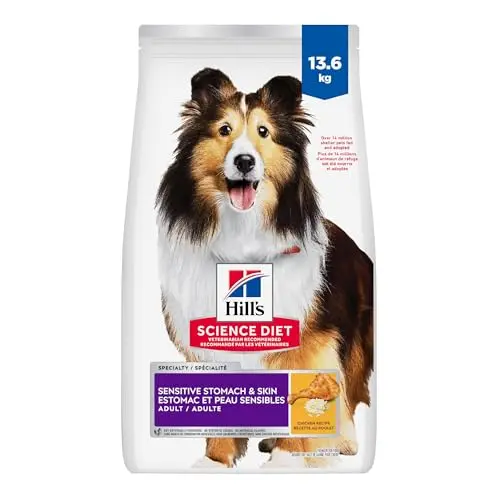
Sensitive Stomach & Skin Chicken Recipe – Vet-Trusted Digestive Care
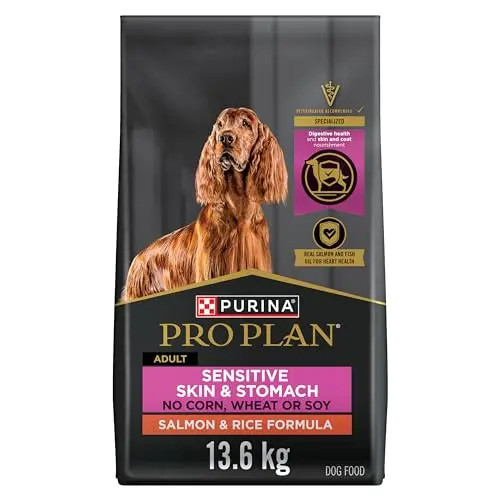
Sensitive Skin & Stomach Salmon & Rice – High-Protein with Omega-3s
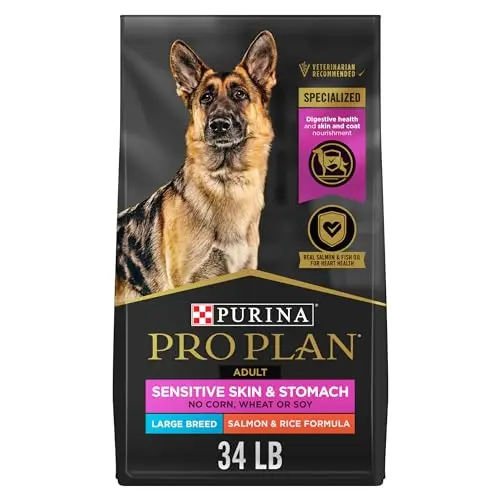
Large Breed Sensitive Skin & Stomach Salmon & Rice – Joint & Digestive Support
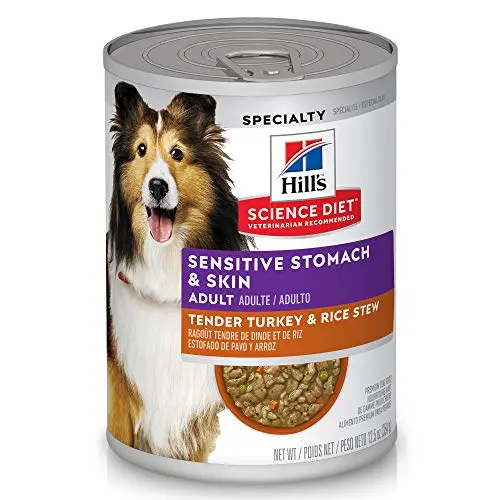
Sensitive Stomach & Skin Turkey & Rice Stew – Gentle Wet Food
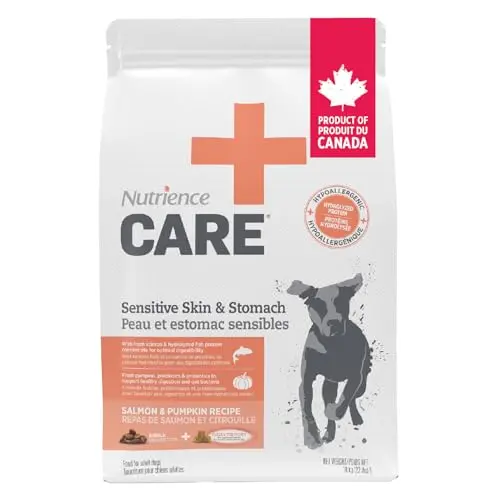
Care Sensitive Skin & Stomach Salmon – Canadian-Made Gut Health Support
How We Evaluated These Dog Foods for Boxers with Sensitive Stomachs
We didn’t run a controlled feeding trial with a pack of Boxers-that would require resources we don’t have, and frankly, not every dog’s gut reacts the same way. What we did: cross-referenced published formulations, ingredient lists, and aggregated owner feedback where available for 5 models from 3 distinct brands. We focused on the criteria that matter most for boxers with sensitive stomachs: protein source digestibility, the presence of gut-supporting prebiotics or probiotics, omega fatty acid profiles for linked skin issues, and breed-specific tweaks like kibble size or joint-support supplements.
We then weighed each food across this set of dimensions, using a two-part framework. The first looked at real-world suitability (60%)-how well the formulation matches Boxer digestive needs based on ingredient quality and reported outcomes. The second considered feature differentiation (40%): specific additives like glucosamine for joints, unique protein sources, or format advantages (wet vs dry). We have no commercial relationship with any of the brands featured here; our recommendations track fit, not brand loyalty.
If your Boxer’s stomach has been a source of frustration, the Hill’s Science Diet Sensitive Stomach & Skin Chicken Recipe is the most well-rounded dry food we found. For owners who want to specifically target joint health alongside digestion, the Pro Plan Large Breed Sensitive Skin & Stomach is purpose-built for the job.
How to Choose the Right Dog Food for Boxers with Sensitive Stomachs
Why Boxers Need Specialized Digestive Care
Boxers are a breed that often wears its stress on its stomach. Whether it’s from food sensitivities, a rapid growth phase, or just an inherited tendency toward inflammatory bowel issues, many Boxer owners find themselves on a never-ending quest for the perfect poop. A formula designed for sensitive stomachs typically includes highly digestible proteins-like chicken or salmon-that break down more completely, along with prebiotic fibres that feed healthy gut bacteria. Skipping these can mean chronic loose stools, gassiness, and a general lack of comfort that affects your dog’s entire demeanour.
Key Ingredients That Soothe Sensitive Stomachs
When scanning labels, look for a few hero ingredients. Oatmeal and rice are gentle, easily digestible carbohydrate sources that won’t tax an inflamed gut. Beet pulp or chicory root serve as prebiotics, fueling beneficial bacteria. Probiotics live in the gut and directly replenish healthy flora-Nutrience and some Hill’s formulas include these. Omega fatty acids from fish oil or sunflower oil aren’t just for a shiny coat; they reduce inflammation that can show up as skin irritation alongside stomach troubles. Avoid vague ‘animal by-products’ and stick with named proteins at the top of the list.
Dry vs Wet: Which Is Better for a Boxer's Tummy?
Dry kibble is convenient and often more cost-effective, but wet food brings higher moisture content that can aid hydration and make chewing easier for Boxers with dental wear. For some sensitive dogs, the softer texture of a stew or pâté is simply gentler on the digestive tract from the get-go. That said, a high-quality dry food with the right fibre and protein can work just as well. Many owners find success by mixing a spoonful of wet food as a topper to boost palatability without going fully wet. There’s no one-size answer; it often comes down to what your dog tolerates best.
Hill's Science Diet vs Purina Pro Plan: Comparing Two Top Picks
These two brands dominate the sensitive-stomach conversation, and for good reason. The Hill’s Science Diet Sensitive Stomach & Skin leans on chicken and beet pulp prebiotics, with a vet-trusted pedigree that gives many owners confidence. Meanwhile, Pro Plan’s Sensitive Skin & Stomach Salmon & Rice swaps in fish as the main protein, which can be a game-changer for Boxers with chicken sensitivities, and adds omega-3s for joint benefits. If your dog has done fine on chicken in the past, Hill’s is a reliable bet. If you suspect poultry might be part of the problem-or want built-in joint support-Pro Plan’s salmon recipe is the way to go.
Does Your Boxer Need a Large Breed Formula?
Boxers sit right on the cusp of large breed territory, meaning joint health is a concern as they age. While a standard all-breed food often covers the basics, a large breed formula like the Pro Plan Large Breed Sensitive Skin & Stomach throws in extras like glucosamine and EPA to support hips and elbows. If your Boxer is still growing or showing early stiffness, this type of targeted nutrition can be well worth the slight price bump. However, if joint issues aren’t on your radar and the price difference matters, a standard sensitive stomach formula fed at the right portion size will do the job just fine.
What to Avoid in Dog Food for Sensitive Stomachs
Steer clear of foods with long lists of fillers like corn, wheat, and soy-these are not only common allergens but also harder to digest. Artificial colours, flavours, and preservatives add zero nutritional value and can trigger reactions in sensitive dogs. Also be wary of any food that brags about ‘meat by-products‘ without specifying the source; you want named proteins like chicken, salmon, or turkey. Finally, avoid frequent recipe changes. Once you land on a food that works, stick with it-Boxer stomachs thrive on consistency.
Frequently Asked Questions
What's the difference between Hill's Science Diet Sensitive Stomach & Skin and Purina Pro Plan Sensitive Skin & Stomach?
Both are excellent, but they take different routes. Hill’s relies on chicken and beet pulp prebiotics for digestive support, and it’s the most vet-trusted brand in Canada. Purina Pro Plan uses salmon as the first ingredient, which is less likely to trigger chicken allergies, and includes fish oil for joint-friendly omega-3s. For a Boxer who does fine with chicken, the Hill’s formula is a safe, proven pick. If you want a seafood-based protein with extra mobility benefits, Pro Plan’s salmon recipe is the smarter choice.
Is wet food better for a Boxer's sensitive stomach than dry food?
It depends on your dog. Wet food has higher moisture, which can ease digestion and help dogs who don’t drink enough water. Its soft texture also makes it easier on an upset stomach. Dry kibble, however, is more convenient and often includes prebiotic fibres that actively support gut health. Many Boxer owners find success with dry food alone, while others use wet as a topper or a full meal when their dog needs extra care. The key is choosing a high-quality sensitive-stomach formula, whether it’s wet or dry.
Can I feed my Boxer a large breed sensitive stomach formula if he's not fully grown yet?
Yes, large breed formulas are designed for dogs over 50 lbs, which includes adult Boxers. However, for a growing puppy, you’ll want a formula specifically labelled for large breed puppies to ensure the right calcium-to-phosphorus ratio for controlled growth. The adult large breed sensitive stomach foods are best for Boxers over 12-18 months. Always check the feeding guidelines on the bag and consult your vet if you’re unsure about timing.
How quickly will I see results after switching to a sensitive stomach dog food?
Most owners notice improvements within 1-2 weeks of a complete switch. Stools often firm up, and signs of discomfort like gas or licking may subside. However, it can take up to 4-6 weeks for the full benefits-especially skin and coat improvements-to appear. Transition slowly over 7-10 days by mixing the new food with the old to avoid an initial tummy upset.
Is grain-free necessary for Boxers with sensitive stomachs?
Not usually. While some Boxers do have grain sensitivities, the majority of sensitive-stomach issues come from protein or fibre sources, not grains themselves. High-quality grains like oatmeal and rice are commonly included in sensitive-stomach formulas because they’re easily digestible. Grain-free can be beneficial if your dog has a confirmed grain allergy, but for most Boxers, a well-made recipe with digestible grains is just as effective and often more affordable.
Final Verdict
After comparing the top options, the Hill’s Science Diet Sensitive Stomach & Skin Chicken Recipe stands out as the best overall for its vet-trusted formula and proven ability to settle sensitive Boxer tummies. If you’re looking for value without skimping on quality, the Purina Pro Plan Sensitive Skin & Stomach Salmon & Rice delivers high protein and joint support at a friendlier price. For Boxers with joint concerns or those squarely in the large breed category, the Pro Plan Large Breed formula is purpose-built, and the Hill’s wet food is there when your dog needs extra hydration or a gentler texture. Whichever you pick, your Boxer’s stomach-and your carpets-will thank you.