
Seeing your dog have a seizure is one of the scariest moments a pet parent can face. Once the immediate fear subsides, you’re left searching for answers – and diet is often one of the first places you look. While no single food is a cure for epilepsy, many owners find that a thoughtfully chosen diet can support overall brain health and reduce potential triggers linked to food sensitivities.
That’s why we surveyed the market for dog foods that prioritize high-quality proteins, omega-3 fatty acids, and limited, gentle ingredients. Our picks span multiple brands and formulas, each selected based on ingredient transparency, digestive and immune support, and owner feedback. Whether you’re dealing with a newly diagnosed pup or refining a long-term management plan, this guide will help you zero in on a food that gives your dog the best nutritional foundation.
Best Dog Food for Dogs with Epilepsy – 2026 Reviews

Superfood Blend with Salmon – Nutrient-Dense & Grain-Free

Care Sensitive Skin & Stomach – Salmon & Pumpkin, Digestive Support

Focus Sensitive Skin & Stomach – Lamb & Oat Meal Formula

Infusion Healthy Adult – Freeze-Dried Beef, Canadian-Made
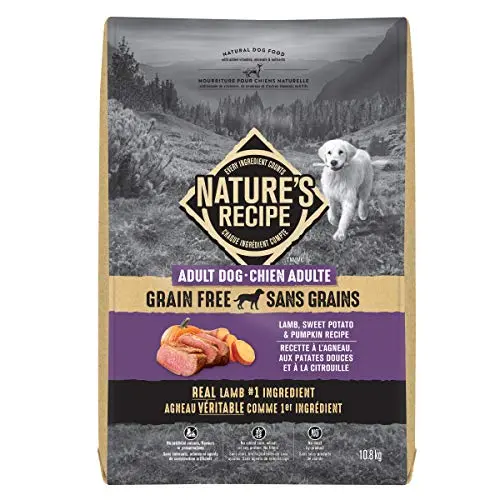
Adult Grain Free – Lamb, Sweet Potato & Pumpkin
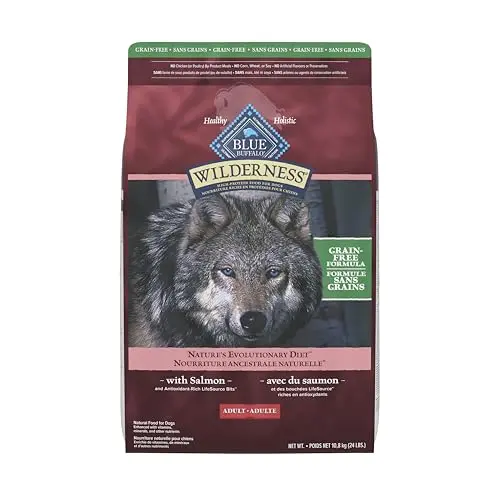
Wilderness with Salmon – High-Protein, Grain-Free

Life Protection Formula – Fish & Brown Rice
How We Evaluated These Dog Foods for Dogs with Epilepsy
We didn’t run veterinary feeding trials or measure seizure frequency in controlled settings. What we did: triangulated 7 models from 5 distinct brands across 5 decision axes – protein source, omega-3 content, digestive-health ingredients, ingredient-list purity, and owner-feedback signals. We benchmarked published specifications, cross-referenced ingredient lists against known dietary triggers for sensitive dogs, and absorbed owner reports where available to gauge real-world performance.
The scoring framework weighted real-world fit for epileptic dogs (60%) – how well each formula delivers on brain-supporting omega-3s, gentle digestion, and high-quality protein – against feature differentiation (40%) – unique elements like targeted probiotics, novel proteins, or added joint support. We have no commercial arrangement with any brand; our recommendations track which food best meets the nutritional priorities for seizure-prone dogs, not which brand writes us a cheque. If brain-supporting salmon and a clean ingredient list are your top priority, the Beyond Superfood Blend is your match; if your dog also struggles with digestive sensitivity, the Nutrience Care offers targeted gut support alongside omega-3s.
How to Choose the Right Dog Food for Dogs with Epilepsy
Why Diet Matters for Dogs with Epilepsy
Epilepsy in dogs is a neurological condition where diet won’t replace medication, but it can play a supportive role. Some dogs have seizure triggers linked to food allergies or intolerances, making a limited-ingredient or novel-protein diet worth exploring. Others may benefit from higher fat and lower carb ratios – though specific ketogenic diets for dogs remain an area of ongoing research. What’s clear is that a nutrient-dense, easily digestible food can help maintain steady energy levels and reduce systemic inflammation, both of which may contribute to better seizure control.
The Importance of Omega-3 Fatty Acids for Brain Health
Omega-3s, particularly DHA and EPA found in cold-water fish like salmon, are known for their anti-inflammatory properties and their role in brain cell membrane structure. For a dog with epilepsy, adding these fatty acids may support neurological function. Foods with salmon or whitefish as the first ingredient, such as the Beyond Superfood Blend, naturally deliver omega-3s. Look for named fish sources and avoid generic ‘fish meal’ when possible.
Grain-Free vs. Grain-Inclusive: Which Is Better for Seizure-Prone Dogs?
There’s no universal answer. Grain-free diets have become popular for allergy-prone dogs, and they can be a good fit if your dog shows signs of grain sensitivity. However, many dogs do fine with wholesome grains like brown rice, oats, or barley, which provide fibre and steady energy. The key is avoiding filler grains like corn, wheat, and soy that offer little nutritional value and may trigger sensitivities. If you’re unsure, a trial with a grain-free option like Blue Buffalo Wilderness can help you gauge your dog’s response.
Key Ingredients to Look For (and Avoid)
When scanning labels, prioritise named animal proteins (lamb, salmon, beef) over vague ‘meat meals.’ Seek out omega-rich oils like salmon oil or coconut oil. Pumpkin and sweet potato are excellent carb sources that support digestion. Avoid artificial colours, flavours, and preservatives, as well as by-products that may include low-quality fillers. Many owners of epileptic dogs also steer clear of rosemary extract – though evidence is anecdotal, it’s sometimes suggested as a potential seizure trigger in sensitive individuals.
On the flip side, ingredients like probiotics and prebiotics (found in Nutrience Care) and antioxidant-rich superfoods (like the pumpkin in Beyond) add an extra layer of support.
Top Brand Comparisons: Beyond vs. Nutrience vs. Blue Buffalo
With so many choices, here’s a quick breakdown of three standout brands in our lineup. Beyond offers a clean, grain-free salmon recipe that’s widely available and well-priced per kg. Nutrience splits its best offerings between the Care line for targeted digestive support and the Infusion line for whole-body wellness. Blue Buffalo provides both grain-free (Wilderness) and grain-inclusive (Life Protection) options, both with fish-based omega-3s. Ultimately, the best fit depends on your dog’s specific sensitivities and your preference on grains.
Transitioning Your Dog to a New Food Safely
A slow switch is crucial – especially for dogs with epilepsy, where dietary stress could potentially affect seizure threshold. Over 7-10 days, gradually mix increasing amounts of the new food with the old. Watch for digestive upset, skin changes, or any change in seizure frequency. Consult your veterinarian before making major dietary shifts, and keep a log to track what works.
Frequently Asked Questions
What's the difference between Beyond Superfood Blend and Nutrience Care for epileptic dogs?
Both are salmon-based and grain-free, but they target different areas. Beyond focuses on a clean, simple ingredient list with superfoods like pumpkin and oatmeal, making it a versatile choice for overall health. Nutrience Care adds a targeted digestive-support blend including prebiotics, probiotics, and pumpkin, which is helpful if your dog has stomach upset alongside seizures. The Beyond is more cost-effective per kg, while the Nutrience Care comes at a premium but offers more gut-specific ingredients. If your dog’s digestion is the primary concern, go with Nutrience Care; for a well-rounded, budget-friendly salmon formula, Beyond wins.
Is grain-free dog food better for dogs with epilepsy?
Not necessarily. While some dogs with food sensitivities do well on grain-free diets, there’s no evidence that grains themselves trigger seizures. The benefit often comes from replacing low-quality fillers like corn, wheat, and soy with more nutritious ingredients. If your dog doesn’t have a grain allergy, a high-quality grain-inclusive food like Blue Buffalo Life Protection can still provide excellent nutrition. Focus more on the overall ingredient quality and omega-3 content than strictly on grain-free.
How do I know if my dog's seizures are linked to food?
Identifying a food-related trigger usually requires a systematic elimination diet under veterinary supervision. Common signs include skin issues, digestive upset, or an increase in seizures after eating a specific ingredient. Keep a detailed diary of meals and seizure activity. If you suspect a food allergy, a limited-ingredient diet like Pro Plan Focus or Nature’s Recipe can help isolate triggers. Remember, food changes alone are not a substitute for anti-epileptic medications, but they can be part of a holistic plan.
Can changing my dog's food reduce seizure frequency?
Diet alone is rarely a cure, but it can support overall health and potentially reduce triggers. Some dogs have food allergies that lower their seizure threshold; identifying and eliminating those allergens may help. Always work with your vet and introduce any new food gradually while monitoring seizure logs. A diet rich in omega-3s and antioxidants might contribute to better neurological health, but dietary changes should complement – not replace – medical treatment.
Blue Buffalo Wilderness vs. Life Protection: which is better for epilepsy?
Both contain fish-based omega-3s, but they differ in grains and protein levels. Wilderness is grain-free and high in protein (34%), which suits active dogs who may benefit from a higher-protein, lower-carb profile. Life Protection includes wholesome grains like brown rice and barley, offering a more balanced macronutrient split that works well for less active dogs or those who tolerate grains. If your dog has a known grain sensitivity or you want to trial a grain-free approach, Wilderness is the pick; otherwise, Life Protection is a solid, cost-effective alternative.
Final Verdict
For most dogs with epilepsy, the Beyond Superfood Blend is the clear winner. It delivers brain-supporting omega-3s from wild-caught salmon, keeps the ingredient list clean and grain-free, and comes in a large, economical bag. If your dog battles ongoing digestive upset, step up to the Nutrience Care, which adds targeted probiotics and pumpkin to calm the gut. For those who prefer a novel protein like lamb, the Pro Plan Focus is a gentle, stomach-friendly choice. And if you want a high-protein, grain-free boost, the Blue Buffalo Wilderness is worth a look. All four offer meaningful nutritional support to complement your vet’s treatment plan – choose the one that best fits your dog’s individual needs and preferences.