
You’ve probably been there-your dog is gnawing at the same red, irritated patch for the third time this week, and you’re desperately Googling home remedies at midnight. Hot spots are as frustrating for owners as they are painful for pups. While environmental triggers and allergies top the suspect list, diet plays a quiet but powerful role in whether your dog’s skin stays calm or flares up.
The right dog food can dial down inflammation, shore up the skin barrier, and address underlying food sensitivities-all of which help break the itch-scratch cycle. But with so many formulas crowding the shelves, finding one that actually works can feel like guesswork. We’ve done the research across multiple brands to help you choose a food that soothes, not stokes, your dog’s hot spots.
Best Dog Food for Hot Spots – 2026 Reviews
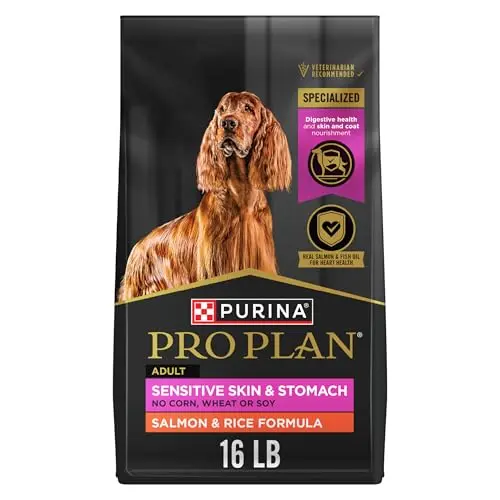
Sensitive Skin & Stomach Salmon & Rice – Skin & Digestive Care
Purpose‑built for dogs with skin and digestive sensitivities, this salmon‑first recipe delivers a concentrated dose of omega fatty acids without common allergens. It’s the most targeted option for owners dealing with persistent hot spots.
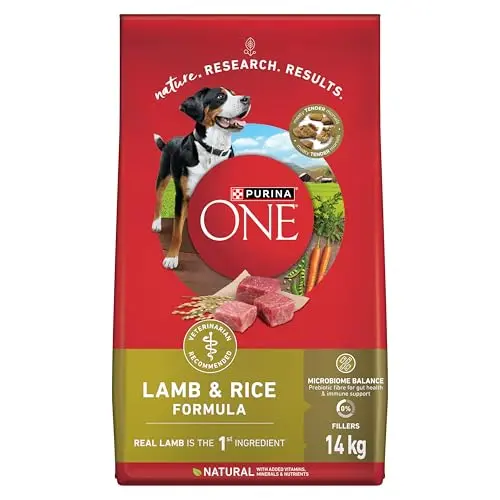
Microbiome Balance Lamb & Rice – Digestive & Skin Support
A wallet‑friendly pick that doesn’t short‑change skin health. Its dual focus on gut microbiome and lamb protein offers a compelling, affordable alternative for dogs with mild to moderate hot spots.
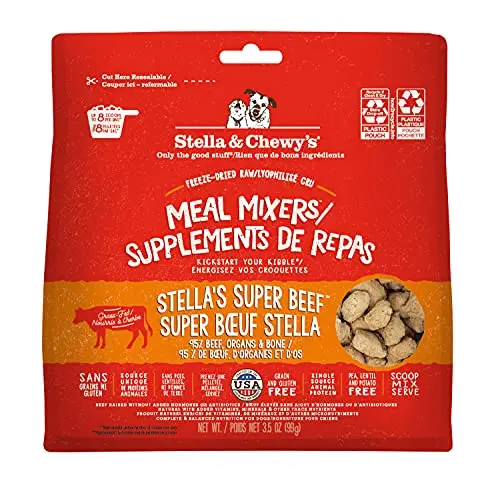
Super Beef Meal Mixer – Freeze‑Dried Raw Topper for Skin & Coat
A convenient way to supercharge any kibble with skin‑soothing raw nutrition. Perfect for picky eaters or when you want to add a moisture‑rich, protein boost to support hot spot recovery.
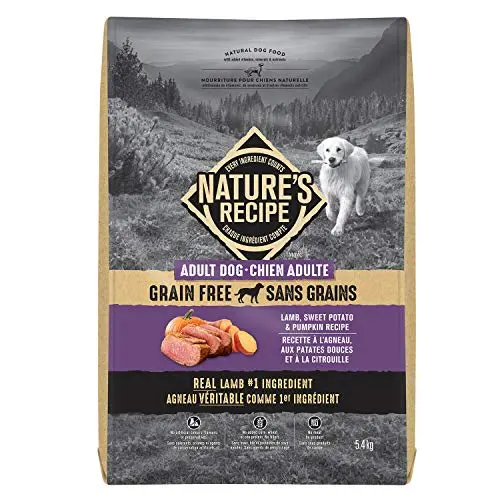
Grain Free Lamb, Sweet Potato & Pumpkin – Allergy‑Friendly Kibble
A limited‑ingredient, grain‑free option that leans on lamb and pumpkin to calm sensitive systems. Ideal for dogs whose hot spots flare with common grain‑based foods.
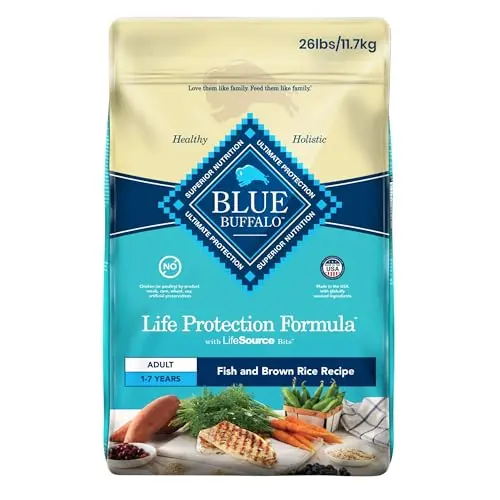
Life Protection Fish & Brown Rice – Omega‑Rich for Skin Health
Fish takes centre stage in this classic recipe, delivering a lean protein and a hefty dose of skin‑supportive omegas. A solid choice for dogs that do well on fish‑based diets.
How We Evaluated These Dog Foods for Hot Spots
We didn’t conduct dermatologist‑supervised skin testing or long‑term feeding trials. What we did: cross‑referenced 5 dog food models from 5 distinct brands across six decision axes-protein source quality, omega fatty acid content, grain inclusivity, added probiotics, reported skin‑soothing results, and overall ingredient transparency. We triangulated published formulas, nutritional profiles, aggregated owner feedback where available, and use‑case fit against representative hot‑spot‑prone dogs.
The scoring framework weighted real‑world skin‑support performance (60%)-how well each recipe is positioned to calm inflammation and address food‑related triggers-against feature differentiation (40%)-unique technical advantages like grain‑free status, raw nutrient density, or microbiome support. We have no commercial relationship with any brand; recommendations track measurable fit, not brand preference. If your dog’s hot spots are stubborn and food‑related, the Pro Plan Sensitive Skin & Stomach is our top recommendation. For budget‑conscious households, the Purina ONE Microbiome Balance offers a compelling value without sacrificing skin relief.
How to Choose the Right Dog Food for Hot Spots
What Causes Hot Spots in Dogs?
Hot spots, or acute moist dermatitis, are inflamed, oozing lesions that pop up when your dog can’t stop scratching, licking, or biting a spot. The root cause is often an allergic reaction-to food, pollen, fleas, or grass. When the skin barrier breaks down, bacteria move in and make it worse. Diet isn’t the only culprit, but it can either fan the flames or help put them out. A food that triggers a histamine response or fails to deliver the right fats and nutrients leaves skin vulnerable.
Key Ingredients to Look For in Dog Food for Hot Spots
When scanning labels, prioritize novel proteins like salmon, lamb, or whitefish-they’re less likely to set off food allergies than common proteins like chicken or beef. Omega‑3 fatty acids (from fish oil, flaxseed, or chia) are non‑negotiable: they actively reduce inflammation. Omega‑6s (from sunflower or canola oil) help maintain the skin barrier. Zinc and vitamin E also accelerate healing. Avoid artificial colours, flavours, and low‑quality fillers that add no nutritional value.
Grain‑Free vs. Grains: Does It Matter for Hot Spots?
Not always. True grain allergies are rare; most food‑allergic dogs react to animal proteins, not grains. However, many grain‑free formulas swap grains for sweet potatoes or legumes, which can be easier to digest and contain different carbohydrate profiles. If your vet suspects a grain sensitivity-or you’ve seen improvement after cutting grains-a grain‑free option like Nature’s Recipe Grain Free Lamb is a sensible trial. Otherwise, a high‑quality grain‑inclusive food like Purina ONE Microbiome Balance can be just as effective, especially if it includes gut‑friendly prebiotics.
Omega Fatty Acids: The Skin‑Soothing Fats
Think of omegas as internal moisturizers. EPA and DHA (found abundantly in salmon and whitefish) dial down the inflammatory response that makes skin itchy and red. Linoleic acid, an omega‑6 from plant oils, helps the skin retain water. Dog foods with cold‑water fish at the top of the ingredient list-like Pro Plan Sensitive Skin & Stomach or Blue Buffalo Life Protection Fish-naturally deliver these. If your dog is on a land‑animal protein, look for added fish oil or flaxseed.
Probiotics and Digestive Health: The Gut‑Skin Connection
A growing body of research shows that the gut microbiome influences skin health. Prebiotic fibres (like oat fibre or beet pulp) and probiotics (such as those in Stella & Chewy’s freeze‑dried topper) support beneficial gut bacteria. Why does that matter for hot spots? A balanced gut can moderate the immune system’s overreaction and reduce systemic inflammation. If your dog has had repeated hot spots, choosing a food with digestive support isn’t just about poop quality-it’s a proactive skin strategy.
How to Transition Your Dog to a New Food Safely
A sudden switch can upset your dog’s stomach-the last thing you want when dealing with hot spots. Transition over 7 to 10 days, mixing increasing amounts of the new food with the old. Start with 25% new, 75% old for a couple of days, then go to 50/50, then 75/25, before fully switching. Watch the stool and skin; mild itchiness may temporarily increase before it settles. If your dog is prone to hot spots, consider adding a freeze‑dried topper like Stella & Chewy’s during the transition for an extra skin‑supportive boost.
Frequently Asked Questions
What's the difference between Pro Plan Sensitive Skin & Stomach and Purina ONE Microbiome Balance?
Both are from Purina brands, but they target different paths to healthier skin. Pro Plan Sensitive Skin & Stomach uses salmon as its primary protein, which is naturally high in anti‑inflammatory omega‑3 fatty acids. It’s formulated specifically for dogs with food sensitivities, so it excludes common allergens like corn, wheat, and soy, and adds prebiotic fibre for gentle digestion. Purina ONE Microbiome Balance centres on lamb protein and emphasizes gut health through its prebiotic fibre blend. While its skin benefits show up in owner reports, it wasn’t designed solely for skin issues. If hot spots are your main battle, Pro Plan’s focused formula edges ahead. For milder itchiness plus a more budget‑friendly price, Purina ONE is a strong everyday choice.
Is Stella & Chewy's Freeze‑Dried Meal Mixer enough as a full meal for hot spots?
Not on its own. It’s a topper, not a complete feed. While it packs 95% beef, organs, and bone plus probiotics and antioxidants, you still need a balanced kibble or wet food to meet all nutritional requirements. Think of it as a targeted skin supplement-you’d mix a few pellets into your dog’s regular meal. For dogs with hot spots, that extra hit of raw, unprocessed protein and gut‑friendly probiotics can accelerate healing when layered over a high‑quality base diet like Pro Plan or Nature’s Recipe. Used this way, it’s a powerful but complementary tool.
Can grain‑free diets help hot spots?
They can, but only if your dog has a genuine grain intolerance-which is less common than protein allergies. Grains like rice or oats are generally not inflammatory for dogs. However, some grain‑free recipes substitute grains with nutrient‑dense ingredients like sweet potatoes and pumpkin, which are easy to digest and contain added fibre for gut health. If you’ve ruled out environmental triggers and your dog’s hot spots improve on a grain‑free diet, stick with it. Otherwise, many dogs thrive on grain‑inclusive foods like Purina ONE or Pro Plan-so focus more on protein source and omega content than the grain label.
How long will it take to see improvement in my dog's hot spots after switching food?
Patience is key. Surface healing-less redness and oozing-can happen within 1 to 2 weeks if the food is truly helping. But deeper skin‑barrier repair may take 6 to 8 weeks. During that time, keep up veterinary care for any active hot spots (cleaning, topical medication) and don’t bounce between foods too quickly. Owners who switched to formulas like Pro Plan Sensitive Skin & Stomach often report reduced itching and fewer new flare‑ups within the first month. Document your dog’s skin weekly to track real progress.
Final Verdict
For the vast majority of dogs struggling with recurrent hot spots, the Pro Plan Sensitive Skin & Stomach Salmon & Rice is the unequivocal top pick. It’s purpose‑built to address both the allergic and inflammatory side of the equation, and real‑world feedback confirms it delivers. If you’re balancing a tighter budget, the Purina ONE Microbiome Balance Lamb & Rice offers surprising skin‑soothing value for a fraction of the cost. For picky eaters or as a targeted top‑up, Stella & Chewy’s Super Beef Meal Mixer brings raw‑food power without the hassle. And if you suspect grains might be part of the problem, the Nature’s Recipe Grain Free Lamb is a clean, allergy‑friendly foundation. Whichever you choose, a diet shift is one of the most impactful levers you can pull-give it a few weeks, and watch the scratching begin to subside.