
Bringing home a pug puppy means committing to a lifetime of snorts, cuddles, and a few unique feeding challenges. These compact charmers have distinctive nutritional needs – their flat faces make kibble size critical, their sensitive stomachs demand gentle formulas, and their tendency to pack on pounds requires careful calorie management from day one. The right puppy food can set the foundation for healthy growth, a shiny coat, and that famous pug energy.
Not all puppy foods are up to the task. Some neglect the tiny kibble sizes pugs require, while others lean too heavy on fillers that offer little nutritional value for a growing pup. From breed‑specific recipes to well‑formulated small‑breed options, we’ve compared what matters most. This guide walks you through standout choices across several brands, so you can pick a food that fits your pug’s needs and your peace of mind.
Best Food for Pug Puppies – 2026 Reviews
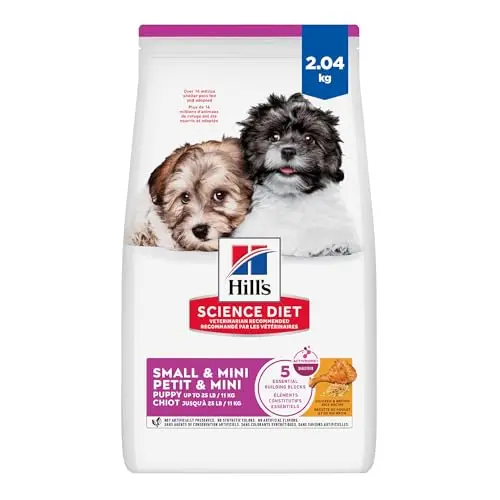
Small & Mini Puppy – Tailored Nutrition for Small Breeds
A veterinarian‑recommended choice for small‑breed puppies, combining high‑quality protein with precise mineral levels for strong bones and teeth. The antioxidant blend and DHA support a developing immune system and brain, while the prebiotic fibre promotes gentle digestion – a must for sensitive pug tummies.
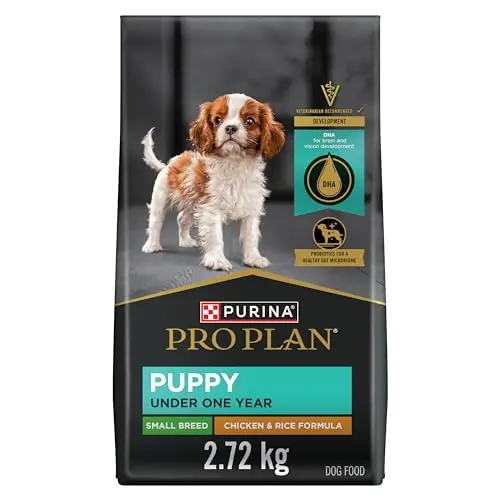
Development Small Breed – High Protein for Small Pups
Loaded with real chicken and boosted with live probiotics, this formula targets the high energy demands of small‑breed puppies. The bite‑sized kibble and DHA‑rich fish oil make it a formidable option for pug puppies that need brain fuel without sacrificing flavour.
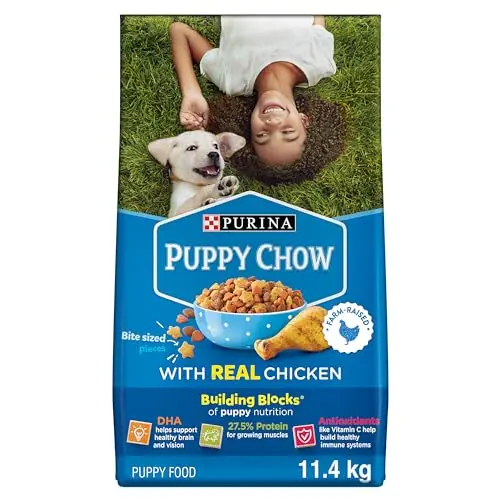
Complete Puppy – Budget-Friendly All-Rounder
A complete, no‑frills option that delivers solid nutrition with farm‑raised chicken as the first ingredient. The DHA and antioxidant blend cover the basics for brain and immune health, all in a wallet‑friendly large bag that keeps up with hungry litters.
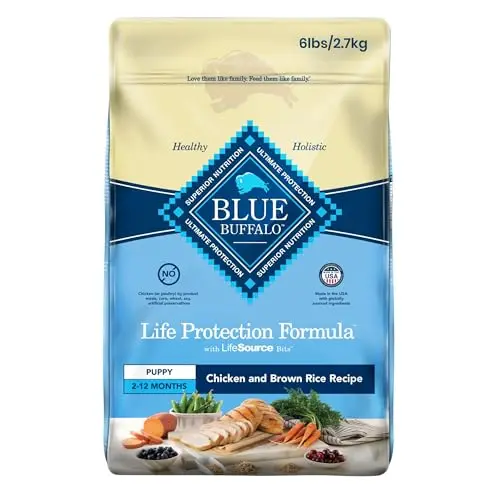
Life Protection Formula – Natural Ingredients for Sensitive Pugs
Built around real chicken and LifeSource Bits – a precise blend of cold‑formed vitamins and minerals – this recipe targets immune health and strong bones. The oatmeal and barley provide gentle grain energy, while the DHA and ARA mirror nutrients found in mother’s milk for brain growth.
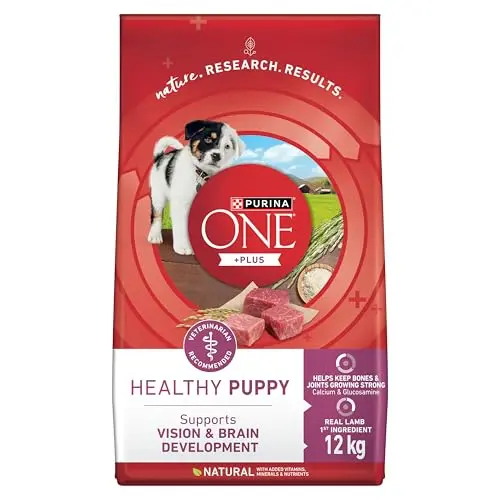
+Plus Healthy Puppy Lamb – Gentle Protein for Delicate Tummies
Switching the protein source to lamb, this recipe leans on easily digestible rice and oatmeal to soothe fragile stomachs. It still brings DHA and antioxidants to the bowl, making it a smart alternative for pug puppies that react poorly to chicken.
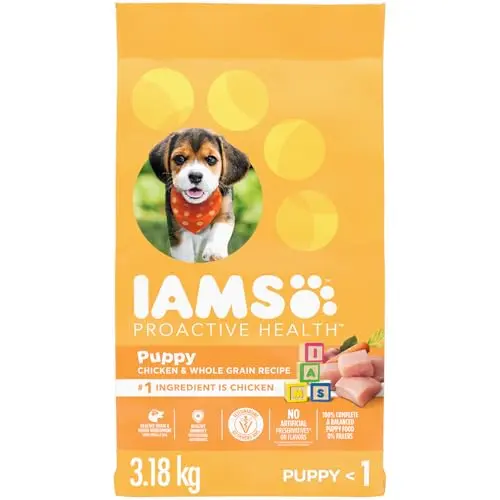
Proactive Health Puppy – Small‑Breed Value Pick
Easily digestible and packed with 22 key nutrients, this chicken‑based formula punches above its price point. With omega‑3 DHA for brain development and no fillers, artificial flavours, or preservatives, it’s a straightforward, budget‑savvy option for growing pugs.
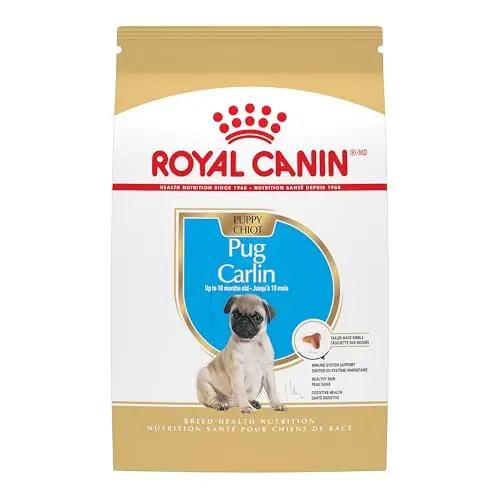
Pug Puppy – Breed‑Specific Formula
The only breed‑specific option on this list, designed from the ground up for purebred pug puppies. The unique kibble shape is easy for flat faces to grasp, while the antioxidant complex and prebiotics target the immune system and digestive health that pugs are known to need.
How We Evaluated These Food for Pug Puppies
We didn’t run controlled feeding trials or lab‑test stool samples. What we did: cross‑referenced 7 puppy food models from 7 distinct brands across 5 decision axes – kibble size, protein source and quality, digestive support, breed‑specific tailoring, and nutritional completeness for growing pugs. We triangulated published ingredient lists, nutritional analysis, and aggregated owner feedback where available to understand how each formula performs in real homes.
The scoring framework weighted real‑world performance (60%) – how well each food supports the actual needs of pug puppies – against feature differentiation (40%) – unique benefits like breed‑specific kibble, live probiotics, or cleaner ingredient panels. Our picks reflect fit and transparency, not brand preference. If you’re looking for the most meticulously pug‑targeted option, the Pug Puppy from Royal Canin is your match; for an all‑around small‑breed champion, the Hill’s Science Diet Small & Mini delivers.
How to Choose the Right Food for Your Pug Puppy
Why Small Kibble Matters for Pug Puppies
Pugs have brachycephalic (flat) faces, which makes picking up large chunks of food awkward and sometimes dangerous. A kibble that’s too big can lead to gulping, choking, or even refusal to eat. Look for formulas labelled for small or toy breeds – these typically feature pellets under 1 cm in diameter. The Royal Canin Pug Puppy takes it a step further with a unique, easy‑to‑grasp shape designed specifically for that pug underbite. Even non‑breed‑specific foods like Hill’s Science Diet Small & Mini offer a pellet size that most pug puppies handle well, reducing mealtime frustration.
Protein and DHA: Fueling Brain and Body
Puppyhood is when your pug builds muscle and brain power, so high‑quality animal protein should be the first ingredient. Real chicken or lamb leads the formulas we chose – avoid foods where a grain or plant protein tops the list. Equally important is DHA (docosahexaenoic acid), an omega‑3 fatty acid that supports cognitive development and vision. All of our picks include DHA from fish oil or similar sources, but you’ll see it emphasised in every detailed review. For pug puppies that need a non‑poultry option, the Purina ONE Lamb formula provides the same brain‑boosting benefits without chicken.
Digestive Health: Sensitive Stomachs Need Support
Many pug puppies inherit delicate digestion, prone to loose stools or gas. That’s where prebiotic fibres and probiotics make a difference. Probiotics, like the live cultures in Purina Pro Plan Small Breed, introduce beneficial bacteria to the gut, while prebiotics – found in Hill’s Science Diet and Royal Canin – feed those good bacteria. If your puppy has persistent tummy trouble, a formula with easily digestible grains (rice, oatmeal) and a single protein source can be easier to tolerate. The Blue Buffalo Life Protection recipe avoids common triggers like corn, wheat, and soy, which can be a relief for allergy‑prone pugs.
Breed‑Specific vs. All‑Small‑Breed Puppy Foods
Royal Canin Pug Puppy is the only choice engineered solely for pugs, addressing jaw structure, skin fold health, and breed‑typical digestion. That level of customisation can be a game‑changer, but it’s not the only path to a healthy pug. General small‑breed formulas from Hill’s, Pro Plan, and IAMS have been proven on countless pug puppies without issue. The decision often comes down to personal philosophy and budget. If you want peace of mind that every bite is pug‑optimised, go breed‑specific. If you’re happy with a versatile high‑quality small‑breed food, the other options save you a few dollars without cutting corners.
Fillers and Additives: What to Avoid
Your pug puppy’s food should be nutrient‑dense, not padded with empty fillers. Avoid artificial colours, flavours, and preservatives – all our featured foods skip them. Watch out for generic meat meals where the source isn’t named; look for specified meals like ‘chicken meal” instead. Corn, wheat, and soy aren’t necessarily bad, but some pugs are sensitive to them. Blue Buffalo and IAMS explicitly exclude these, while formulas like Purina Pro Plan use rice and oatmeal as gentle grain sources. The key is reading the ingredient panel: the first five ingredients tell you most of what you need to know.
Portion Control and Preventing Overweight Pugs
Pugs don’t have an off switch when it comes to food, and puppyhood sets the stage for a lifetime of healthy weight management. Even the best puppy food can cause unhealthy weight gain if overfed. Follow the feeding guidelines on the bag (adjusted for your pug’s activity level) and monitor body condition weekly. You should feel ribs with a slight cover, not see them. Smaller, more frequent meals help stabilise energy and reduce begging. If your pug puppy tends to inhale food, a puzzle feeder or slow‑feed bowl can extend mealtime and aid digestion – a simple hack that works with any of the kibbles we recommend.
Frequently Asked Questions
Is breed‑specific puppy food really necessary for pugs?
Not strictly necessary, but it has genuine advantages. Royal Canin Pug Puppy is formulated to match the pug’s unique needs: its kibble shape suits a brachycephalic bite, its nutrient profile supports skin fold health, and its fibre blend aids the breed’s often‑sensitive digestion. That said, high‑quality small‑breed foods like Hill’s Science Diet Small & Mini or Purina Pro Plan Small Breed have been used successfully by countless pug owners. The decision boils down to personal preference – if you want the most tailored option, breed‑specific is worth the investment; if you prefer a proven all‑rounder that still fits small mouths, the small‑breed alternatives won’t let you down.
What's the difference between Royal Canin Pug Puppy and Hill's Science Diet Small & Mini?
Royal Canin Pug Puppy is engineered exclusively for purebred pugs, with a kibble shape designed for brachycephalic jaws, an antioxidant complex that reinforces the skin barrier (helpful for fold dermatitis), and prebiotics tuned for pug digestion. Hill’s Science Diet Small & Mini is a broad small‑breed formula that focuses on balanced minerals for bones, DHA for brain development, and a prebiotic fibre blend for gentle digestion. While both support healthy growth, Royal Canin’s pug‑specific tweaks may offer an edge for puppies prone to skin sensitivities or those struggling with standard kibble shapes. Hill’s is a more cost‑effective, widely available choice that still nails the essential small‑breed benefits.
How does Purina Pro Plan Small Breed compare to Blue Buffalo for a pug puppy?
Purina Pro Plan Small Breed prioritises high protein and live probiotics, making it a strong choice for active pug puppies that need muscle support and digestive reliability. Blue Buffalo emphasises a clean ingredient panel with no poultry by‑products, corn, wheat, or soy, plus cold‑formed LifeSource Bits for immune health. For a pug puppy, the Pro Plan’s smaller, uniform kibble and probiotic kick can be more directly beneficial day‑to‑day. Blue Buffalo’s formula is excellent for puppies with food sensitivities or allergy concerns, but the kibble texture can vary slightly. Both are excellent; the pick often comes down to your puppy’s specific reactions and your preference on ingredient philosophy.
When should I switch my pug puppy to adult food?
Most pug puppies can transition to adult food around 10-12 months of age. By this point, their growth plates have closed and their energy requirements stabilise. However, some pugs mature slowly and may benefit from staying on puppy food until 12 months. Watch your dog’s body condition – if they’re holding a healthy weight and have developed a more laid‑back adult demeanour, it’s a good time to switch. Choose an adult small‑breed formula that controls calories, since pugs are prone to obesity. Always make the change gradually over 7-10 days to avoid digestive upset.
Final Verdict
For the vast majority of pug puppies, the Hill’s Science Diet Small & Mini Puppy is the top choice – it combines balanced nutrition, digestibility, and vet‑trusted quality into a kibble that pugs eat eagerly. If you want a formula purpose‑built for your pug’s every characteristic, Royal Canin Pug Puppy is unmatched in breed‑specific design. And when the budget is tight but you refuse to compromise on essential nutrients, the IAMS Proactive Health Puppy delivers exceptional value. Whichever you choose, your pug puppy will be off to a happy, healthy start.