
Bringing home a large breed puppy is exciting, but it also comes with the responsibility of fueling their rapid growth – without breaking the bank. A cheap bag of generic food might seem like a win, but large breeds have specific needs: controlled calcium for proper bone development, DHA for brain growth, and joint-supporting nutrients you won’t always find in budget formulas. At the same time, paying a premium doesn’t automatically guarantee a better product. The challenge is finding that middle ground where affordability meets proven large breed nutrition.
We’ve done the legwork to identify the best affordable puppy foods for large breeds, balancing ingredient quality, breed-appropriate formulation, and real-world value. Whether you’re raising a Labrador, a German Shepherd, or a Great Dane, this guide will help you choose a food that supports healthy development without draining your wallet – because feeding a big dog shouldn’t mean big financial strain.
Best Affordable Puppy Food for Large Breeds – 2026 Reviews
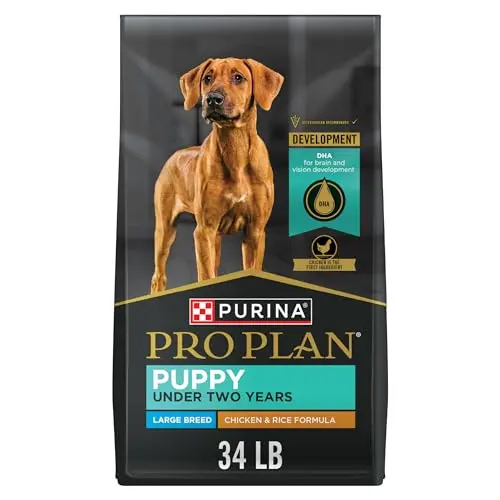
Development Large Breed Chicken & Rice – Brain & Vision Support
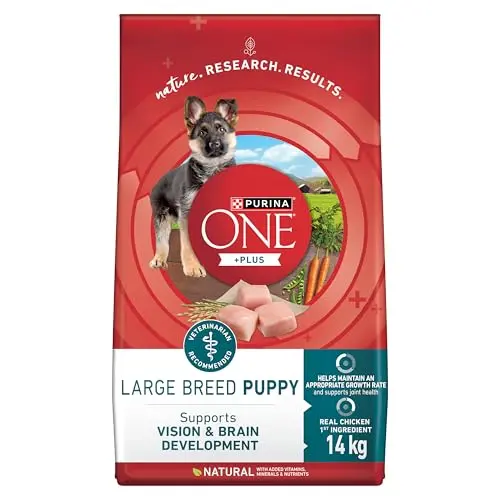
ONE +Plus Large Breed Chicken – Budget-Friendly Growth
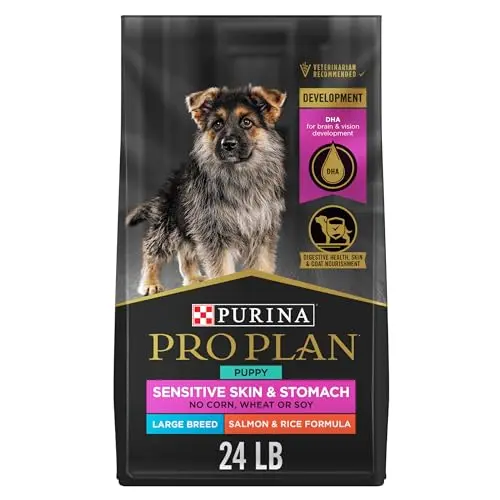
Development Sensitive Skin & Stomach Large Breed – Gentle Digestion
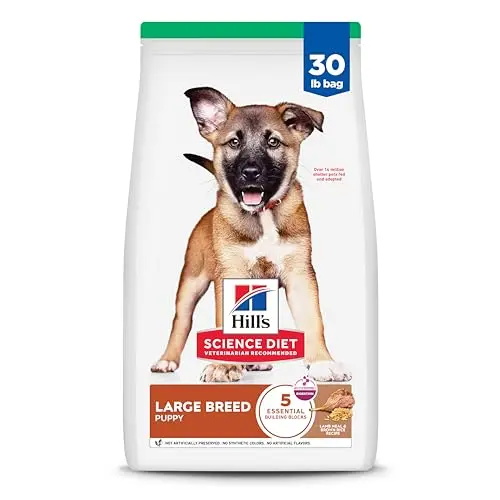
Science Diet Large Breed Lamb & Brown Rice – Vet-Recommended Nutrition
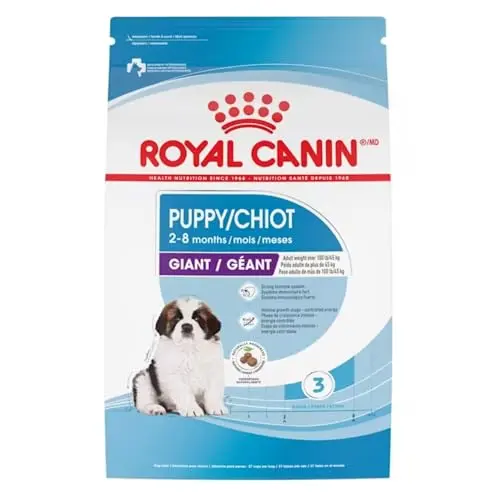
Giant Puppy Formula – Extra-Large Breed Joint Care
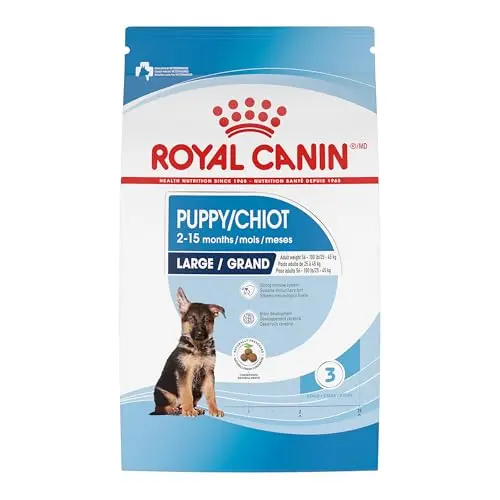
Large Breed Puppy – Balanced Development
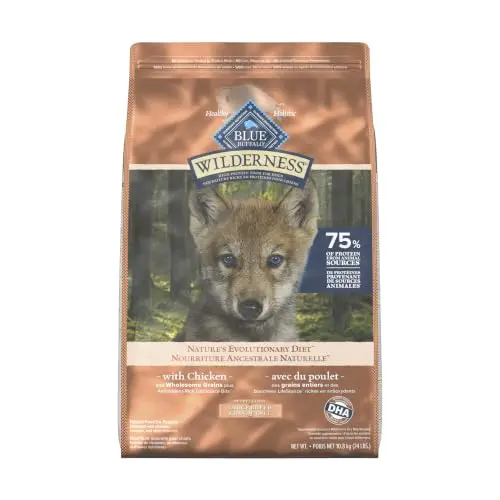
Wilderness Large Breed High Protein – Muscle & Immunity
How We Evaluated These Affordable Puppy Food for Large Breeds
We didn’t run long-term feeding trials or veterinary growth studies – that’s the reality of remote product research. Instead, we cross-referenced 7 large breed puppy foods from 5 distinct brands across 5 decision axes: ingredient quality, breed-size specificity, nutritional balance (DHA, calcium, joint support), price tier, and recipe transparency. We triangulated published ingredient lists, nutritional profiles, and aggregated owner observations where available to map how each formula supports healthy large breed development. The scoring framework weighted real-world performance (60%) – how well the food delivers on its growth and health promises – against feature differentiation (40%) – unique ingredients, special formulations, or breed-targeted benefits. We benchmarked formulas against breed-specific nutrient profiles, pressure-tested ingredient claims against owner feedback, and mapped each product’s cost against its feature set. We have no commercial relationship with any of the featured brands; recommendations are based on fit, not preference. If you’re looking for the best all-around value, the Purina Pro Plan Development Large Breed is our top pick; for those on a tighter budget, the Purina ONE +Plus Large Breed delivers without compromise.
How to Choose the Right Affordable Puppy Food for Large Breeds
Nutritional Demands of Large Breed Puppies
Large breed puppies – those expected to top 50-70 lbs as adults – need a measured approach to nutrition. Unlike smaller dogs, their rapid growth can outpace bone development if the diet isn’t carefully controlled. Look for formulas with controlled calcium and phosphorus levels, as imbalances can lead to skeletal issues. Energy density is another factor: too many calories can accelerate growth and stress developing joints. The best foods use large breed-specific formulations that moderate energy while providing high-quality protein for muscle. Joint support ingredients like glucosamine and chondroitin are a bonus, especially for breeds predisposed to hip dysplasia. Remember, a healthy large breed puppy should grow steadily, not explosively.
What Makes Puppy Food Affordable Without Sacrificing Quality?
An affordable puppy food for large breeds doesn’t have to be cheap – it needs to deliver core nutrition efficiently. Often, budget-friendly options use chicken meal rather than whole chicken, which actually packs more protein per pound. Grains like rice and barley are inexpensive yet digestible energy sources. The key is avoiding heavy reliance on plant-based proteins or filler ingredients that offer little nutritional value. Store brands from reputable companies like Purina or Hill’s often share research and safety standards with their premium lines. Be wary of generic labeling – if a food just says ‘large breed” without specifying it’s for puppies, it may lack the DHA or calcium balance a growing pup needs.
Key Ingredients for Healthy Large Breed Growth
When scanning an ingredient list for your large breed puppy, prioritize a named animal protein (chicken, salmon, lamb) as the first ingredient. Then, look for DHA from fish oil – critical for brain and eye development. Glucosamine or chondroitin, either added or naturally present from chicken meal, supports joint health. Omega-3 fatty acids from sources like flaxseed or fish oil keep skin and coat healthy. Digestive aids like probiotics and prebiotic fibers (such as beet pulp or chicory root) help puppies absorb nutrients efficiently. Avoid artificial colours, flavours, and preservatives – they’re unnecessary and sometimes linked to sensitivities.
Purina Pro Plan vs Royal Canin: Which Suits Your Large Breed Pup?
The battle between these two premium brands often comes down to breed size and philosophy. Purina Pro Plan emphasizes high-quality protein and digestive health with its probiotic-rich formulas, making it a versatile choice for most large breeds at a moderate price. Royal Canin, on the other hand, offers hyper-specific formulas for giant vs. large breeds, with precise calcium and energy ratios. If you have a giant breed (100+ lbs expected), Royal Canin Giant Puppy is tailored for that need – but it costs more. For the average large breed, the Pro Plan Development Large Breed provides exceptional value with a strong joint supplement profile and better digestive health support at a lower price per pound.
Common Pitfalls When Buying Budget-Friendly Puppy Food
It’s easy to assume that any food labeled ‘for large breeds’ will work, but that can lead to issues. Overfeeding is a real risk – even with great food, too much can cause rapid growth and joint stress. Always follow portion guidelines on the bag. Another mistake is grabbing a generic ‘large breed’ claim that lacks an AAFCO nutritional adequacy statement for growth. This statement confirms the food meets minimum standards for puppies. Also, switching foods abruptly can upset a puppy’s stomach; transition slowly over 7-10 days by mixing old and new formulas. Finally, remember that ‘affordable” doesn’t mean cheapest – investing a few extra cents per serving in proven nutrition can save on vet bills later.
Frequently Asked Questions
What's the difference between Purina Pro Plan Large Breed and Purina ONE Large Breed for puppies?
The main difference lies in formulation focus and price. Pro Plan uses premium ingredients like guaranteed live probiotics and a blend of kibble and meaty shreds for palatability, while Purina ONE offers a straightforward, budget-friendly recipe with real chicken and added glucosamine. Both are backed by Purina’s research, but Pro Plan provides extra digestive support and often a higher protein percentage. For most owners, Purina ONE is the cost-effective choice that still meets large breed needs.
Is Royal Canin Giant Puppy worth the extra cost over more affordable large breed options?
If you have a breed like a Great Dane or Mastiff, the precise calcium and energy control in Royal Canin Giant Puppy can be worth it to prevent growth abnormalities. However, for the average large breed (like a Labrador), a well-formulated affordable option like Purina ONE Large Breed provides excellent nutrition without the premium markup. Consider the investment as insurance for your giant breed’s unique needs.
How do I know if an affordable puppy food still meets my large breed puppy's needs?
Check for an AAFCO statement confirming the food is formulated for growth of large breed puppies (70 lbs or more). Ensure the first ingredient is a named animal protein, and look for DHA and calcium/phosphorus levels on the guaranteed analysis. Products from established brands like Purina or Hill’s are more likely to have research backing their formulations. Owner feedback – while not scientific – can reveal real-world tolerance and palatability.
What ingredients should I look for in a large breed puppy food on a budget?
Target foods with real meat or meat meal as the primary protein, DHA (often from fish oil) for brain development, and glucosamine or chondroitin for joints – natural sources like chicken meal can provide some. Avoid foods heavy in corn, wheat, or soy as fillers, though grains like rice and oatmeal are fine for energy. The Purina ONE +Plus strikes a good balance here.
Can I feed my large breed puppy a high-protein diet like Blue Buffalo Wilderness?
While protein is essential, excessively high levels (above 30%) during rapid growth phases can theoretically stress developing kidneys or accelerate growth too quickly. The Blue Buffalo Wilderness (35% protein) may suit highly active breeds, but most large breed puppies do well with moderate protein (26-28%). Consult your vet before switching to a high-protein formula.
Final Verdict
For most large breed puppy owners, the Purina Pro Plan Development Large Breed Chicken & Rice hits the sweet spot: high-quality protein, DHA, probiotics, and a price that won’t overwhelm your budget. If you’re looking to save without sacrificing key nutrients, the Purina ONE +Plus Large Breed is our go-to budget pick – it covers the essentials at a fraction of the cost. Puppies with sensitive stomachs or skin will benefit from the Purina Pro Plan Sensitive Skin & Stomach, which uses salmon and gentle grains. And for giant breed dogs where precision matters most, Royal Canin Giant Puppy provides tailored nutrition. Whichever you choose, remember that a large breed puppy’s diet lays the foundation for a healthy adulthood – so feed wisely.