
Bringing home a new puppy is equal parts joy and overwhelm. Between potty training, vaccinations, and the endless parade of chew toys, picking the right food can feel like just one more decision you’re not sure you’ve nailed. But nutrition lays the groundwork for everything from those Zoomie-filled growth spurts to lifelong health, so it’s worth getting it right early.
Not all puppy foods are created equal. The right pick depends on your pup’s breed size, activity level, and even their tummy sensitivity. Some formulas pack extra DHA for brain development; others focus on tiny, bite-sized kibble for small mouths. Our buyer’s guide breaks down what matters most so you can focus less on label confusion and more on cuddles.
Best Food to Give Puppies – 2026 Reviews
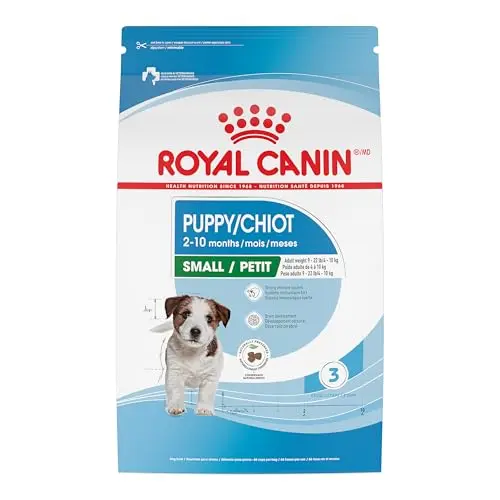
Small Puppy Dry Dog Food – Tailored Nutrition for Toy & Mini Breeds
A veterinarian-developed formula specifically designed for small breed puppies (expected adult weight under 22 lbs). Packed with DHA from fish oil for brain development, antioxidants for immune support, and a prebiotic blend for gentle digestion. The small, crunchy kibble encourages chewing and dental health.
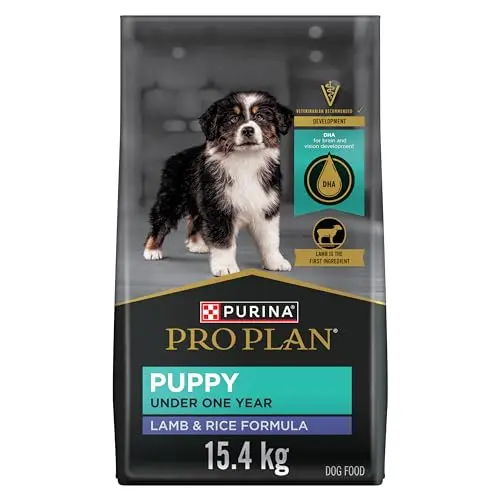
Development Lamb & Rice – Large Bag for Growing Pups
Real lamb as the first ingredient fuels lean muscle development, while DHA from fish oil supports brain and vision health. Fortified with live probiotics for digestive and immune support, this formula is suitable for all breed sizes and comes in a generous 15.4 kg bag for multi-pup homes or large breed puppies.
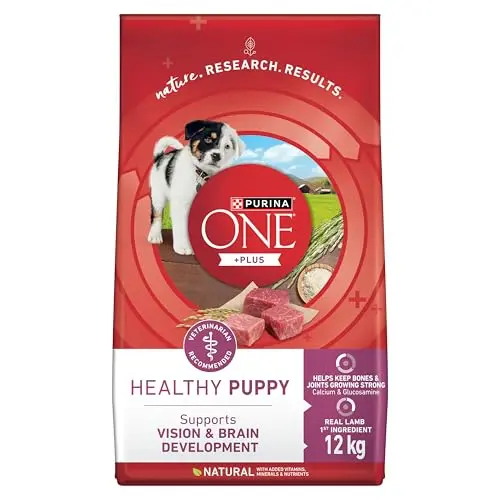
+Plus Healthy Puppy Formula Lamb – Easily Digestible Nutrition
Real lamb leads an easily digestible recipe that pairs rice and oatmeal for gentle digestion. DHA supports brain and vision development, while antioxidants from vitamins E and A strengthen the immune system. No artificial flavours or fillers, and the 12 kg bag suits medium-sized puppies well.
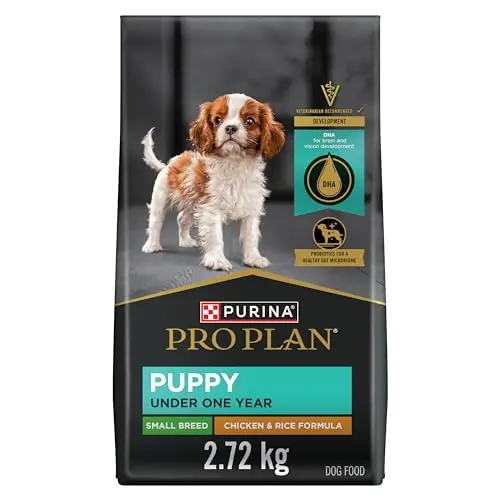
Development Small Breed Chicken & Rice – Bite-Sized Kibble for Small Breeds
Tailor-made for small breed puppies, this chicken-based formula features tiny, easy‑to‑eat kibble. High protein fuels active little dogs, while DHA from fish oil and live probiotics support brain development and digestion. The 2.72 kg bag is sized for small mouths and moderate appetites.
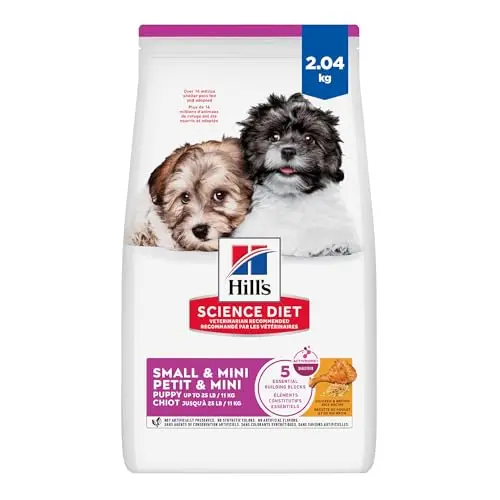
Small & Mini Chicken & Brown Rice – Vet-Formulated for Miniature Pups
Developed by veterinarians for small and miniature breed puppies, this recipe features DHA from fish oil, a balanced mineral set for bone growth, and an antioxidant blend. The prebiotic fibre supports gentle digestion, and the 2.04 kg bag is sized for little appetites.
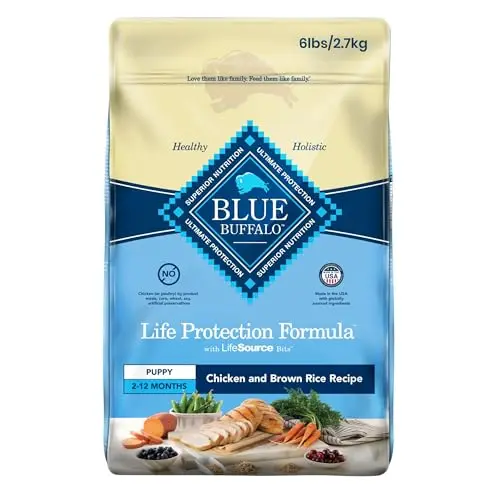
Life Protection Formula Chicken & Brown Rice – Natural Ingredients for Puppy Development
Real chicken is the first ingredient in this holistic recipe, which features LifeSource Bits-a precise blend of antioxidants, vitamins, and minerals cold‑formed for potency. DHA and ARA support brain and eye development, while wholesome grains like brown rice and oatmeal support gentle digestion. No poultry by‑products or corn, wheat, or soy.
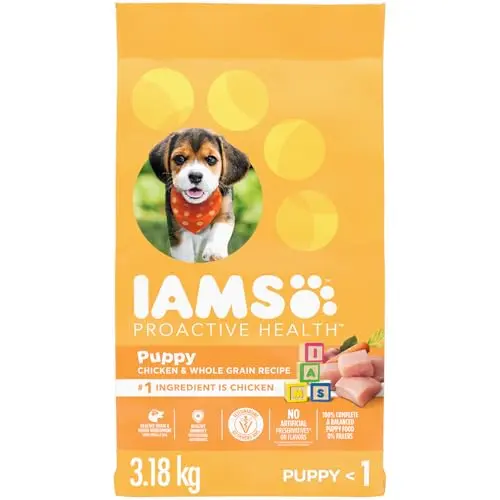
Proactive Health Chicken & Whole Grain – Budget-Friendly Balanced Nutrition
An affordable yet complete puppy food with real chicken, omega‑3 DHA, and 22 key nutrients modelled after mother’s milk. The easily digestible whole grain recipe is formulated for small to medium puppies and contains zero fillers, artificial flavours, or preservatives.
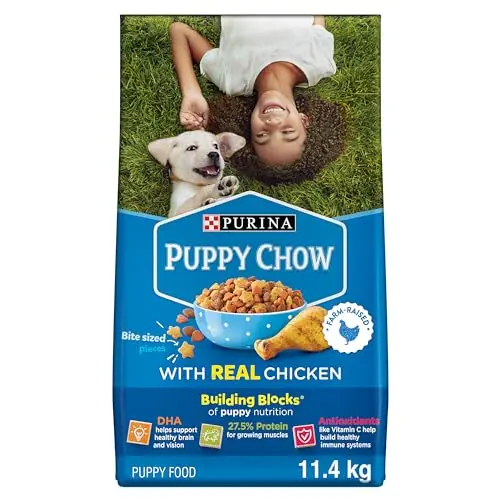
Complete with Real Chicken – Affordable Everyday Puppy Food
Made with real farm‑raised chicken, this formula packs 27.5% protein for muscle growth, DHA for brain development, and antioxidants like vitamin C for a strong immune system. The 11.4 kg bag offers value for multi‑pup households.
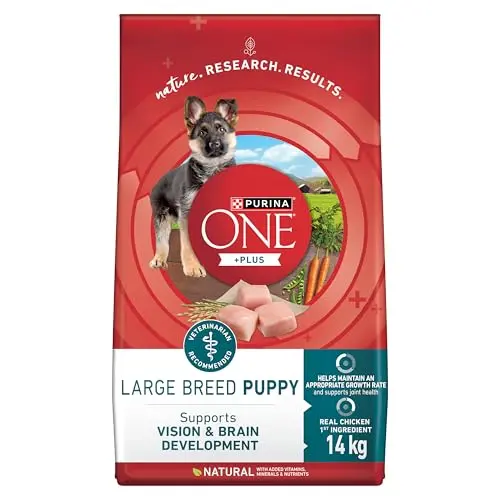
+Plus Large Breed with Chicken – Joint Support for Big Pups
Designed specifically for large breed puppies, this chicken‑first recipe includes glucosamine for joint health and DHA for brain development. Easily digestible rice and a dual‑antioxidant blend support overall vitality in a 14 kg bag built for big appetites.
How We Evaluated These Foods to Give Puppies
We didn’t conduct controlled feeding trials or veterinary‑supervised growth studies. What we did: cross‑referenced 9 puppy foods from 7 distinct brands across 5 key decision axes-ingredient quality (real meat as first ingredient), nutritional completeness (DHA, antioxidants, probiotics), breed‑size appropriateness, digestibility signals, and owner‑reported feedback where available. We triangulated published AAFCO formulations, manufacturer transparency around key nutrients, and aggregated real‑world experiences to map how each food performs in the crate, not just on the label.
The scoring framework weighted real‑world puppy fit (60%)-how well a formula supports growth, digestion, and breed‑specific needs-against feature differentiation (40%)-unique elements like live probiotics, glucosamine for large breeds, or antioxidant blends. We have no commercial relationship with any of the brands featured; recommendations track fit and differentiation, not brand preference. If you’re raising a tiny breed, the Royal Canin Small Puppy is our top recommendation; if you need a versatile all‑breed workhorse, the Pro Plan Development Lamb & Rice earned our Editor’s Pick.
How to Choose the Right Food to Give Puppies
Understanding Puppy Nutritional Needs
Puppies aren’t just small dogs-they’re rapidly building bone, muscle, and brain tissue, which means their food must punch above its weight. Look for a statement on the bag confirming it meets AAFCO (Association of American Feed Control Officials) profiles for growth. Beyond that, real animal protein should be the first ingredient (chicken, lamb, or fish), not a by‑product or grain. DHA, an omega‑3 fatty acid found in mother’s milk, is critical for cognitive and eye development-many premium formulas now include it from fish oil or marine algae. Antioxidants (vitamins C & E) and probiotics are also becoming standard, boosting a developing immune system and aiding digestion during the weaning transition. If the ingredient list leans heavily on plant‑based proteins or vague meat meals, consider it a lower‑quality baseline.
Breed Size Matters: Small vs. Large Puppy Foods
The biggest decision you’ll make after choosing a base formula is whether to buy a breed‑specific food. Small breed puppies burn energy faster and have tinier mouths, so kibble size and calorie density are everything. Foods like the Pro Plan Small Breed Chicken & Rice or Royal Canin’s Small Puppy offer extra‑small pellets and concentrated nutrition to prevent hypoglycemia. Large breed puppies, on the other hand, need controlled calcium and phosphorus levels to avoid growing too fast and straining developing joints. The Purina ONE +Plus Large Breed includes glucosamine and a careful mineral balance for that reason. If you have a mixed breed or are unsure of your pup’s adult size, an all‑breed formula like the Pro Plan Development Lamb & Rice is a safe middle ground.
Ingredient Quality: Real Meat vs. By‑Products
You don’t need a degree in animal nutrition to spot a quality ingredient panel. Real, named meat (chicken, lamb, or salmon) should lead the list, followed by whole grains like brown rice or oatmeal for gentle energy. Avoid foods where the first ingredient is corn, wheat, or a generic ‘meat meal’-these can be harder to digest and offer less usable protein. The Blue Buffalo Life Protection Formula stands out here with its explicit ‘no poultry by‑product meal’ promise, while IAMS Proactive Health keeps things transparent with chicken and whole grains. Remember, ‘meal’ isn’t inherently bad-a named chicken meal is a concentrated protein source-but real meat first is a reliable quality signal.
Digestive Health: Probiotics and Prebiotics
Puppy tummies are notoriously sensitive, especially during food transitions or when eating random garden finds. Probiotics (live beneficial bacteria) and prebiotics (fibres that feed them) can make a real difference in stool consistency and overall gut resilience. The Pro Plan line features guaranteed live probiotics, which is a differentiator, while Hill’s Science Diet and Purina ONE rely on prebiotic fibres. If your pup has persistent loose stools, it’s worth trying a probiotic‑boosted food and introducing it slowly over 7-10 days. The Purina ONE Lamb formula is our pick here specifically for its easily digestible rice and oatmeal base.
Comparing Top Brands: Royal Canin, Purina, and Blue Buffalo
When lining up the heavy hitters, the distinctions become clear. Royal Canin invests heavily in breed‑specific R&D, so you get kibble design and nutrient profiles built for tiny mouths. Purina Pro Plan and Purina ONE offer strong all‑breed options with added probiotics or glucosamine, at a slightly more accessible per‑pound value. Blue Buffalo appeals if you want a cleaner label with no corn/wheat/soy and those unique LifeSource Bits. There’s no single winner for all-match the brand’s strength to your puppy’s biggest need: cognition (Royal Canin), digestion (Pro Plan), or natural ingredients (Blue Buffalo).
Frequently Asked Questions
What's the difference between Royal Canin Small Puppy and Purina Pro Plan Small Breed?
Both are designed for tiny mouths, but their philosophies diverge. Royal Canin emphasizes breed‑specific research, resulting in an ultra‑small kibble shape and a nutrient blend scaled for dogs under 22 lbs-it’s like a prescription for small pups. The Pro Plan Small Breed focuses more on high protein and live probiotics, giving an edge in gut health and muscle building. Royal Canin often uses poultry by‑product meals in the blend, while Pro Plan leads with real chicken. If brain development and tailored physical design are your priority, choose Royal Canin; if you want a probiotic kick and a simpler ingredient panel, go Pro Plan.
How does Hill's Science Diet compare to Blue Buffalo for small breed puppies?
Hill’s Science Diet leans on clinical veterinary backing and a streamlined, mineral‑balanced recipe that’s widely tolerated-even by sensitive stomachs-and is often recommended by vets for its consistency. Blue Buffalo differentiates with an all‑natural, ‘no junk’ philosophy: its LifeSource Bits add cold‑formed antioxidants, and real chicken is the clear anchor. Hill’s is the safer, more predictable bet; Blue Buffalo feels more like a holistic upgrade. For a puppy with a delicate gut, the prebiotic‑focused Hill’s may settle better, while owners looking to avoid corn, wheat, and soy will prefer Blue Buffalo’s cleaner panel.
Can I feed my puppy adult dog food?
It’s not recommended. Puppy foods are specifically formulated with higher protein, fat, and concentrated nutrients (like DHA) to fuel rapid growth, while adult formulas prioritise maintenance. Feeding adult food too early can lead to nutrient deficiencies and suboptimal development. The exception is large breed puppies who may eventually benefit from an ‘all life stages’ formula, but even then a dedicated large breed puppy food is safer for controlled growth. Stick with puppy‑specific food until your dog reaches around 80% of their expected adult size-usually 9-12 months for small breeds and up to 18-24 months for giants.
Which puppy food is best for sensitive digestion?
Our top pick for delicate pups is the Purina ONE +Plus Healthy Puppy Lamb & Rice. Its lamb‑based protein is less likely to trigger sensitivities than chicken, and the inclusion of easily digestible rice and oatmeal plus DHA means you don’t sacrifice brain development. The Pro Plan Lamb & Rice, with live probiotics, is another excellent choice. Avoid foods with heavy grain blends or unspecified meat meals if your pup has a history of loose stools.
Final Verdict
For most new puppy owners, the Royal Canin Small Puppy is the standout-it combines breed‑specific design with a brain‑boosting nutrient profile that’s hard to beat. If you’re raising a larger breed or want an all‑rounder with probiotics, the Pro Plan Development Lamb & Rice earns our Editor’s Pick for versatility and value. And if budget is top of mind, the IAMS Proactive Health Chicken & Whole Grain covers all the basics without skimping on DHA or protein. Whichever you choose, you’re giving your puppy a nourishing start-and that’s a meal you can both feel good about.