
Your labradoodle’s coat is dull, and their tummy seems off – you’re not alone. These friendly, energetic dogs are beloved for their personalities, but many owners find themselves navigating sensitive stomachs and itchy skin. The right food can make all the difference, turning a dull coat shiny and settling digestive woes, but with so many options on the shelf, it’s tough to know where to start.
We’ve cut through the noise to bring you a cross-brand guide to the best dog foods for labradoodles. Whether you’re dealing with full-blown food sensitivities or just want to give your doodle a diet that supports their active, medium-sized frame, this roundup breaks down the top picks based on ingredient quality, digestive support, and skin-and-coat benefits – all from brands you can find at your local pet store or online.
Best Dog Foods for Labradoodles – 2026 Reviews
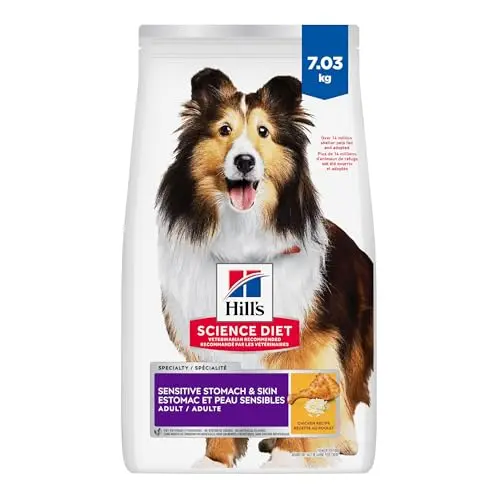
Sensitive Stomach & Skin – Gentle Digestion & Healthy Skin
A top choice for labradoodles with sensitive stomachs, this chicken recipe combines prebiotic fiber and omega fatty acids to support digestion and skin health.
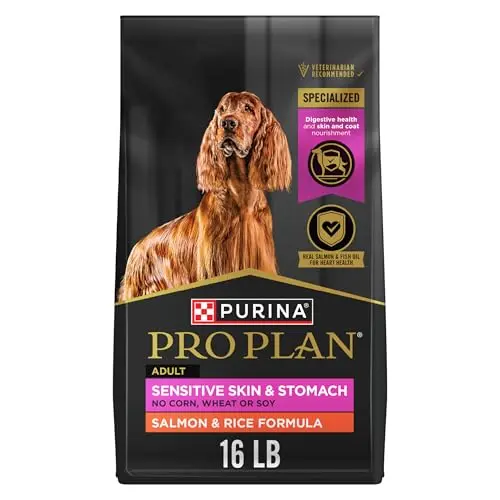
Sensitive Skin & Stomach Salmon & Rice – Skin & Coat Nourishment
Salmon is the star here, delivering omega-3s to calm sensitive skin, while oatmeal and prebiotic fibre keep your labradoodle’s digestion on track.
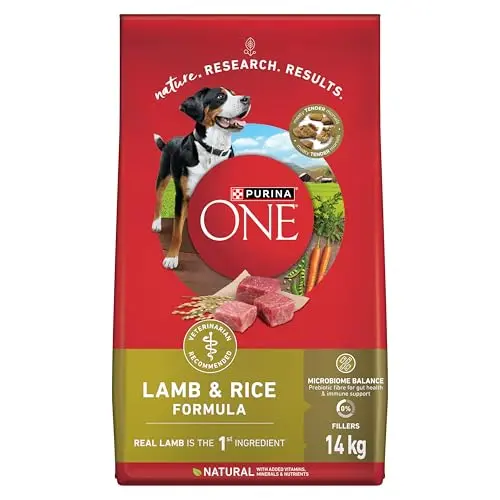
Microbiome Balance Lamb & Rice – Digestive Health Support
A smart pick for labradoodles with recurring tummy troubles, this lamb and rice recipe leans on prebiotic fibre to restore digestive balance.
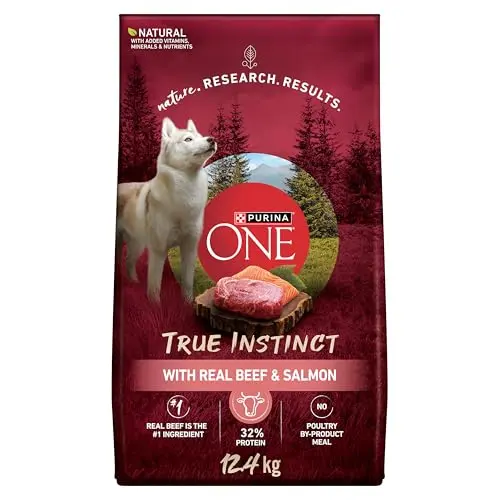
True Instinct High Protein Beef & Salmon – Lean Muscle Support
Designed for active labradoodles, this nutrient-dense formula packs 32% protein from beef and salmon to maintain strong muscles and energy levels.
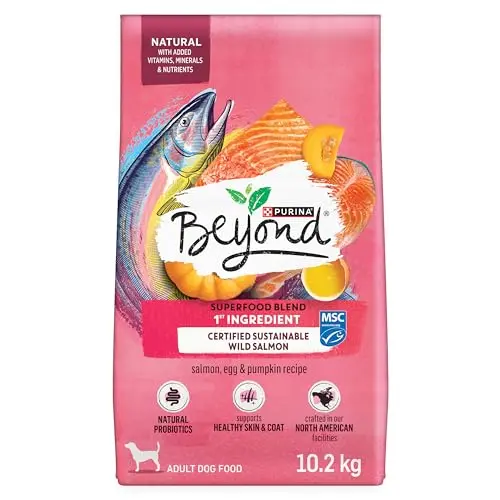
Superfood Blend Salmon, Egg & Pumpkin – Natural Limited Ingredient
This limited-ingredient recipe spotlights wild-caught salmon and superfoods like pumpkin, making it a gentle option for labradoodles with food sensitivities.
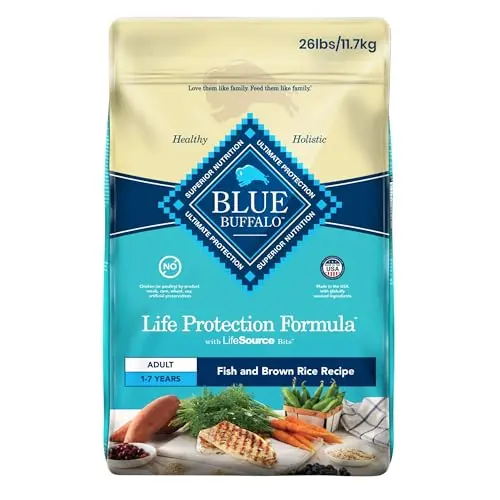
Life Protection Formula Fish & Brown Rice – Immune & Skin Health
Featuring deboned whitefish as the first ingredient and exclusive LifeSource Bits, this formula supports immune health and a shiny coat in labradoodles.
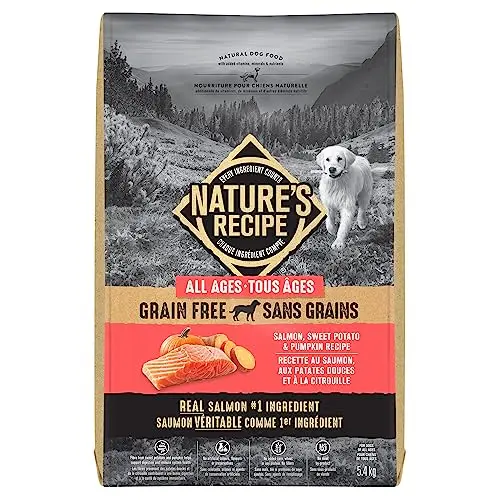
Grain Free Salmon, Sweet Potato & Pumpkin – Allergy-Friendly Nutrition
This grain-free recipe leans on salmon, sweet potatoes, and pumpkin to deliver a budget-friendly, allergy-conscious meal for sensitive labradoodles.
How We Evaluated These Dog Foods for Labradoodles
We didn’t run long-term feeding trials or veterinary clinical studies. What we did: cross-referenced 7 dog food models from 6 distinct brands across 5 critical decision axes – ingredient quality, protein source, digestive support, skin and coat health, and nutritional transparency. We triangulated published ingredient lists, guaranteed analysis data, and aggregated owner feedback where available to build a picture of real-world performance.
The scoring framework weighted real-world performance (60%) – how well each food delivers on its stated digestive and skin benefits for labradoodles – against feature differentiation (40%) – unique advantages such as prebiotic fibre blends, novel protein sources, or antioxidant packages. We have no commercial relationship with any of the brands featured; recommendations track fit and differentiation, not brand preference. If you’re looking for a one-bowl solution for sensitive skin and stomach, the Hill’s Science Diet Sensitive Stomach & Skin is your match; if your main concern is coat health, the Pro Plan Sensitive Skin & Stomach serves you better.
How to Choose the Right Dog Food for Labradoodles
Why Labradoodles Need Specialized Nutrition
Labradoodles often inherit a double dose of sensitivity from their Labrador and Poodle lineage – think food intolerances, itchy skin, and delicate digestion. Poodles are known for finicky stomachs, while Labs can pack on pounds easily. The right food will anchor healthy digestion with plenty of omega fatty acids for skin and coat, while keeping calorie density in check to maintain an ideal weight. Look for recipes that name a whole protein first and include prebiotic fibre or easily digested carbs like oatmeal or sweet potatoes.
Chicken vs. Salmon: Best Protein for Sensitive Labradoodles
Chicken is a staple protein in dog food, but it’s also one of the most common allergens for labradoodles. Salmon, lamb, and whitefish are often easier on sensitive systems. If your dog shows no signs of itching or ear infections, a high-quality chicken recipe like the Hill’s option can work beautifully. But if you suspect a poultry allergy, a salmon-based formula like Pro Plan Sensitive Skin or Nature’s Recipe Grain Free is a safer starting point. Always transition slowly and monitor stool quality and skin condition.
The Role of Prebiotics for Labradoodle Digestive Health
Prebiotic fibres – such as beet pulp, chicory root, or oatmeal – act as fuel for beneficial gut bacteria. For labradoodles prone to loose stools, these can be a game-changer. The Purina ONE Microbiome Balance formula is built around this concept, but many of our picks include natural prebiotics. Look for terms like ‘digestive health,’ ‘prebiotic fibre,’ or ‘microbiome’ on the label. A food that supports gut flora can reduce litter box cleanup and improve nutrient absorption over time.
Grain-Free or Whole Grains for Labradoodles?
The grain-free debate isn’t settled, but for labradoodles without specific grain allergies, whole grains like oatmeal and brown rice often support steady energy and digestion. Nature’s Recipe offers a grain-free salmon option for those who feel strongly about avoiding grains, but always check with your vet – especially given the FDA’s caution about grain-free diets and dilated cardiomyopathy. A limited-ingredient, grain-inclusive formula like Beyond Superfood Blend can be a balanced middle ground.
What to Look for on Dog Food Labels
When scanning the bag, focus on the ingredient panel, not the marketing claims. The first ingredient should be a named meat (salmon, lamb, beef, or chicken), not a meal or by-product. Check for explicit sensitivity benefits like added omega fatty acids, prebiotics, or ‘sensitive skin’ on the front. Avoid foods with artificial colours, flavours, or generic meat meals. Guaranteed analysis percentages for protein, fat, and fibre give you a sense of nutrient density – labradoodles do well on moderate to high protein (24-32%) with moderate fat.
Frequently Asked Questions
What's the difference between Hill's Science Diet Sensitive Stomach & Skin and Purina Pro Plan Sensitive Skin & Stomach?
Both target sensitive systems, but the Hill’s formula uses chicken as its primary protein with beet pulp prebiotic fibre, while Pro Plan relies on salmon and oatmeal. Hill’s is more widely recommended by vets and includes vitamin E for skin, whereas Pro Plan adds sunflower oil for direct skin barrier support. If your labradoodle tolerates chicken, Hill’s is an excellent all-rounder. If you’re avoiding poultry or need extra omega-3s for a dull coat, Pro Plan’s fish-forward recipe may suit better. Both are free of wheat and soy and use natural ingredients with no artificial colours.
How does Purina ONE Microbiome Balance compare to Beyond Superfood Blend for digestion?
Purina ONE Microbiome Balance is laser-focused on gut health with its prebiotic fibre blend and lamb as a gentle protein. Beyond Superfood Blend offers a broader approach: wild-caught salmon, superfoods like pumpkin, and no corn/wheat/soy. Both are digestible, but Purina ONE’s microbiome technology is more research-backed for dogs with recurrent loose stools. Beyond is a better fit if you want a clean, limited-ingredient diet that also supports skin health through omega-3s. Price-wise, they’re in a similar mid-range bracket.
Do labradoodles need grain-free dog food?
Not inherently. Grain-free diets rose in popularity due to concerns about allergies, but true grain allergies are rare in dogs. Many labradoodles thrive on whole grains like oatmeal or brown rice, which provide fibre and steady energy. However, if your dog shows signs of grain intolerance (chronic ear infections, itchy skin, digestive upset), a grain-free trial with a formula like Nature’s Recipe might help. Always consult your vet before going grain-free, as some studies link grain-free diets to heart issues in predisposed breeds.
Is high-protein food good for labradoodles?
Moderate to high protein (28-32%) supports lean muscle maintenance in active labradoodles, but it’s not a one-size-fits-all answer. Extremely high protein can be hard on kidneys in older or less active dogs. A high-protein formula like Purina ONE True Instinct is great for a young, energetic doodle, but pair it with portion control to avoid weight gain. If your dog is a couch potato or has a history of pancreatitis, stick with moderate protein, lower fat options like Hill’s or Pro Plan.
Final Verdict
For most labradoodles, the Hill’s Science Diet Sensitive Stomach & Skin is the answer – it nails both digestive comfort and coat health with a vet-trusted, prebiotic-rich formula that works for the majority of dogs. If your main battle is skin redness and itching, the Pro Plan Sensitive Skin & Stomach Salmon & Rice brings targeted omega support that can calm inflammation. Budget-conscious owners will appreciate the Purina ONE Microbiome Balance, which offers serious digestive relief at a friendlier price, while the high-energy doodle might thrive on the Purina ONE True Instinct for lean muscle support. Whichever you pick, your labradoodle’s wagging tail and shiny coat will tell you you’ve made the right call.