
Large breed dogs bring a lot of love into a home, but they also bring unique nutritional needs-especially when it comes to their joints and digestion. Choosing the right food isn’t just about filling a bowl; it’s about supporting long-term mobility and overall health. The wrong formula can leave a growing giant or an active adult with preventable joint stress, while the right one acts as daily support.
We’ve cross-shopped the market to pull together the standouts for large breed dogs, focusing on formulas that deliver joint-friendly ingredients, high-quality protein, and kibble designed for bigger mouths. Whether you’re managing a sensitive stomach, watching your dog’s weight, or simply looking for a reliable everyday diet, this guide will help you pick the food that keeps your big pup thriving.
Best Dog Food for Large Breed Dogs – 2026 Reviews
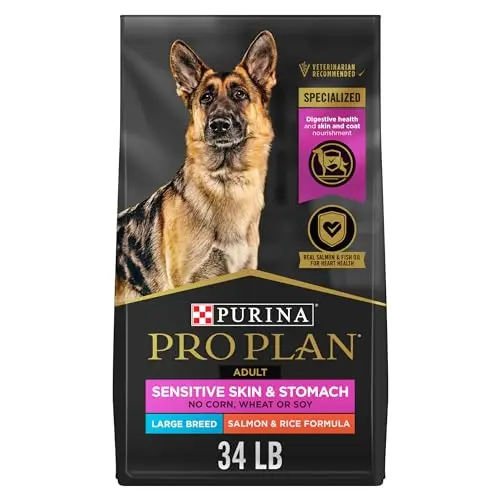
Sensitive Skin & Stomach Salmon & Rice – Gentle Digestion, Healthy Coat
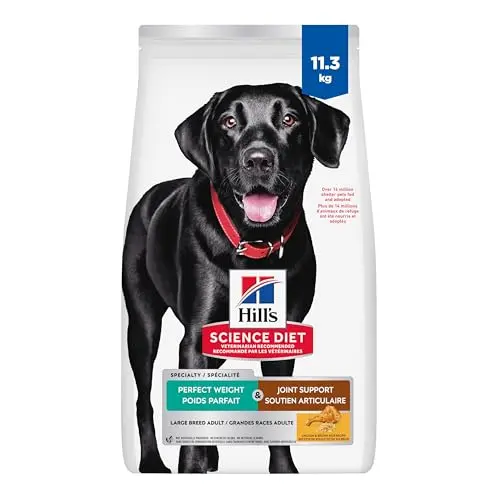
Perfect Weight & Joint Support Chicken – Weight Control with Mobility Care
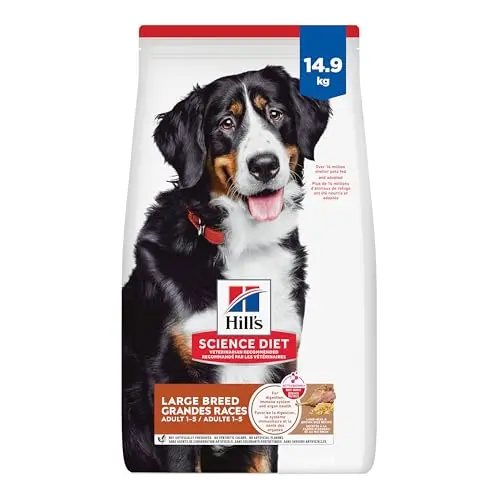
Lamb Meal & Brown Rice – Trusted Everyday Joint Support
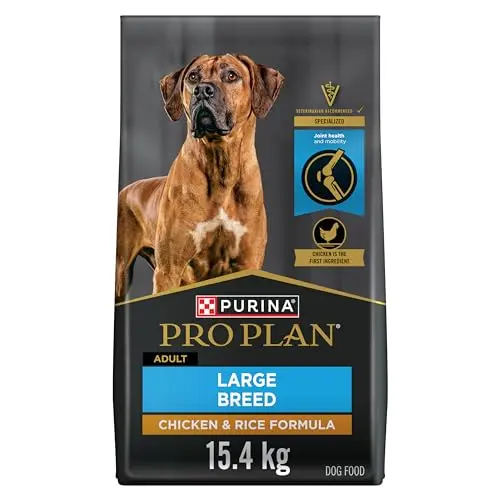
Focus Large Breed Chicken & Rice – Joint-Centric Classic
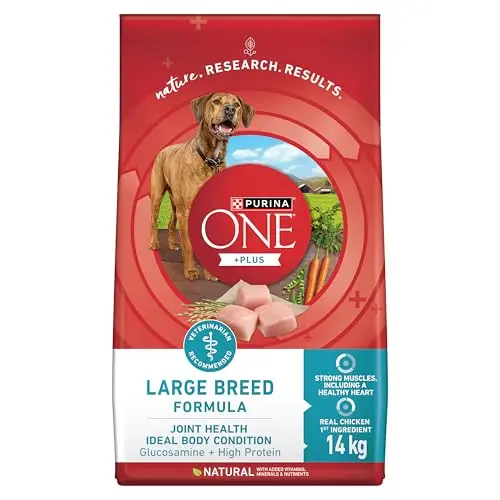
+Plus Large Breed Chicken – Affordable Joint & Coat Support
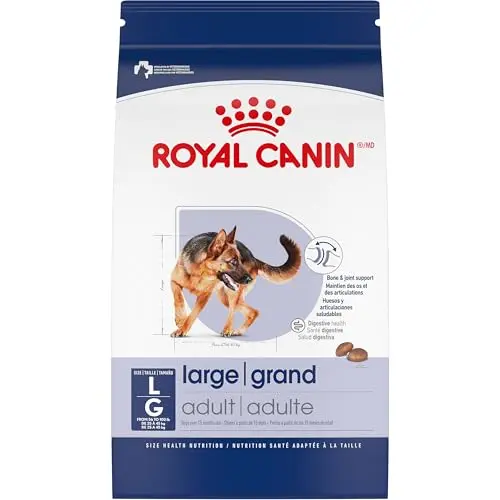
Large Breed Adult – Precision Nutrition for Big Dogs
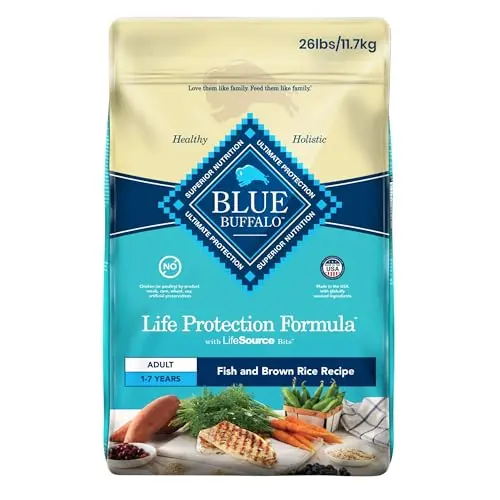
Fish & Brown Rice – Grain-Friendly Omega Boost
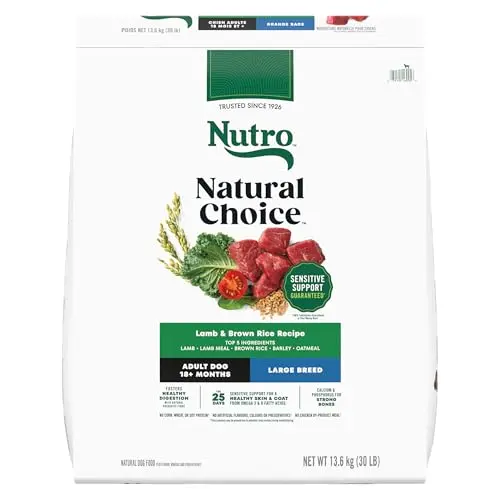
Lamb & Rice – Simple & Wholesome Lamb Recipe
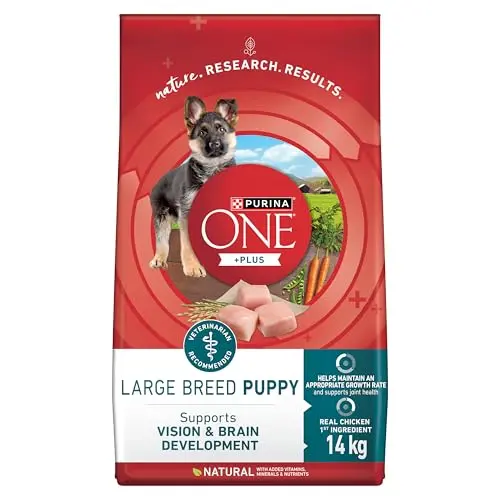
+Plus Large Breed Puppy Chicken – Growth Fuel for Big Pups
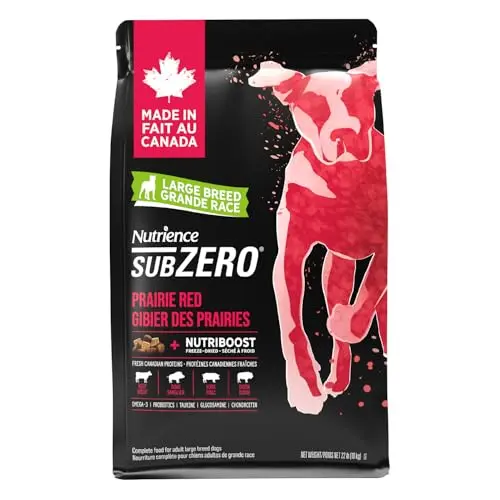
Subzero Prairie Red – Grain-Free Raw-Infused Option
How We Evaluated These Dog Foods for Large Breed Dogs
We didn’t run controlled feeding trials or radiograph joint changes. What we did: cross-referenced 10 large breed formulas from 7 distinct brands against 6 decision axes-joint-support ingredients (glucosamine, chondroitin, EPA), protein quality and source, kibble size and shape for large mouths, digestive fibre and prebiotics, specialty formulations (weight management, sensitive skin/stomach), and overall ingredient transparency. We triangulated published nutritional specifications, aggregated owner feedback where available, and use-case fit against representative large breed profiles (sedentary, active, sensitive, overweight).
The scoring framework weighted real-world performance (60%)-how well each food delivers on joint health and large breed-specific needs-against feature differentiation (40%)-unique formula advantages like weight management or raw infusion. We have no commercial relationship with any of the brands featured; recommendations track fit and differentiation, not brand preference. If you’re dealing with a sensitive stomach and skin, the Purina Pro Plan Sensitive Skin & Stomach is your match; if weight control is the priority, the Hill’s Science Diet Perfect Weight & Joint Support serves you better.
How to Choose the Right Dog Food for Large Breed Dogs
Why Large Breeds Need Specialized Nutrition
Large and giant breed dogs have a slower metabolism per kilo than smaller dogs, but they still need concentrated nutrition to support their frame without excessive calories that lead to rapid growth or obesity. The wrong calcium-to-phosphorus ratio can spell trouble for developing bones, and lifelong joint stress demands consistent support. A dedicated large breed formula isn’t marketing hype-it’s a real nutritional necessity, particularly during the growth phase and early adulthood.
Joint Health: Glucosamine, Chondroitin, and Omega-3s
Nearly every large breed food worth its salt includes glucosamine and chondroitin, often from natural sources like chicken cartilage or shellfish. These compounds help maintain cartilage and synovial fluid. EPA, an omega-3 fatty acid from fish oil, provides anti-inflammatory support that can ease joint stiffness. When comparing labels, look for specific mentions of these ingredients rather than vague “joint health” claims. The Purina Pro Plan Sensitive Skin & Stomach excels here with its explicit glucosamine and EPA inclusion.
Protein Quality: Building Lean Muscle Without Excess Calories
Large breeds need high-quality protein to maintain muscle mass, but the source matters. Chicken, lamb, fish, and novel proteins like bison each bring a different amino acid profile and potential allergen profile. Foods that list a specific meat meal or deboned meat as the first ingredient generally offer more concentrated protein than those starting with grains. Avoid formulas where protein comes heavily from plant sources-dogs digest animal proteins more efficiently, which means less waste and firmer stools.
Digestive Health: Fibre, Probiotics, and Grain Considerations
A healthy gut translates to better nutrient absorption and less mess to pick up. Many large breed foods include prebiotic fibres like beet pulp or chicory root, and some go further with probiotics to support the microbiome. If your dog has a sensitive stomach, a formula with oatmeal and easily digestible rice-like the Purina Pro Plan Focus-can make a noticeable difference. Grain-free options exist, but recent research suggests a link with dilated cardiomyopathy in some dogs; discuss with your vet before choosing grain-free.
Kibble Size and Shape: More Than Just a Crunch
Large breed kibble isn’t just bigger for the sake of it-it’s designed to encourage chewing, which slows down eating and may reduce the risk of bloat, a life-threatening condition common in deep-chested breeds. The texture and density also promote dental health by scraping plaque. Brands like Royal Canin engineer their kibble with specific dimensions for large jaws, while others simply make a larger pellet. If your dog inhales food, prioritize a food with a size-specific kibble design.
Specialty Formulas: Weight Management, Sensitivities, and Life Stages
Beyond the baseline, some large breeds benefit from targeted formulas. Weight management recipes like the Hill’s Science Diet Perfect Weight & Joint Support cut calories while preserving joint nutrients-perfect for dogs that pack on pounds. Sensitive skin and stomach formulas swap common triggers for novel proteins and gentle grains. And if you have a puppy, a large breed puppy food with controlled calcium and DHA for brain development is non-negotiable; the Purina ONE +Plus Large Breed Puppy formula is a solid choice. Match the formula to your dog’s specific challenge, and you’ll see the difference.
Frequently Asked Questions
What's the difference between Purina Pro Plan Sensitive Skin & Stomach and Hill's Science Diet Lamb Meal & Brown Rice for large breeds?
Both are excellent, but they target different needs. Purina Pro Plan Sensitive Skin & Stomach uses salmon as its primary protein and is explicitly formulated for digestive and skin sensitivities, with oatmeal and prebiotic fibre to soothe the gut. It’s ideal if your dog is prone to itching, loose stool, or ear infections. Hill’s Science Diet Lamb Meal & Brown Rice is a more general maintenance formula with natural glucosamine and chondroitin for joint health; it’s a great everyday choice for a dog without specific sensitivities. Choose Purina for reactivity, Hill’s for routine support.
Do large breed dogs need grain-free food?
Most large breeds don’t need grain-free food, and the FDA has flagged a potential link between grain-free diets and dilated cardiomyopathy (DCM) in dogs. Whole grains like brown rice and oatmeal provide digestible carbohydrates and fibre that support gut health. Unless your dog has a confirmed grain allergy-which is rare-a grain-inclusive formula is typically safer and more balanced. If you do opt for grain-free, like the Nutrience Subzero line, work closely with your vet to monitor heart health.
Can I feed my large breed puppy adult dog food?
No-large breed puppies have very specific calcium and phosphorus requirements to support steady, controlled growth. Too much calcium can lead to skeletal abnormalities, including hip dysplasia. A dedicated large breed puppy formula, like the Purina ONE +Plus Large Breed Puppy, includes DHA for brain development and appropriate mineral levels. Stick with puppy food until your dog reaches about 12-18 months, depending on breed, then transition to an adult large breed formula.
How does Royal Canin Large Breed Adult compare to Hill's Science Diet Perfect Weight & Joint Support?
Royal Canin focuses on precise, breed-size-specific kibble engineering and a balanced nutritional profile for dogs at a healthy weight. It’s a premium maintenance diet. Hill’s Perfect Weight & Joint Support is a therapeutic option for dogs needing to lose weight while protecting their joints. If your dog is at an ideal weight, Royal Canin makes sense; if they’re overweight, Hill’s is the targeted solution. The calorie content and feeding guidelines differ significantly, so match the food to your dog’s body condition.
Are expensive large breed foods worth the cost?
Not always, but they often deliver specific benefits. Higher-priced foods like Royal Canin or Nutrience Subzero bring research-backed kibble design, novel proteins, or raw infusion that you won’t find in budget lines. However, a moderately priced option like the Purina ONE +Plus Large Breed still provides glucosamine, chicken-first protein, and antioxidants. The key is whether the premium feature addresses your dog’s needs-if your dog doesn’t have allergies, paying extra for a limited-ingredient diet may not be worth it.
Final Verdict
For most large breed dogs, the Purina Pro Plan Sensitive Skin & Stomach is the all-around winner-it nails joint support, digestive ease, and skin health without compromise. If your big dog carries a few extra pounds, the Hill’s Science Diet Perfect Weight & Joint Support is the dual-action weight-management pick. And when budget is a primary concern but you still want solid joint care, the Purina ONE +Plus Large Breed delivers remarkable value. Whichever you choose, your large breed companion will thank you with every wag.